
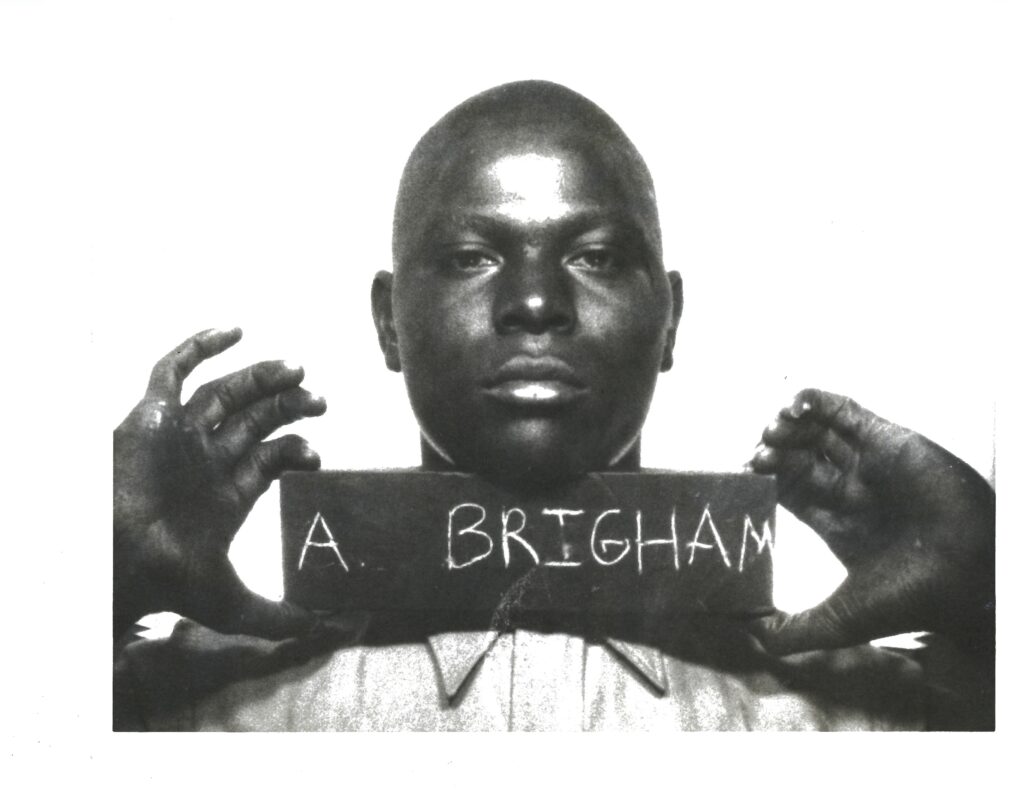
Lance Corporal Albert Brigham
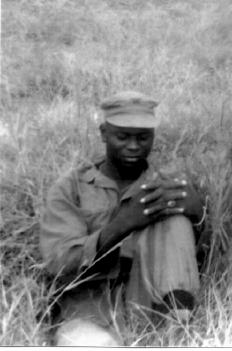
- Unit: Company E, 2ⁿᵈ Battalion, 1ˢᵗ Marine Division
- Service Number: 2236065
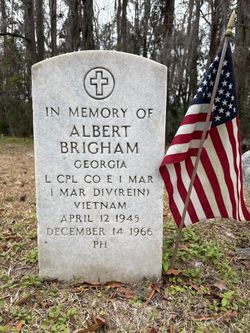
- Date of Birth: April 12, 1945
- Entered the Military: January 12, 1966
- Date of Death: December 14, 1966
- Hometown: Girard, Georgia
- Place of Death: Song La Tho River, Da Nang, Vietnam
- Award(s): Purple Heart Ribbon, National Defense Service Medal, Vietnam Services Medal, and Republic of Vietnam Campaign Ribbon
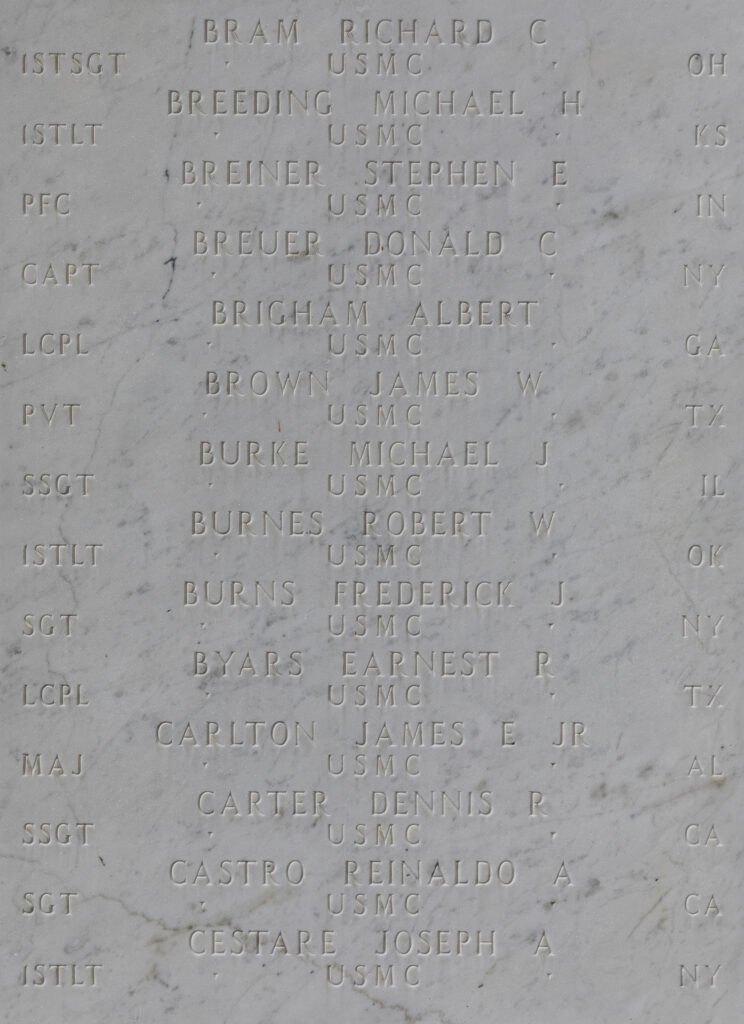
- Cemetery: Court A, Courts of the Missing. National Memorial Cemetery of the Pacific, Honolulu, Hawaiʻi, and a memorial marker at Laurel Grove Cemetery, Savannah, South Carolina.
Lithia Springs High School, Lithia Springs, Georgia
2025/2026
Early Life
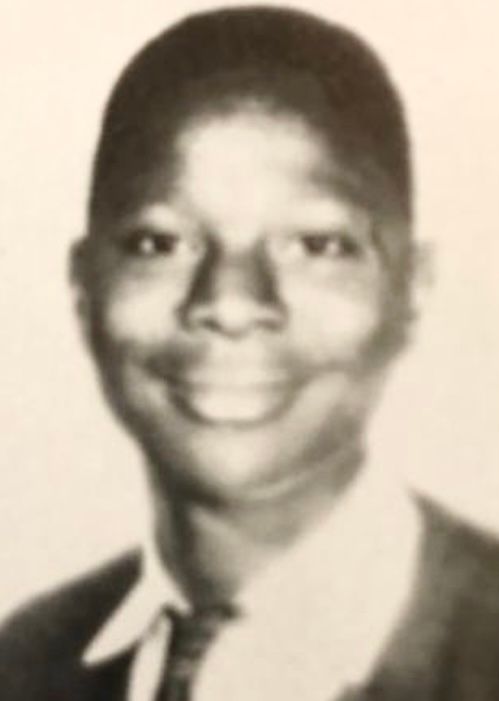
Albert Brigham was born on April 12, 1945, in Girard, Georgia. He was the son of Evans and Anna Brigham and the grandson of Huley Brigham and Josephine Brown. His mother was a “spotter” for C and D Cleaners in Savannah, Georgia, where she removed stains from clothes. His father was a driver for Dixie Asphalt Products. The couple had two other children, sisters Betty and Catherine.
Brigham spent part of his modest upbringing in Savannah, Georgia. As a resident of Savannah, Brigham lived on Cope Street, which borders the Savannah Port and the historic downtown area. Little is known about his education in Savannah prior to his enlistment in the military.
Homefront
When Brigham enlisted in the U.S. Marine Corps in 1966, he was a resident of Savannah, Georgia. Savannah is located on the coast of Georgia at the mouth of the Savannah River. The city is historically significant because it was the site of Georgia’s colony, founded in 1733. Today, Savannah is home to one of the world’s largest ports.
Military History
Savannah has historically been an important site for military installations. Fort Stewart was first created in the 1730s as a colonial military fort and was revitalized during World War II. After World War II, and through the Korean War and the Cold War, Fort Stewart continued to be used for various purposes. When the United States became involved in the Vietnam War, Fort Stewart was used to train helicopter pilots who had completed aviation training at Fort Rucker, Alabama.
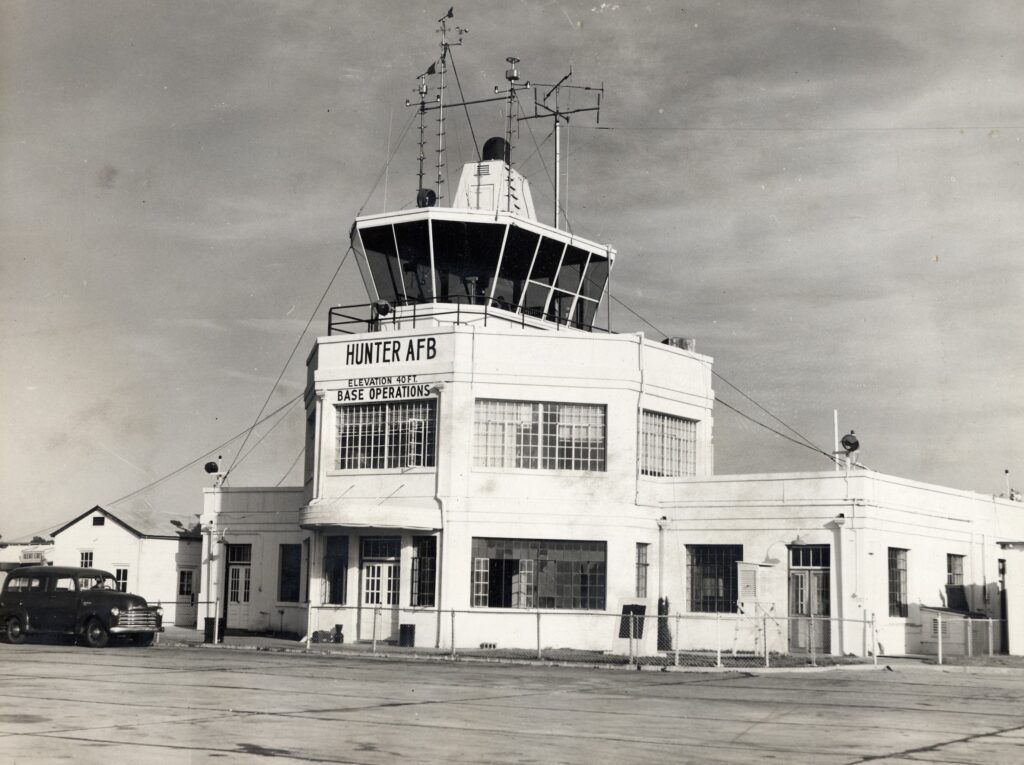
In 1964, the Department of Defense announced the closure of Hunter Field at Fort Stewart. By 1966, Secretary of Defense Robert McNamara had decided to reopen Hunter Field. By 1967, Hunter Field had been taken over by the U.S. Army and renamed Hunter Army Air Field.
The Community
At the community level, Savannah proved to be a vital contributor to the war effort on the home front. The U.S. Army Corps of Engineers undertook various efforts to improve the Savannah River’s navigability for transporting materials and food during the Vietnam War.
The community was also affected by the draft. Although local college students at Armstrong State University publicly expressed anti-war and anti-draft sentiments, their actions were not as widely documented as those on larger campuses, such as the University of Georgia. Overall, support for the war was more prevalent among older residents than among younger residents.
As some Veterans returned home, Savannahians welcomed them with open arms. Some residents did what they could to help the Veterans reacclimate to society and to host them during the holidays. South Vietnamese pilots were even welcomed into the homes of local Savannahians. Local media like the Savannah Morning News tended to shield the public from the truth about the war; they even declared the My Lai Massacre a success.
The Civil Rights Movement
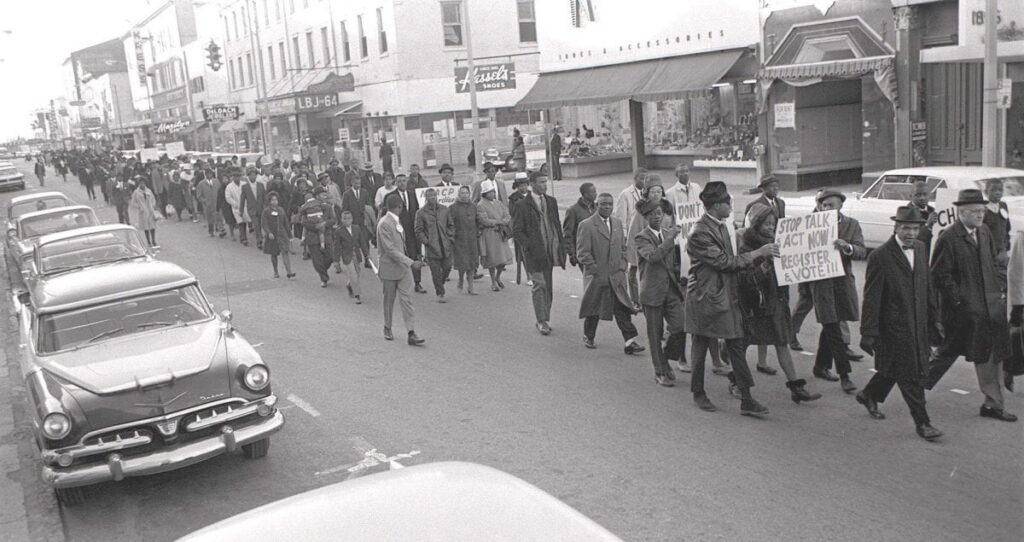
While the Vietnam War raged, the Civil Rights Movement was taking hold in Savannah. Local civil rights leaders did express opposition to American involvement in the Vietnam War. With the use of Hunter Army Air Field in the war, many outsiders moved to the region and were not aware of the rampant racism and segregation taking place. Many of those individuals would attempt to help the African American community without a full understanding of the consequences that could occur.
Over time, Savannahians learned how to support the movement for civil rights and support African American soldiers while also opposing American involvement in Vietnam.
Soldiers who returned home to Savannah were able to take advantage of opportunities through efforts like the GI Bill, but that was not the experience for African American soldiers. Many African American Veterans lacked the opportunities offered to White Veterans.
Military Experience
Training and Placement
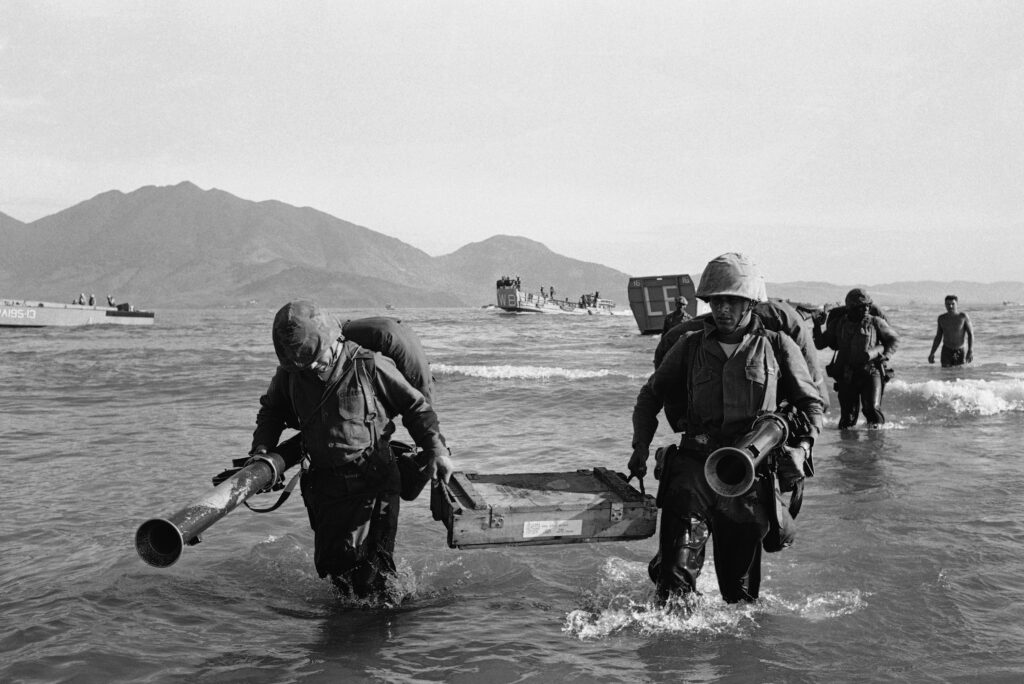
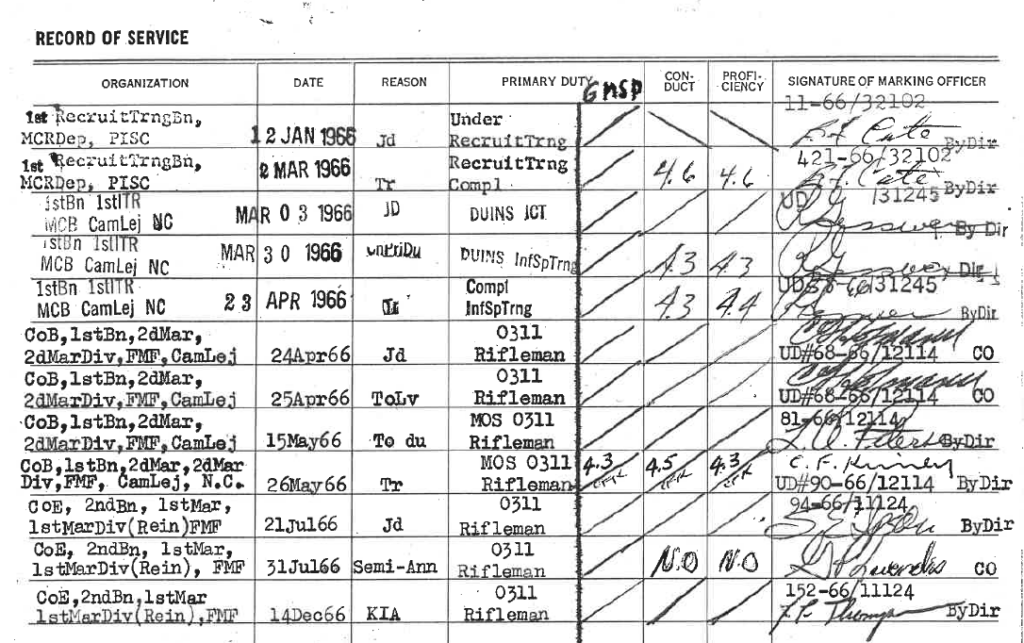
Albert Brigham enlisted in the U.S. Marine Corps in Savannah, Georgia, on January 12, 1966. He completed basic training at Parris Island, South Carolina, from January to March 1966. After completing basic training in Parris Island, Brigham went to Camp LeJeune, North Carolina, where his training was extended until July 1966, when he was deployed to Vietnam.
During his time at Camp LeJeune, he was in Company B, 1ˢᵗ Battalion, 2ⁿᵈ Marine Division. He transferred to Company E, 2nd Battalion, 1st Marine Division, in the Fleet Marine Force from July 1966 until December 1966. As a Marine, Brigham served as a rifleman, placing him in close combat with the core assault force. As part of the Fleet Marine Force, he was a member of a ground crew that handled amphibious and expeditionary movements. During his brief military service, he attained the rank of lance corporal.
Service in Vietnam
Brigham was deployed to Vietnam in July 1966 and was last known to be in the Da Nang region. He was part of Echo Company and was assigned to Operation Hastings. On December 14, 1966, Echo Company was in the process of moving its ambush site to the south bank of the Song La Tho River. Brigham’s team was situated upstream from the other part of the Echo Company.
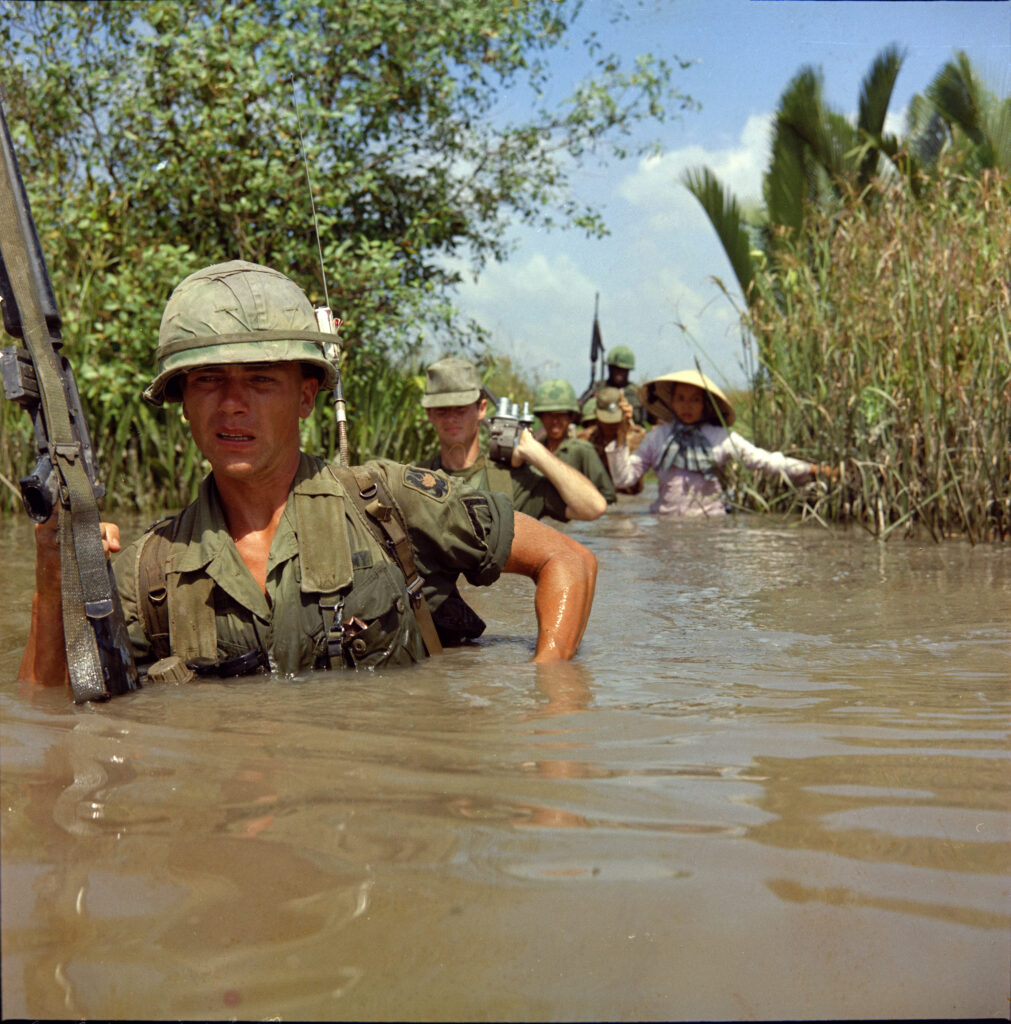
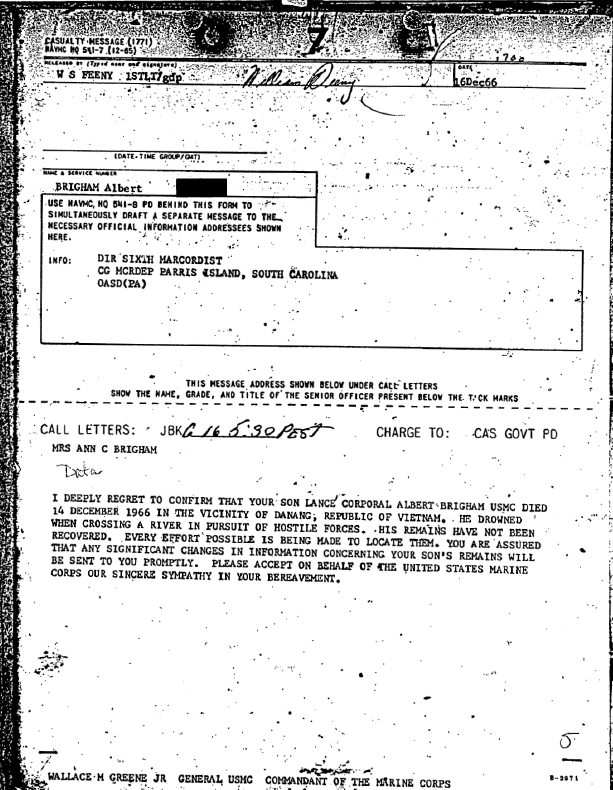
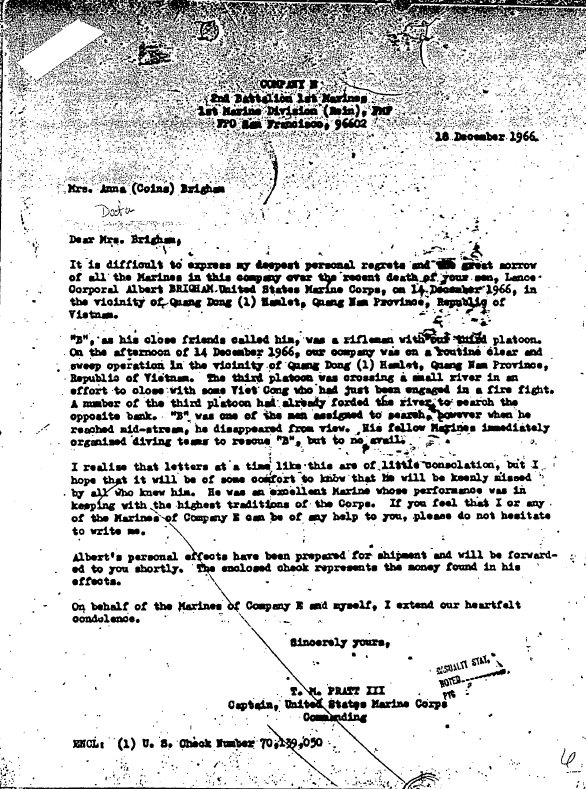
About an hour after the team split, Brigham’s squad opened fire on Viet Cong forces moving along the riverbank on the opposite side. Brigham and another Marine began crossing the river to check for bodies. As Brigham moved upstream, he had to fight the fast-moving river current and began to struggle to stay afloat. Eventually, the river current pulled him under.
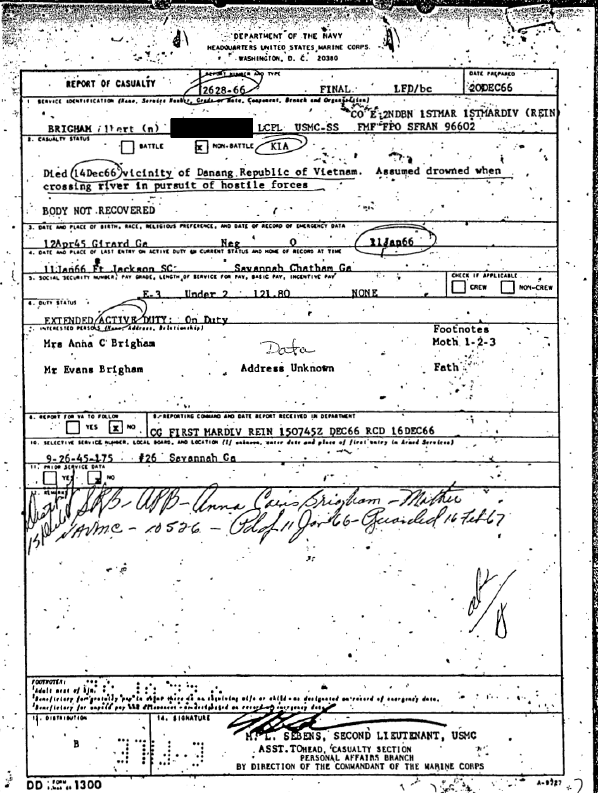
The Echo Company made multiple attempts to recover his body. They searched for over five hours. They were not successful. A formal recovery attempt was put in place, and it was determined he was “killed in action/body not recovered.”
Commemoration
Albert Brigham’s remains were never recovered. Due to his heroic efforts and sacrifice, Brigham received a Purple Heart Ribbon, the National Defense Service Medal, the Vietnam Service Medal, and the Republic of Vietnam Campaign Ribbon.
Today, he is memorialized at Court A of the Courts of the Missing at the National Memorial Cemetery of the Pacific, in Honolulu, Hawaiʻi.
Bibliography
Primary Sources
Albert Brigham, Freedom of Information Act Record, Department of the Navy, National Archives and Records Administration – St. Louis.
Albert Brigham. Manuscripts/Mixed Material. Library of Congress (PW_MASTER 37368). https://www.loc.gov/collections/vietnam-era-pow-mia-database/?fa=subject_name:brigham,+albert.
Albert Brigham. Vietnam Conflict Extract Data File. https://aad.archives.gov/.
Anna Brigham. U.S., City Directories, 1822-1995. https://ancestry.com.
Broughton Street in Downtown Savannah, Georgia in the 1960’s. Photograph. Savannah Now. https://www.savannahnow.com/story/lifestyle/celebrations/anniversary/2010/03/25/broughton-street-circle-economic-life/13698604007/.
Hunter Army Airfield. Photograph. U.S. Army. https://www.army.mil/article/39095/70th_anniversary_of_hunter_army_airfield_the_history_of_hunter_army_airfield.
“The Inkwell.” The Inkwell [Statesboro, Georgia], May 27, 1969. https://digitalcommons.georgiasouthern.edu/inkwell/172/.
Photograph of Private Fred L. Greenleaf Crossing a Deep Irrigation Canal during Operation Bang Dong. Photograph. November 21, 1967. National Archives and Records Administration (NAID 17331472). https://catalog.archives.gov/id/17331472.
Savannahians march to Chatham County Courthouse in support of Selma voters registration drive. Photograph. March 21, 1965. Savannah Tribune [Savannah, GA], July 17, 2013. https://www.savannahtribune.com/articles/the-committee-to-celebrate-50th-anniversary-of-desegregation/.
Secondary Sources
“Albert Brigham.” American Battle Monuments Commission. Accessed November 17, 2025. https://weremember.abmc.gov/s?q=Brigham&v=G&type=16.
“Albert Brigham.” Veterans Legacy Memorial, National Cemetery Administration. Accessed February 10, 2026. https://www.vlm.cem.va.gov/AlbertBrigham/48F4D.
Barber, Henry E., and Alan R. Gann. A History of the Savannah District U.S. Army Corps of Engineers 1829-1989. U.S. Army Corps of Engineers, 1989. https://www.amazon.com/History-Savannah-District-Engineers-1829-1989/dp/B001925H6A.
Croy, Marshall. “Echo Raiders.” Raider Tales. Volume 1, Issue 2, (2022). https://echoraiders.com/.
Dirkson, Jessica F. “More than a Conservative, Pro-War Narrative: Savannah, Georgia and the Vietnam War.” Georgia Southern Commons, 2018. https://digitalcommons.georgiasouthern.edu/etd/1775/.
“Evans ‘Fat Fu’ Brigham Jr.” Find a Grave. Accessed November 17, 2025. https://www.findagrave.com/memorial/144269740/evans-brigham.
“Fmflant/Marforcom Mission.” Marines. Accessed November 17, 2025. https://www.marforcom.marines.mil/About/.
“History.” Fort Stewart – Hunter Army Airfield. Accessed November 17, 2025. https://stewartandhunter.com/history/.
“Lance CPL. Albert Brigham.” Defense POW/MIA Accounting Agency. Accessed November 17, 2025. https://dpaa-mil.sites.crmforce.mil/dpaaProfile?id=a0Jt0000000KZCMEA4.
“LCpl Albert ‘A.B.’ Brigham.” Find a Grave. Accessed November 17, 2025. https://www.findagrave.com/memorial/63240379/albert-brigham.
“LCpl Albert Brigham.” Find a Grave. Accessed February 10, 2026. https://www.findagrave.com/memorial/123190279/albert-brigham.
“LCpl Albert Brigham.” Find a Grave. Accessed February 10, 2026. https://www.findagrave.com/memorial/155775798/albert-brigham.
“Savannah Food & Industries, Inc.” Encyclopedia.com. Accessed November 17, 2025. https://www.encyclopedia.com/books/politics-and-business-magazines/savannah-foods-industries-inc.
Sullivan, Michael. “In Danang, Where U.S. Troops First Landed, Memories of War Have Faded.” NPR, May 2, 2015. https://www.npr.org/sections/parallels/2015/05/02/403597845/in-danang-where-u-s-troops-first-landed-memories-of-war-have-faded.
This profile was researched and created through the Researching Silent Heroes program, sponsored by the American Battle Monuments Commission.