

Steward First Class Alfred Jetter Whitesides
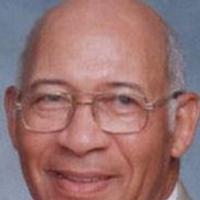
- Unit: Steward Branch, Marine Barracks, Parris Island
- Service Number: 871476
- Date of Birth: March 16, 1925
- Entered the Military: September 2, 1943
- Date of Death: October 6, 2013
- Hometown: Asheville, North Carolina
- Place of Death: Asheville, North Carolina
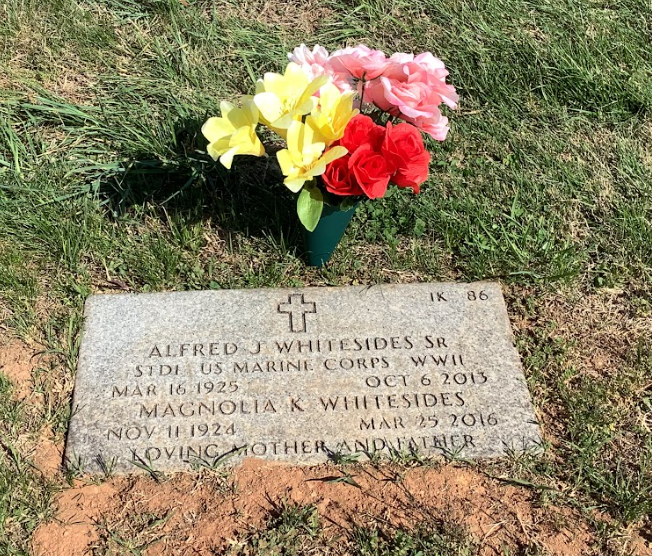
- Cemetery: Section 1K, Site 86. Western Carolina State Veterans Cemetery, Black Mountain, North Carolina
Mentored by Ms. Whitney Cooper
Valley Springs Middle School
2025/2026
Early Life
Growing Up In Shiloh
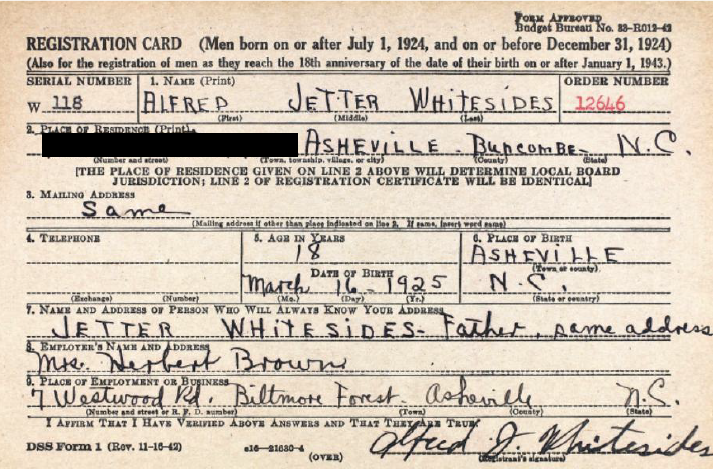
Alfred Jetter Whitesides was born to Jetter and Emma Whitesides on March 16, 1925, in Asheville, North Carolina. He grew up in the Shiloh neighborhood, which still exists today. Shiloh was a heavily segregated Black community, and his mother’s family owned much of the land there. When his mother died of tuberculosis while he was still young, his two older sisters, Louise and Catherine, helped raise him. That early loss shaped the kind of life he would lead. He learned responsibility young and carried it with him throughout his life.
School and Early Responsibility
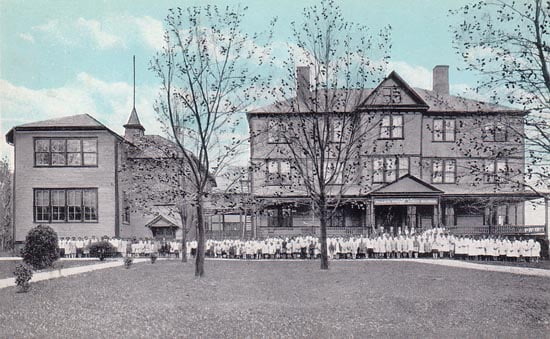
Whitesides attended the Allen School, which had been created as a Black preparatory school for girls, but it had only recently started allowing boys to attend when Whitesides was enrolled. His military records indicate that he attended Allenhome High School for two years, but he did not graduate.
Going to Work Early
After leaving school, Whitesides went to work. He first worked in landscaping with his father for a family in Biltmore Forest. Later, he worked for that same family as a butler and chauffeur, wearing a tuxedo and white gloves each day. Even before the war, his life taught him discipline and how to carry himself with dignity.
Homefront
Asheville During the War
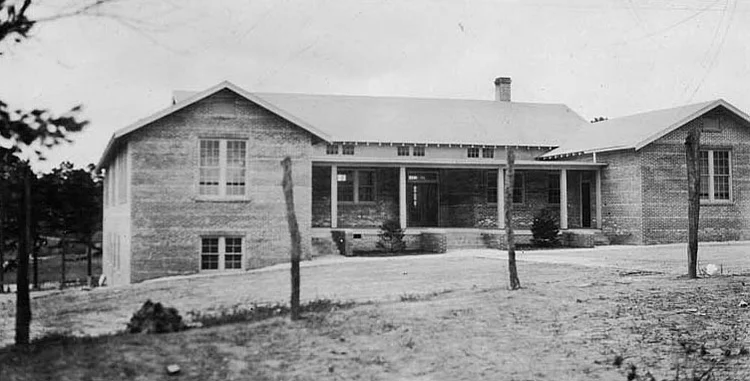
During World War II, Asheville had a very unusual home front. Instead of being known for shipyards or factories, Asheville turned its high-end hotels into military centers and hospitals. Places like the Grove Park Inn, the Battery Park Hotel, and the Asheville Biltmore were used to process and care for returning service members. The war changed the city’s whole purpose.
A City Full of Surprises
Some of the strangest wartime stories in Asheville happened far from any battlefield. The Grove Park Inn and the Assembly Inn at Montreat were used to hold detainees, diplomats, and other enemy nationals during the war. At the same time, Asheville also had tensions at home. A local fascist movement called the Silver Shirts, led by William Dudley Pelley, held rallies in the area and worried many residents. That means Whitesides grew up in a city where war, politics, fear, and patriotism were all mixed together.
Work, Food, and War Effort
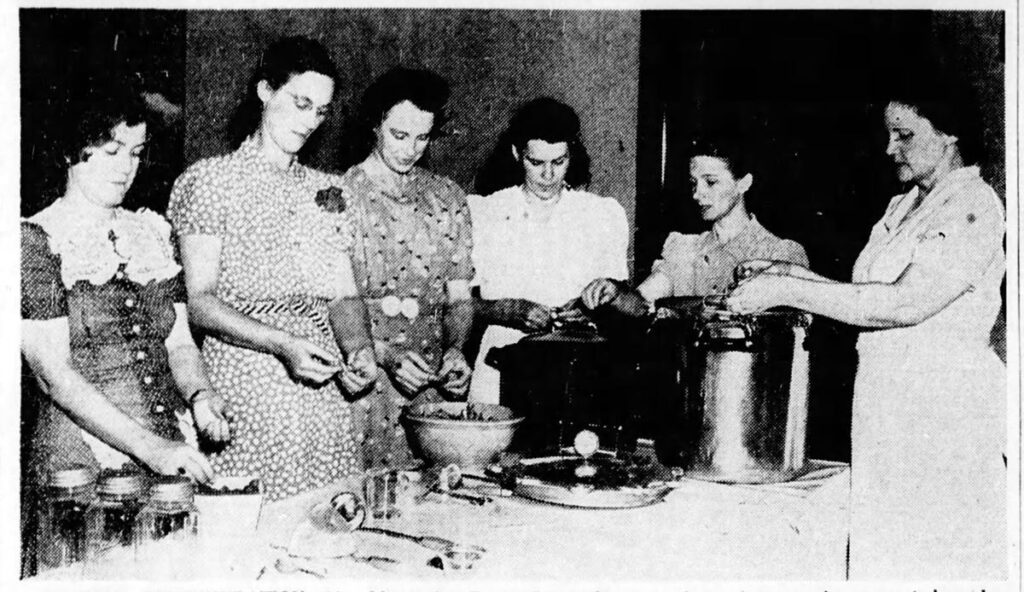
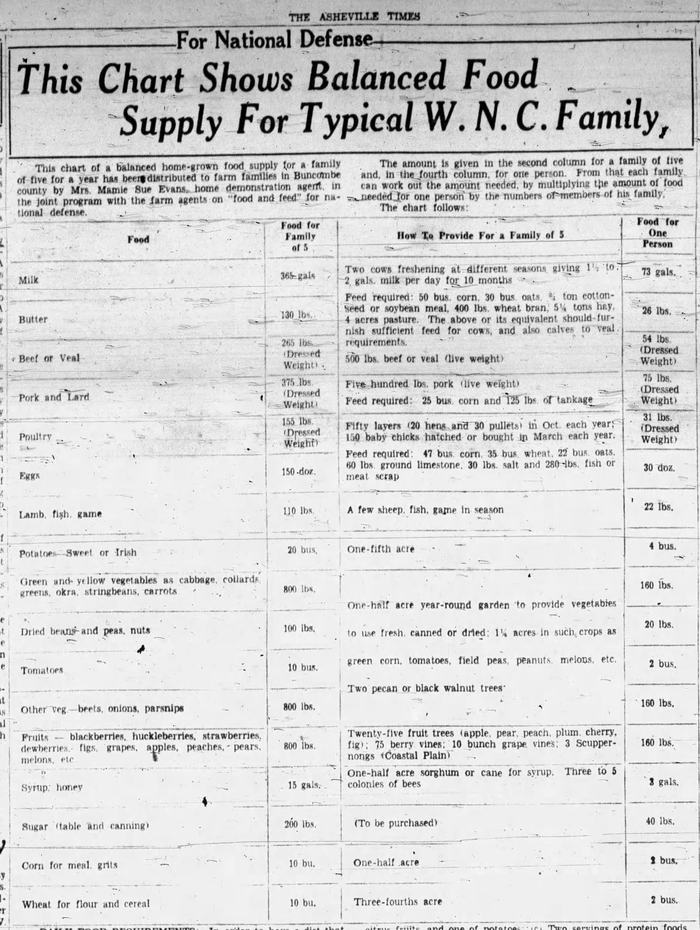
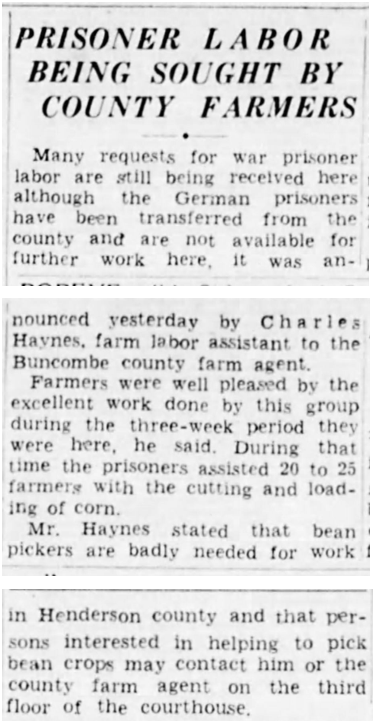
Asheville also helped the war through work and farming. Nearby factories made blankets, parachutes, tents, and mosquito netting for soldiers. Buncombe County farms produced dairy, tobacco, corn, wheat, potatoes, and eggs, and families were encouraged to plant Victory Gardens and preserve food. When labor shortages hit, German prisoners of war were even brought in to help with harvesting. This was the city Alfred Whitesides knew when he was drafted in 1943.
Military Experience
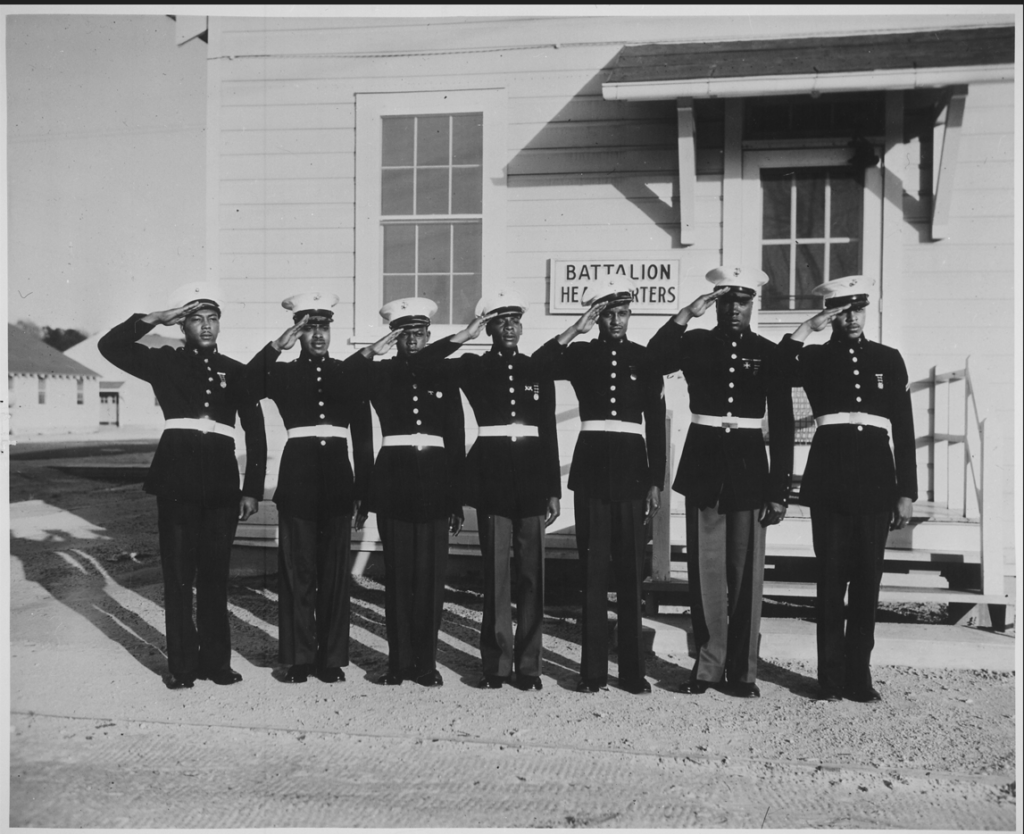
In 1943, Alfred Whitesides enlisted in the U.S. Marine Corps. He was part of the first generation of Black men allowed to serve in the Marines, making his service historic from the start. He trained at Montford Point, the segregated camp where Black recruits had to prove themselves in ways White recruits did not. Between 1942 and 1949, approximately 20,000 Black men trained at the segregated Montford Point Camp (now Camp Johnson) in Jacksonville, North Carolina
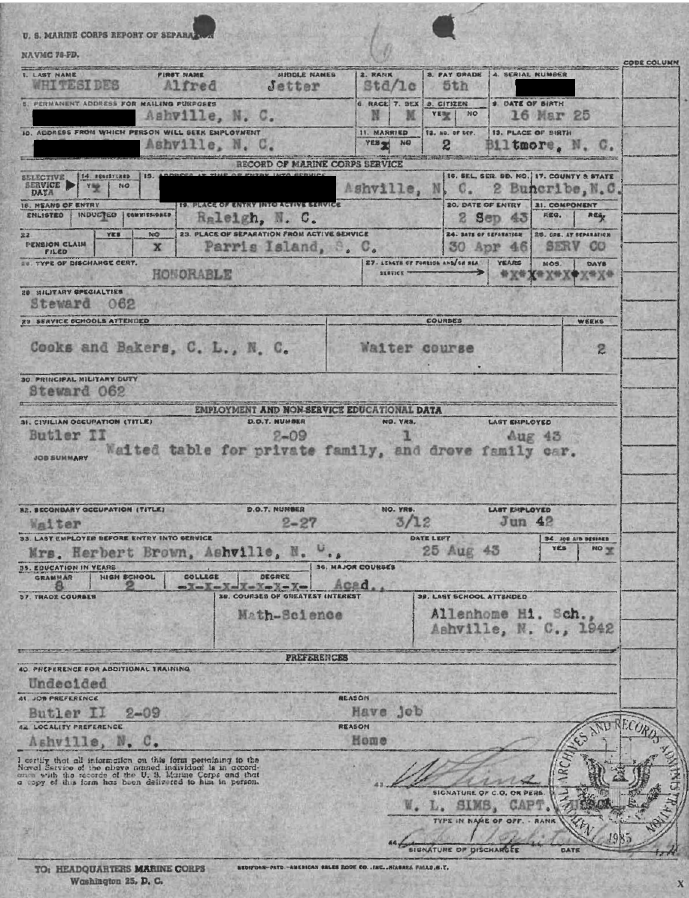
Because of his work experience before the war, Whitesides served in the Steward Branch at Parris Island. He eventually ran the bar at the Officers’ Club. His records show that he did not serve overseas and was not wounded in combat, but that does not diminish his service. Serving in a segregated military required strength, patience, and pride.
One story from his son says a great deal about his character. After coming home in his Marine uniform, Whitesides was told to give up his seat on a bus for White passengers. He refused. Later, he taught his children not to become “a piece of furniture in the room,” but to speak up and be heard. That lesson connects his military service to the way he lived the rest of his life.
Coming Home
Whitesides was honorably discharged on April 30, 1946. His last duty station was Marine Barracks, Parris Island, South Carolina. Like many Veterans, he returned home quietly, but he carried important lessons back with him. His service had strengthened his belief in dignity and self-respect, as well as in serving and supporting one’s community.
Veteran Experience
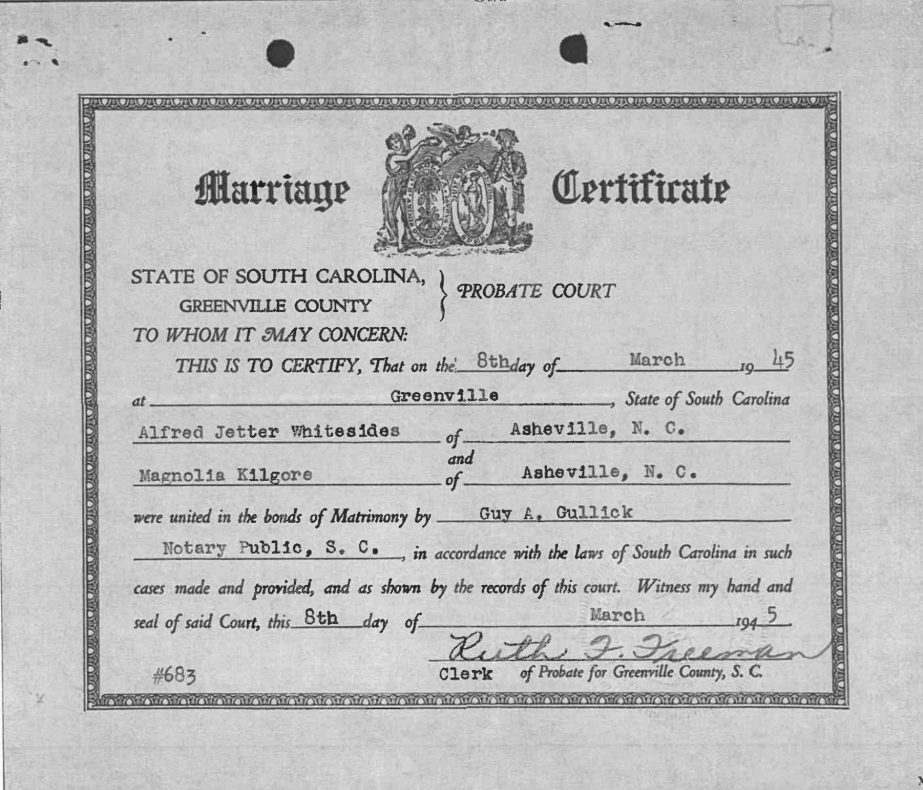
In the middle of the war, on March 8, 1945, Whitesides married Magnolia Kilgore in Greenville, South Carolina. Together, they built a family and stayed married for almost 70 years. They had two sons, Alfred, Jr., and Kenneth, along with grandchildren and great-grandchildren. Family life became one of the most important parts of his legacy.
Work and Determination
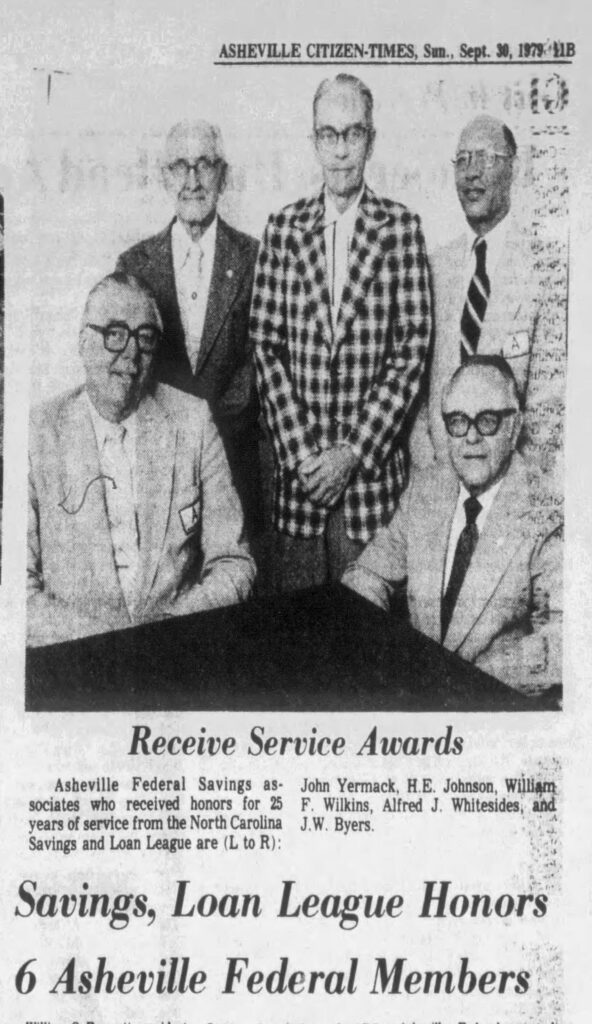
After the war, Whitesides returned to Asheville and stayed there for the rest of his life. He worked several jobs, including janitorial work, waiting tables, and banking, eventually retiring from Asheville Savings Bank. His son remembered that he often worked more than one job at a time. He did what he needed to do to support his family.
Even though he did not graduate from high school, Whitesides believed deeply in education. One day, while working at the bank, he brought his son with him and said that he did not want him to clean the desk. He wanted him sitting behind it. He wanted his sons to go farther than he had been allowed to go.
Faith and Community
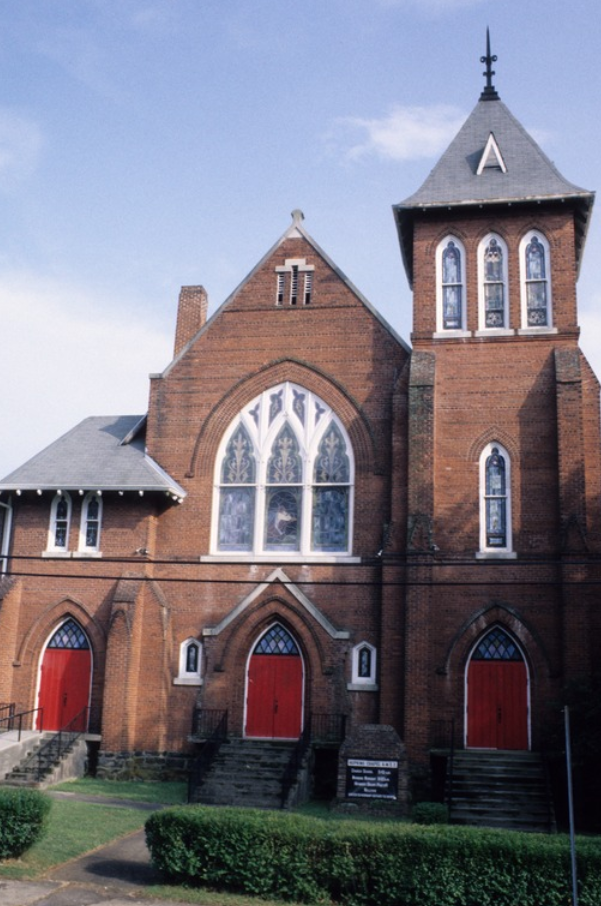
Whitesides was also deeply involved in Hopkins Chapel African Methodist Episcopal Zion Church. He served on the Steward Board and Trustee Board, helping guide the church and support its work. His son remembered that he emphasized church, responsibility, and education at home. He did not talk constantly about himself, but he taught through example.
Commemoration
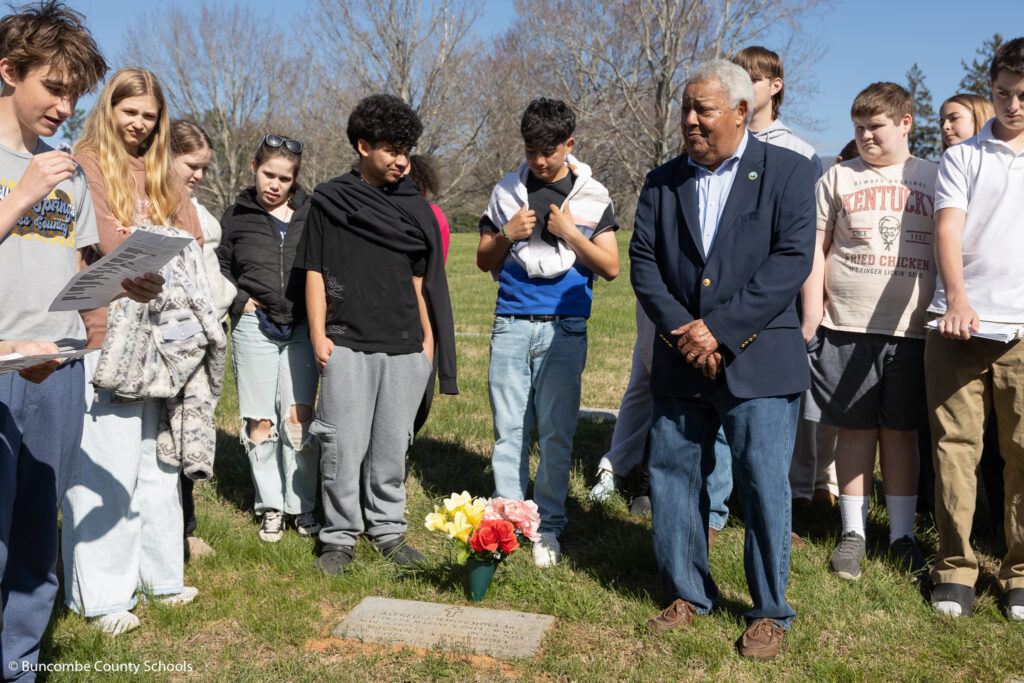
Alfred Jetter Whitesides, Sr., died on October 6, 2013. He was buried at the Western North Carolina State Veterans Cemetery in Black Mountain. His burial there honors his service in the United States Marine Corps, but his legacy goes beyond military records.
Whitesides left behind more than a name on a cemetery marker. He left behind a family shaped by his values of hard work, dignity, faith, and education. His son later became a vice president at the same bank where Whitesides had once worked, as well as a civil rights leader and public servant in Asheville.
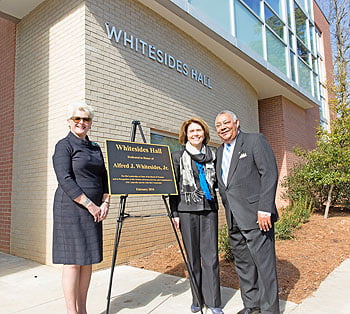
When UNC Asheville students pushed to name a campus building after an African American, Alfred Whitesides, Jr., was nominated for the honor because of his work as a civil rights leader, banker, and community leader. During the dedication of Whitesides Hall, however, he made sure to credit his father’s influence. He explained that Alfred Whitesides, Sr., had always stressed education and wanted his sons to go further than he had himself. Whitesides, Jr., said his own path was possible because of the “shoulders he stands on,” especially the example set by his father.
His story is powerful because it is both personal and historical. He was a man from segregated Asheville who served in a segregated military, came home with his dignity intact, and pushed his family toward a better future. He may not have become famous in battle, but he changed the lives around him. That is why Alfred Jetter Whitesides, Sr., deserves to be remembered.
Bibliography
Primary Sources
“AAF At Newbridge Will Observe Navy Night Friday: 100 Patients From Hospital to Be Guests.” The Asheville Times [Asheville, North Carolina], June 15, 1944. Newspapers.com (942704840).
Alfred Jetter Whitesides. North Carolina, First Draft Registration Cards, 1940–1945. Digital Images. https://familysearch.org.
Alfred Jetter Whitesides. Official Military Personnel File. Department of the Navy. National Archives and Records Administration – St. Louis.
Alfred Jetter Whitesides. Report of Separation. Department of the Navy. National Archives and Records Administration – St. Louis.
Alfred Jetter Whitesides. United States, Obituary Records, 2014–2023. Digital Images. https://familysearch.org.
. . . Although a dress uniform is not part of the regular equipment . . . Photograph. May 1943. National Archives and Records Administration (NAID: 535871). https://catalog.archives.gov/id/535871.
Army Air Force Camp at Newbridge, Asheville, North Carolina. Photograph. 1944 Buncombe County Special Collections (ID L294-5, L294-DS). https://7039.sydneyplus.com/archive/final/Portal/Default.aspx?component=AAEM&record=85f163c1-8016-4f5e-b8ee-a6a18c87a9c6.
Army Redistribution Station, Grove Park Inn, Asheville, North Carolina. Photograph. 1944 Buncombe County Special Collections (ID n372-8). https://7039.sydneyplus.com/archive/final/Portal/Default.aspx?component=AAEM&record=58440618-c30f-4b14-9215-e0ce7caa7bf8.
“Asheville College Property Taken Over for Army Center.” Asheville Citizen-Times [Asheville, North Carolina], July 28, 1944. Newspapers.com (199028203).
“Asheville Is Playing Host to Many Heroes of Second World War.” Asheville Citizen-Times [Asheville, North Carolina], August 6, 1944. Newspapers.com (199028612).
“Conditions in Asheville Will Change Grealy [sic]: Interesting Sidelights on Remodeling of Community’s Life.” Asheville Citizen-Times [Asheville, North Carolina], July 23, 1944. Newspapers.com (199027304).
“Crowd Attends Candler Civil Defense Meet.” Asheville Citizen-Times [Asheville, North Carolina], February 6, 1942. Newspapers.com (200958289).
“Felmet’s Life, Beliefs Began in Asheville Area.” Asheville Citizen-Times [Asheville, North Carolina], March 29, 1978. Newspapers.com (201117641).
“Home Defense Unit Is Sought for Asheville.” Asheville Citizen-Times [Asheville, North Carolina], July 28, 1944. Newspapers.com (199028203).
Hopkins Chapel A. M. E. Zion Church, Asheville, Buncombe County. Photograph. North Carolina Architects & Builders, North Carolina State University Libraries. https://ncarchitects.lib.ncsu.edu/buildings/B001790.
“Inside the News: Solicitor Decides to Depart.” Fort Lauderdale News [Fort Lauderdale, Florida], February 12, 1947. Newspapers.com (23034822).
“New Donation of $38 Received for Greek Fund.” Asheville Citizen-Times [Asheville, North Carolina], January 17, 1941. Newspapers.com (200912725).
North Carolina. Buncombe County. 1930 U.S. Census. Digital Images. https://familysearch.org.
North Carolina. Buncombe County. 1940 U.S. Census. Digital Images. https://familysearch.org.
North Carolina. Buncombe County. 1950 U.S. Census. Digital Images. https://familysearch.org.
“Savings, Loan League Honors 6 Asheville Federal Members.” Asheville Citizen-Times [Asheville, North Carolina], September 30, 1979. Newspapers.com (944706918).
“Tar Heel Nazis Are No Laughing Matter.” The Asheville Times [Asheville, North Carolina], December 10, 1940. Newspapers.com (942690472).
“Toughening Up Process Marks Homefront – Year of War Prepares the Nation Against Hardships.” Asheville Citizen-Times [Asheville, North Carolina], December 6, 1942. Newspapers.com (196241370).
“UNC Asheville Names Building for Alfred J. Whitesides Jr.” The Urban News, February 19, 2016. https://theurbannews.com/education/2016/unc-asheville-names-building-for-alfred-j-whitesides-jr/.
Whitesides, Alfred Jr. In-person interview with the authors. November 10, 2025.
WWII Posters Collection. Military Collection, State Archives of North Carolina. https://appx.archives.ncdcr.gov/findingaids/WWII_POSTERS_WWII_Posters_Colle_.html.
Secondary Sources
“About Us.” Mills Manufacturing. Accessed November 2, 2025. https://millsmanufacturing.com/.
“Alfred J. Whitesides Sr.” Veterans Legacy Memorial, National Cemetery Administration. Accessed March 23, 2026. https://www.vlm.cem.va.gov/ALFREDJWHITESIDESSR/42C014.
“Alfred Jetter ‘A.J.’ Whitesides Sr.” Find a Grave. Updated October 10, 2013. Accessed March 23, 2026. https://www.findagrave.com/memorial/118506729/alfred-jetter-whitesides.
“Allen School Receives Historic Status.” The Urban News, August 18, 2023. https://theurbannews.com/communities/2023/allen-school-receives-historic-status/.
Coulter, Adam. “Buncombe County Cooperative Extension: The 1940s.” NC Cooperative Extension. Last modified August 10, 2025. Accessed November 2, 2025. https://buncombe.ces.ncsu.edu/news/buncombe-county-cooperative-extension-the-1940s/
Downtown Asheville Historic District. National Register of Historic Places Inventory — Nomination Form (Form 10-300). April 26, 1979. North Carolina State Historic Preservation Office (BN0003). https://files.nc.gov/ncdcr/nr/BN0003.pdf.
“Enka Mill Strike.” Asheville Museum of History. Accessed November 2, 2025. https://www.ashevillehistory.org/march-22-1941-enka-mill-strike/.
Freeman, Trevor. “Story Behind the WWII Detainee Camps at Grove Park Inn, Montreat Assembly Inn.” Asheville Museum of History. Accessed November 2, 2025. https://www.ashevillehistory.org/story-behind-the-wwii-detainee-camps-at-grove-park-inn-montreat-assembly-inn/.
“History.” Shiloh Community Association. Accessed October 27, 2025. https://www.shilohnc.org/history-1.
“How Asheville Became a Mountain Spa Escape.” Explore Asheville. Last modified October 13, 2025. Accessed November 2, 2025. https://www.exploreasheville.com/article/how-asheville-became-mountain-spa-escape.
Maille, Ezra. “Only 1 Way In and 1 Way Out: Detainees Were Held in Montreat During World War II.” Black Mountain News [Black Mountain, North Carolina], May 19, 2022. https://www.blackmountainnews.com/story/news/2022/05/19/axis-detainees-were-held-montreat-during-world-war-ii/9734740002/.
McGuire, Justin. “Revisiting Asheville’s Black Baseball History.” Mountain Xpress [Asheville, North Carolina], February 25, 2022. https://mountainx.com/news/playing-the-blues/.
“A Memorable 6-Month Visit During WWII.” Asheville Citizen-Times [Asheville, North Carolina], October 4, 2021. Newspapers.com (771002733).
“Paying Tribute: People Stop by Popular WNC Cemetery to Honor Loved Ones on Veterans Day.” WLOS, November 11, 2024. https://wlos.com/news/local/paying-tribute-people-stop-by-popular-wnc-cemetery-to-honor-loved-ones-on-veterans-day.
Peek, Matthew M. “U.S. Army Redistribution Stations in World War II: Asheville, North Carolina.” NCPedia. Last modified 2015. Accessed November 2, 2025. https://www.ncpedia.org/us-army-redistribution-stations-asheville.
Slusser, Dale Wayne. “Beacon Village: Building a Southern Mill Village.” Preservation Society of Asheville and Buncombe County. Updated December 2024. Accessed November 2, 2025. https://psabc.org/beacon-village-building-a-southern-mill-village/.
White-Carter, Anita. “History of Shiloh.” Shiloh Community Association. Accessed October 27, 2025. https://www.shilohnc.org/history-1.
This profile was funded by a grant from the United States Department of Veterans Affairs. The opinions, findings, and conclusions stated herein are those of the author and do not necessarily reflect those of the United States Department of Veterans Affairs.