

Corporal Benjamin Frank Schwartz
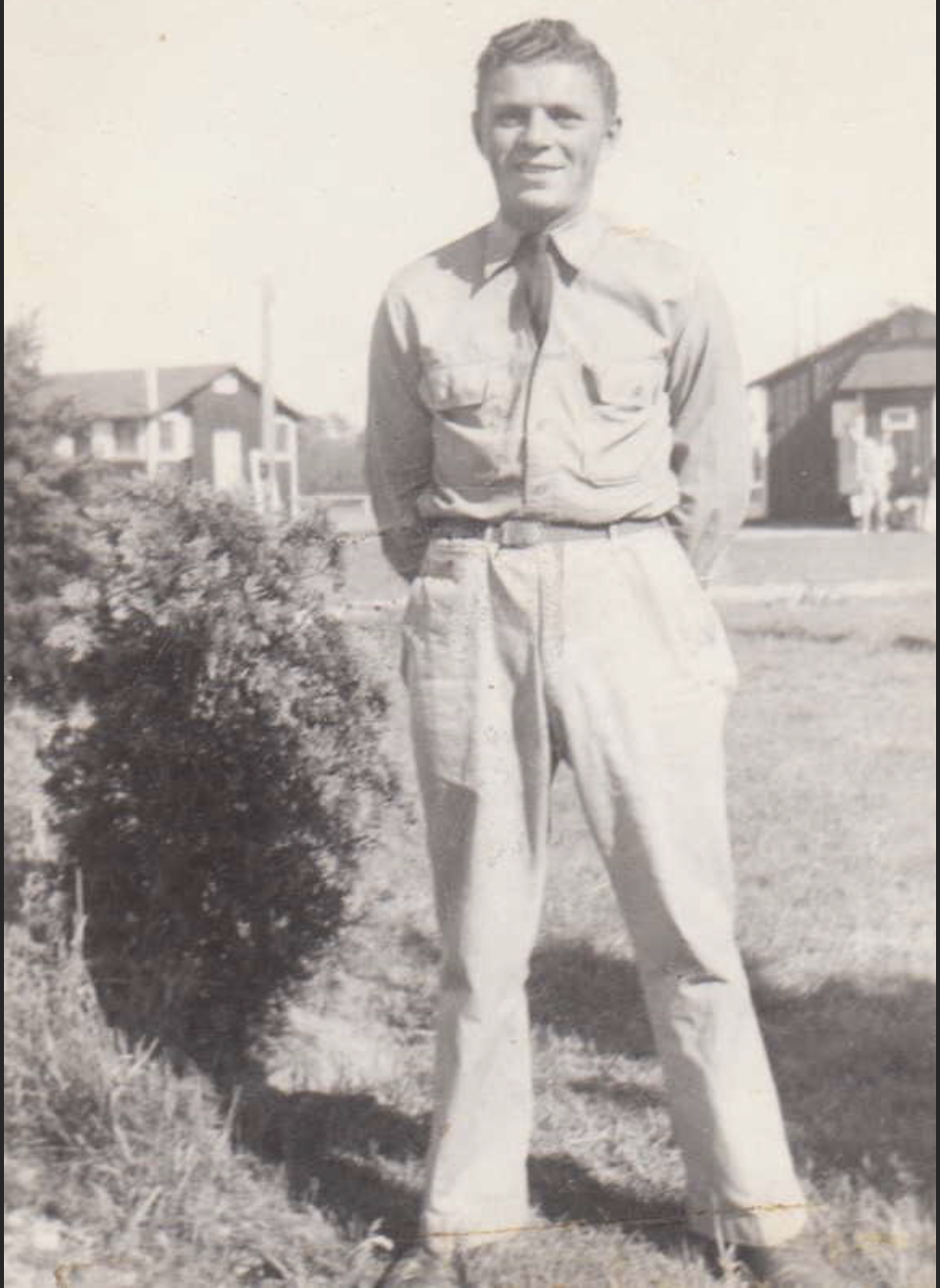
- Unit: Amphibious Tractor Battalion, Company B
- Date of Birth: June 4, 1924
- Entered the Military: July 20, 1942
- Date of Death: November 6, 2010
- Hometown: Bronx, New York
- Place of Death: Midland, Texas
- Award(s): Asiatic-Pacific Campaign with 4 bronze stars
- Cemetery: Section 3, row J, site 113. Texas State Veterans Cemetery, Abilene, Texas
Mentored by Mrs. Heather McCormick, Mr. Kelly Moore, Ms. Judy Garza
Snyder Junior High School, Snyder, Texas
2025/2026
Early Life
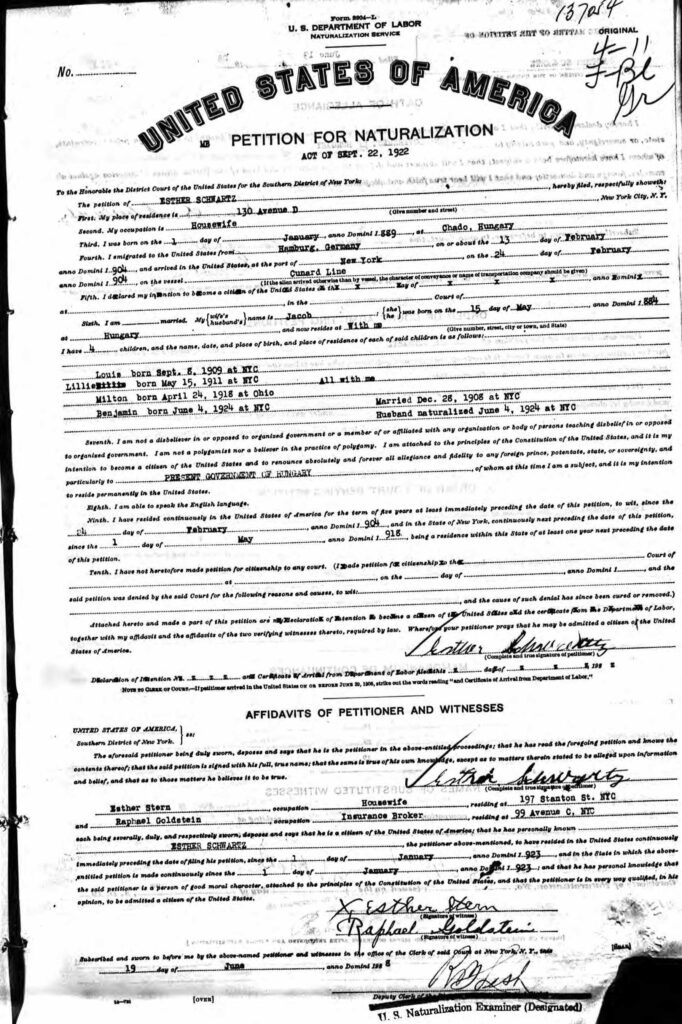
Benjamin Frank Schwartz was born on June 4, 1924, in New York City, New York, to Esther and Jacob Schwartz, both Hungarian immigrants and naturalized U.S. citizens. He grew up in a close-knit family with three siblings—Louis, Lillian, and Milton—in the Bronx, a vibrant, diverse neighborhood that was home to many Jewish immigrant families.
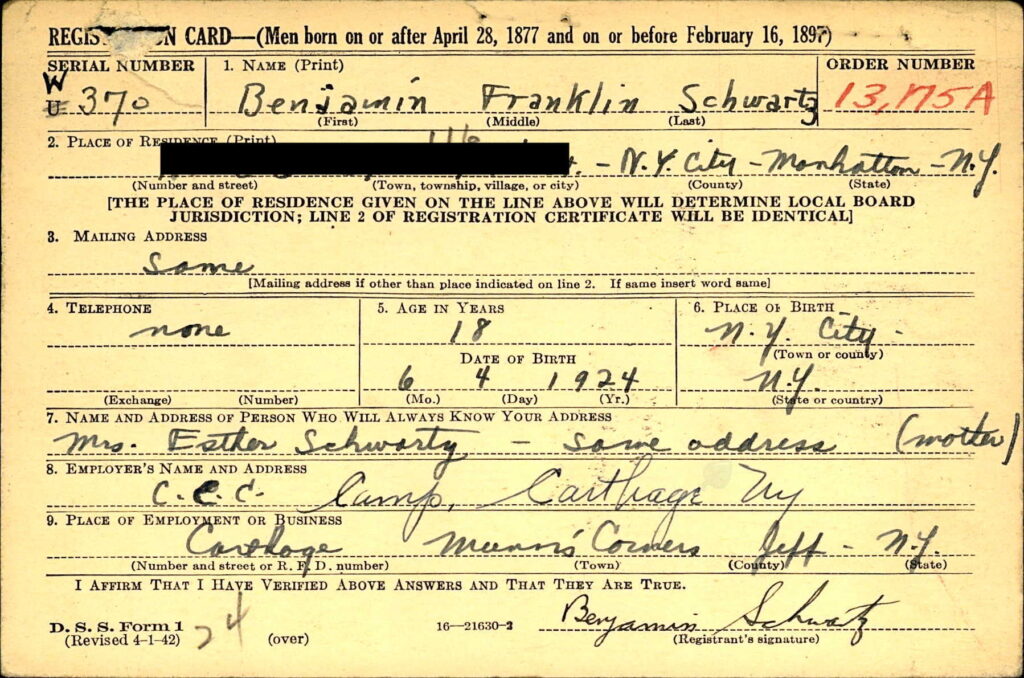
Tragedy struck early in Schwartz’s family: his father, Jacob, passed away on June 29, 1936, when Schwartz was just 12 years old. This loss placed a significant burden on the family. As a teenager, he helped support his mother and sister during the tough years of the Great Depression. According to census records, in 1940, he was a student living at home, but he also worked to help support the family.
He attended New York Latin High School for three years and, by age 18, was working for the Civilian Conservation Corps—a New Deal program that employed young men. He also worked as a mechanic’s helper, assisting in the repair and overhaul of automobile motors, and expressed an interest in continuing his education in aviation mechanics.

Homefront
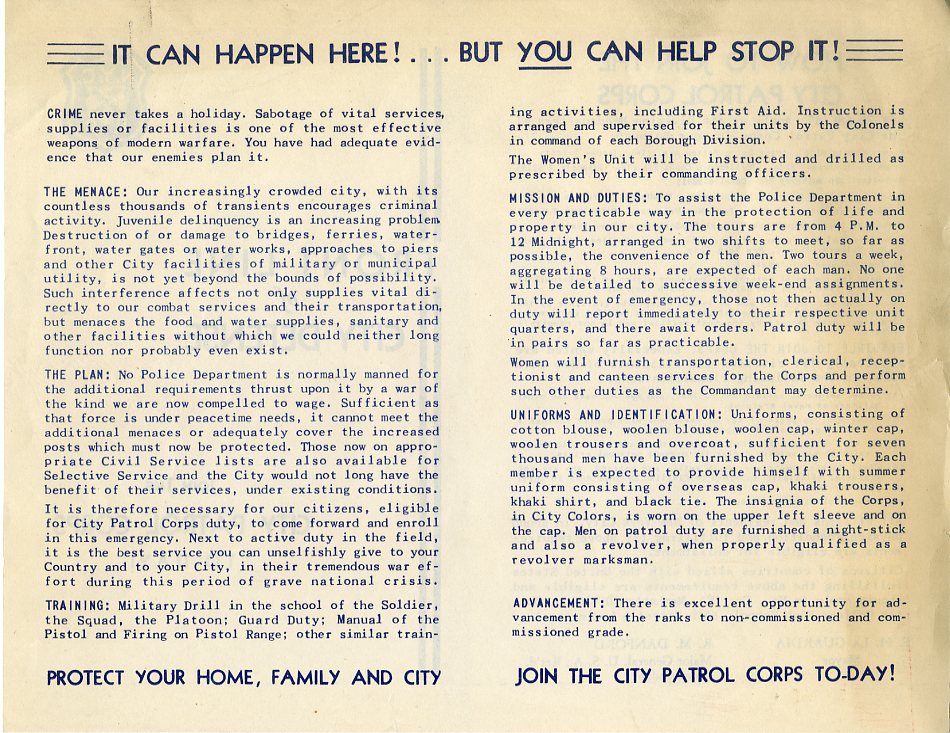
During World War II, the Bronx, New York, was a vibrant urban borough shaped by the war effort. Many residents served in the armed forces, but those who remained contributed in numerous ways. Factories and businesses adapted to produce goods and materials essential for the military, with local facilities supporting everything from uniforms and equipment to munitions. The nearby Brooklyn Navy Yard became famous for shipbuilding and repair, including work on the USS Missouri. New York State ranked second in the nation for aviation manufacturing contracts.
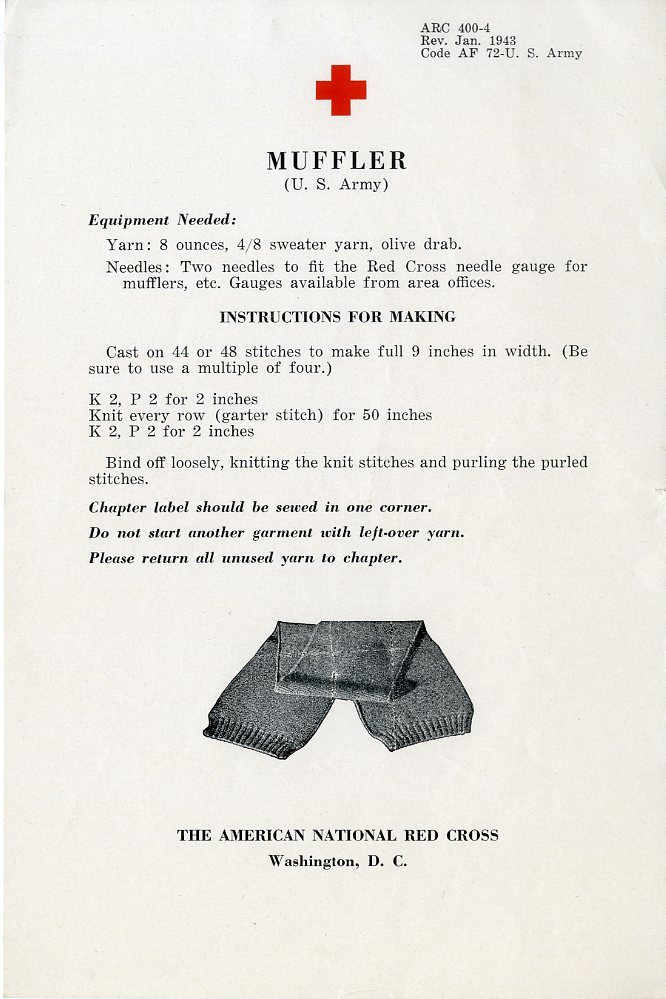
Life on the home front was marked by a sense of community and shared sacrifice. Households participated in rationing programs for food, gasoline, and other commodities, and air-raid drills and blackouts became part of daily life. Residents supported the war through scrap drives, collecting rags, rubber, and wastepaper, and by volunteering for the Red Cross, United Service Organizations (USO), and in war bond drives. One notable effort, “Bundles for Britain,” started in New York City as a knitting circle to provide wool goods to British sailors and rapidly expanded nationwide.
The war also brought significant social changes to the Bronx. As men left for military service, women and minority groups found new job opportunities in the defense industries. By 1943, many women in New York were working in factories, and education systems provided child care to support working mothers. New arrivals came to the city seeking wartime jobs, driving population growth and increasing diversity. Despite this sense of unity, there were also tensions, including labor disputes and discrimination against minorities and immigrants.
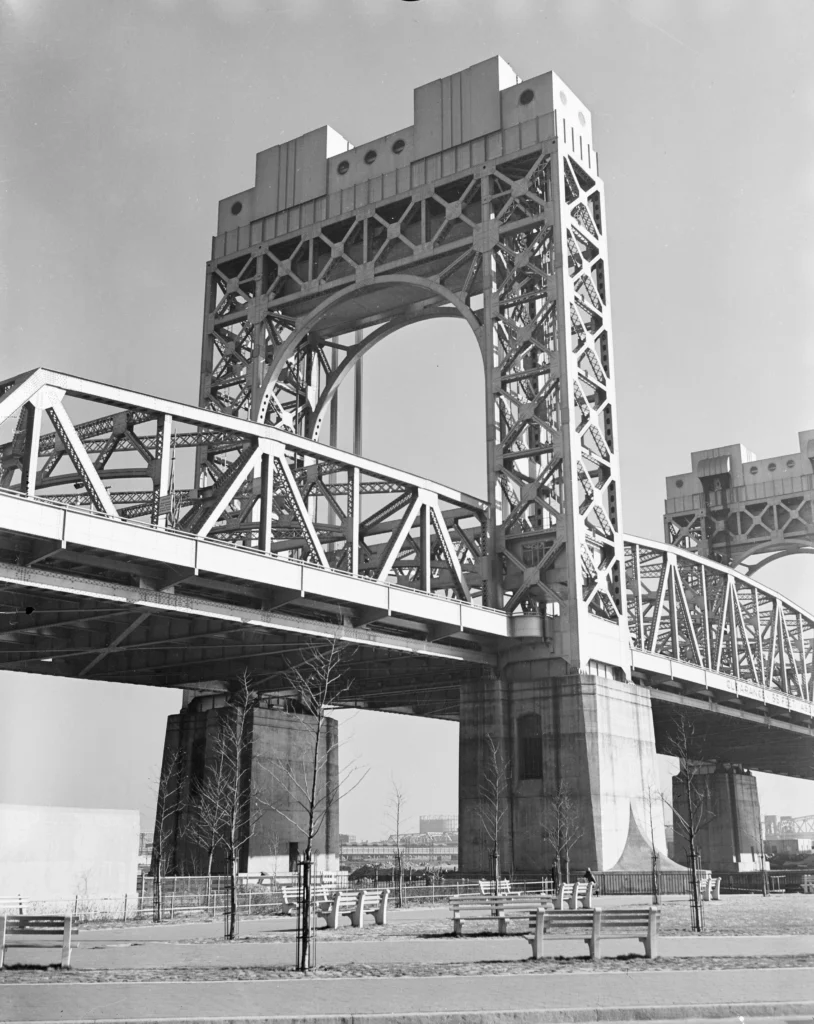
Patriotism was encouraged through widespread war propaganda—posters, radio broadcasts, and community events reminded people to conserve resources, keep war plans secret, and do their part. Major infrastructure projects, funded by Roosevelt’s Works Progress Administration (WPA), improved schools, housing, and transportation, providing jobs for hundreds of thousands of workers and leaving a lasting mark on the city. In all, the Bronx’s home front during World War II was defined by resilience, adaptation, and a collective commitment to victory.
Military Experience
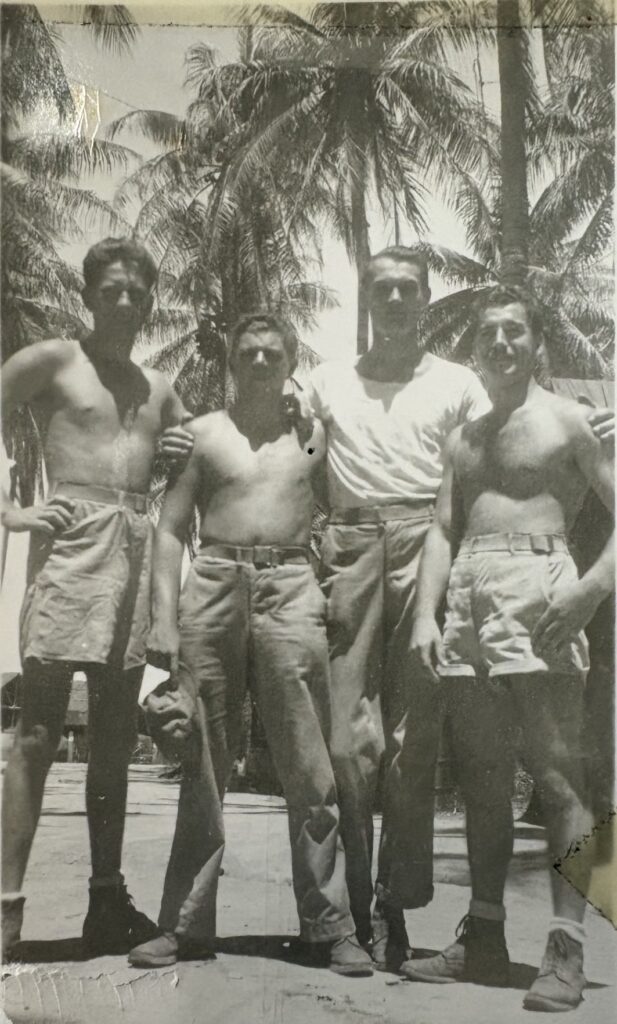
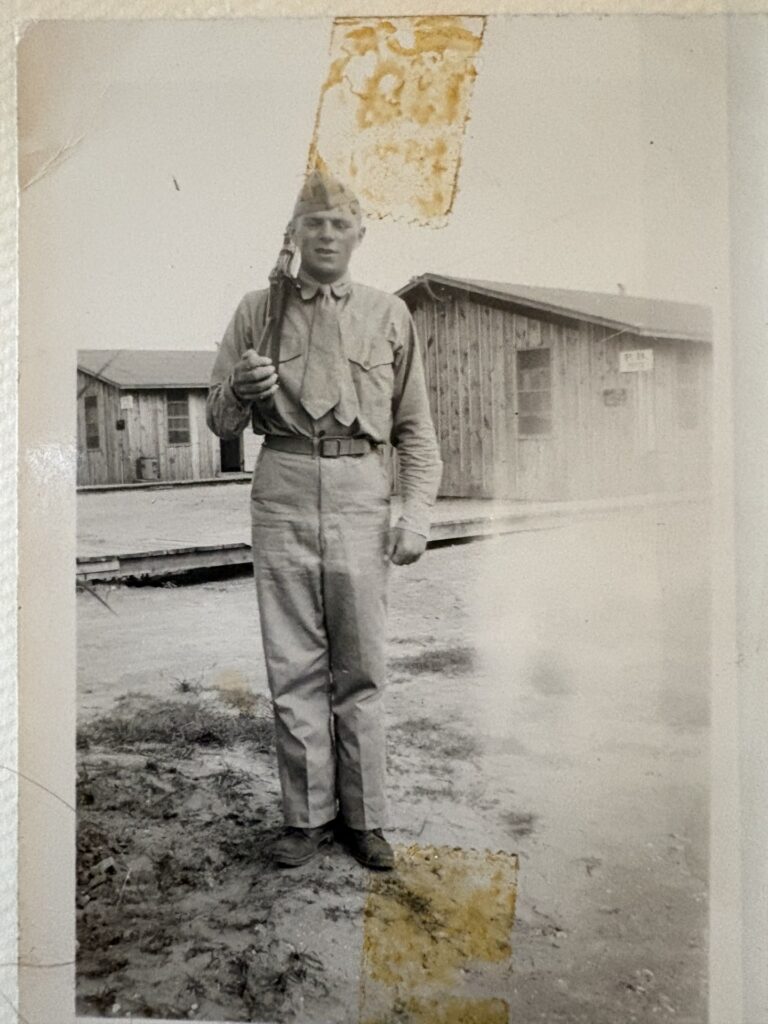
Benjamin Frank Schwartz enlisted in the United States Marine Corps in September 1942 in Syracuse, New York. He was assigned as an Amphibious Tractor Crewman (MOS 987) and also served as a truck driver (MOS 345), both crucial roles for Marine operations in the Pacific Theater during World War II. Schwartz reached the rank of corporal and served with the Fleet Marine Force, Pacific, participating in amphibious operations that defined the Allied island-hopping campaign.
As an Amphibious Tractor Crewman, Schwartz operated and maintained Landing Vehicle Tracked (LVTs), which carried Marines, supplies, and equipment from ship to shore during combat landings. These amphibious tractors were essential for the initial assaults on heavily defended Japanese-held islands, often under intense fire. Schwartz’s battalions were likely involved in major campaigns such as Tarawa, Saipan, Tinian, Guam, Peleliu, Iwo Jima, and Okinawa—battles in which LVT crews played a vital role in the Marine Corps’ successes.
His service earned him the Asiatic-Pacific Campaign Medal with four bronze service stars, signifying participation in four distinct campaigns in the Pacific. He was honorably discharged as a Corporal at Bainbridge, Maryland, on December 13, 1945, after more than three years of wartime service.
Veteran Experience
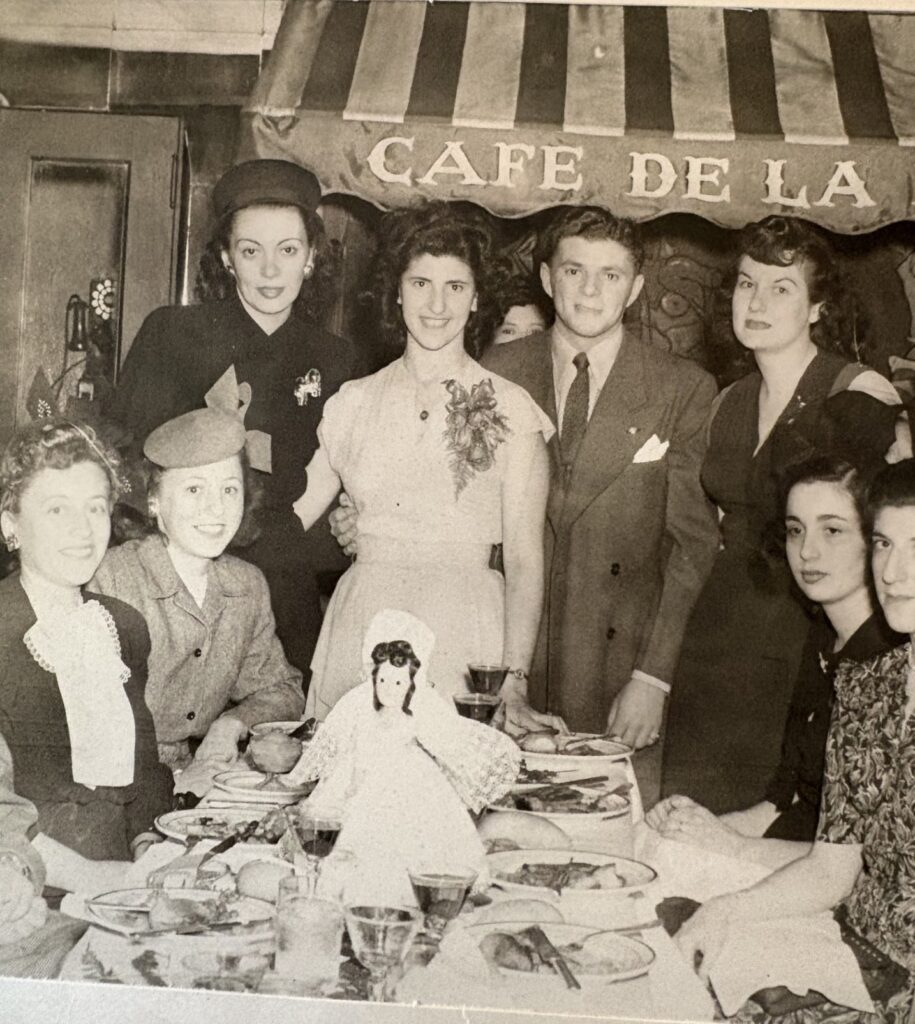
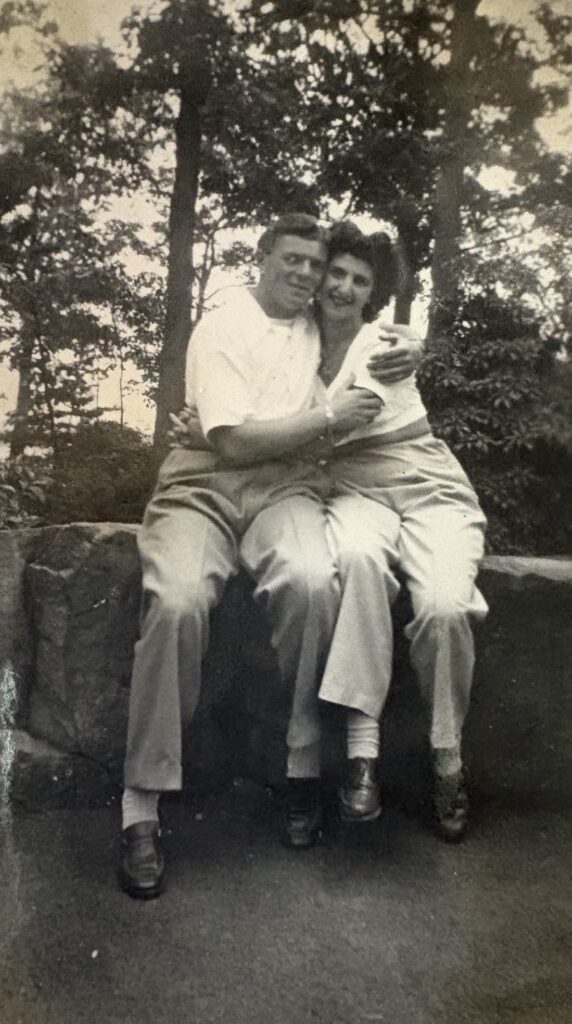
After leaving the Marine Corps in December 1945, Schwartz returned to New York and began building a new life. On January 4, 1947, he married Sylvia Gendler in New York City. The couple first settled in Brooklyn, where they started their family, and Schwartz began working as a city bus driver. They had two sons, Larry and Jeffrey Schwartz.
The Schwartz family later moved to Far Rockaway, Queens, where he continued to support his family through his work. As the years passed and it came time for retirement, the Schwartzs relocated to Phoenix, Arizona, seeking a warmer climate and a new chapter in life. Their son, Larry, and his wife soon followed them.
After Sylvia’s illness and passing in 1987, Schwartz moved to Sun City, Arizona, where he spent several years. Eventually, when his son’s family moved to Midland, Texas, Schwartz chose to move once again to stay close to his loved ones.
In his later years, Schwartz lived in assisted living in Midland as he began to develop Alzheimer’s disease. Wanting to care for him at home, his family built him a house behind theirs so he could be close by.
Commemoration
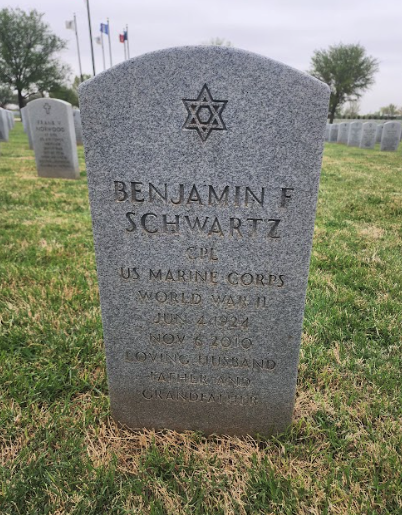
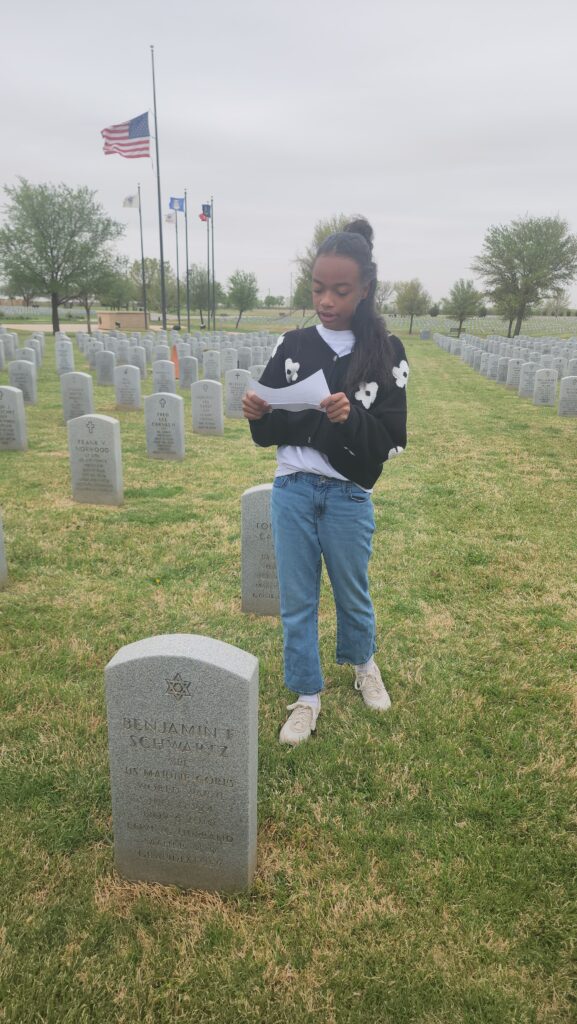
Benjamin Frank Schwartz passed away on November 6, 2010, in Midland, Texas. He was laid to rest with full military honors at the Texas State Veterans Cemetery in Abilene, Texas.
Schwartz’s legacy is deeply cherished by his family. His life story—from his roots in the Bronx to his service in the Pacific Theater and his dedication as a husband and father—remains a source of inspiration. The love and stability he provided his sons, Larry and Jeffrey, and his resilience in the face of life’s challenges stand as an enduring memorial to a quiet hero.
Bibliography
Primary Sources
Benjamin F. Schwartz. New York, New York, U.S. Marriage License Indexes 1907-2018. Digital Images. https://ancestryclassroom.com.
Benjamin Frank Schwartz, Official Military Personnel File, Department of the Navy, National Archives and Records Administration – St. Louis.
Benjamin Frank Schwartz, Report of Separation, Department of the Navy, National Archives and Records Administration – St. Louis.
Benjamin Frank Schwartz. U.S., World War II Draft Registration Cards, 1940-1947. Digital Images. https://ancestryclassroom.com.
Benjamin Schwartz in the Military. Photograph. Ancestry Gallery. https://ancestryclassroom.com.
Benjamin Schwartz. Texas, U.S., School Yearbooks 1900-2016. Digital Images. https://ancestryclassroom.com.
Benjamin Schwartz. U.S., Obituary Collection, 1930-Current. https://ancestryclassroom.com.
Esther Schwartz. U.S., Naturalization Records, 1840-1957. Digital Images. http://ancestryclassroom.com.
New York. Kings County. 1950 U.S. Census. Digital images. http://ancestryclassroom.com
New York. New York County. 1910 U.S. Census. Digital Images. http://ancestryclassroom.com.
New York. New York County. 1920 U.S. Census. Digital Images. http://ancestryclassroom.com.
New York. New York County. 1930 U.S. Census. Digital Images. http://ancestryclassroom.com.
New York. New York County. 1940 U.S. Census. Digital Images. http://ancestryclassroom.com.
Schwartz Family Records. 1940-2010. Courtesy of Larry Schwartz.
Schwartz, Larry. Email interview with the authors. February 18, 2026.
Triborough Bridge, December 1937. Photograph. WPA Federal Writers’ Project Photograph Collection, NYC Municipal Archives. https://www.archives.nyc/blog/2021/5/14/documenting-the-new-deal.
Secondary Sources
“Benjamin Frank Schwartz.” Find a Grave. Accessed December 18, 2025. https://www.findagrave.com/memorial/132616630/benjamin-frank-schwartz.
“Benjamin Frank Schwartz.” Veterans Legacy Memorial, National Cemetery Administration. Accessed May 13, 2026. https://www.vlm.cem.va.gov/BENJAMINFRANKSCHWARTZ/8445d0.
“The Civilian War Effort in New York City During World War I and World War II.” Museum of the City of New York. Accessed December 19, 2025. https://blog.mcny.org/2015/02/03/the-civilian-war-effort-in-new-york-city-during-world-war-i-and-world-war-ii/.
Cobb, Kenneth R. “Documenting the New Deal.” NYC Department of Records & Information Services. May 14, 2021. Accessed November 1, 2025. https://www.archives.nyc/blog/2021/5/14/documenting-the-new-deal.
“Growth and Composition of the Immigrant Population.” In Characteristics of the City’s Foreign-born Population. New York City Department of City Planning, Population Division, 2013. https://www.nyc.gov/assets/planning/download/pdf/data-maps/nyc-population/nny2013/chapter2.pdf.
Ottman, Tod M. “World War II.” New York State Military Museum and Veterans Research Center. Accessed December 20, 2025. https://museum.dmna.ny.gov/unit-history/conflict/world-war-2-1939-1945.
Palmer, Adriana. “What The Bronx looked like in the 1940s through Stunning Historical Photos.” See Old NYC. Accessed November 26, 2025. https://seeoldnyc.com/bronx-1940s/.
“Rosie the Riveter and Benny the Bungler: WWII Propaganda at Work.” The National World War II Museum. Last Modified May 16, 2020. Accessed November 1, 2025. https://www.nationalww2museum.org/war/articles/wwii-propaganda.
This profile was funded by a grant from the United States Department of Veterans Affairs. The opinions, findings, and conclusions stated herein are those of the author and do not necessarily reflect those of the United States Department of Veterans Affairs.