
Corporal Charles Eugene Marco
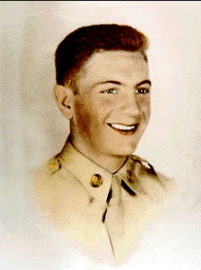
- Unit: B Company, 3rd Engineer Combat Battalion, 24th Infantry Division
- Service Number: 15408929
- Date of Birth: January 3, 1931
- Date of Death: August 2, 1950
- Hometown: Womelsdorf, West Virginia
- Place of Death: Naktong River, near the village of Hyusan-ri, Korea
- Award(s): Bronze Star, Purple Heart, Korean Service Medal, National Defense Service Medal, Republic of Korea Presidential Unit Citation, Republic of Korea War Service Medal, United Nations Service Medal
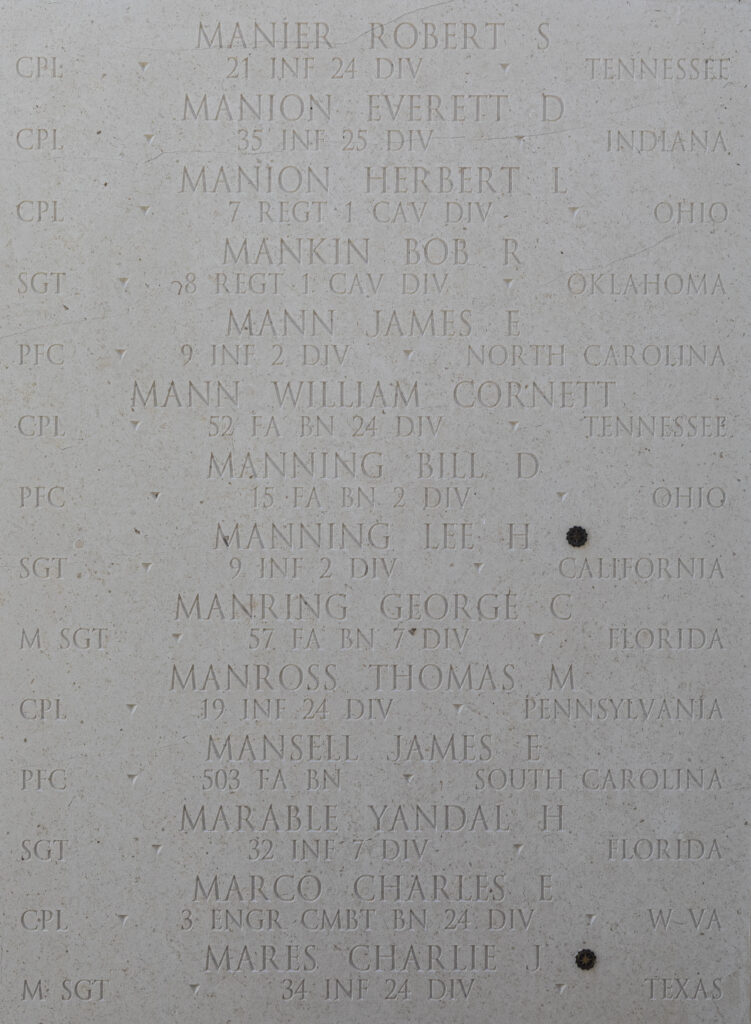
- Cemetery: Court Six, Courts of the Missing. Honolulu Memorial, National Memorial Cemetery of the Pacific, Honolulu, Hawaiʻi
Beverly Elementary, Beverly, West Virginia
2025/2026
Early Life
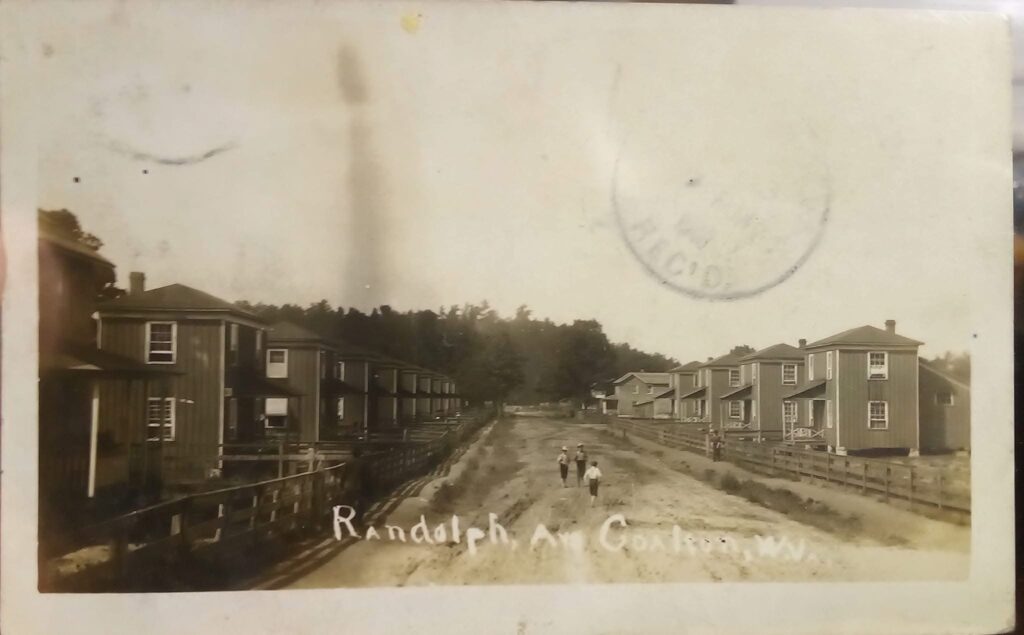
Charles Eugene Marco, known as Eugene to family and friends, was born in Womelsdorf, West Virginia, on January 3, 1931. His family home was on Randolph Avenue, one of the many row houses rented by the mine workers. His father, Francis “French,” worked for the local mine in various capacities. His mother, Eula Lee (Shaver), worked at home. Marco was the second-oldest of 11 children and a second-generation United States citizen. His paternal grandfather immigrated from Italy and became a naturalized citizen. The family name changed from Marcuri to Marco. His other three grandparents came from local agricultural backgrounds.
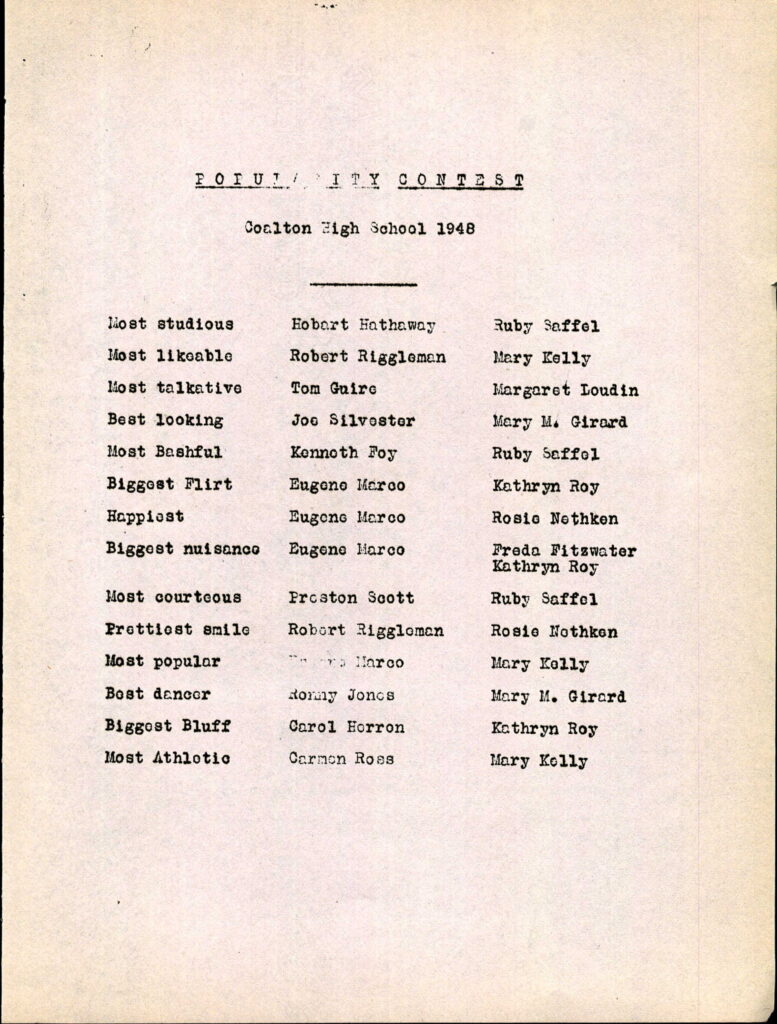
According to the Coalton High School yearbook, Marco was athletic and outgoing. He served on the student council and participated in boys’ basketball. His classmates voted him “biggest flirt,” “happiest,” “biggest nuisance,” and “most popular.”
It is unknown if Charles graduated from high school. His nephew noted that he enlisted “early,” or before the age of 18.

Homefront
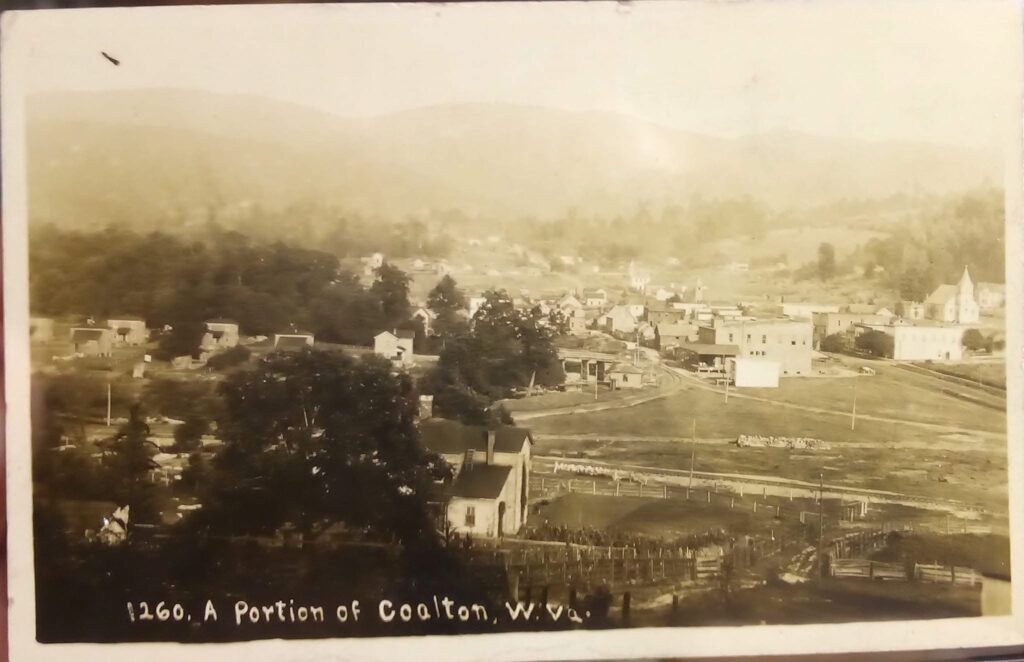
Coalton was a rural coal-mining town, strategically located along the railroad line leading to Elkins in Randolph County, West Virginia. The town and local mine reached their peak around 1916. Production and population slumped drastically around 1928. The Elkins train depot stopped providing passenger services, and freight services began to decline.
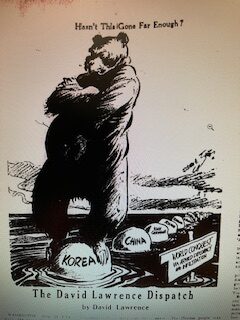
After the Second World War, Randolph County was in an economic decline. Timber and coal production for wartime efforts were no longer necessary, so production rates decreased along with the workforce. Coalton continued mining at a reduced production rate until March 4, 1950, when the mine’s operations were placed at “full production.” Just one month prior, the union men held a walkout in solidarity with the Pennsylvania union workers’ strike. Though the mine wars of West Virginia had passed, a lingering anti-union and anti-socialist sentiment persisted during the McCarthy-era Red Scare.
In the months leading up to the start of the Korean War, Randolph County faced a harsh winter, spring flooding, and widespread poverty. Most of the area’s resources were devoted to providing for families in need. The local National Guard unit provided much-needed relief to families isolated by treacherous mountain roads and flooding. Local churches began running full-page advertisements for services and community activities focused on building a strong moral foundation through regular youth involvement and attendance.
It is worth noting that local military enlistment advertisements focused on a “good, steady” job rather than patriotism. The local newspaper not only reported on the National Guard’s regular movements, wages, and finances, but it also highlighted local citizens who served in the military. West Virginia contributed 112,000 men and women to the Korean War.
Military Experience
Charles Eugene Marco enlisted in the U.S. Army prior to his eighteenth birthday. He was assigned to a combat engineer unit with a pioneer classification. Engineer training would have included demolitions, fortifications, and repairs to roadways and bridges.
In July of 1950, the 3rd Engineer Battalion was sent to join the 24th Infantry Division and increase its personnel to a “wartime” level. Marco and the 3rd Engineer Battalion arrived in Korea via Pusan, then traveled via rail toward Suwon. They were among the first wave of American soldiers deployed to Korea at the beginning of the war. Marco was part of Company B.
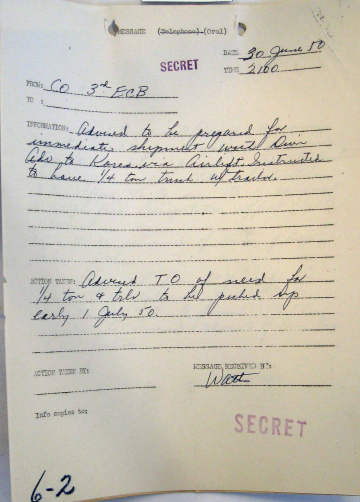
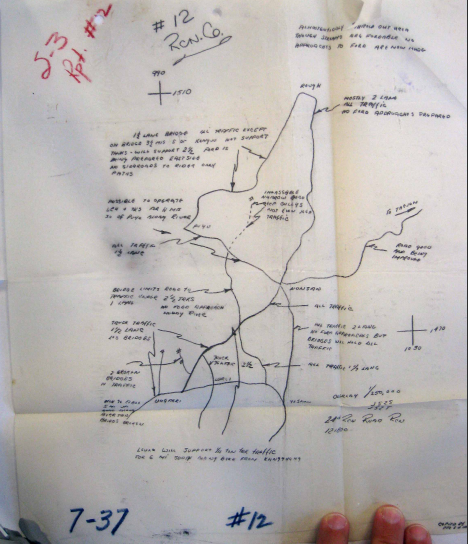
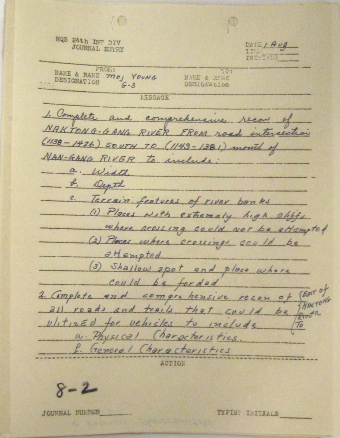
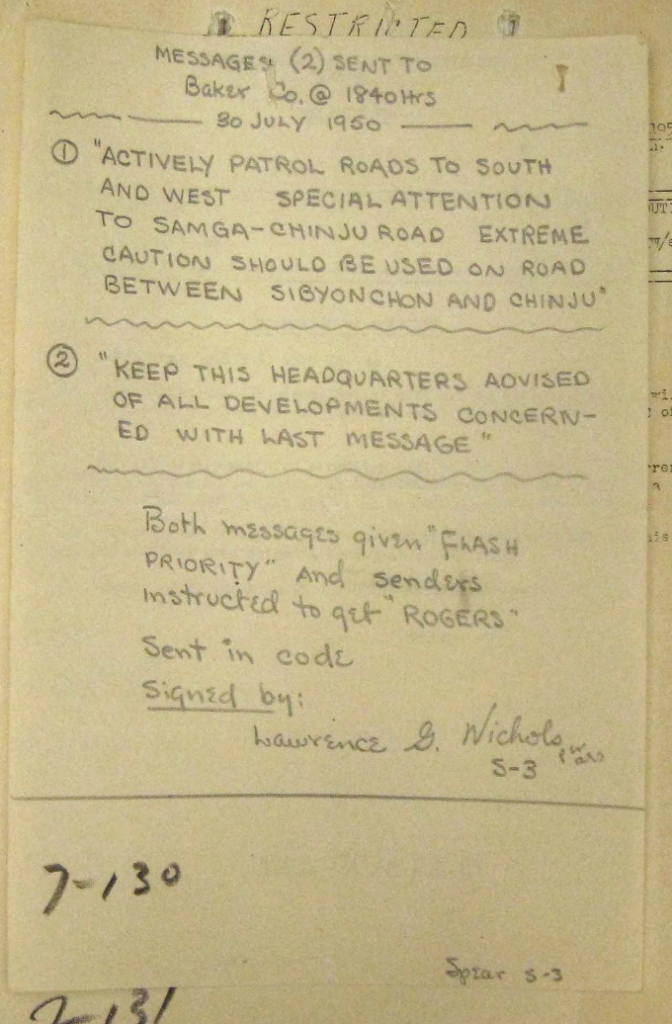
After the Battle of Taejon, Company B was sent to reinforce the 21st Infantry Regiment according to an Engineer Journal for the 24th Infantry Division. On July 29, they were recalled to rejoin division command and head directly to Samga. On July 30, Company B was patrolling the Samga-Chinju road. During a check-in at Hyopchon, a list of critical equipment and supply shortages was relayed. Company B was given the command to lay a new telephone line or connect to a commercial line as they made their way to Samga. Orders to set demolitions at multiple crossings on the Naktong River were sent on July 31. These demolitions helped establish the Pusan Perimeter.
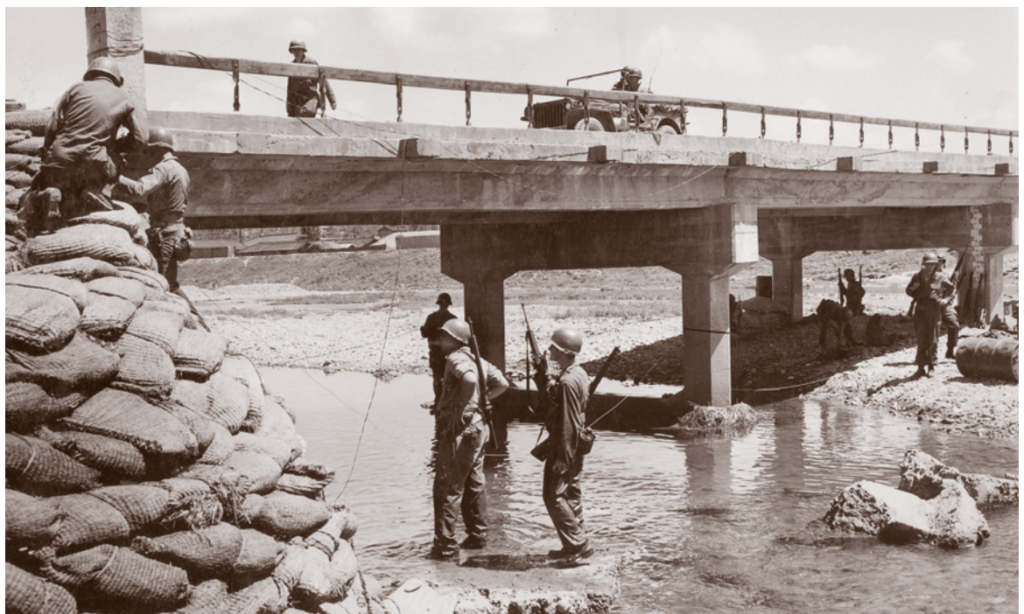
On August 2, 1950, the 3rd Engineers were supporting the withdrawal of the 34th Infantry Regiment across the Naktong River. Marco was sent to set demolitions at a bridge crossing near Hyusan-ri. He was last seen in a boat that capsized during the retreat.
Commemoration
Corporal Charles Eugene Marco was reported missing in action on August 2, 1950. He was declared deceased in 1953. His remains have not yet been recovered, but the family has provided genetic samples in hopes of future identification.
Corporal Marco and others in his division gave the ultimate sacrifice while securing a perimeter surrounding Pusan. This action gave South Korean and allied forces time to regroup, resupply, and deploy counter-offensive measures to push the North Korean forces back to the 38th parallel.
Corporal Marco was awarded the Bronze Star, Purple Heart, Korean Service Medal, United Nations Service Medal, National Defense Service Medal, Korean Presidential Unit Citation, and the Republic of Korea War Service Medal.
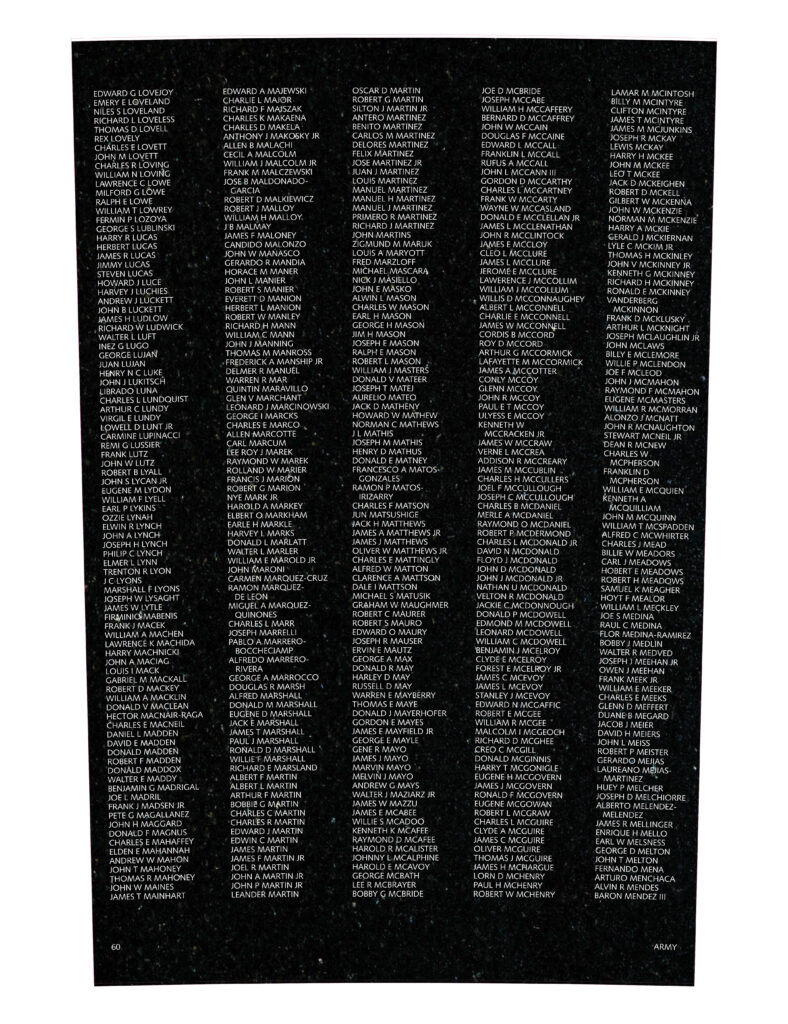
He is memorialized in the Courts of the Missing, Court Six of the Honolulu Memorial at the National Memorial Cemetery of the Pacific in Honolulu, Hawai’i. Corporal Marco is also cited on the National Korean War Monument in Washington, D.C.
Bibliography
Primary Sources
“24th Infantry Division Records – Korean War.” Korean War Project. Accessed January 29, 2026. https://www.koreanwar2.org/kwp2/jpac/24thid_engjnl_25juneto22jul1950.pdf.
Domenico Marcuri. West Virginia, U.S., Federal Naturalization Records, 1844-1943. Digital Images. https://ancestry.com.
Francis Marco. West Virginia, U.S., Federal Naturalization Records, 1844-1943. Digital Images. https://ancestry.com.
Marco, Jerry A. Telephone interview with author. October 31, 2025.
The Mountaineer. Coalton High School, 1947.
The Mountaineer. Coalton High School, 1948.
West Virginia. Randolph County. 1930 U.S. Census. Digital Images. https://ancestry.com.
West Virginia. Randolph County. 1940 U.S. Census. Digital Images. https://ancestry.com.
West Virginia. Webster County. 1900 U.S. Census. Digital Images. https://ancestry.com.
The Intermountain. Elkins, WV. 1950. WVU Libraries: WV and Regional History Center newspapers on microfilm.
Secondary Sources
Barry W. Fowle and John Lonnques, Eds. Remembering the “Forgotten War”: U.S. Army Engineer Officers in Korea. Office of History, Headquarters, U.S. Army Corps of Engineers, July 2004. https://www.publications.usace.army.mil/Portals/76/Publications/EngineerPamphlets/EP_870-1-66.pdf.
Blair, Clay. The Forgotten War: America in Korea 1950-1953. Anchor Books, 1989.
“Charles Eugene Marco.” American Battle Monuments Commission. Accessed October 15, 2025. https://weremember.abmc.gov/s?q=*&criteria=title%3Dmarco~cemetery%3DHonolulu%20Memorial&type=16&v=G.
“Charles Eugene Marco.” Defense Personnel POW/MIA Accounting Agency. Accessed October 15, 2025. https://dpaa-mil.sites.crmforce.mil/dpaaProfile?id=a0Jt000000kPXubEAG.
“Charles Eugene Marco.” Veterans Legacy Memorial, National Cemetery Administration. Accessed March 19, 2026. https://www.vlm.cem.va.gov/CharlesEugeneMarco/1B4F6.
“Coal Industry.” e-WV: The West Virginia Encyclopedia Online. Accessed November 11, 2025. https://wvencyclopedia.org/entries/1301.
“Coalton, West Virginia.” Elkins-Randolph County Tourism. Accessed November 11, 2025. https://elkinsrandolphwv.com/place/coalton-west-virginia/.
Coalton, West Virginia Postcards. Unknown date. Courtesy of Corey Markley.
“Corp. Charles Eugene Marco.” Find a Grave. Updated October 16, 2013. Accessed October 15, 2025. https://www.findagrave.com/memorial/118839021/charles-eugene-marco.
“Cpl Charles Eugene Marco.” Find a Grave. Accessed October 15, 2025. https://www.findagrave.com/memorial/184384028/charles-eugene-marco.
Fehrenbach, T.R. This Kind of War. Potomac Books, 2008.
This profile was researched and created through the Researching Silent Heroes program, sponsored by the American Battle Monuments Commission.