

Staff Sergeant Clifford Henry Mast
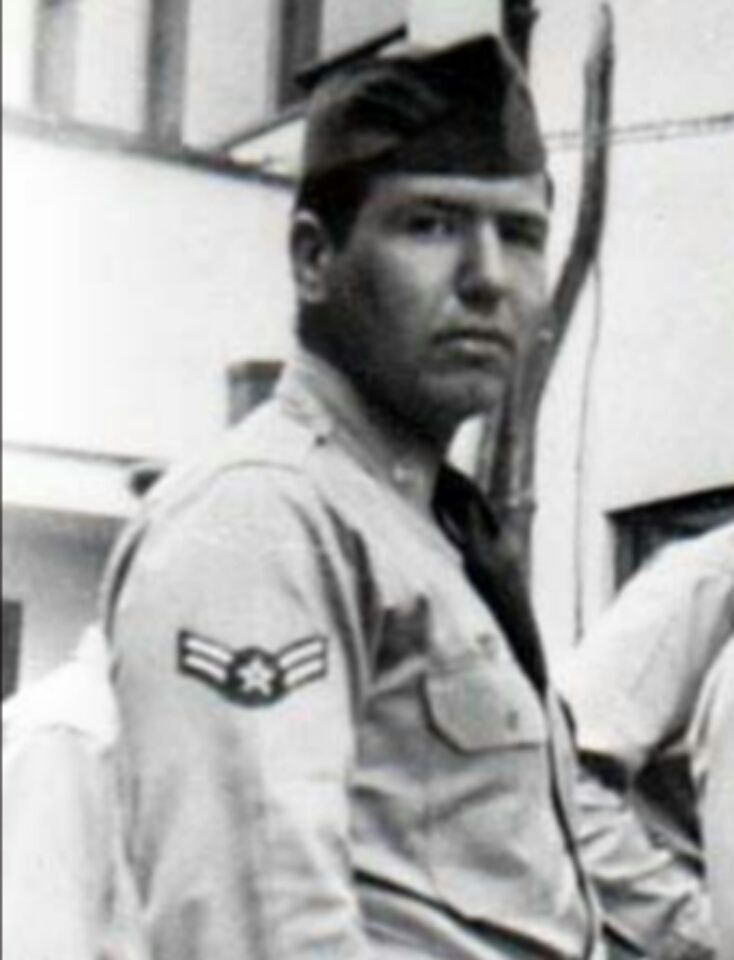
- Unit: 91st Strategic Reconnaissance Squadron
- Service Number: 3872171 (Navy), AF19417343 (Air Force)
- Date of Birth: April 25, 1927
- Entered the Military: September 25, 1944
- Date of Death: July 4, 1952
- Hometown: Spokane, Washington
- Place of Death: Over the Sea of Japan
- Award(s): Air Medal, Purple Heart, Korean Service Medal, National Defense Service Medal, Republic of Korea Presidential Unit Citation, Republic of Korea War Service Medal, United Nations Service Medal
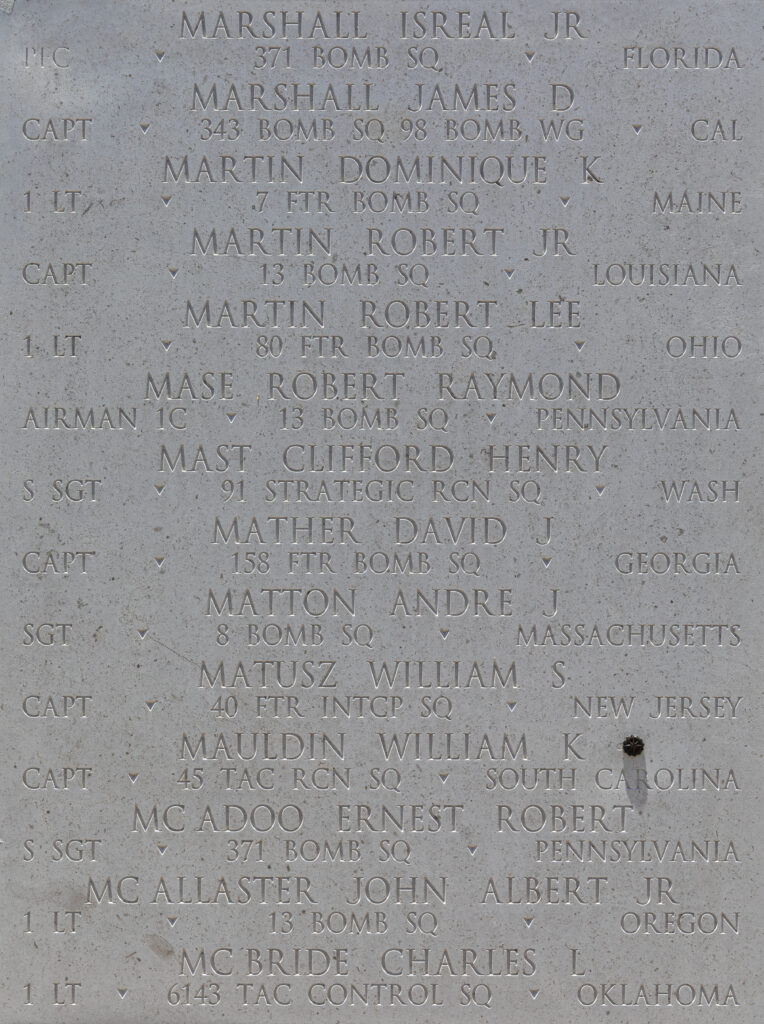
- Cemetery: Court Eight, Courts of the Missing, Honolulu Memorial, National Memorial Cemetery of the Pacific, Honolulu, Hawaiʻi. Memorial marker at Riverside Memorial Park, Spokane, Washington
Chief Umtuch Middle School, Battle Ground, Washington
2025/2026
Early Life
Clifford Henry Mast, known as Cliff to his friends and family, was born on April 25, 1927, in Spokane, Washington. His parents, Washington “Bill” Asa Mast and Ida Mary (Clifford) Mast, met and married when Washington was a U.S. Army soldier stationed in England during World War I. Ida arrived at Ellis Island on her emigration journey to the United States via the Navy Transfer ship SS Mobile on April 23, 1919. After briefly living with Washington’s family in Dawson, Montana, they relocated to Spokane, Washington, before the birth of their only child, Clifford.
In Spokane, Mast opened up his own automotive garage where he worked as a mechanic and manager, and Ida tended the home. Clifford was baptized at the All Saints Episcopalian Church in Spokane, Washington, on August 21, 1927.
School
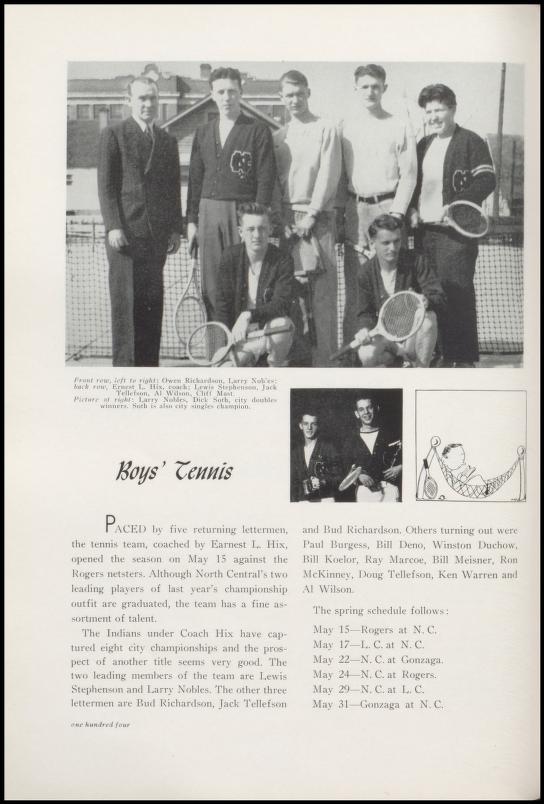
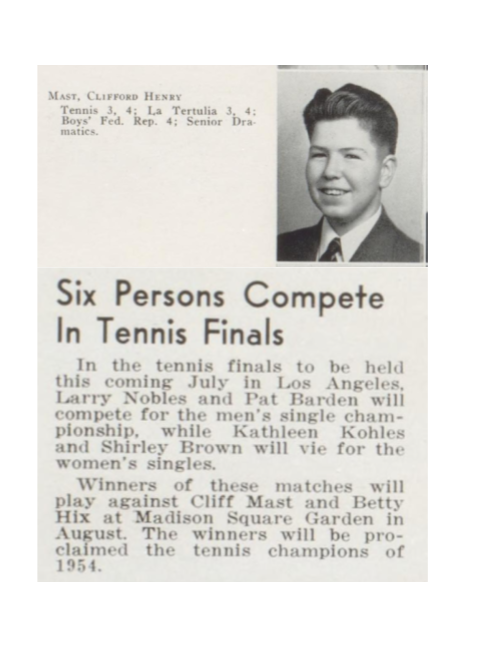
Clifford was active in school clubs, sports, and other activities. He attended Spokane North Central High School and is listed in the yearbooks as a member of the Traffic and Grounds Squad, the Fire Squad, the Spanish “La Tertulia” Club, the Boys’ Federal Republic Club, and the Senior Dramatics Club, where he performed in a one-act comedy, “Romeo and Juliet.”
He was also an accomplished athlete, playing on the tennis team each year during high school. In his senior year, Clifford represented the Spokane North Central High School men’s singles in a match played at Madison Square Garden in New York City for the 1954 tennis championship.

Homefront
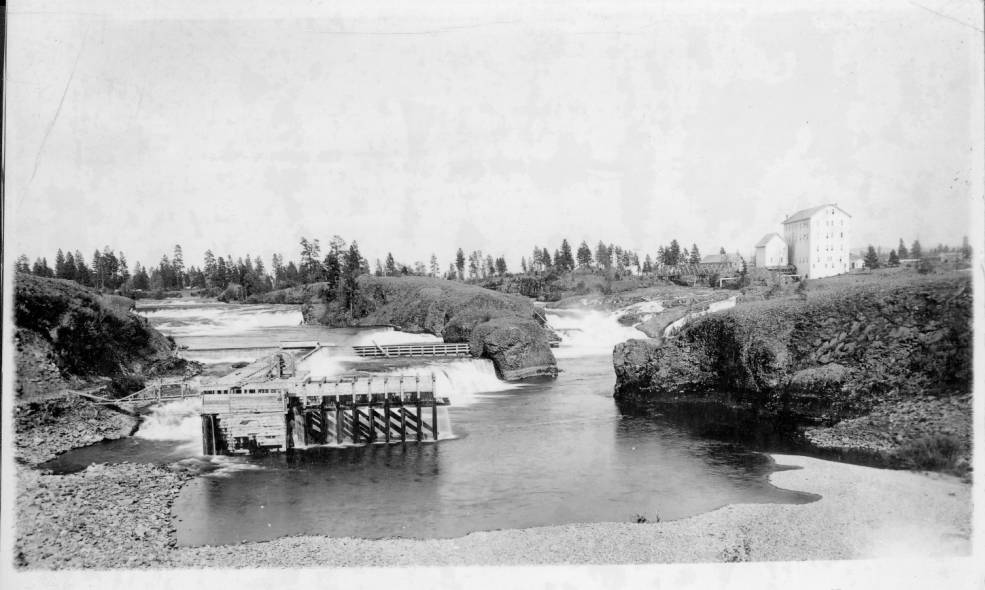
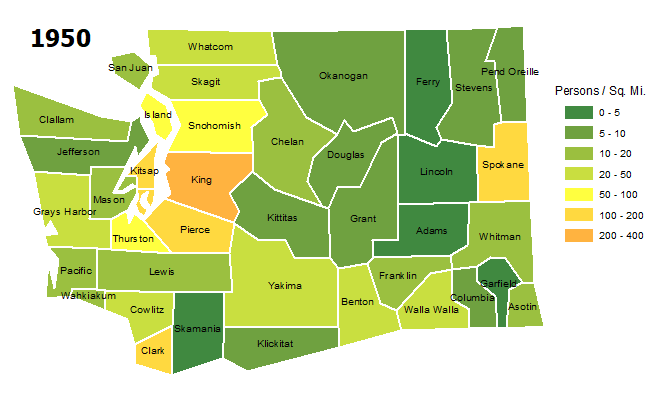
Spokane, Washington, is located in the northeast corner of Washington State, near the Idaho border. Spokane was built around the Spokane River, which runs through the center of town, and powered lumber and grain mills. The agricultural and timber industries were at the core of Spokane’s economy from its founding through the 1940s.
When the transcontinental railroad was built through Spokane in the late 1800s, it led to a population boom. Spokane County continues to have the highest population in eastern Washington state. During Mast’s time living in Spokane in the 1940s and 1950s, the county ranked third among Washington state’s 39 counties in population, with 221,561 residents counted in the 1950 census.
Military Connections to Spokane
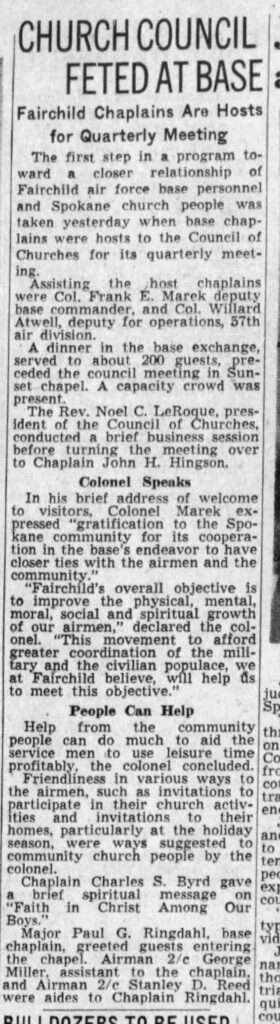
In 1942, the Spokane Army Air Depot was established on the outskirts of the city. This depot was later renamed Fairchild Air Force Base. Fairchild was connected to and supported the Naval and Army bases on the western side of Washington State during World War II and the Korean War by training pilots and crews to fly the Boeing airplanes manufactured in Seattle, Washington. B-29 Bombardment Wings trained in Spokane and deployed to carry out critical bombing raids. Spokane civilians had close ties to the Fairchild Air Force personnel.
Military Experience
U.S. Navy
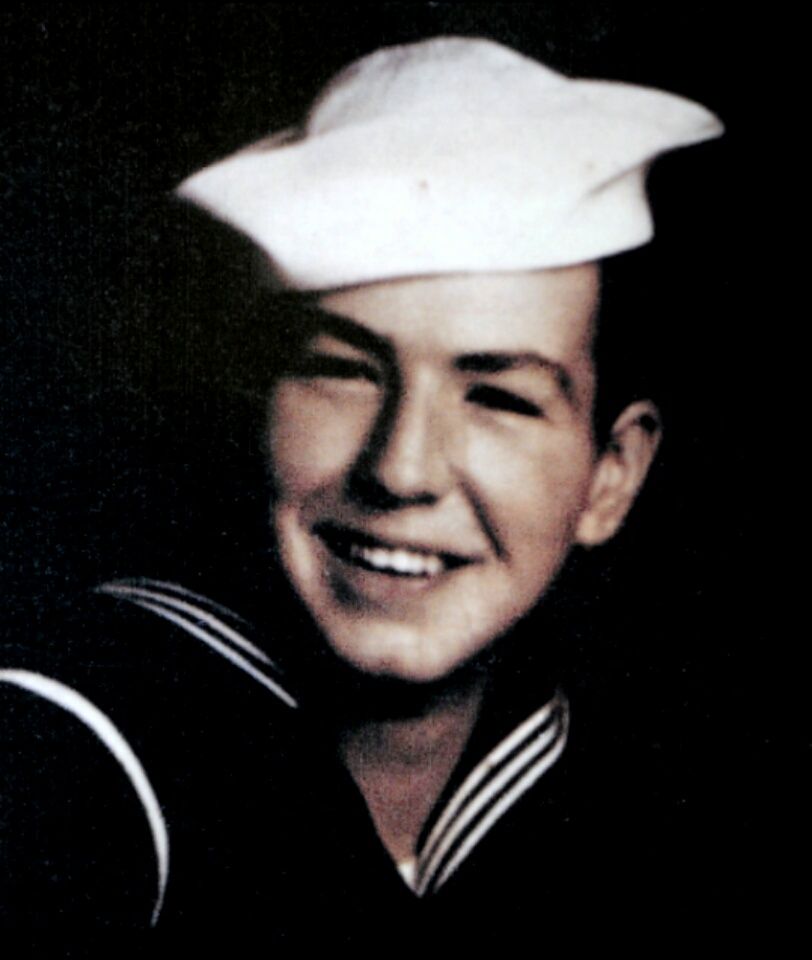
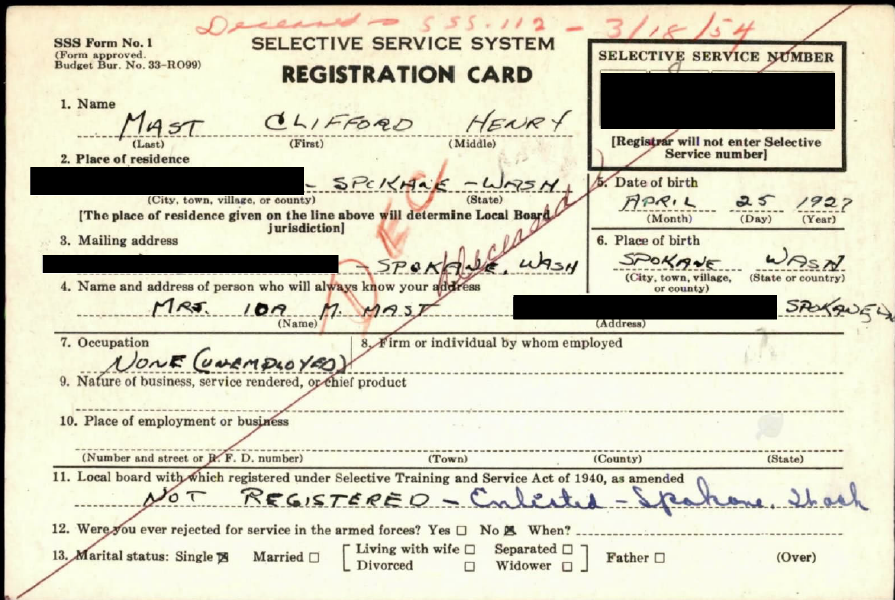
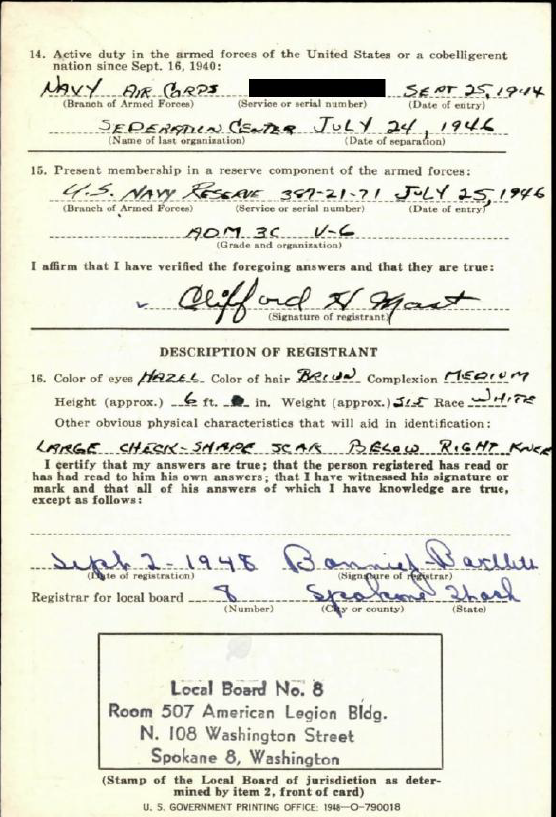
Mast enlisted and served in the U.S. Navy from 1944 to 1946. The Navy honorably discharged him on July 24, 1946, having served as a Navy Gunner and an Aviation Carpenter’s Mate 3rd Class. He was inactive in the Navy Reserves from then until November 1950, and then listed as active until July 1951.
Civilian Life
After leaving the Navy, Mast spent time working as a truck driver for Pleasant View Auto Freight, a salesman for Washington Barber & Beauty Supply, and an engineer’s helper for Morrison-Knudsen Construction.
U.S. Air Force
On October 8, 1951, Mast decided to reenlist in the military, this time, with the U.S. Air Force. He was assigned to Fairchild Air Force Base, where he took part in a 60-day refresher course for the Aerial Gunner/Turret System Mechanic specialty.
Transfer Overseas to Japan
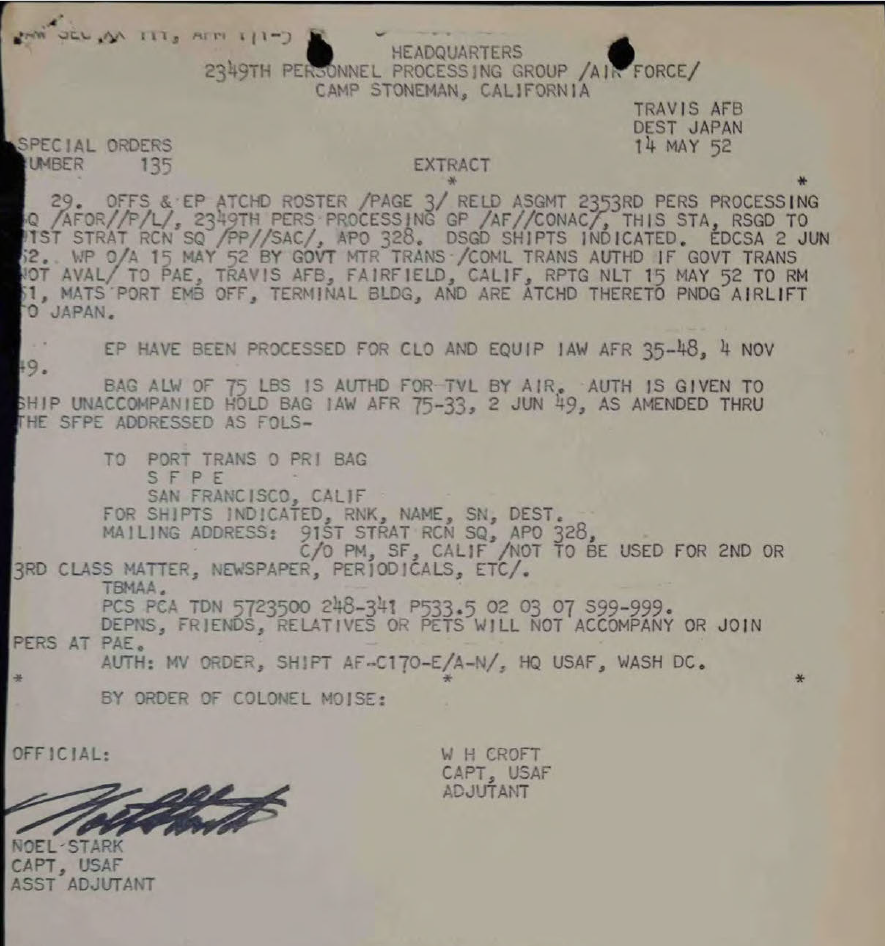
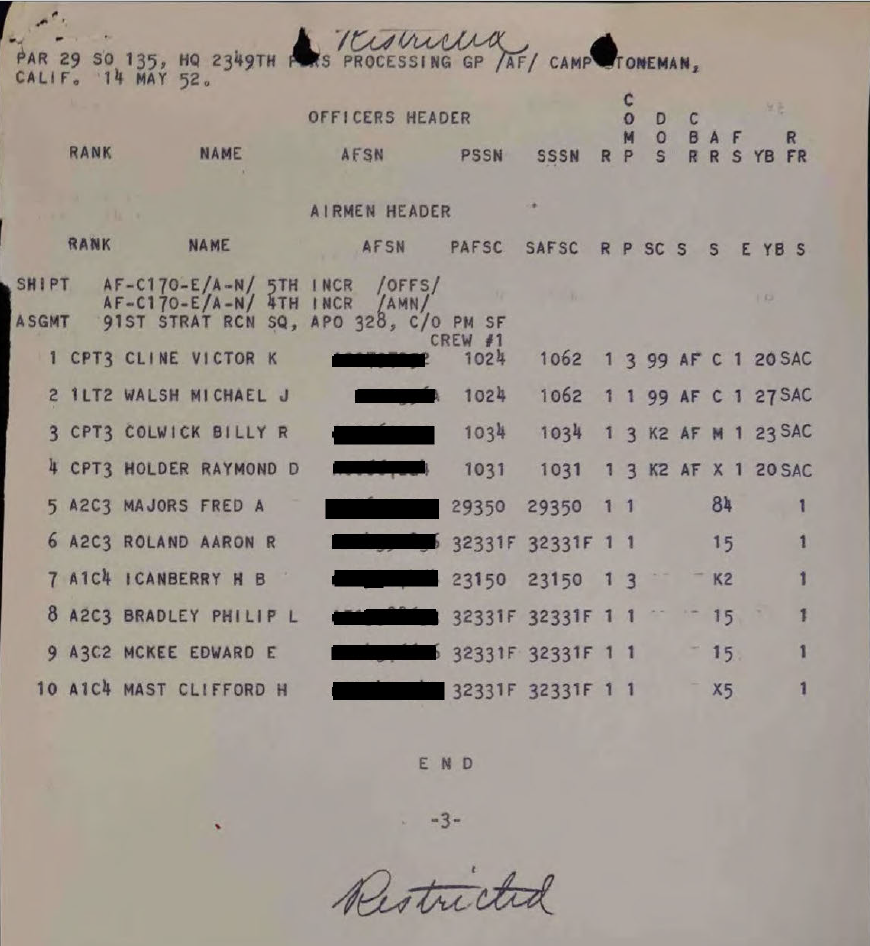
On May 3, 1952, Mast was notified that he was selected for an overseas assignment. By May 18, Mast arrived at Travis Air Force Base in California, awaiting transport to Japan. Special Orders No. 135 listed Airman First Class Clifford H. Mast as one of the ten members of a crew reassigned to the 91st Strategic Reconnaissance Squadron, stationed in Japan. This reassignment included orders authorizing access to classified materials requiring a TOP SECRET security clearance.
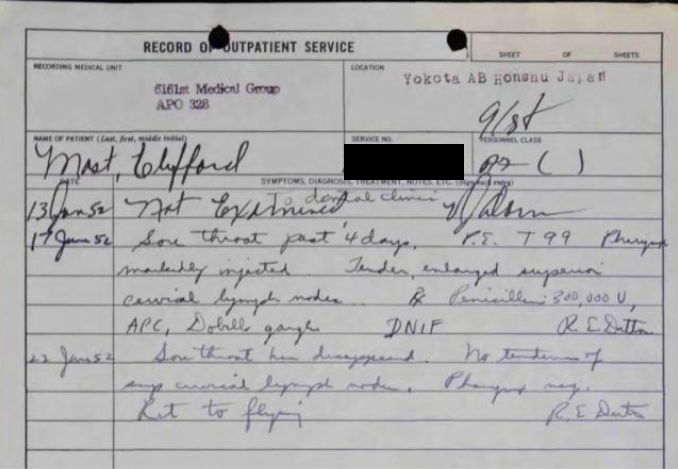
On May 20, 1952, Mast arrived in Japan. He was temporarily physically disqualified from flying and line of duty on June 17, 1952, and was diagnosed as having a “markedly infected” pharynx, sore throat, and swollen glands. He was cleared to return to duty on June 22, 1952, after completing a course of penicillin.
UN & U.S. Military Campaigns in Korea (May and June 1952)
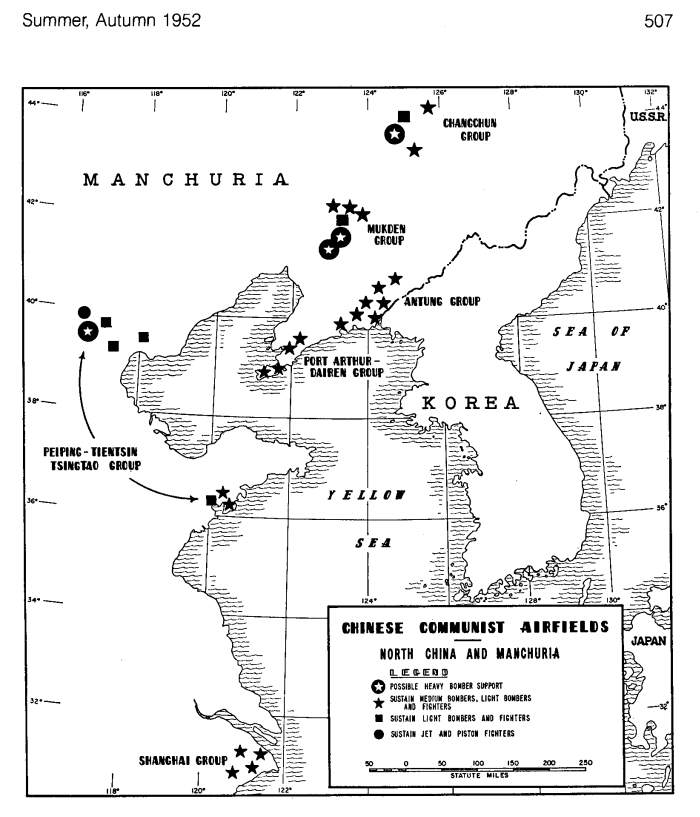
In May 1952, the United Nations (UN) sought to create a neutral nations’ armistice surveillance commission to monitor a recent ceasefire agreement and initiate a prisoner exchange to repatriate 12,000 service members who were believed to be held by the Communists. By June, the UN command hoped that if they could maintain and increase pressure on the Communist forces, the Chinese might agree to reasonable truce terms. During this same time, the Communist powers recognized that air power was key to victory in North Korea. They feared that the UN Command might extend air attacks to other Far East target areas, so the Communist Powers began to hurriedly build airstrips around the periphery of Korea. These factors drew United States Air Force Squadrons to the region to observe the construction of airstrips and the maneuvers of the Chinese Communist Air Force.
Combat Mission
Less than two weeks later, on July 3, 1952, Staff Sergeant Mast was a crew member on an RB-29A Reconnaissance Superfortress with the 91st Strategic Reconnaissance Squadron. The bomber departed from Yokota Air Base, Honshu, Japan, at 7:58 p.m. to perform a night combat reconnaissance mission over North Korea.
They were ordered to fly over the Sea of Japan, into South Korea, and then across the border into North Korea to take photographs. It can be assumed that they were to record the locations of existing air strips and those under construction, as well as the number and models of aircraft possessed by the Communist Air Force, in support of the campaign’s larger goals.
The scheduled route was over the Sea of Japan to Kansong, South Korea, about 50 miles south of the combat lines. From Kansong, the bomber was to proceed north into enemy territory. The last radio message from the B-29 was received at 8:03 p.m. and was tracked until it reached the coast of Japan. After this point, Korean radars recorded no trace of the B-29, and radio check points in Korea received no communications from the crew.
On the morning of July 4, 1952, an organized aerial and surface search of the water areas, airfields, and emergency landing strips was made to locate the B-29. Later in the day, unidentified floating debris was sighted by search aircraft. Surface vessels thoroughly covered the scene and reported that the debris was not aircraft wreckage. The search continued for four days and covered all water areas in which the B-29 might have crashed. It failed to reveal any trace of the crew or the aircraft. The next day, the next of kin of the crew were notified of their status as Missing in Action.
Commemoration
On July 4, 1952, while on a photo reconnaissance mission over Sinanju, North Korea, or possibly China, Clifford Mast’s aircraft was shot down by a MiG enemy aircraft. On July 5, 1952, his parents received separate telegrams notifying them that he was officially listed as Missing in Action. On October 23, 1952, Clifford H. Mast was officially promoted to the rank of staff sergeant from airman first class.
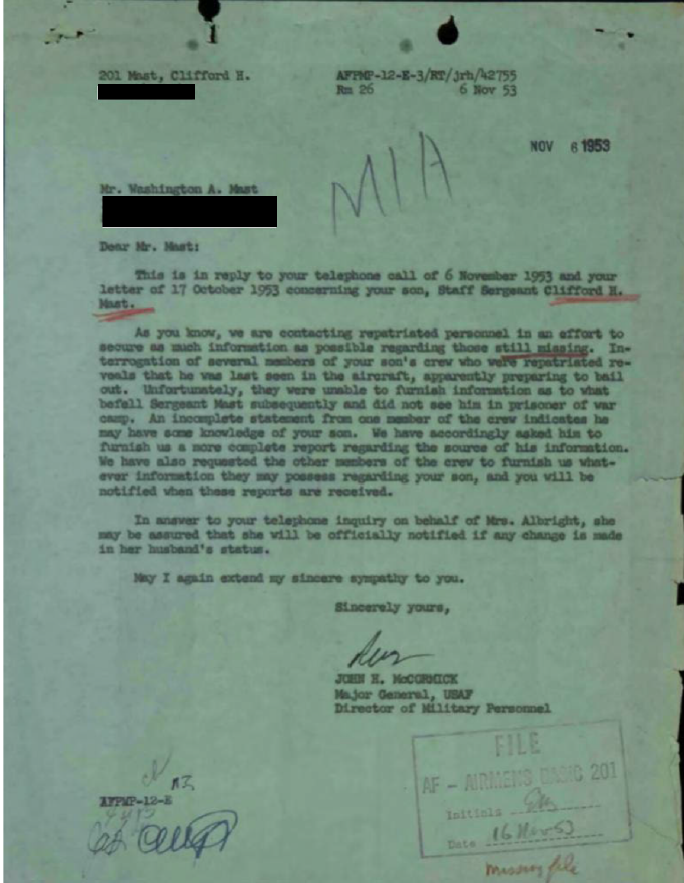
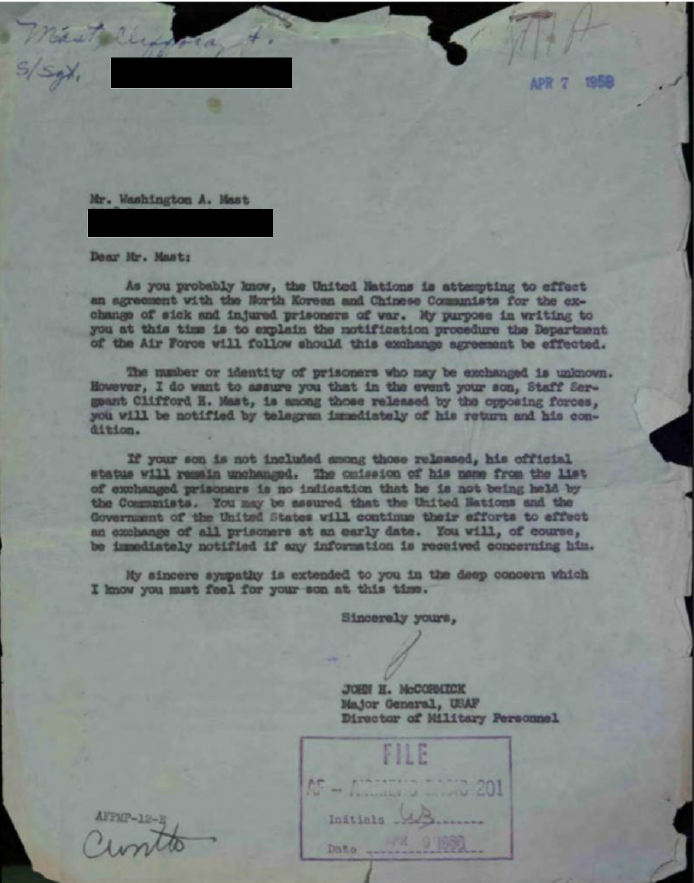
Clifford Henry Mast was officially declared presumed dead on February 28, 1954. Major General John McCormick sent letters to his parents, Ida and Washington Mast, stating that it was determined that Sergeant Mast was reclassified from Missing in Action to Killed in Action, stating:
. . . after the cessation of the Korean hostilities and upon the receipt of statements from the 11 surviving members of Mast’s B-29 who were repatriated (with SSgt Clifford Mast being the only crew member unaccounted for) the returnees [statements] reveal that your son was last seen by them in the aircraft, apparently preparing to bail out. They are unable to furnish information as to what befell him after that time. An incomplete statement from one crew member indicated that he may have had further knowledge of Sergeant Mast, but, regrettably, upon interrogation it was disclosed that they had nothing to add to his report which would assist in establishing the exact fate of your son. Though his name was included on the list presented to the Communists for an accounting, no report concerning him has been forthcoming from them or from any official or unofficial source which would establish his ultimate fate.
For the rest of his life, Staff Sergeant Clifford H. Mast’s father, Washington Mast, continued to press for any new information regarding Clifford’s status, calling and sending telegrams and letters to the U.S. Air Force begging for any updates or hope for new information about his only son. He always received a response from the U.S. Air Force Office of Personnel stating that there was no new intelligence regarding his location or status. Washington wrote his last letter on February 14, 1970, requesting, “Please advise what efforts have been taken and future search.” Washington Mast passed away on December 28, 1972, and his son’s remains were never recovered.
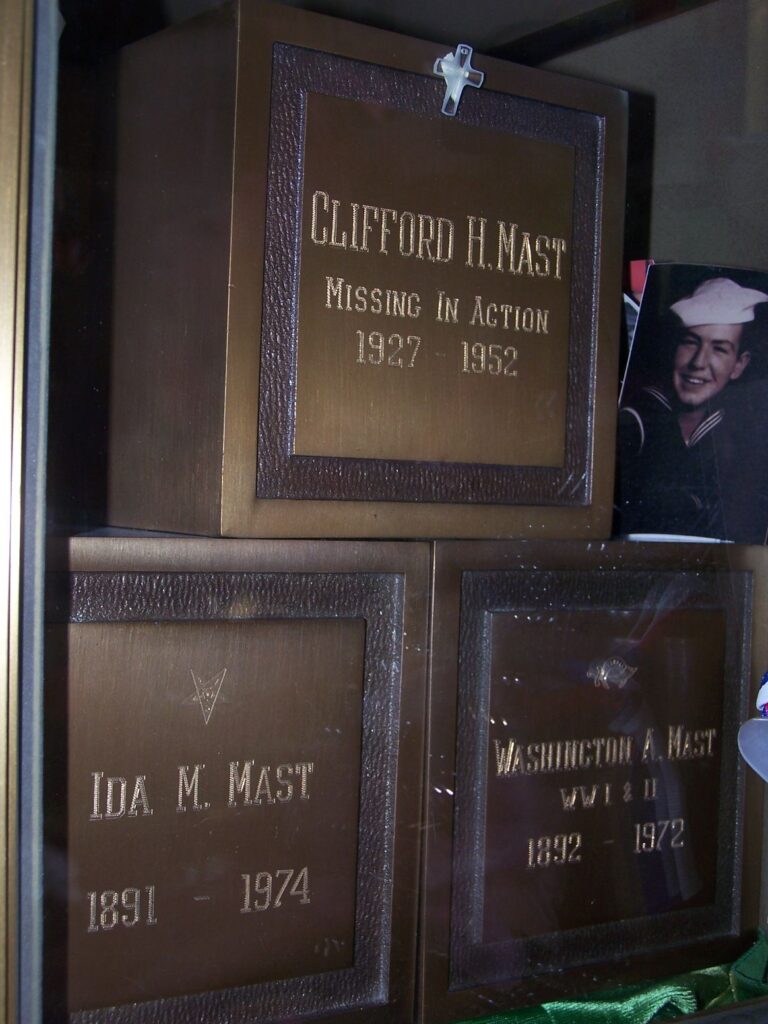
Staff Sergeant Clifford Henry Mast’s name is inscribed on the Courts of the Missing at the Honolulu Memorial and is memorialized at the Korean War Veterans Memorial in Washington, D.C. He also has a memorial marker at Riverside Memorial in Spokane, Washington, alongside his parents, Washington Asa Mast and Ida Clifford Mast.
Bibliography
Primary Sources
“Church Council Feted At Base.” The Spokesman-Review [Spokane, Washington], December 1, 1952. Newspapers.com (569578537).
Clifford Henry Mast, Official Military Personnel File, Department of the Air Force, National Archives and Records Administration – St. Louis.
Clifford Henry Mast. U.S., World War II Navy Muster Rolls, 1938-1949. Digital Images. https://ancestry.com.
Clifford Henry Mast. U.S., Korean War Draft Cards, 1948-1959. Digital Images. https://ancestry.com.
Clifford Henry Mast. Washington, U.S., Episcopal Diocese of Spokane Church Records, 1870-1970. Digital Images. https://ancestry.com.
Echo Roller Mill. Photograph. c.1885. Teakle Collection, Spokane Public Library. https://www.historicspokane.org/wp-content/uploads/2016/08/Spokane__Flour_Mills_-1.jpg.

Ida M. Clifford and Washington A. Mast. England & Wales, Civil Registration Marriage Index, 1916-2005. Digital Images. https://ancestry.com.
Ida M. Mast. New York, U.S., Arriving Passenger and Crew Lists, 1820-1957. Digital Images. https://ancestry.com.
Montana. Musselshell County. 1920 U.S. Census. Digital Images. https://ancestry.com.
The Tamarack. North Central High School: 1942. Spokane Public Library. https://spokanelibrary.org/yearbooks/north-central/1942/.
The Tamarack. North Central High School: 1943. Spokane Public Library. https://spokanelibrary.org/yearbooks/north-central/1943/.
The Tamarack. North Central High School: 1944. Spokane Public Library. https://spokanelibrary.org/yearbooks/north-central/1944/.
“Stratofortresses To Make Practice Runs Over Sidney.” The Sidney Herald [Sydney, Montana], October 28, 1959. https://www.loc.gov/resource/sn83004278/1959-10-28/ed-1/.
Washington. Spokane County. 1930 U.S. Census. Digital Images. https://ancestry.com.
Washington. Spokane County. 1940 U.S. Census. Digital Images. https://ancestry.com.
Washington. Spokane County. 1950 U.S. Census. Digital Images. https://ancestry.com.
“Washington A. Mast.” Spokane Chronicle [Spokane, Washington], December 27, 1972. Newspapers.com (578009562).
Secondary Sources
“The 1880s: Early Settlement & Pioneer Life.” Spokane City/County Historic Preservation Office. Accessed November 9, 2025. https://www.historicspokane.org/riverfront-park-history-1880.
“The 1940s: The End of An Era.” Spokane City/County Historic Preservation Office. Accessed November 9, 2025. https://www.historicspokane.org/riverfront-park-history-1940.
“The 1950s: Decline of the Railroad.” Spokane City/County Historic Preservation Office. Accessed November 9, 2025. https://www.historicspokane.org/riverfront-park-history-1950.
“Clifford Henry Mast.” American Battle Monuments Commission. Accessed October 11, 2025. https://weremember.abmc.gov/s?q=mast&type=16&v=G.
“Clifford Henry Mast.” Veterans Legacy Memorial, National Cemetery Administration. Accessed February 22, 2026. https://www.vlm.cem.va.gov/CliffordHenryMast/2123D.
“Cultivating Washington: The History of Our State’s Food, Land, and People.” OER Commons, Open Education Resources. Accessed November 9, 2025. https://oercommons.s3.amazonaws.com/media/courseware/relatedresource/file/1950_ActivtySheetPacket_FINAL_cnLODK2.pdf.
“Decennial Populations for State, County, and City/Town: 1890 to 2000.” Washington State Office of Financial Management. Accessed May 10, 2010. https://ofm.wa.gov/data-research/population-demographics/estimates/archive/.
“Fairchild Airfield Base: A Brief History.” Fairchild Air Force Base. Accessed November 9, 2025. https://www.fairchild.af.mil/Information/Fact-Sheets/Display/Article/238991/fairchild-air-force-base-a-brief-history/.
Futrell, Robert F. The United States Air Force In Korea 1950-1953. Office of Air Force History: 1983. https://media.defense.gov/2010/Dec/02/2001329903/-1/-1/0/usaf_in_korea-2.pdf.
Grandstaff, Mark R. Foundation of the Force: Air Force Enlisted Personnel Policy 1907-1956. Air Force History Museums Program: 1997. https://apps.dtic.mil/sti/tr/pdf/ADA433214.pdf.
Denfeld, Duane Colt. “Korean War Era in Washington.” History Link. Updated August 16, 2016. Accessed November 9, 2025. https://www.historylink.org/File/11103.
“Korean War memorial dedicated in downtown Spokane on Sunday anniversary of U.S. involvement.” The Spokesman-Review [Spokane, WA], June 27, 2021. https://www.spokesman.com/stories/2021/jun/27/korean-war-memorial-dedicated-in-downtown-spokane-/.
Map of Washington state population density, 1950. Map. State of Washington Office of Financial Management. https://www.historylink.org/Content/Media/Photos/Small/Map_1950_population.jpg.
Ravenstein, Charles A. Air Force Combat Wings: Lineage and Honors Histories 1947-1977. Office of Air Force History: 1984. https://media.defense.gov/2010/Sep/21/2001330257/-1/-1/0/combat_wings.pdf.
“Spokane Valley woman fighting her battle decades after war: Woman hopes to solve the mystery of what happened to her cousin in Korea.” The Spokesman-Review [Spokane, Washington], October 2, 2011. https://www.spokesman.com/stories/2011/oct/02/fighting-her-battle-decades-after-a-war/.
“Ssgt. Clifford Henry ‘Cliff’ Mast. Honolulu Memorial.” Find a Grave. Accessed October 12, 2025. https://www.findagrave.com/memorial/115497471/clifford-henry-mast.
“Ssgt. Clifford Henry ‘Cliff’ Mast.” Find a Grave. Updated August 14, 2013. Accessed October 12, 2025. https://www.findagrave.com/memorial/118793627/clifford-henry-mast.
“Ssgt. Clifford Henry ‘Cliff’ Mast.” Find a Grave. Updated May 20, 2019. Accessed October 12, 2025. https://www.findagrave.com/memorial/199295679/clifford-henry-mast.
“Staff Sgt. Clifford Henry Mast.” Defense Personnel POW/MIA Accounting Agency. Accessed October 12, 2025. https://dpaa-mil.sites.crmforce.mil/dpaaProfile?id=a0Jt000000HsDYqEAN.
This profile was researched and created through the Researching Silent Heroes program, sponsored by the American Battle Monuments Commission.