
Captain Edward William “Bill” Knebel
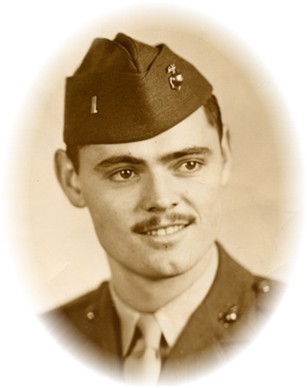
- Unit: 6th Marine Division, 4th Marines Regiment, 3rd Battalion
- Date of Birth: August 26, 1922
- Entered the Military: September 13, 1944
- Date of Death: October 25, 2012
- Hometown: Glendive, Montana
- Place of Death: Billings, Montana
- Award(s): Purple Heart, Asiatic-Pacific Campaign Ribbon, American Theater Ribbon, World War II Victory Medal, Japanese Occupation Ribbon
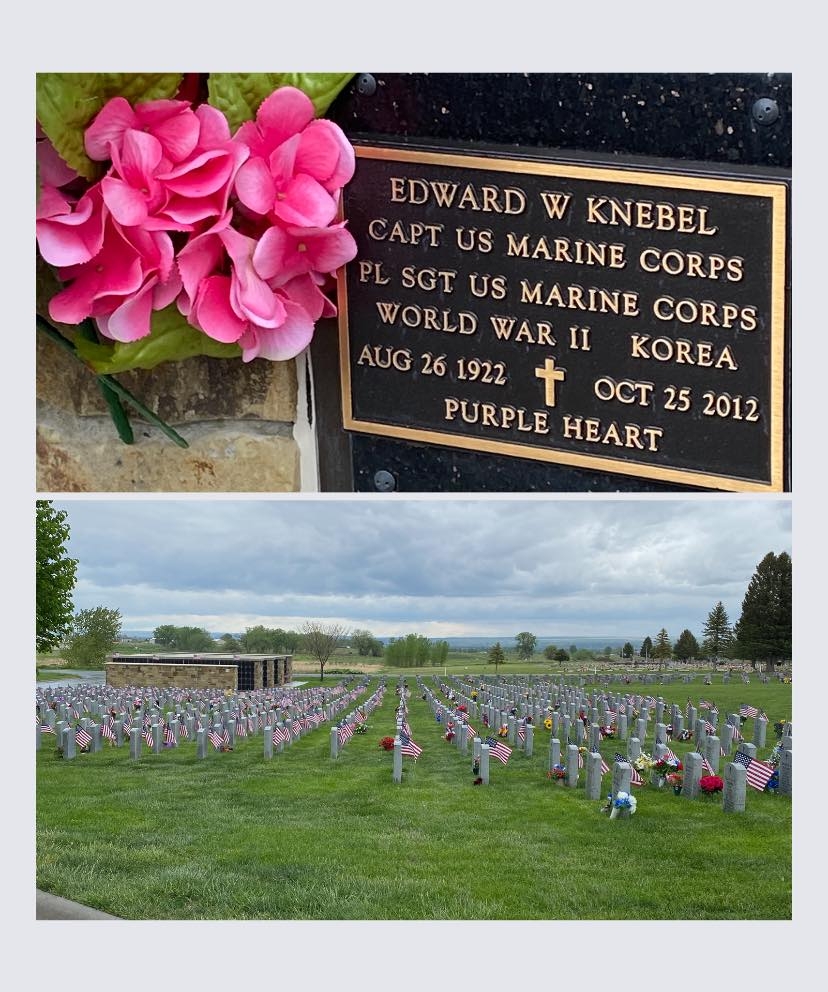
- Cemetery: Columbarium 1, Row B, Niche 2. Yellowstone National Cemetery, Laurel, Montana
Mentored by Mrs. Taylor Olsen
Harlowton High School
2025/2026
Early Life
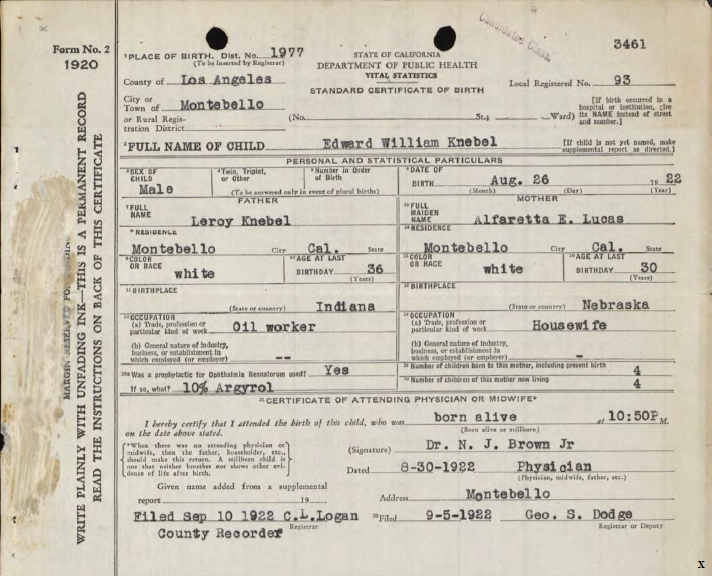
Edward William “Bill” Knebel was born on August 26, 1922, in Montebello, California, to Leroy and Alfaretta Lucas Knebel. His paternal grandparents were William Jacob Knebel and Harriet Belle Sullivan, and his maternal grandparents were Hiram Pennington Lucas and Emily Jane Mansfield. Bill grew up with three siblings: Harvey, Earl, and Mae.
Much of his early childhood was spent in Bloomfield, California, a small, declining rural community that had once served as a trading post and stagecoach stop. By the 1930s, Bloomfield had been heavily impacted by the Great Depression, and the town’s population had dropped significantly. During this time, many buildings were dismantled for lumber, and the community was slowly becoming a ghost town.
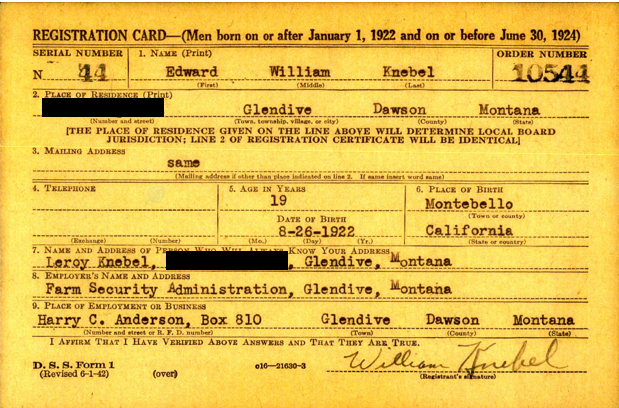
By the time Knebel was seven years old, his family had moved to Glendive, Montana, where he spent most of his youth. He attended Dawson County High School in Glendive and later studied at Dawson Community College. While attending junior college, he also worked for the Farm Security Administration. At the age of nineteen, while still pursuing his education, Knebel chose to enlist in the United States Marine Corps Reserve during World War II.



Homefront
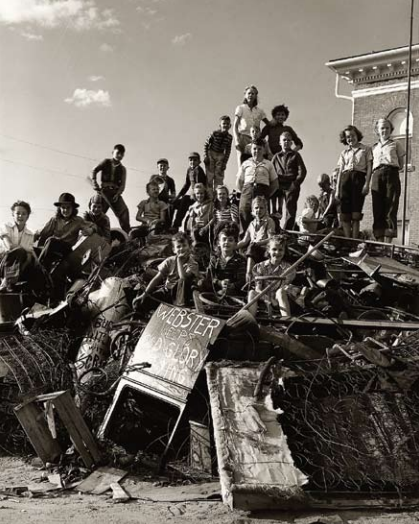
Communities across Montana—including Glendive—supported World War II through rationing, agricultural production, and patriotic participation. During World War II, residents were asked to conserve resources such as sugar, butter, meat, and gasoline. Sugar was the first major food item rationed in April 1942, and eastern Montana’s sugar beet production helped contribute to the national wartime supply.
Montanans were also encouraged to plant Victory Gardens, collect scrap materials, and purchase war bonds to support the military. State programs like the Montana Future Farmers Victory War Program promoted food production and conservation by encouraging families to maintain gardens and reduce waste.
Across the state, women and families took on additional responsibilities as many men left for military service. Extension agents helped coordinate agricultural production and organized salvage drives for metal, paper, and other materials needed for the war effort. Posters and propaganda encouraging patriotic participation appeared in store windows, theaters, and other public spaces throughout Montana.
Although Glendive was a small rural community without major wartime factories, residents participated in these national efforts while coping with the economic and social changes brought by the war.
Military Experience
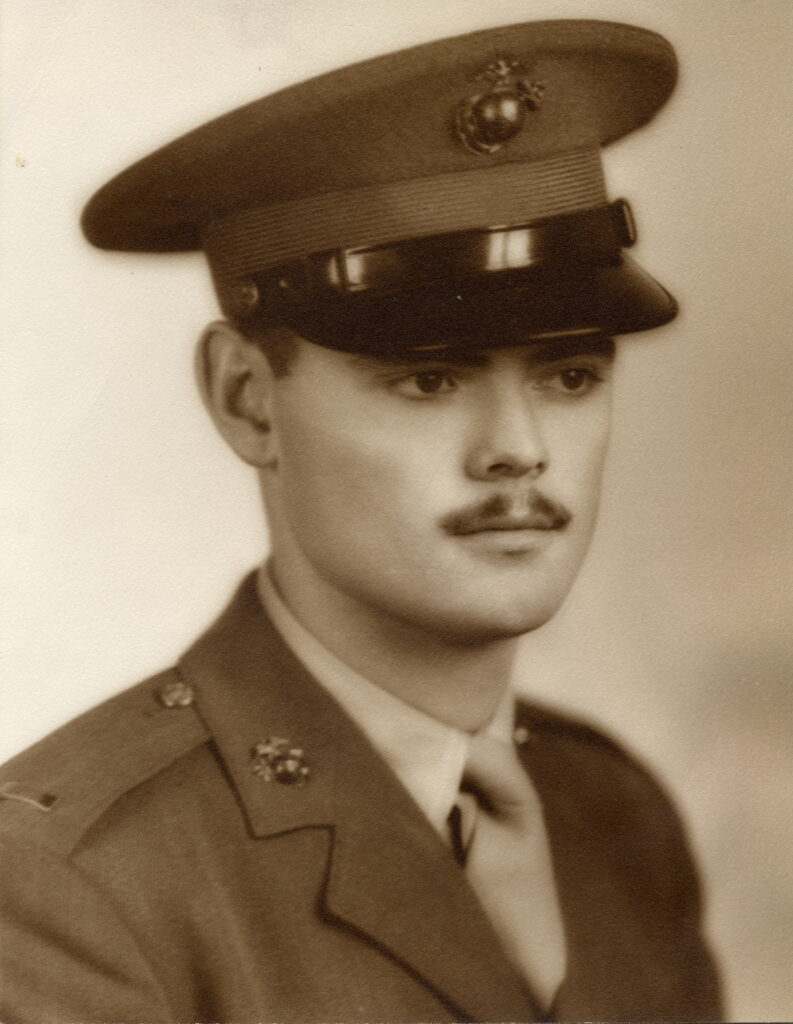
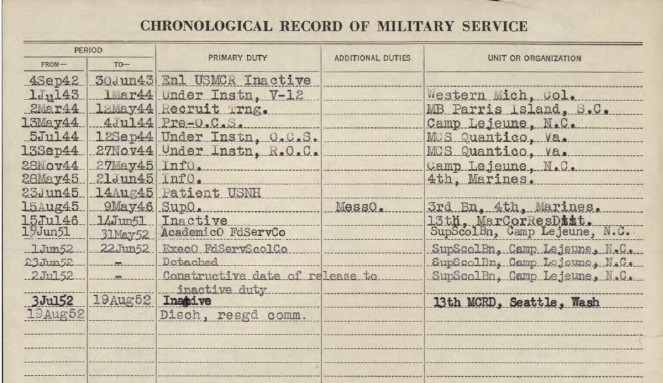
Edward William Knebel enlisted in the United States Marine Corps Reserve on September 13, 1944, choosing to serve during World War II rather than waiting to be drafted. After completing Officer Candidate School at Marine Corps Schools in Quantico, Virginia, and infantry training at Camp Lejeune, North Carolina, he became a Marine infantry officer.
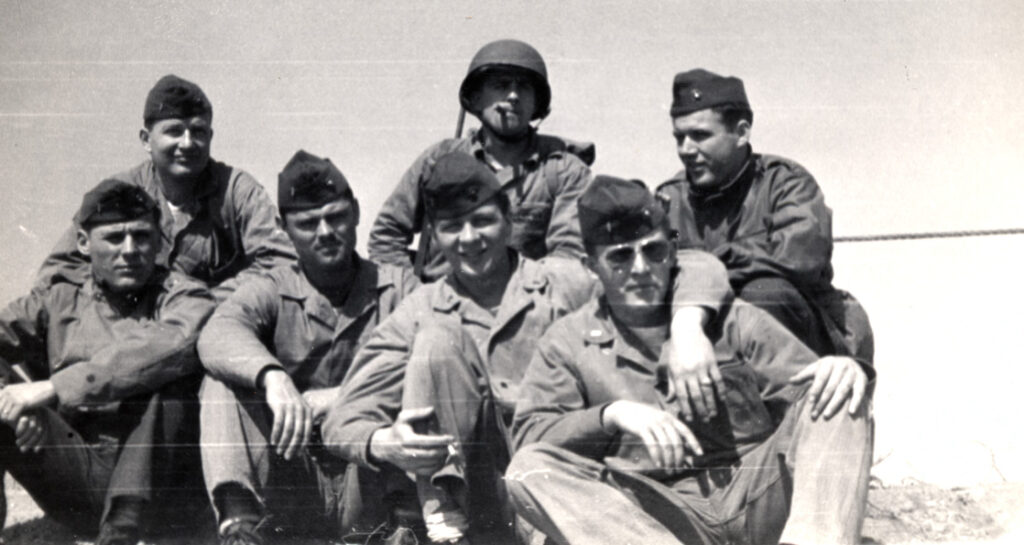
Knebel served with the 3rd Battalion, 4th Marine Regiment, 6th Marine Division, a front-line combat unit in the Pacific Theater. As a newly commissioned second lieutenant, his primary role was leading Marines in infantry operations. A Marine infantry platoon typically consisted of about 40 to 45 Marines, and Knebel’s responsibilities included training his men, maintaining discipline, ensuring readiness, and leading them during operations.
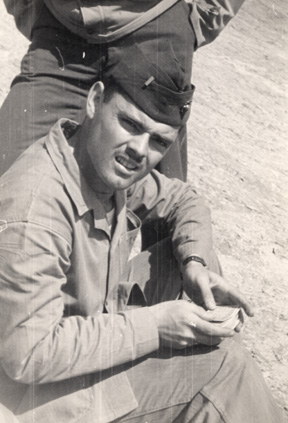
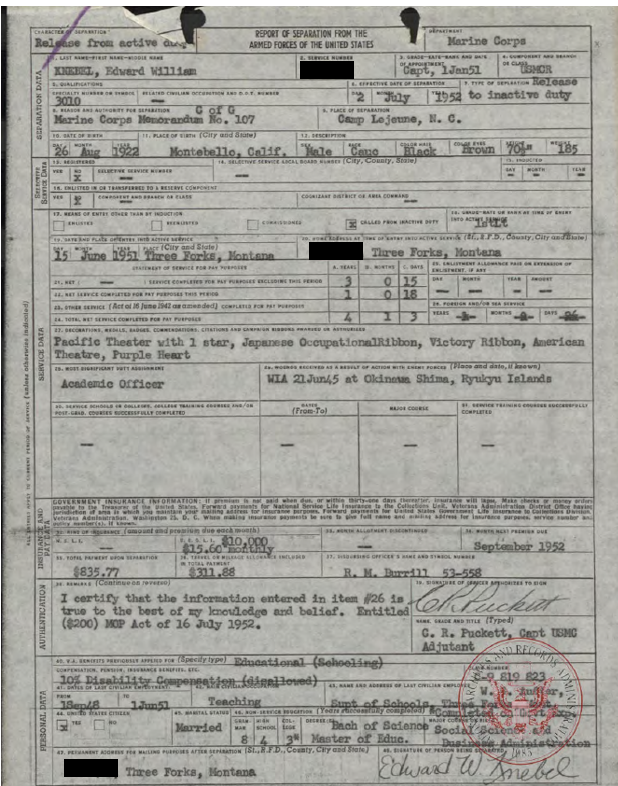
He deployed overseas from San Diego, California, aboard the USS Andra in April 1945. Knebel participated in the Battle of Okinawa, one of the largest and most intense battles of the Pacific War. On June 21, 1945, he was wounded in action on Okinawa’s Oruku Peninsula, suffering a knee injury during combat operations.
Following his injury, he was evacuated to Guam aboard the USS Mellette for medical treatment. He recovered and returned to duty. For his service and sacrifice, he was awarded the Purple Heart.
From August 1945 to May 1946, he served as part of the occupying force of Japan. He returned to the U.S. through Hawaii, arriving aboard the USS Randall in San Francisco.
His military decorations also included the Asiatic-Pacific Campaign Ribbon, the American Theater Ribbon, the World War II Victory Medal, and the Japanese Occupation Ribbon. Knebel continued serving in the United States Marine Corps Reserve after the war and was promoted through the officer ranks, eventually reaching the rank of captain.
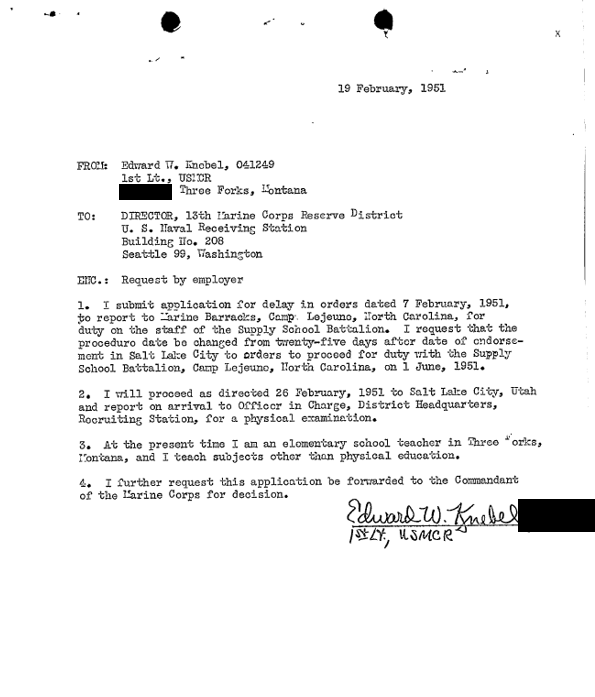
During the Korean War, Knebel was recalled to active duty in February 1951, but his school requested that he not report until June 1 because he was a teacher. He served on active duty at Camp Lejeune, North Carolina, until his discharge from the Marine Corps in July 1952.

Veteran Experience
After World War II, Edward Knebel returned to Montana and built a long career in education. He continued his own education while beginning his professional life as a teacher and coach. Knebel attended Billings Polytechnic Institute (now Rocky Mountain College), later earning a Bachelor of Science degree from Western Michigan College, a Master’s degree in education from the University of Montana, and a Master’s degree in Special Education from Eastern Montana College (now Montana State University Billings).
Knebel married Doris Patricia Brakke on June 9, 1946, in Billings, Montana. Together, they had three children: Susan, Bob, and Judy. After their divorce in 1972, he married Marveen “Corky” Davis on May 10, 1973, in Billings. Through this marriage, he also became a father to her children, Craig, Martin, and Julie.
For more than 40 years, Knebel served Montana communities as an educator, coach, and school administrator. He taught junior high school in several towns, including Three Forks, Bozeman, Lewistown, and Billings, and he coached football, basketball, and baseball. Later in his career, he became a school principal and a respected leader in Montana’s education system.
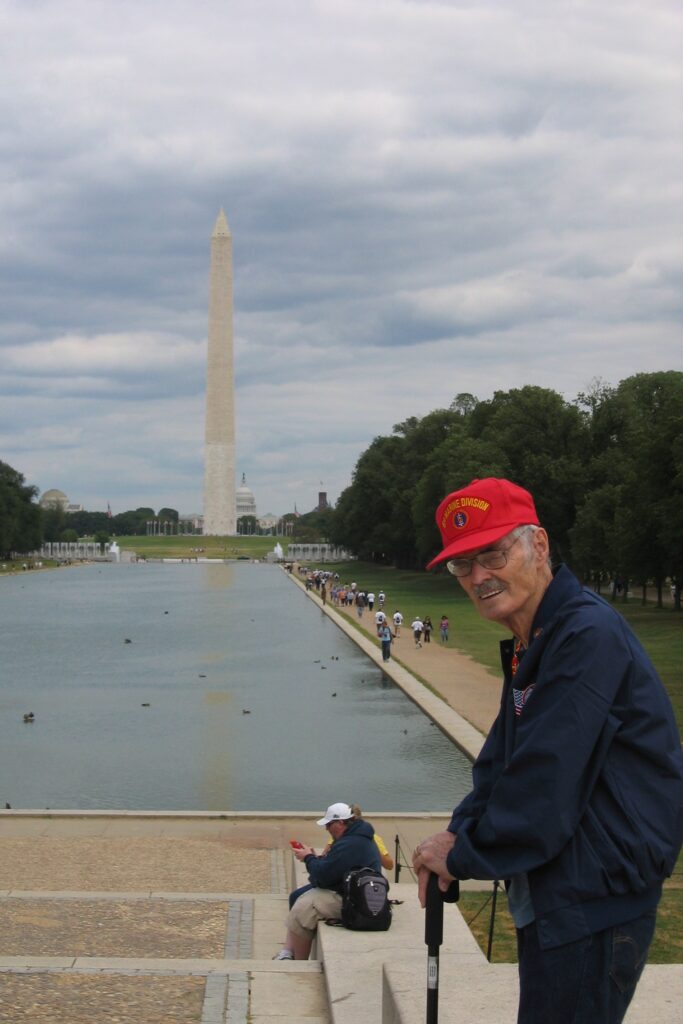
Even after retiring in 1985, Knebel remained dedicated to working with young people. He volunteered with City Recreation basketball programs, substitute taught in local schools, and served as a field supervisor for student teachers from several universities. He was also active in Faith Chapel in Billings, where he enjoyed teaching and mentoring children. One of the greatest honors of his life was taking an Honor Flight to visit the World War II memorial. Due to the Montana flight being full, he flew with North Dakota.


Commemoration
Edward William “Bill” Knebel passed away on October 25, 2012, at the age of 90. His death was caused by brain cancer that had metastasized. He is remembered by his family, including his children, grandchildren, and great-grandchildren, as well as by the many students whose lives he influenced during his decades as an educator and mentor.
Knebel’s life reflected a commitment to service both in war and in peace. As a Marine officer during World War II, he demonstrated courage and leadership during the Battle of Okinawa and earned the Purple Heart for wounds sustained in combat. After the war, he devoted more than four decades to education in Montana, helping guide and inspire generations of students.
Today, Edward William Knebel is buried in Yellowstone National Cemetery in Laurel, Montana. He is remembered not only as a decorated veteran but also as a teacher, coach, and community leader whose dedication to others left a lasting impact.
Bibliography
Primary Sources
California. Bloomfield County. 1930 United States Census. Digital Images. https://ancestry.com.
Dorr, Hazel. Oral history interview. August 1, 1981. Montana Women’s Oral History Project, University of Montana–Missoula (OH 049 024). https://scholarworks.umt.edu/mtwomen_oralhistory/8/.
Edward Knebel. Bozeman City Directory. Bozeman City Directory, 1954. Digital Images. https://ancestry.com.
Edward Knebel. California Birth Index. California Birth Index, 1905–1995. Digital Images. https://ancestry.com.
Edward Knebel. Lewistown City Directory. Lewistown City Directory, 1956. Digital Images. https://www.ancestry.com.
Edward Knebel. Montana, U.S., Divorce Records. Digital Images. https://ancestry.com.
Edward Knebel. Montana, U.S., Marriage Records. Digital Images. https://ancestry.com.
Edward Knebel. World War II Draft Registration Card. Digital Images. https://ancestry.com.
Edward William Knebel. Death Certificate. Digital Images. https://ancestry.com.
“Edward William ‘Bill’ Knebel.” Billings Gazette [Billings, Montana], October 30, 2012. https://www.legacy.com/us/obituaries/billingsgazette/name/edward-knebel-obituary?id=8423901.
Edward William Knebel. DD-214. Department of the Navy. National Archives and Records Administration – St. Louis.
Edward William Knebel. Official Military Personnel File. Department of the Navy. National Archives and Records Administration – St. Louis.
Hollaway, Grace. Oral history interview. July 22, 1981. Montana Women’s Oral History Project, University of Montana–Missoula (OH 049-059). https://scholarworks.umt.edu/mtwomen_oralhistory/16/..
Knebel Family Photographs. Courtesy of Julie Schopp and family.
Montana. Dawson County. 1940 U.S. Federal Census. Digital Images. https://ancestry.com.
Montana. Gallatin County. 1950 U.S. Federal Census. Digital Images. https://ancestry.com.
Schopp, Zach. Phone interview by Reese Cooney and Azaria Davis. January 15, 2026.
Secondary Sources
“Edward William Knebel.” Veterans Legacy Memorial, National Cemetery Administration. Accessed March 12, 2026. https://www.vlm.cem.va.gov/EDWARDWILLIAMKNEBEL/9F72EB4.
Holmes, Krys, et al., Eds. “World War II in Montana, 1939–1945.” Montana: Stories of the Land. Montana Historical Society. Accessed August 22, 2025. https://mhs.mt.gov/education/textbook/Chapter19/Chapter19.pdf.
Homefront: United or Divided. Montana PBS. Accessed August 22, 2025. https://www.pbs.org/video/montanapbs-presents-homefront-united-or-divided/.
Malakoff Diggins: The State Historic Park. California Department of Parks and Recreation. Accessed August 22, 2025. https://www.parks.ca.gov/pages/494/files/MalakoffSHPFinalWebLayout051517.pdf.
“Montana Primary Sources.” National Archives and Records Administration Rocky Mountain Region. Accessed August 22, 2025. https://www.archives.gov/files/denver/education/materials/lessons-montana.pdf.
“Soldier Accounted For From World War II (Bennett, F.).” Defense POW/MIA Accounting Agency. January 20, 2023. https://www.dpaa.mil/News-Stories/ID-Announcements/Article/3163029/soldier-accounted-for-from-world-war-ii-bennett-f/.
Rydell, Robert, Jeffrey Safford, and Pierce Mullen. In the People’s Interest: A Centennial History of Montana State University. Montana State University Foundation, 1992.
“Sgt. Edward William ‘Bill’ Knebel.” Find a Grave. Updated October 30, 2012. Accessed March 12, 2026. https://www.findagrave.com/memorial/99879441/edward-william-knebel.
Shore, Chester. Montana in the Wars. Star Printing Company, 1977.
The Way We Worked. Online exhibition. National Archives and Records Administration. https://www.archives.gov/exhibits/twww/.
WWII Propaganda Posters. Online exhibition. Montana Museum of Art & Culture. https://www.umt.edu/montana-museum/permanent/americanartwork/ww2propagandaposters.php.
This profile was funded by a grant from the United States Department of Veterans Affairs. The opinions, findings, and conclusions stated herein are those of the author and do not necessarily reflect those of the United States Department of Veterans Affairs.