

Corporal George Edward Price
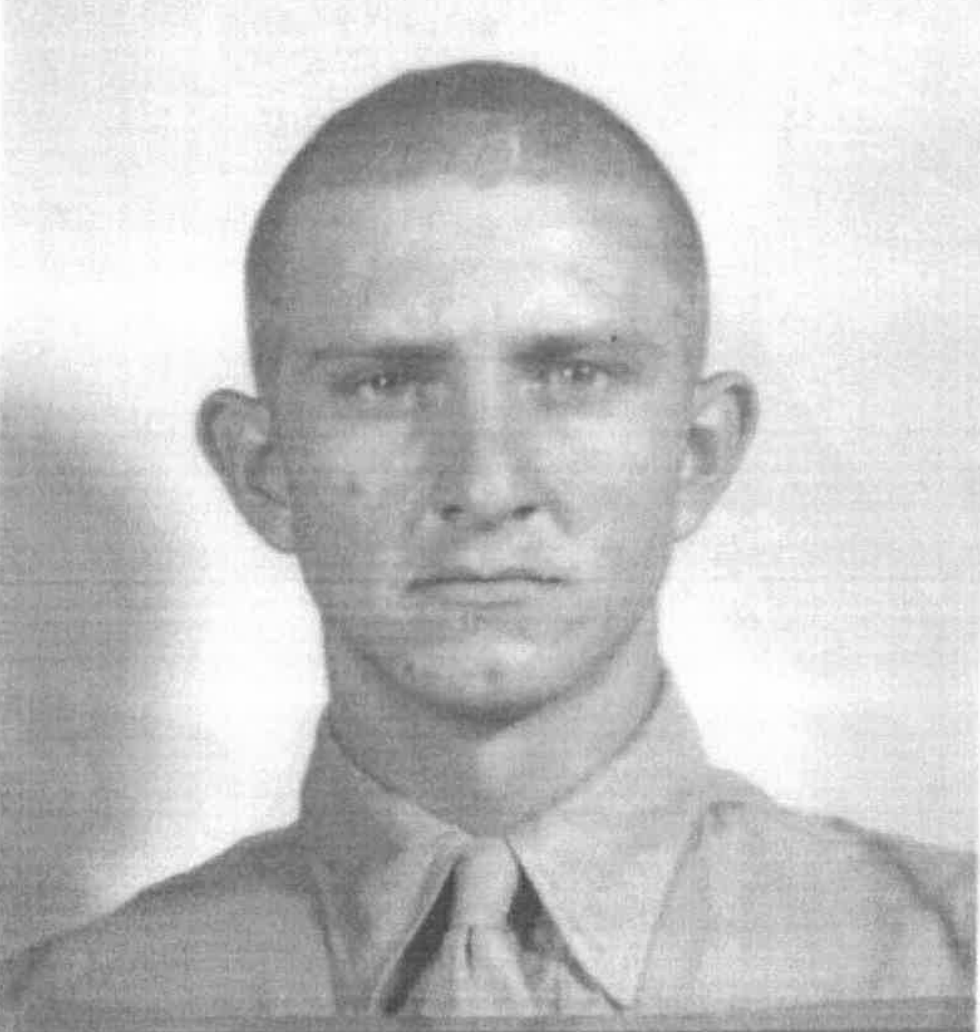
- Unit: 1st Battalion, 7th Marines, 1st Marine Division
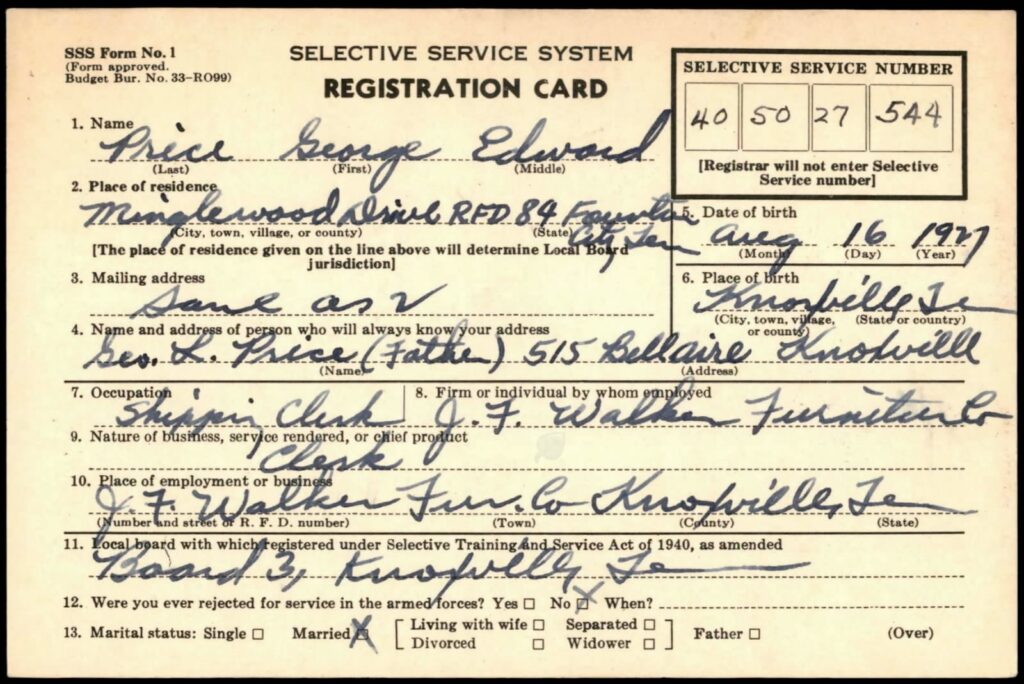
- Date of Birth: August 16, 1927
- Entered the Military: September 8, 1942
- Date of Death: August 26, 2013
- Hometown: Knoxville, Tennessee
- Place of Death: Knoxville, Tennessee
- Award(s): China Service Medal, World War II Victory Medal
- Cemetery: Section O, Site 2575. East Tennessee State Veterans Cemetery, Knoxville, Tennessee
Mentored by Dr. Andrew Fultz
L&N STEM Academy (Knoxville, TN)
2025/2026
Early Life
George Price was born on August 16, 1927, to George Lewis Price and Dollie Mae Price. Both his parents were in their 20s when he was born, but he had no siblings. By 1940, his father worked as a carpenter for a construction company, and his mother stayed home with him in their Knoxville, Tennessee home. When the United States entered World War II following the attack on Pearl Harbor, George was only 13 years old.
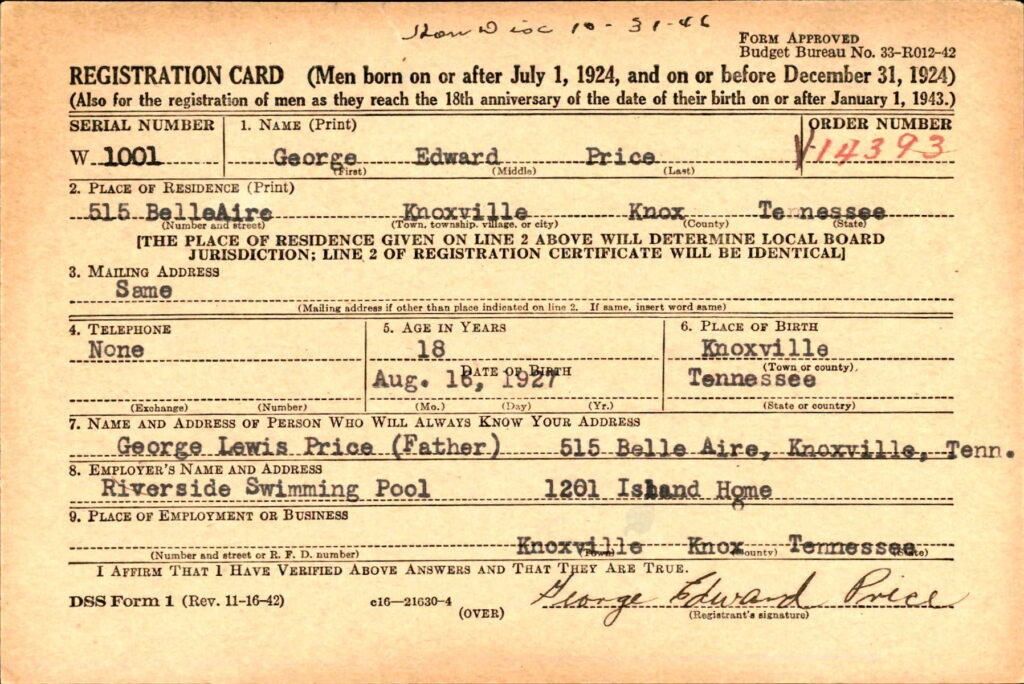
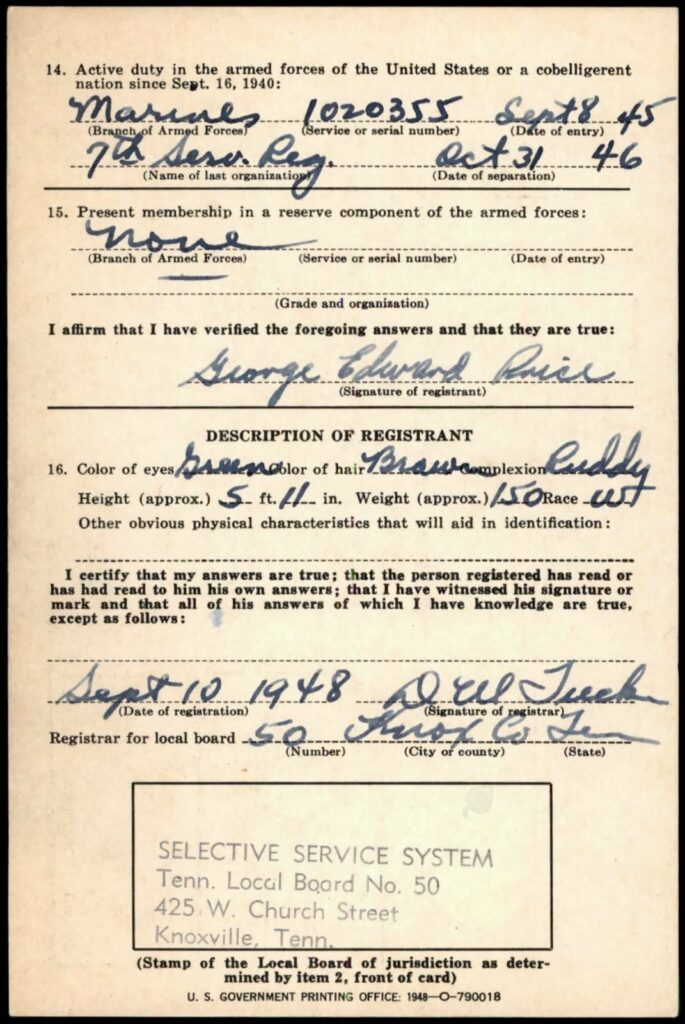
However, as the war progressed, Price worked at the Riverside Swimming Pool company in the Island Home community in Knoxville. He attended Rule High School. Upon turning 18, Price enlisted in the United States Marine Corps on September 8, 1945. This was within a few weeks of the Japanese surrender following the dropping of the atomic bombs.

Homefront
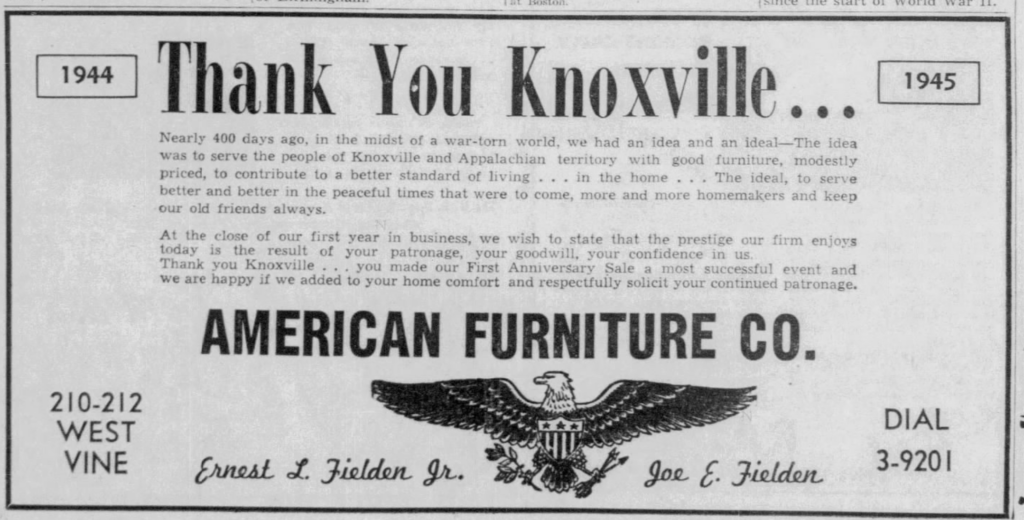
Price’s hometown of Knoxville, Tennessee, also known as the “scruffy city” for hosting the World’s Fair in 1982, contributed significantly to the war effort during World War II. Not only did over 300,000 people from eastern Tennessee serve in the armed forces during World War II, but those who stayed at home were all-in to defeat the Axis powers. A 1942 Knoxville News Sentinel article featured political advertisements that urged the people of Knoxville to buy war bonds, and local high schools offered vocational training in support of the war effort.
The Manhattan Project and the Tennessee Valley Authority operated just outside of Knoxville. With the Manhattan Project, approximately 75,000 people moved to Oak Ridge to participate and contribute toward creating the atomic bomb. The site at Oak Ridge processed uranium that would be used for the atomic bombs on Japan. This was made possible by the Army Corps of Engineers buying approximately 60,000 acres of farmland to create this “secret city” outside of Knoxville. The Tennessee Valley Authority, newly created under President Franklin Roosevelt’s New Deal, generated electricity that assisted with wartime production.
Military Experience
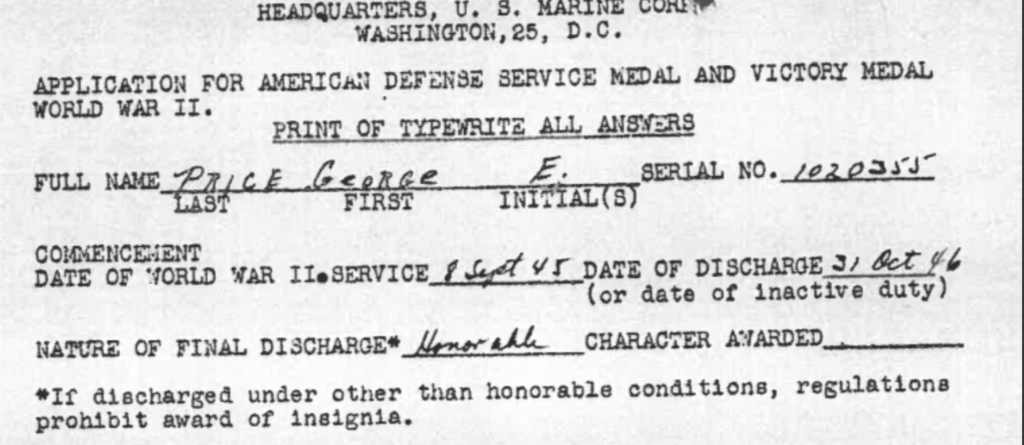
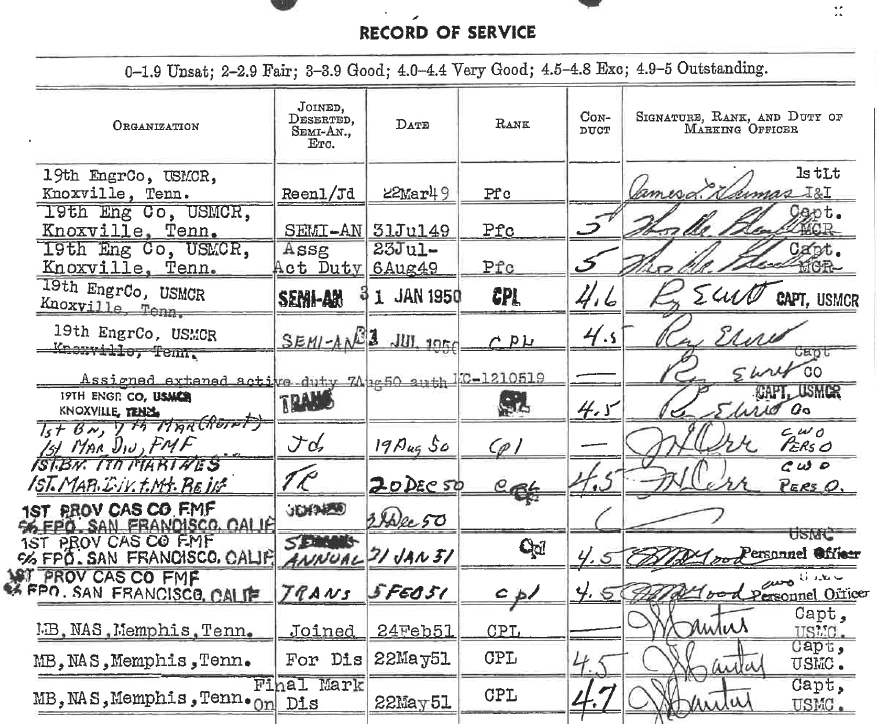
George Price completed two separate tours of duty in the Marine Corps. He was inducted into the Marines in 1945 to serve in the Pacific just after the surrender of the Japanese, and reenlisted in 1949 to help with the upcoming war in Korea.
At Parris Island, South Carolina, Price received training that included infantry weapons and qualified as a marksman. After receiving his basic training at Parris Island, Price joined the truck company of the 7th Service Regiment in early 1946. He deployed and served in China from January to September 1946 and was sent to recapture Seoul, South Korea, in early October of that year. During this tour of duty, Price was honorably discharged from the Marine Corps in San Diego, California. He served for 13 months, about 9 of them on overseas duty.
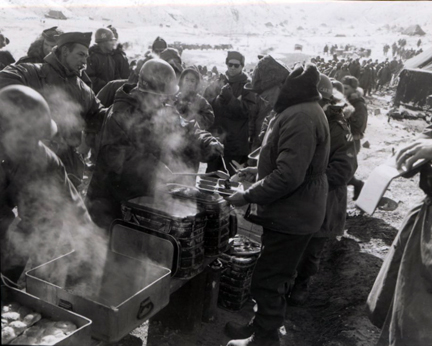
In 1949, he re-enlisted in preparation for the Korean War and to contain the spread of communism in Asia. He still served in a heavy truck company, tasked with transporting supplies to the front lines. During this conflict, one of his trucks overturned near Inchon, an area that saw major fighting during the Korean War. This accident caused Price serious physical pain and psychological trauma.
He was admitted to the hospital in Oakland, California, in late February 1951. While there, he was diagnosed with “passive dependency reaction.” He experienced chronic back pain and “nervousness,” the term used in the medical examiner’s report. That nervousness included physical symptoms and “moody spells” where he wanted to be left alone. He was honorably discharged from the Marine Corps in May 1951 in Memphis, Tennessee. It is very likely Price experienced some form of Post-Traumatic Stress Disorder (PTSD).
Veteran Experience
Mr. Price lived a full life following his service in the Marines. He enjoyed golf, driving, and being with his family. His son, Bill, reported that his father enjoyed driving to Branson, Missouri, to enjoy the attractions.
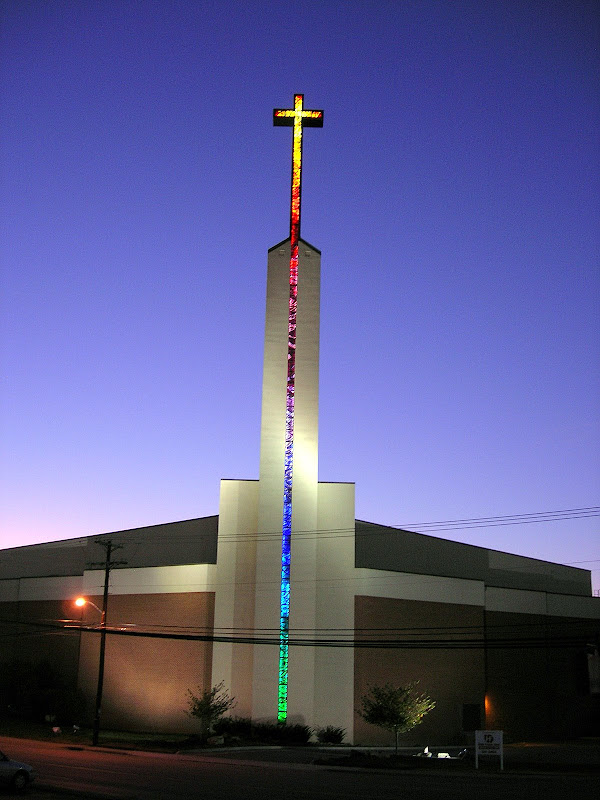
Mr. Price loved his family and his church. He married Emma Louise Smith in 1947, following World War II. They were active members at the Wallace Memorial Baptist Church.
As a father, he was strict and tough, but fair and loving. He had three children: Bill, Paul, and Debbie. He wanted his children to be organized and disciplined, a trait he learned from his time in the Marines. They were to have nice haircuts and be presentable at all times. He disciplined his children, but he was also available and loving to them. He even helped his children build a soapbox and would go roller skating with them. He loved to roller skate.
In the early 1980s, he married his second wife, Betty. They were married for almost 30 years and were active members in the Central Baptist Church in Bearden. His love for driving continued, and he even parked cars during the Living Christmas Tree program at Wallace Memorial. He saw his son, Bill, join the U.S. Navy and serve in Vietnam. Even though the Marines and sailors can be rivals, Mr. Price was proud of his son. Likewise, his children were proud of him.
For work and recreation, Mr. Price worked in the construction industry in Knoxville. He did it all, from laying hardwood floors to being a salesman. Once he retired, he still loved driving, something he might have cultivated during his time in the Marines. He frequently drove tour buses to Branson, Missouri. Outside of work, Mr. Price enjoyed golfing, fishing, and rollerskating with his family. He was strict and organized, but he also knew how to have a good time. As a member of the Lions Club, he collected glasses and toys for his community.
Commemoration
George Edward Price died on August 26, 2013, at the age of 86. He is buried at the East Tennessee State Veterans Cemetery in Knoxville. His wife, Betty, died two months later.
Bibliography
Primary Sources
“All This Was 25 Years Ago.” The Knoxville News-Sentinel [Knoxville, TN], April 5, 1942. Newspapers.com (772804086).
Dwight D. Eisenhower passes through the “chow” line of the 15th Infantry Regiment, 3rd US Infantry Division, Korea [77-18-897]. Photograph. December 4, 1952. Dwight D. Eisenhower Presidential Library (77-18-898). https://www.eisenhowerlibrary.gov/research/online-documents/korean-war.
“Felipe Cruz.” Oral History. Korean War Legacy Foundation. https://koreanwarlegacy.org/interviews/felipe-cruz/.
George Edward Price. Korean War Era Draft Cards, 1948-1959. Digital images. https://fold3.com.
George Edward Price. World War II Draft Cards Young Men, 1940-1947. Digital images. https://ancestry.com.
George Edward Price, Final Pay Voucher, Department of the Navy. National Archives and Records Administration – St. Louis.
George Edward Price. Report of Separation, Department of the Navy. National Archives and Records Administration – St. Louis.
George Edward Price. Official Military Personnel File, Department of the Navy. National Archives and Records Administration – St. Louis.
George Edward Price. U.S., Veterans’ Gravesites, ca. 1775-2019. https://ancestry.com.
Price, Bill. Telephone interview with the author. December 12, 2025.
“Red Cross Division Links Army With The Home Front.” The Knoxville New-Sentinel [Knoxville, TN], April 19, 1942. Newspapers.com (772804377).
Rothstein, Arthur, photographer. Knoxville, Tennessee Tennessee Valley Authority TVA. Operating nibbler for sheet metal in training for war production at Stair Vocational High School. Photograph. June 1942. Library of Congress (2017832621). https://www.loc.gov/item/2017832621/.
“Ships Turned Out in Mass Production Through Use of Prefabricated Sections.” The Knoxville New-Sentinel [Knoxville, TN], April 19, 1942. Newspapers.com (772804377).
“Suggestion for Safety from A-Bomb.” The Knoxville News-Sentinel [Knoxville, TN], October 29, 1945. Newspapers.com (772987073).
Tennessee. Knox County. 1910 U.S. Census. Digital images. https://ancestry.com.
Tennessee. Knox County. 1920 U.S. Census. Digital images. https://ancestry.com.
Tennessee. Knox County. 1930 U.S. Census. Digital images. https://ancestry.com.
Tennessee. Knox County. 1940 U.S. Census. Digital images. https://ancestry.com.
Thank you Knoxville . . . Advertisement. The Knoxville News Sentinel [Knoxville, TN], October 29, 1945. Newspapers.com (772987073).
Wallace Memorial Baptist Church. Photograph. December 28, 1008. Knoxville Daily Photo Blog. https://knoxvilledailyphoto.blogspot.com/2008/01/wallace-memorial-baptist-church-steeple.html.
White, Renee. Telephone interview with the author. November 21, 2025.
Secondary Sources
“Betty Bradley Price.” Find a Grave. Updated October 24, 2013. Accessed January 31, 2026. https://www.findagrave.com/memorial/119229658/betty-price.
“Caught in the Chinese Conflict.” Warfare History Network. Accessed December 17, 2025. https://warfarehistorynetwork.com/article/caught-in-the-conflict/.
“George Edward Price.” Find a Grave. Updated September 13, 2013. Accessed November 19, 2025. https://www.findagrave.com/memorial/117015013/george-edward-price.
“Graphite Reactor.” Oak Ridge National Laboratory. Accessed November 7, 2025. https://www.ornl.gov/content/graphite-reactor.
“Korean War.” Dwight D. Eisenhower Presidential Library. Accessed November 25, 2025. https://www.eisenhowerlibrary.gov/research/online-documents/korean-war.
“Powering World War II.” Tennessee Valley Authority. Accessed November 7, 2025. https://www.tva.com/about-tva/our-history/powering-world-war-ii.
Thompson, Olivia. “Courageous Women of Tennessee during World War II.” Tennessee State Museum. Accessed November 7, 2025. https://tnmuseum.org/junior-curators/posts/courageous-women-of-tennessee-during-world-war-ii .
Wheeless, Casey. “80 Years Later, How East Tennessee Played a Role in WWII.” WVLT8. August 1, 2025. https://www.wvlt.tv/2025/08/01/80-years-later-how-east-tennessee-played-role-wwii/.
Whitaker, Barbara. “WWII Homefront in East Tennessee.” Last modified February 28, 2014. Accessed November 7, 2025. https://barbarawhitaker.com/2014/02/28/wwii-home-front-in-east-tennessee/.
This profile was funded by a grant from the United States Department of Veterans Affairs. The opinions, findings, and conclusions stated herein are those of the author and do not necessarily reflect those of the United States Department of Veterans Affairs.