

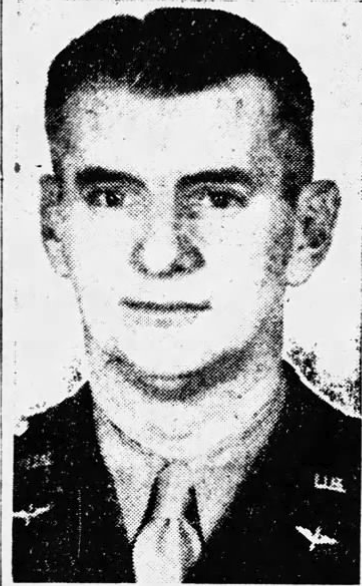
Captain James Alvin Timberman
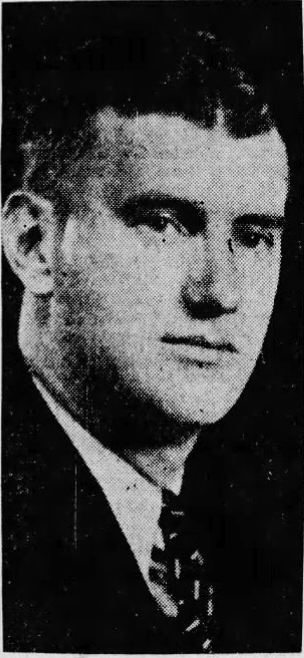
- Unit: 1271st Engineer Combat Battalion, 7th Army
- Service Number: O-471535
- Date of Birth: November 17, 1904
- Entered the Military: May 1, 1942
- Date of Death: March 15, 1945
- Hometown: Jamesburg, New Jersey
- Place of Death: France
- Award(s): Purple Heart
- Cemetery: Plot C, Row 29, Grave 57. Lorraine American Cemetery, Saint-Avold, France
National History Day
2025/2026
Early Life
James Alvin Timberman was born on November 17, 1904, to Alvin and Annie Timberman. Annie Timberman came to America from Ireland when she was eleven. She and Alvin married in 1897. When James was born, the Timbermans already had three children, Joseph, Thomas, and Anne, all spaced about two years apart. The two had their last child, Vincent, in 1907.
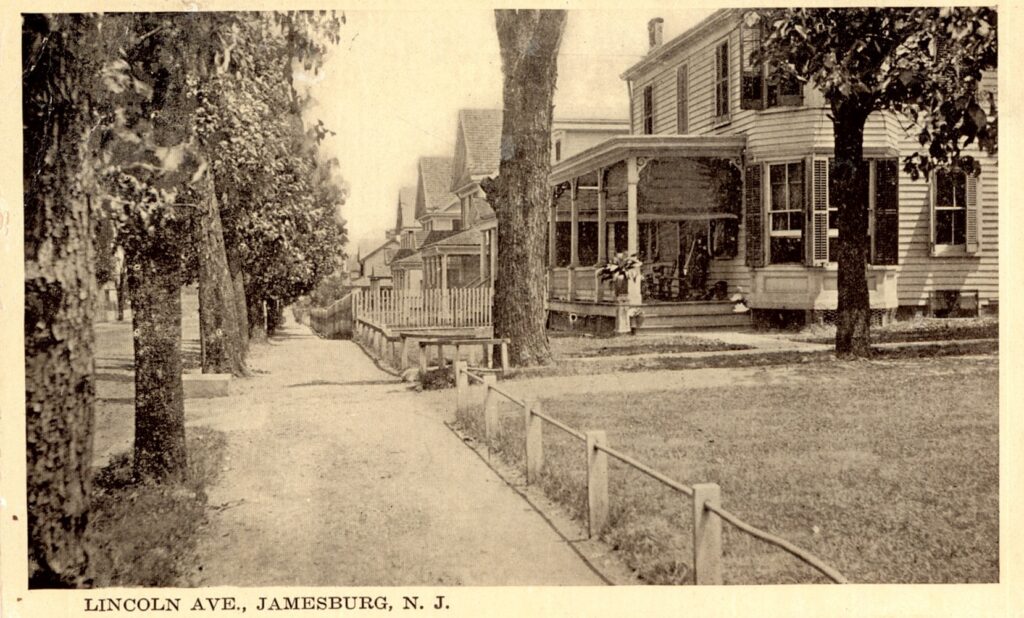
Alvin worked as a railroad foreman, and Annie was a stay-at-home mother. They owned their own home in Jamesburg, New Jersey.
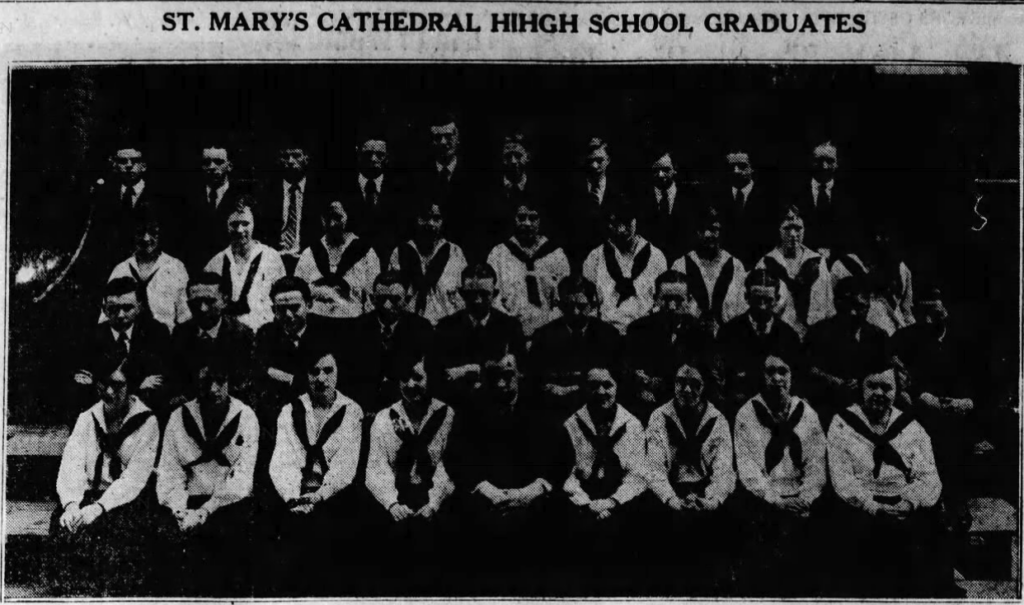
James graduated from St. Mary’s Cathedral High School in 1922, a co-ed Catholic school in Trenton, New Jersey. Then, he attended Our Lady of Angels Seminary in Niagara Falls, New York. At the time, this was called a “major/minor” college and seminary, where men could study college-level courses and then continue their theological and ordination training.
From there, Timberman got a master’s degree from Rutgers University. He then became a teaching principal at Pemberton Elementary School in New Jersey. In 1936, Timberman lost his mother to complications following an operation.
Homefront
A Transportation Hub
Jamesburg hit a slump in the 1920s, transitioning from a central transportation hub for the movement of goods through the area to a smaller pass-through that primarily served nearby farms. At its peak, four major railroad lines operated through Jamesburg (Camden & Amboy, Freehold and Jamesburg Agricultural, Pennsylvania Railroad, and Central Railroad of New Jersey).
Military Preparation
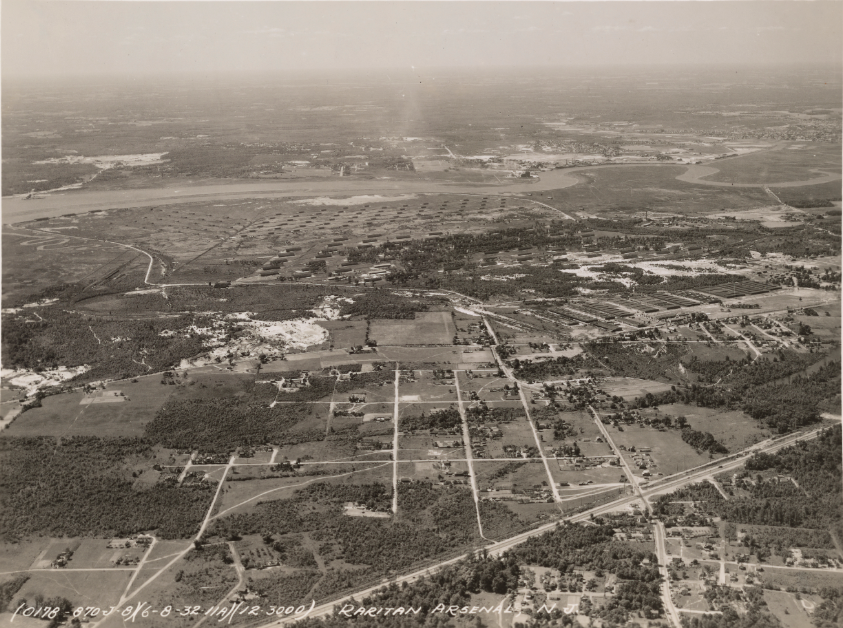
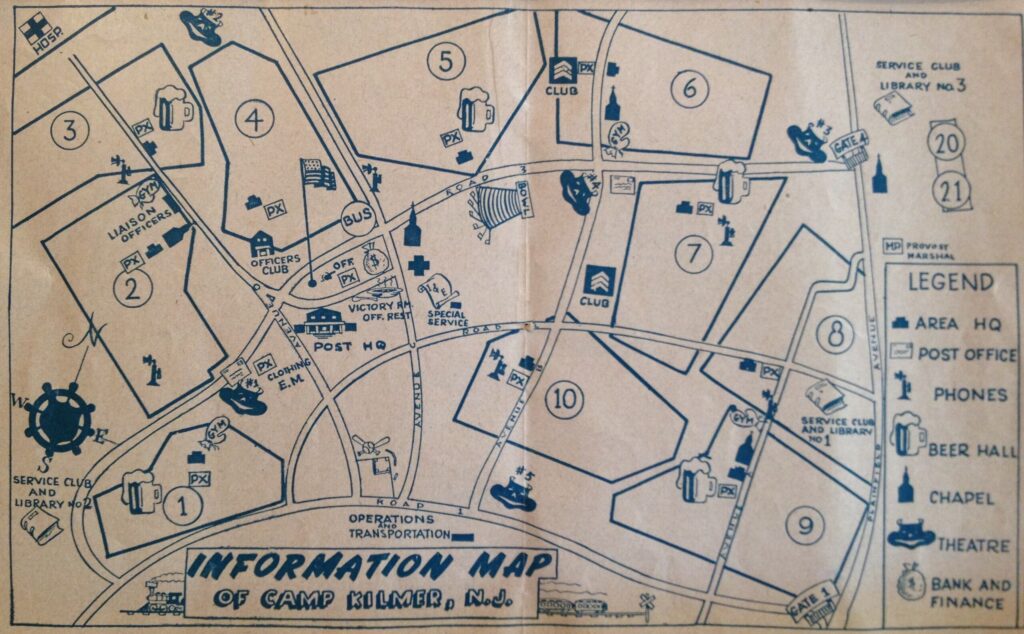
Nearby, the Raritan Arsenal was a 3,200-acre arsenal depot established in 1917 during World War I and made permanent afterward. It was used for vehicle storage and for the receipt, storage, and shipment of ammunition. It also had an ordnance specialist school on campus. A few miles from there was the newly created Camp Kilmer. It was constructed between January and June 1942 on over 1,500 acres of land. It held 1,120 buildings, including barracks, chapels, a theater, a post office, gyms, a library, and a hospital. There were also twenty softball diamonds, thirty volleyball courts, and 160 horseshoe pits. Camp Kilmer had its own band and frequently held dances, movies, and USO performances for U.S. soldiers traveling to and from Europe through its doors. Over the course of the war, twenty divisions were stationed there.
The War’s Effect on Education
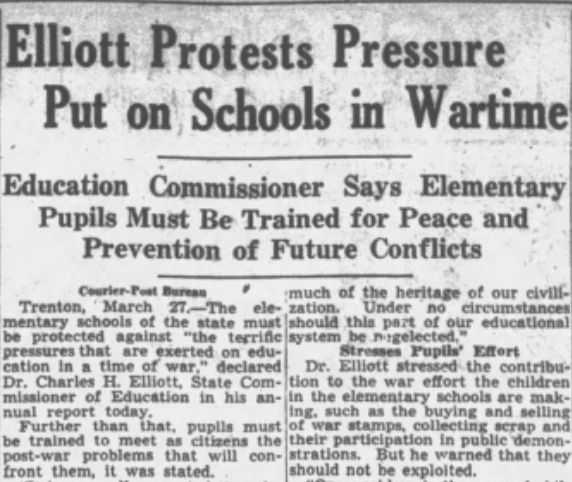
During the war, the New Jersey education commissioner, Dr. Charles H. Elliot, issued a statement saying it was the schools’ job to help students understand the cause of the war and how future ones could be prevented. Dr. Elliot also reiterated that it was every educator’s job to help prevent hysteria, since students were hearing and reading about the war everywhere. He also stressed the importance of the contributions students were making through war stamps, scrap collection, and demonstrations. Still, Commissioner Elliot urged educators to be mindful that students were not being taken advantage of with these efforts. The possible need to extend the school day was also discussed, as well as providing housing for some students to allow parents more opportunities to help with the war effort. Lastly, he mentioned the importance of vocational schools in training defense workers. Between 1940 and 1942, nearly 30,000 students (male and female) received pre-employment training for war production work, and nearly 50,000 workers already employed enrolled in extra classes to further their skills.
Military Experience
Training and Deployment
Timberman entered the Army in May of 1942. He first attended Officer Candidate School in Miami and, upon completion, was commissioned as a first lieutenant. He was then sent to Stewart Field at West Point, New York, where he served as a navigation instructor. He was promoted to captain in June 1943. The following year, he arrived at Fort Breckinridge, Kentucky, to join the 1271st Engineer Combat Battalion. He also received training at Fort Belvoir, Virginia, before deploying overseas as a Captain in October 1944.
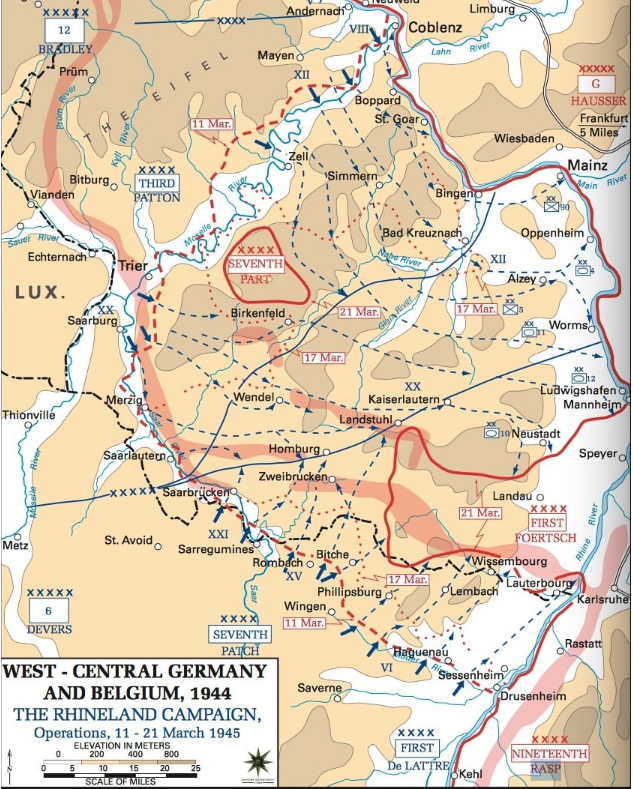
During this period, the 1271st Engineer Combat Battalion was attached to the Seventh Army. In the fall of 1944, the Seventh Army was repairing roads and bridges and keeping supply routes open in the Vosges-Alsace section. In the winter of 1944-1945, the engineers were in the Northern Alsace region completing similar work. In early February 1945, the forces cleared the remaining German positions in Alsace.
Operation Undertone
March 15, 1945, was the opening day of Operation Undertone. The goal of the operation was for the Seventh Army to break through the German defenses and drive toward the Rhine. Engineer Officers, such as Captain Timberman, would have been ahead of the battalion, supervising the removal of obstacles, including felled trees, rubble barricades, and demolished bridges. This left them dangerously exposed to artillery, small arms, and mine detonations. While Timberman was killed on the opening day of this operation, it was a success. The Seventh Army successfully crossed the Rhine River on March 24, 1945.
Commemoration
James’ father, Alvin, received a telegram on March 19 with the devastating news. That same day, his father also received a letter from James, postmarked March 13 from France.
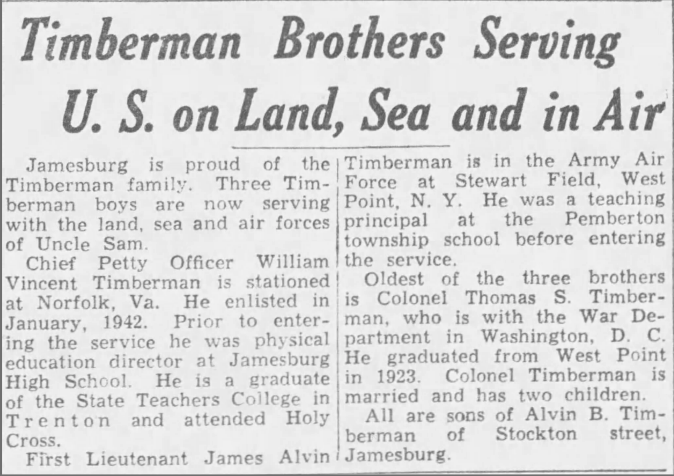
James’ brother, Lieutenant Vincent Timberman, was allowed to come home on leave from the Navy for the funeral after a 16-month tour at sea. He was then returned for another tour. His other brother, Brigadier General Thomas Timberman, stayed at his post as chief of U.S. ground forces in China.
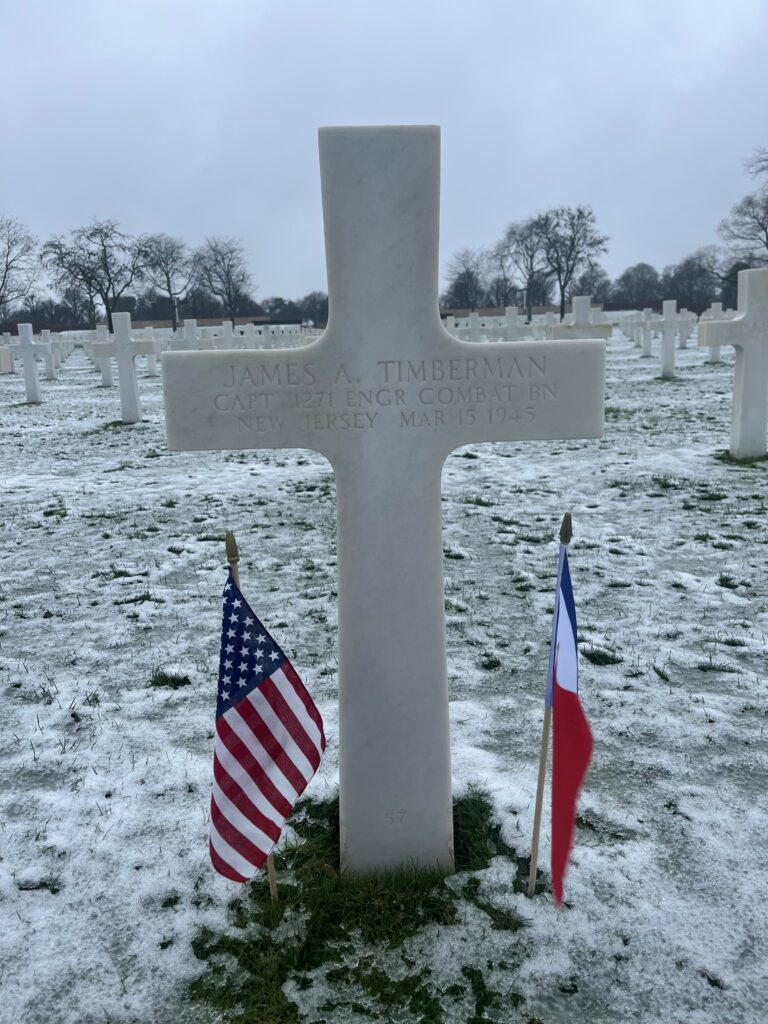
James Alvin Timberman received a posthumous Purple Heart after being killed in action. He was laid to rest at Lorraine American Cemetery in France.
Bibliography
Primary Sources
“14 Railroads Meet at 22 Federal St.” Courier-Post [Camden, New Jersey], March 3, 1941. Newspapers.com (447130555).
“Alvin Timberman Resumes Studies.” The Central New Jersey Home News [New Brunswick, New Jersey], October 8, 1926. Newspapers.com (320905484).
Army Air Forces. New Jersey – Raritan Arsenal. Photograph. C.1941. Records of the Army Air Forces, Airscapes. National Archives, College Park, Maryland. https://catalog.archives.gov/id/68144719.
“Cathedral High School Senior Given Four-Year Scholarship.” The Times [Trenton, New Jersey], June 18, 1922. Newspapers.com (1194518778).
“Educator Killed.” The Trenton Evening Times [Trenton, New Jersey], April 3, 1945. Newspapers.com (1197749281).
“Elliot Protests Pressure Put on Schools in Wartime.” Courier-Post [Camden, New Jersey], March 27, 1943. Newspapers.com (479511324).
The Ess and Ess Photo Company. Lincoln Ave. Postcard. c.1915. Jamesburg Collection, New Jersey State Library. https://dspace.njstatelib.org/items/121e56fb-b29b-4af2-9149-20da103d2846/full.
“Funeral Services Held Today for Jamesburg Woman.” The Central New Jersey Home News [New Brunswick, New Jersey], January 16, 1936. Newspapers.com (315013065).
“Gladness, sadness mix as Jamesburg graduates last class.” The Central New Jersey Home News [New Brunswick, New Jersey], June 13, 1979. Newspapers.com (317169083).
James Alvin Timberman, Individual Deceased Personnel File, Department of the Army, National Archives and Records Administration – St. Louis.
James Alvin Timberman. World War II Draft Cards Young Men, 1940-1947. Digital Images. https://ancestryclassroom.com.
“Jamesburg Officer Killed in France.” The Central New Jersey Home News [New Brunswick, New Jersey], May 29, 1945. Newspapers.com (314988757).
New Jersey. Middlesex County. 1900 U.S. Census. Digital Images. http://ancestryclasroom.com.
New Jersey. Middlesex County. 1910 U.S. Census. Digital Images. http://ancestryclasroom.com.
New Jersey. Middlesex County. 1920 U.S. Census. Digital Images. http://ancestryclasroom.com.
New Jersey. Middlesex County. 1930 U.S. Census. Digital Images. http://ancestryclasroom.com.
Special Service Branch, Camp Kilmer. Camp Kilmer. Camp Kilmer, NJ. https://www.marshallfoundation.org/wp-content/uploads/2014/06/CampKilmerbooklet.pdf.
“St. Mary’s Cathedral High School Graduates.” The Times [Trenton, New Jersey], June 18, 1922. Newspapers.com (1194518778).
“Timberman Brothers Serving U.S. on Land, Sea, and in Air.” The Central New Jersey Home News [New Brunswick, NJ], August 1, 1942. Newspapers.com (315009893).
Secondary Sources
“Camp Kilmer.” The National Archives and Records Administration. Accessed December 2, 2025. https://www.archives.gov/files/nyc/public/camp-kilmer.pdf.
“Capt James Alvin Timberman.” Find a Grave. Accessed November 1, 2024. https://www.findagrave.com/memorial/56661621/james-alvin-timberman.
“James A. Timberman.” American Battle Monuments Commission. Accessed November 1, 2025. https://weremember.abmc.gov/s?q=timberman&v=G&type=16.
“James A. Timberman.” Veterans Legacy Memorial, National Cemetery Administration. Accessed April 5, 2026. https://www.vlm.cem.va.gov/JamesATimberman/47894.
Makin, Cheryl. “Jamesburg erects monument to 350 who served during war.” My Central Jersey. Accessed December 2, 2025. https://www.mycentraljersey.com/story/news/local/middlesex-county/2014/05/19/veterans-memorial/2248534/.
New Jersey Department of Labor. New Jersey Population Trends 1790 to 2000. Trenton, New Jersey: Division of Labor Market and Demographic Research, 2001. https://www.nj.gov/labor/labormarketinformation/assets/PDFs/census/2kpub/njsdcp3.pdf.
“Operation Undertone: The Allies Clear the Rhineland.” The National WWII Museum. Accessed December 31, 2025. https://www.nationalww2museum.org/war/articles/operation-undertone-allies-clear-rhineland.
“Raritan Arsenal.” Fort Wiki. Accessed December 2, 2025. https://fortwiki.com/Raritan_Arsenal.
This profile was researched and created through the Researching Silent Heroes program, sponsored by the American Battle Monuments Commission.