

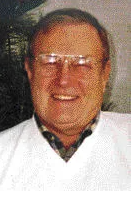
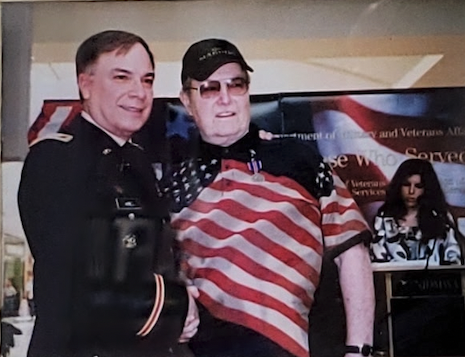
Corporal Joseph Raup
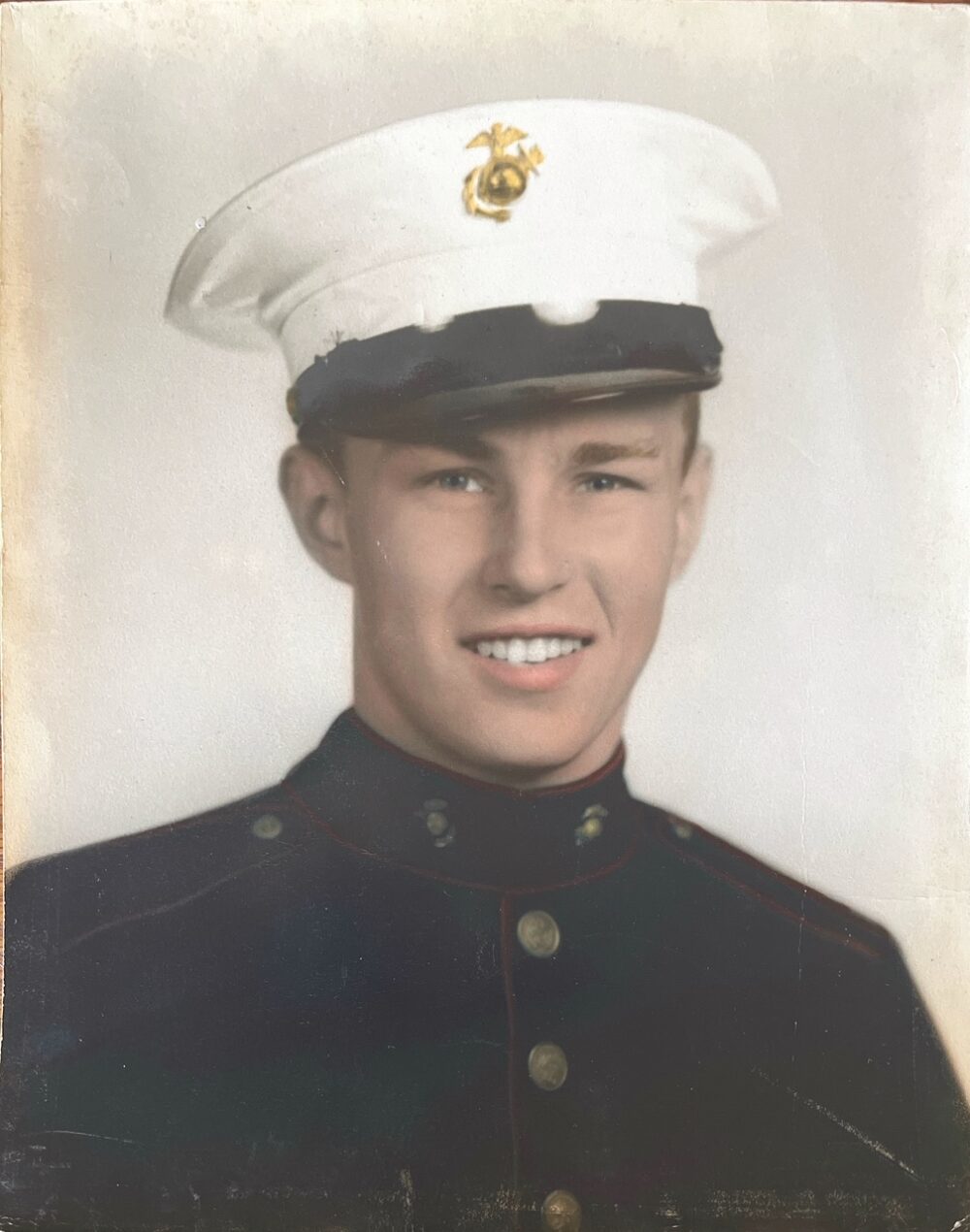
- Unit: 4th Marine Division, 4th Pioneer Battalion
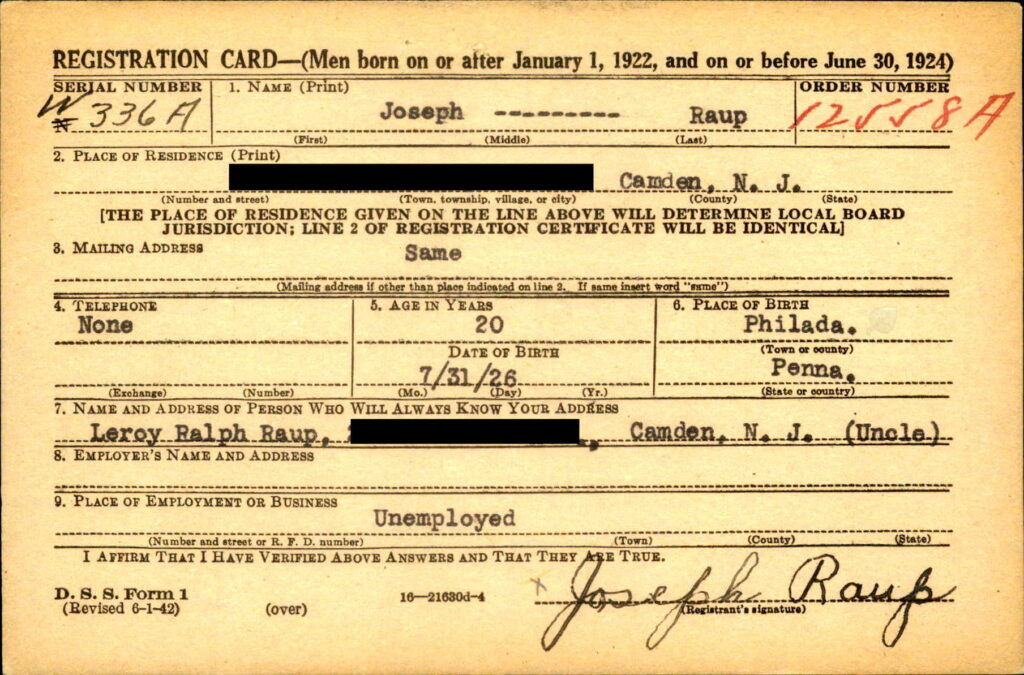
- Date of Birth: July 31, 1926
- Entered the Military: April 21, 1944
- Date of Death: October 8, 2011
- Hometown: Philadelphia, Pennsylvania
- Place of Death: Warminster Township, Pennsylvania
- Award(s): New Jersey Distinguished Service Medal
- Cemetery: Section KN, Grave 34. Brigadier General William C. Doyle Memorial Cemetery, Arneytown, New Jersey
Early Life
Joseph Raup was born on July 31, 1926, in Philadelphia, Pennsylvania, to Ervin and Sara Raup. Sara was a first-generation Irish-American. Joseph was the oldest of four children. The couple had twins, John and Mary, and a daughter, Dolores.
Raup attended grammar school in Germantown, Pennsylvania, and graduated in the eighth grade. From there, he attended Lincoln Prep Night School, where he took courses in physics, algebra, and aeronautics. He was most interested in mathematics. Raup enjoyed playing baseball, football, and soccer recreationally. He also built gas-powered model planes as a hobby.
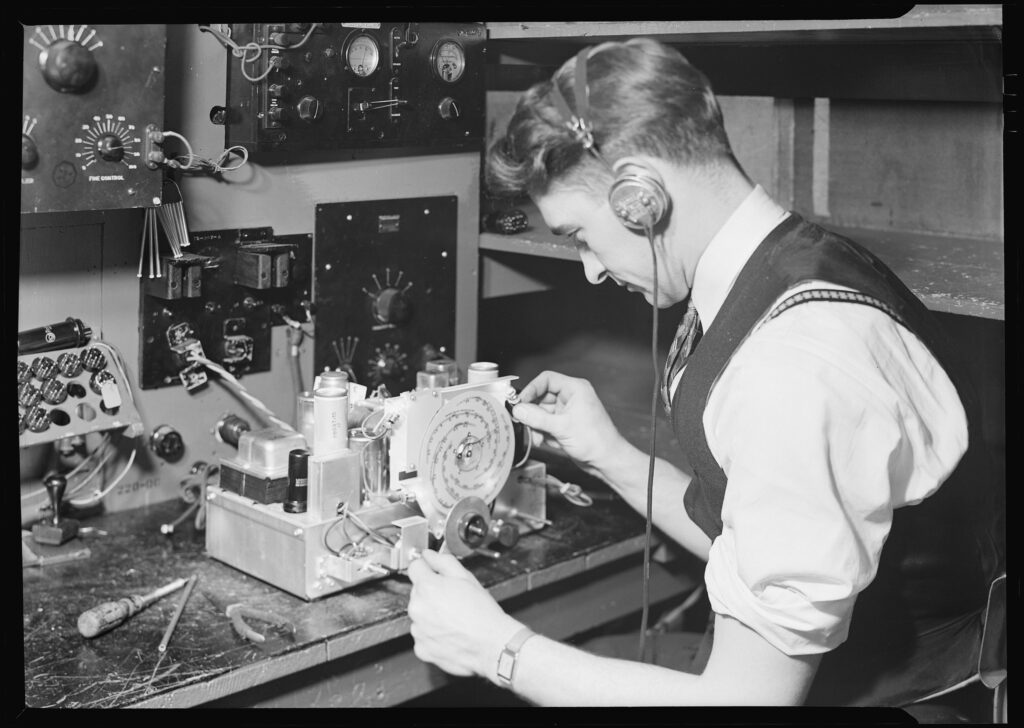
While attending classes at Lincoln Prep, Raup worked at Monroe Calculating Machine Company in Philadelphia, Pennsylvania, as an adding machine serviceman for one year. The next year, he worked as a radio chassis aligner for RCA Victor in Camden, New Jersey, for three months before enlisting in the military. This role required Raup to perform the last radio-frequency (RF) alignment on radios before their final cabinet installation.

Homefront
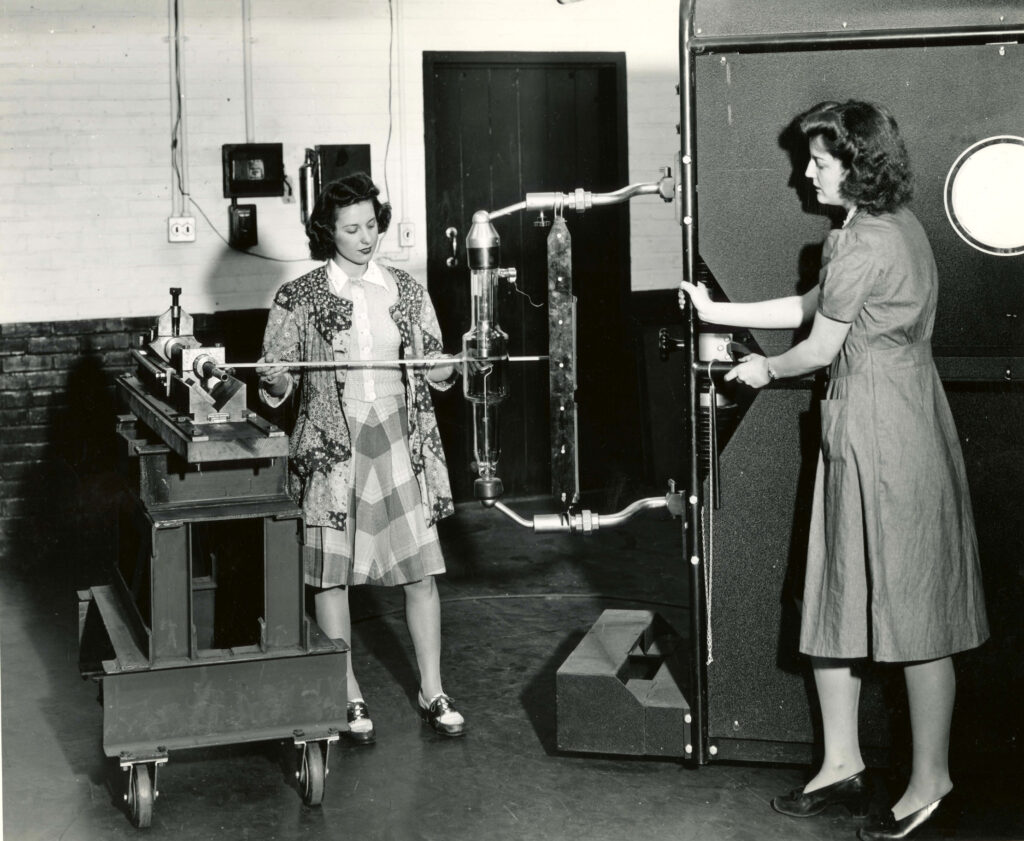
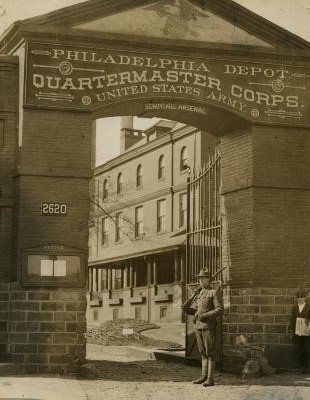
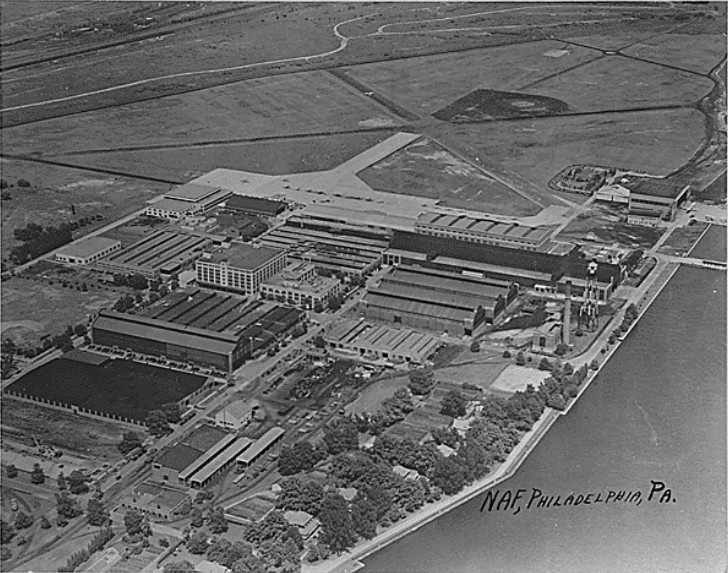
Philadelphia’s federal military installations were essential to the war effort. The Frankford Arsenal employed 20,000 workers to manufacture small arms, ammunition, and optical devices. The Arsenal also participated in important munitions research. In 1940, it was the only producer of military ammunition in the United States. It also trained private sector employees in the fundamentals of mass production. At its peak, it produced 9 million cartridges a day. The Schuylkill Arsenal, which operated as the Philadelphia Quartermaster Depot during the war, was the largest manufacturer of uniforms in the country. The Philadelphia Naval Shipyard and Naval Aircraft Factory, both on League Island, were important as well. The shipyard launched fifty-three ships and repaired 574. The Naval Aircraft Factory produced approximately 1,700 aircraft and 30,000 parachutes.
Private industry was also important to the war effort. The Baldwin Locomotive Company produced railroad equipment for the Allies. They retooled some of their plants to produce tanks, such as the M3 Stuart and the M4 Sherman. The Budd Company, which normally produced car bodies, turned to producing armored cars, tanks, and other military equipment.
The war effort transformed Philadelphia’s workforce as dramatically as its factories. By 1945, thirty-five percent of Philadelphia’s women worked outside the home. Many worked as welders, mechanics, and even chemists. This switch in roles was not without controversy. Some in the city government refused to create public day-care centers for workers’ children until near the end of the war.
Military Experience
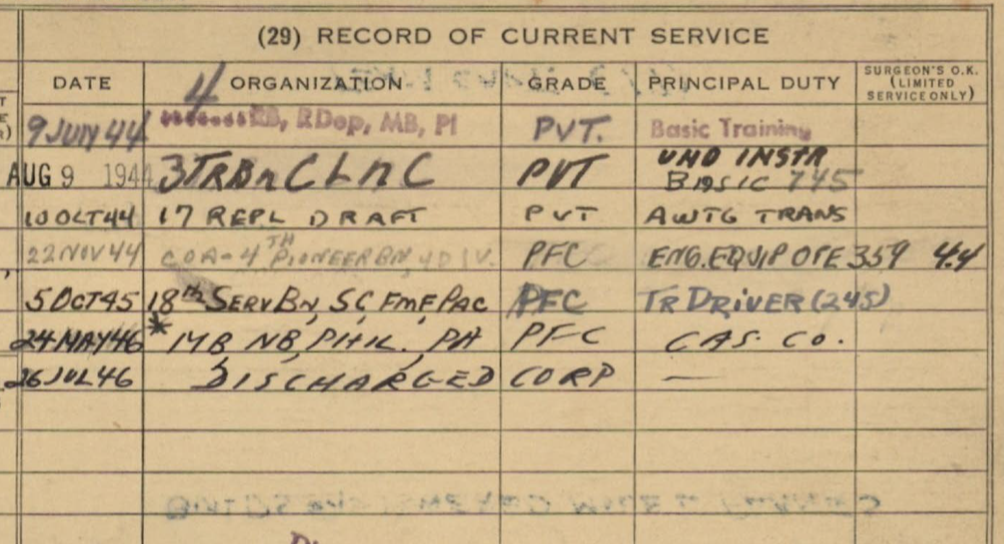
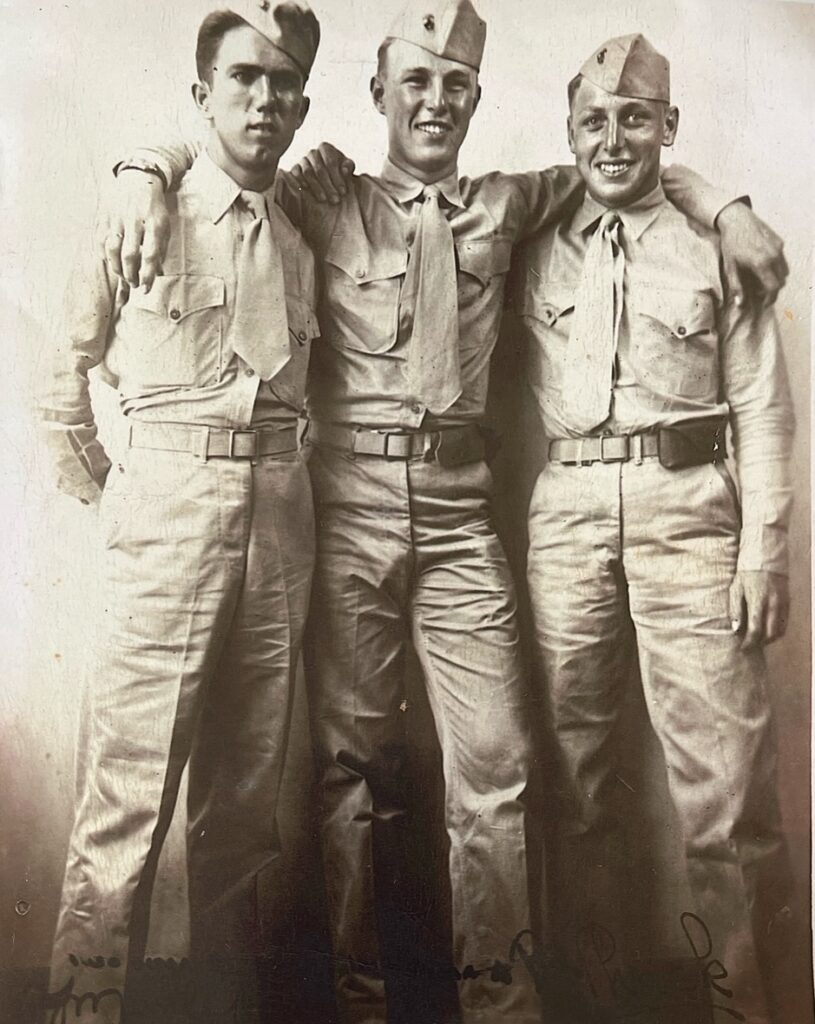
Joseph Raup enlisted in the United States Marine Corps on April 21, 1944, at the age of seventeen, in Philadelphia. On June 9, 1944, Private Raup reported to the Marine Corps Recruit Depot, Parris Island, South Carolina, for boot camp. On August 9, 1944, Raup reported to Camp Lejeune, North Carolina, for further training before being sent to Camp Pendleton, California, for four days to prepare for deployment to Hawai’i.
On November 22, 1944, Private First Class Raup was assigned to E Company, 4th Pioneer Battalion, 4th Marine Division as an engineer equipment operator. Raup’s unit spent November through January 1945, staging and training in Maui, Hawai’i, for the Battle of Iwo Jima. On February 19, 1945, they landed on Iwo Jima to support the 25th Marines. Raup recalled of their landing, “It was bad news . . . Upon landing, we immediately jumped into a crater with three Seabees and did a lot of praying. We were all having a tough time and were under constant fire.”
As an engineer equipment operator, Raup operated a Caterpillar D7 (M1) bulldozer. His unit worked to clear the beach for tanks coming ashore. Raup landed on Yellow 1 beach and never fired a shot during the entire battle. He was too occupied with engineering tasks. He did hold tripods for machine gunners, though. The Battle of Iwo Jima lasted until March 26, 1945. Raup’s unit then returned to Maui to refit and train for the anticipated invasion of Japan.
After the Japanese surrendered on September 2, 1945, Private First Class Raup was transferred to the 18th Service Battalion, Service Command, Fleet Marine Force Pacific. Here, he added a secondary military specialty — truck driver.
On April 1, 1946, a tsunami struck Maui, destroying multiple buildings and flooding equipment on the beach. The men loaded their destroyed equipment and “buried” it at sea. In the clean-up process, an armor plate slammed onto Raup’s left hand. He spent 30 days in a hospital having his fingers sewn back on.
On May 24, 1946, Raup was transferred back to the Marine Barracks, Naval Base, Philadelphia, Pennsylvania. Raup was honorably discharged on July 26, 1946, as a corporal.
Veteran Experience
After World War II, Raup worked as a public bus driver in Camden, New Jersey. Throughout his life, he took on various roles, including heavy equipment operator, farmer, bartender, bus driver, property manager, and aircraft and auto body mechanic. He was also the founder of various businesses, including soda delivery, a brick cork producer, a caterer, and a restaurateur. Raup was a self-taught architect and home builder, and he coached and refereed a local high school soccer team.
In May of 1949, Raup married Marie Kathryn Smolar. The two remained married until Marie’s death on April 27, 1991. Together, the couple had four children: Kurt, Eric, Jeffrey, and Heidi.
On September 5, 1992, Raup married Patricia L. Burch in Tabernacle Township, New Jersey. They remained married for the next nineteen years, with Raup taking on the role of step-father to Charlene and Charles. Between the two marriages, Raup was the grandfather of 15 and the great-grandfather of three.
Raup loved music and enjoyed performing in local theater productions. He also loved flying single-engine planes and RC hand models. Raup also joined the U.S. Coast Guard Auxiliary, the civilian branch of the U.S. Coast Guard that promoted maritime safety, security, and environmental protection.



Commemoration
Joseph Raup passed away on October 8, 2011, in Warminster, Pennsylvania. He is buried at the Brigadier General William C. Doyle Memorial Cemetery with his first wife, Marie.
Bibliography
Primary Sources
Aerial View of Naval Aircraft Factory at Philadelphia Navy Yard, Pennsylvania, United States. Photograph. c.1940. Philadelphia Navy Yard Collection, World War II Database. https://ww2db.com/image.php?image_id=20240.
Camden, New Jersey – Radio. RCA Victor. Final Inspector… Photograph. 1936. Still Picture Records Section, National Archives and Records Administration (1122914).
Frankford Arsenal Laboratory. Photograph. c.1944. Explore Pennsylvania History Collection, Pennsylvania State Archives. https://explorepahistory.com/displayimage.php%3FimgId=1-2-EBD.html.
“Joseph Raup Collection.” Interview by unknown interviewer, Brookdale Community College, Brookdale Center for World War II Studies. December 13, 2005. https://www.loc.gov/item/afc2001001.33665/.
Joseph Raup. New Jersey, U.S., Marriage Index, 1901-2016. Digital Images. https://ancestryclassroom.com.
“Joseph Raup Obituary.” Legacy. Accessed November 1, 2025. https://www.legacy.com/us/obituaries/pressofatlanticcity/name/joseph-raup-obituary?id=22700468.
Joseph Raup, Official Military Personnel File, Department of the Navy, National Archives and Records Administration – St. Louis.
Joseph Raup, Report of Separation, Department of the Navy, National Archives and Records Administration – St. Louis.
Joseph Raup. U.S., Marine Corps Muster Rolls, 1798-1958. Digital Images. https://ancestryclassroom.com.
Joseph Raup. U.S., World War II Draft Cards Young Men, 1940-1947. Digital Images. https://ancestryclassroom.com.
Marie K. Smolar Raup. U.S., Newspapers.com Obituary Index, 1800s – current. Digital Images. https://ancestryclassroom.com.
New Jersey. Camden County. 1940 U.S. Census. Digital Images. https://ancestryclassroom.com.
New York. Orange County. 1950 U.S. Census. Digital Images. https://ancestryclassroom.com.
“Obituary Information for Patricia B. Raup.” RSS. Accessed November 1, 2025. https://www.campbellfh.com/obituaries/Patricia-B-Raup?obId=22641819.
Patricia L. Burch. New Jersey, U.S., Marriage Index, 1901-2016. Digital Images. https://ancestryclassroom.com.
Pennsylvania. Philadelphia County. 1930 U.S. Census. Digital Images. https://ancestryclassroom.com.
Raup Family Records. 2000-2011. Courtesy of Eric Raup.
Secondary Sources
Beugoms, Jean-Pierre. “Arsenals.” The Encyclopedia of Great Philadelphia. Accessed May 11, 2026. https://philadelphiaencyclopedia.org/essays/arsenals/.
Chapin, John C. The 4th Marine Division in World War II. U.S. Government Printing Office, 1976. https://www.marines.mil/portals/1/publications/the%204th%20marine%20division%20in%20world%20war%20ii%20%20pcn%2019000412800.pdf.
Chen, Peter C. “Philadelphia Navy Yard.” World War II Database. Accessed May 11, 2026. https://ww2db.com/facility/Philadelphia_Navy_Yard/.
Ershkowitz, Herbert. “World War II.” The Encyclopedia of Greater Philadelphia. Accessed May 11, 2026. https://philadelphiaencyclopedia.org/essays/world-war-ii/.
“Joseph Raup.” Find a Grave. Accessed November 1, 2025. https://www.findagrave.com/memorial/78209363/joseph-raup.
“Joseph Raup.” Veterans Legacy Memorial, National Cemetery Administration. Accessed May 11, 2026. https://www.vlm.cem.va.gov/JOSEPHRAUP/81cd94.
“Naval Aircraft Factory in World War Two.” The American Automobile Industry in World War Two. Accessed May 11, 2026. https://usautoindustryworldwartwo.com/navalaircraftfactory.htm.
This profile was funded by a grant from the United States Department of Veterans Affairs. The opinions, findings, and conclusions stated herein are those of the author and do not necessarily reflect those of the United States Department of Veterans Affairs.