

Corporal Keith Albert Krewson
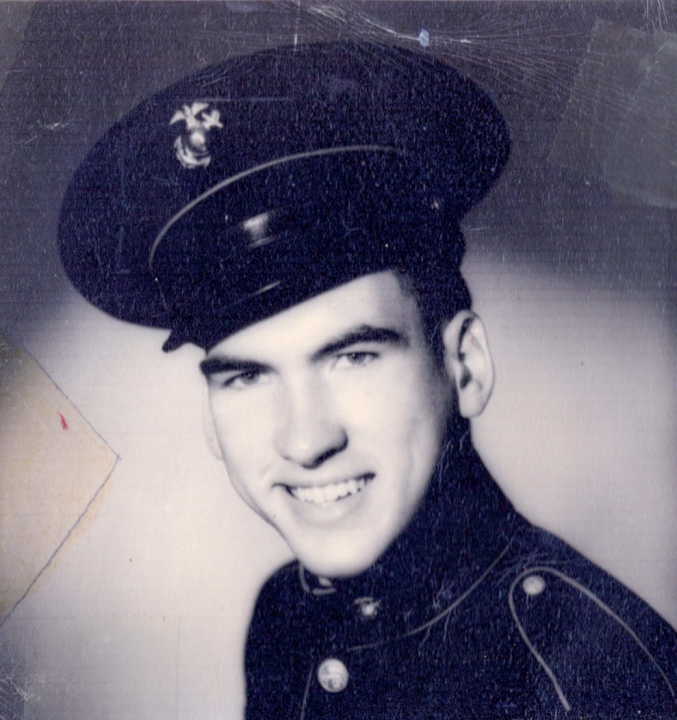
- Unit: Marine Garrison Forces, 14th Naval District
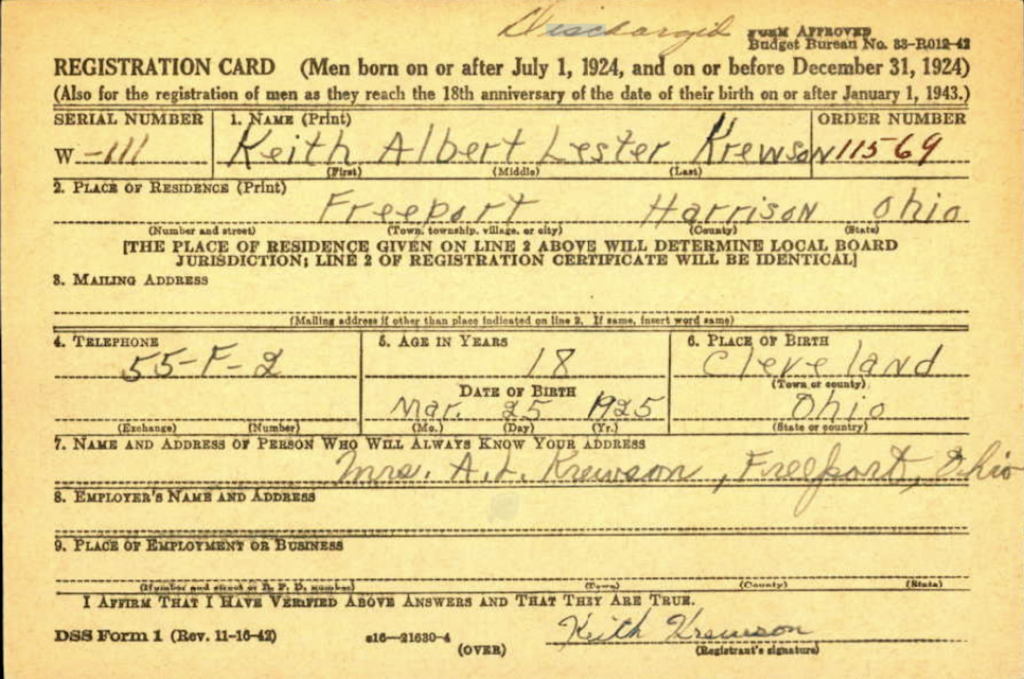
- Date of Birth: March 25, 1925
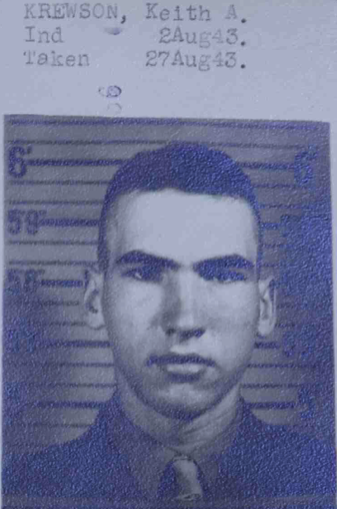
- Entered the Military: August 2, 1943
- Date of Death: April 19, 2018
- Hometown: Cleveland, Ohio
- Place of Death: Nantucket, Massachusetts
- Cemetery: Section F, Row 14, Site D15. Massachusetts National Cemetery, Bourne, Massachusetts
Mentored by Mr. Michael Hill
St. Mary’s Lynn, Lynn, Massachusetts
2025/2026
Early Life
Keith Albert Krewson was born on March 25, 1925, in Cleveland, Ohio. He was the son of Dr. Albert L. Krewson and Dorothy D. Krewson. His father’s parents were Albert F. and Georgia Krewson, and his mother’s parents were Forrest and Fannie Davis. Census records from 1930 show the Krewson family living in Cuyahoga County, Ohio, and by 1940, they were recorded in Harrison County, Ohio.
Growing up during the Great Depression, Krewson experienced a time when many American families faced economic hardship. Krewson grew up with two sisters, Dorothy and Nancy. His childhood and teenage years were shaped by the social and economic realities of the Depression era and the early years of World War II.
As a teenager, Krewson worked in the cornfields of Freeport, Ohio. This agricultural labor required long hours and physical endurance, especially during planting and harvest seasons.
Alongside his seasonal labor, Krewson pursued his education at Freeport High School, graduating in 1943. During his senior year, Krewson worked at the Port Theatre in Freeport, Ohio, as a projectionist.

Homefront
Cleveland, Ohio, played a major role on the American home front during World War II. At the time, Cleveland was the sixth-largest city in the United States and one of the nation’s most important industrial centers. Because of its strategic location along the Great Lakes and near major industrial cities such as Youngstown, Akron, Toledo, and Canton, Cleveland became a crucial hub for iron and steel production. The city’s access to transportation networks and raw materials made it an ideal center for wartime manufacturing.
War Industry
During the war, Cleveland’s industries expanded rapidly to support the military. The government-owned Thompson Aircraft Products Company plant (TAPCO), operated by Thompson Products in nearby Euclid, was constructed in anticipation of the war. By the end of the war, it was Cleveland’s largest employer, with a workforce of more than 16,000.
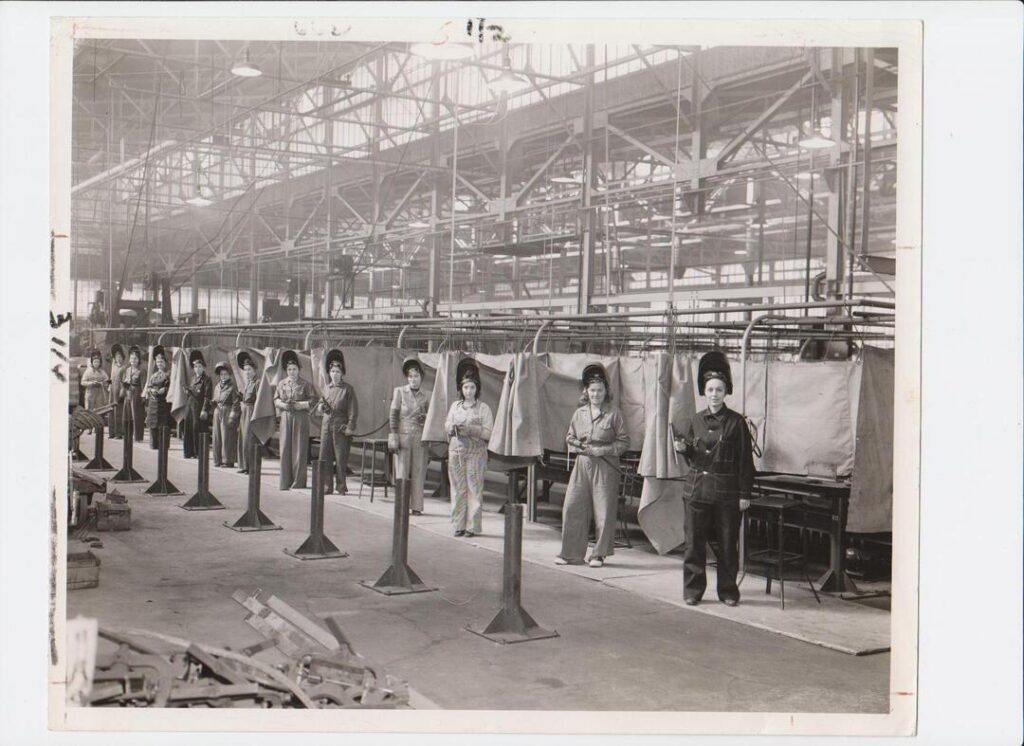
Fisher Body Aircraft Plant No. 2 built B-29 Superfortress parts. The National Advisory Committee for Aeronautics (NACA) Aircraft Engine Research Laboratory contributed to solving engine-cooling problems on the B-29 Superfortress and conducted research on aviation fuels and aircraft icing. Lincoln Electric, the world’s largest manufacturer of arc welding equipment, developed new welding techniques that contributed to the construction of 2,700 Liberty Ships in the war effort. These organizations made Cleveland a center of aeronautical science and heavy manufacturing.
Steel mills operated at full capacity, and war-related production transformed the city into an essential contributor to the Allied war effort. Republic Steel Corporation, headquartered in Cleveland and the nation’s third-largest steel producer, operated three major plants within the city during the war, including the Corrigan-McKinney Works along the Cuyahoga River — one of the ten largest steel plants in the country. This industrial expansion brought jobs and opportunity, but it also placed enormous demands on workers and local resources.
Civilian Efforts
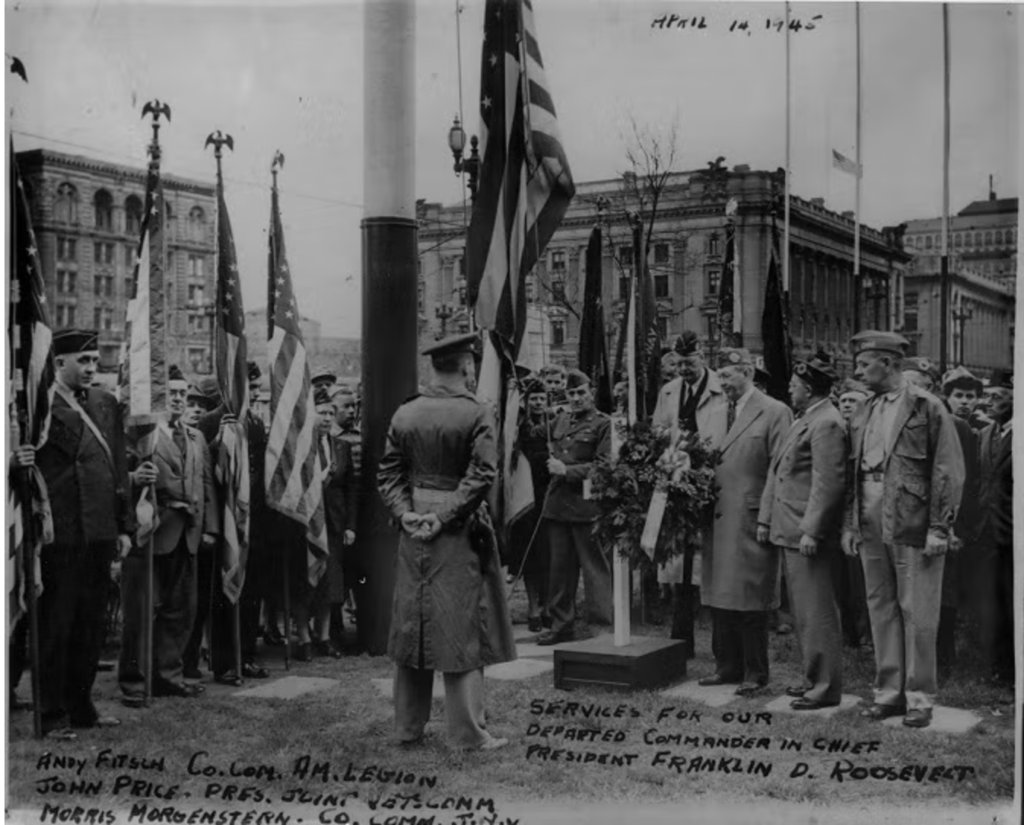
Cleveland residents planted Victory Gardens throughout the city, growing vegetables in backyards, vacant lots, and community spaces. Families participated in large-scale home canning and preservation efforts to reduce demand for commercially canned goods and free up transportation for military supplies. Families also rationed food items such as sugar, meat, and canned goods, as well as non-food items like shoes.
Population Changes
Between 1940 and 1943, the city’s population increased as people moved from surrounding rural counties to take factory jobs. Women and minority groups, such as African Americans, found jobs previously off-limits to them. Women stepped into industrial jobs as welders, mechanics, and engineers. African American employment in Cleveland’s manufacturing sector grew by seventy-five percent.
At the same time, 839,000 Ohioans served in the armed forces, meaning many families had loved ones overseas. This combination of migration for industrial work and military service reshaped neighborhoods and strained housing and infrastructure.
Rapid industrial growth created concerns about postwar unemployment once military contracts ended and servicemen returned home. Smaller rural counties in Ohio were hit especially hard as the population shifted toward industrial centers like Cleveland.
Military Experience
Training
Keith Albert Krewson was inducted into the United States Marine Corps Reserve on August 2, 1943. At just eighteen years old, he entered the service during a critical period of World War II, when the United States was heavily engaged in the Pacific Theater. After he attended boot camp at Marine Corps Recruit Depot in San Diego, California, he was sent to Sea School. His Sea School training lasted approximately five weeks and prepared him for sea duty assignments, an important component of Marine operations in the Pacific.
During his early training period in San Diego, Krewson completed bayonet instruction on October 6, 1943. He later underwent anti-aircraft training at the Anti-Aircraft Training Center in Pacific Beach, California. His firearms record shows that he completed training on multiple anti-aircraft weapon systems, including the .50-caliber machine gun, the 20mm, and the 40mm anti-aircraft guns. On November 1, 1944, while stationed at Pearl Harbor, he completed Course B training for the Thompson submachine gun.
Overseas Service
Krewson’s service included travel across the Pacific. On December 10, 1943, he embarked from San Francisco aboard SS Matsonia and the crew disembarked in Honolulu, Hawai’i, on December 17. His primary assignment was at the Marine Barracks, Naval Air Station, Pearl Harbor, as part of the Marine Garrison Forces under the 14th Naval District. His principal duty was serving as an orderly to Admiral Murray. An orderly’s responsibilities typically included delivering messages and documents, assisting officers, maintaining records, handling supplies, organizing workspaces, and supporting administrative or logistical functions. While this role was not primarily combat-focused, it was essential to maintaining the organization and communication structure of a military unit. He remained in Pearl Harbor throughout the rest of 1944 and into 1945. In February 1945, he was promoted to corporal.
Discharge
On June 15, 1945, Corporal Krewson embarked aboard USS San Saba at Pearl Harbor and arrived in San Francisco on June 21, 1945. From there, he moved through a series of stateside assignments, including Camp Lejeune in North Carolina, and then back to California. On July 5, 1945, Krewson married his childhood sweetheart, Jean Curtis.
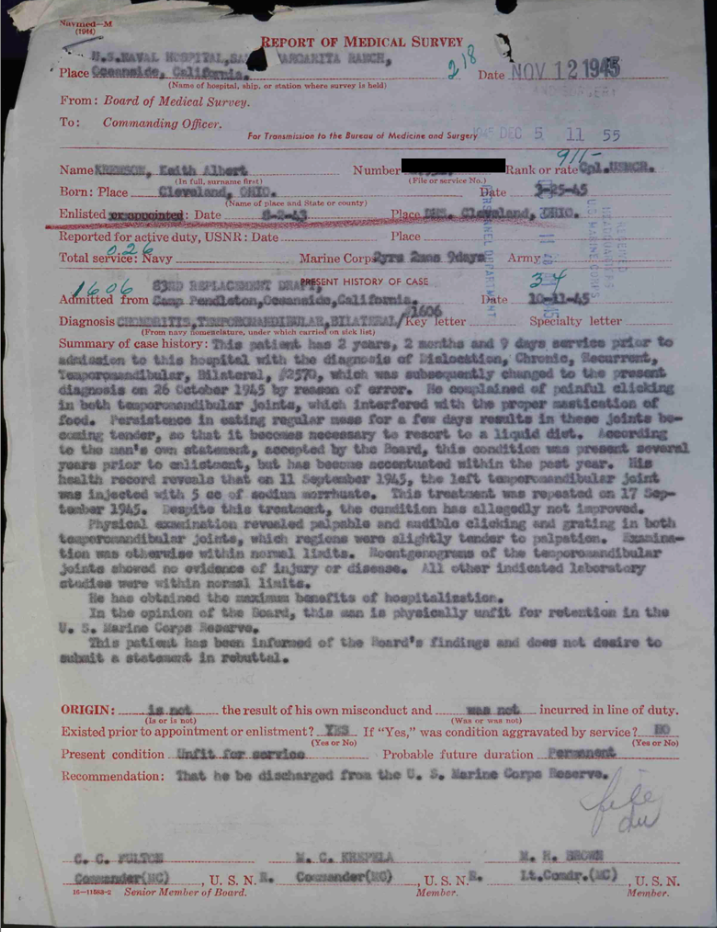
In October 1945, Krewson was seen by doctors at the U.S. Naval Hospital, Santa Margarita Ranch, in Oceanside for chronic inflammation of both jaw joints. The medical record shows that Krewson suffered from this ailment for several years, predating his military service, but that it had worsened over time, sometimes requiring a liquid diet.
After several injections of sodium morrhuate, the condition did not improve. A board of doctors reviewed his case on November 12, 1945, and found Krewson “unfit for service.” They recommended his discharge from the U.S. Marine Corps Reserve.
Krewson was honorably discharged on December 1, 1945. Krewson’s final active duty station was Camp Pendleton in Oceanside, California, where he was separated from service.
Veteran Experience
Krewson was honorably discharged from the United States Marine Corps Reserve on December 1, 1945. Krewson and Jean moved to Chicago and later divorced. Krewson then married Margaret (Peggy) Olmsted in 1961. Together, they had three children, a son and two daughters.
Krewson graduated cum laude from Case Western Reserve University, earning both undergraduate and graduate degrees in Industrial Psychology. He went on to work as an industrial psychologist, labor mediator, and hospital administrator, all while operating his own corporate communications business and teaching at various colleges. He was also substantially involved in his community.
Masonic Life and Leadership
Keith Krewson was a Freemason for fifty-five years. He was a member of the Charles River Lodge in West Medway, Massachusetts, and later affiliated with the lodge in Nantucket. He was raised to the degree of Master Mason, the third and highest of Blue Lodge Freemasonry’s foundational degrees. While master mason is the highest of the foundational degrees, it also represents a deep engagement with the principles of brotherhood, charity, integrity, and service to humanity.
Within his lodge, Krewson was not a passive member. He was widely regarded for his camaraderie, reliability, and steady leadership. Freemasonry places strong emphasis on mentorship, ritual precision, and community charity—areas in which Krewson was particularly active. His long tenure suggests he likely participated in degree work, lodge governance, and charitable initiatives over multiple decades.
His service was formally recognized when he received the Joseph Warren Distinguished Service Medal. This award is given to a Mason who has provided distinguished service to their lodge and community. Receiving such a medal indicates that Krewson’s contributions went beyond routine participation. He embodied the Masonic ideal of living one’s principles through action.
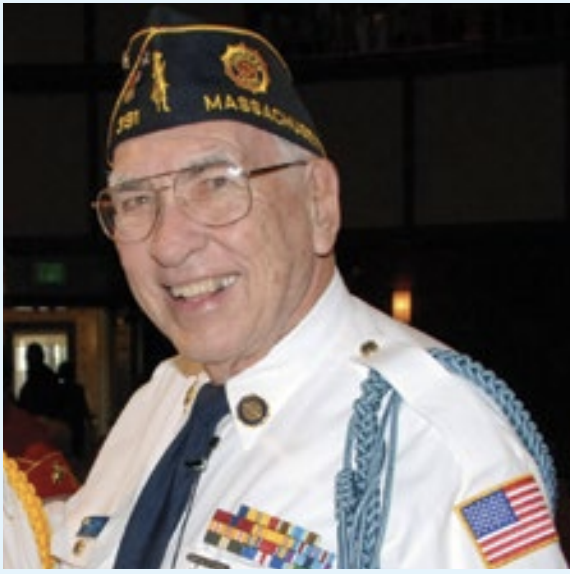
Additionally, he was recognized as a Freemason Veteran, connecting his military service with his fraternal commitment. Freemasonry has long emphasized patriotism and civic responsibility, and Krewson’s life reflected both. His decades of involvement helped sustain local lodge activity and strengthened community outreach programs associated with Masonic charity.
Angel Flight: Service Through Aviation
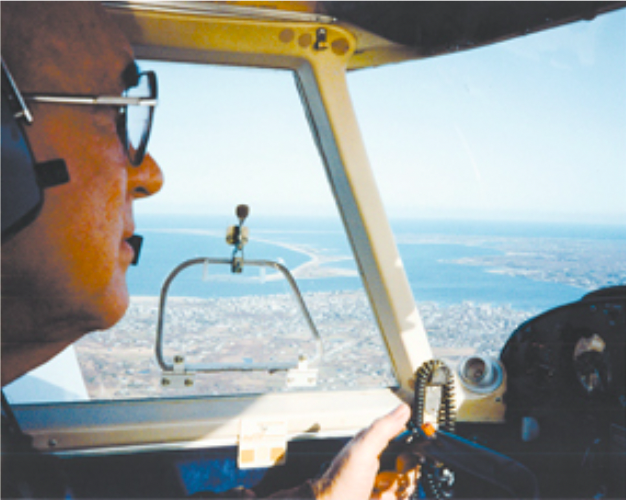
Perhaps the most remarkable aspect of Krewson’s postwar life was his work with Angel Flight. Angel Flight is a volunteer pilot organization that provides free air transportation to individuals who must travel for medical treatment but cannot afford the cost. These flights often involve patients battling serious illness, including cancer and other life-threatening conditions.
Living on Nantucket—an island off the coast of Massachusetts—Krewson recognized that access to mainland medical care could be financially and logistically difficult. He regularly flew patients from Nantucket and other parts of New England to hospitals in Boston and surrounding cities. Each mission required careful planning, coordination with medical schedules, and a full day’s commitment. Many flights took between seven and ten hours from preparation to completion.
Over the course of his service, Krewson completed hundreds of Angel Flight missions. His total flight hours placed him among the most dedicated volunteers in the organization’s history. He was nationally recognized for his extraordinary commitment and was among the most prolific Angel Flight pilots in the United States.
His aviation service extended beyond Angel Flight. He also flew charity missions to raise money for churches, civic groups, and hospitals. In doing so, he transformed a personal skill—piloting—into a tool for public good. His involvement earned him recognition from aviation organizations such as the OX5 Aviation Pioneers, further demonstrating his standing within the broader aviation community.
Community Recognition and Legacy
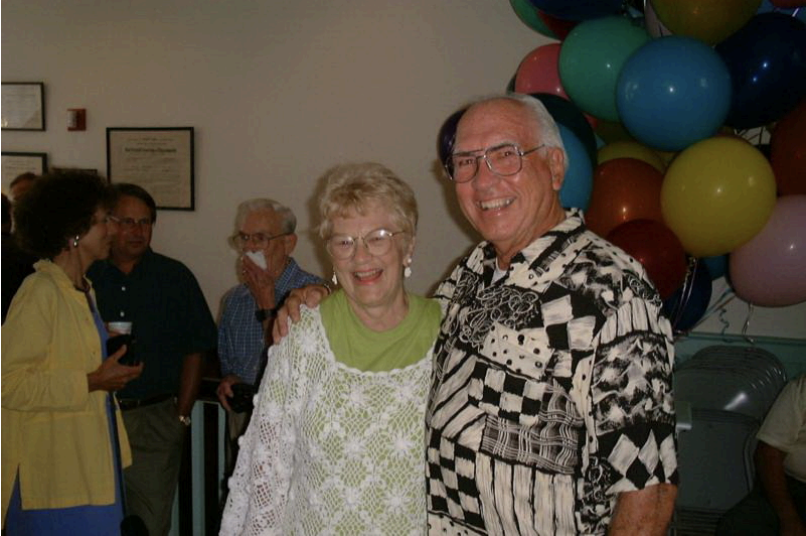
Mr. Krewson and his wife, Peggy, were later named the Nantucket Council on Aging’s Senior Citizens of the Year, a reflection of the deep impact they had on their community. His contributions were not limited to isolated acts; they formed a sustained pattern of service that spanned decades.
When Keith Krewson passed away on April 19, 2018, he left behind more than a military record. He left a legacy of disciplined service transformed into lifelong civic action. Through Freemasonry, he strengthened bonds of brotherhood and charity. Through Angel Flight, he provided tangible, life-changing support to individuals in medical crisis.
The values forged during his time in the Marine Corps—commitment, responsibility, and willingness to serve—continued to guide his actions for more than seventy years.
Commemoration
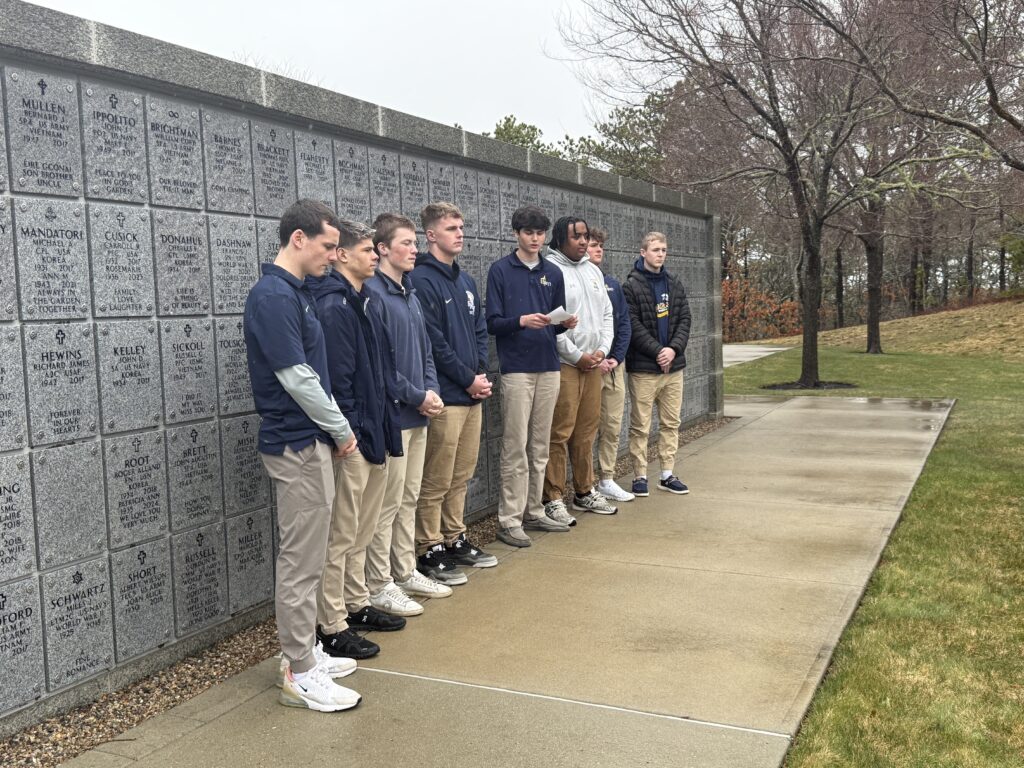
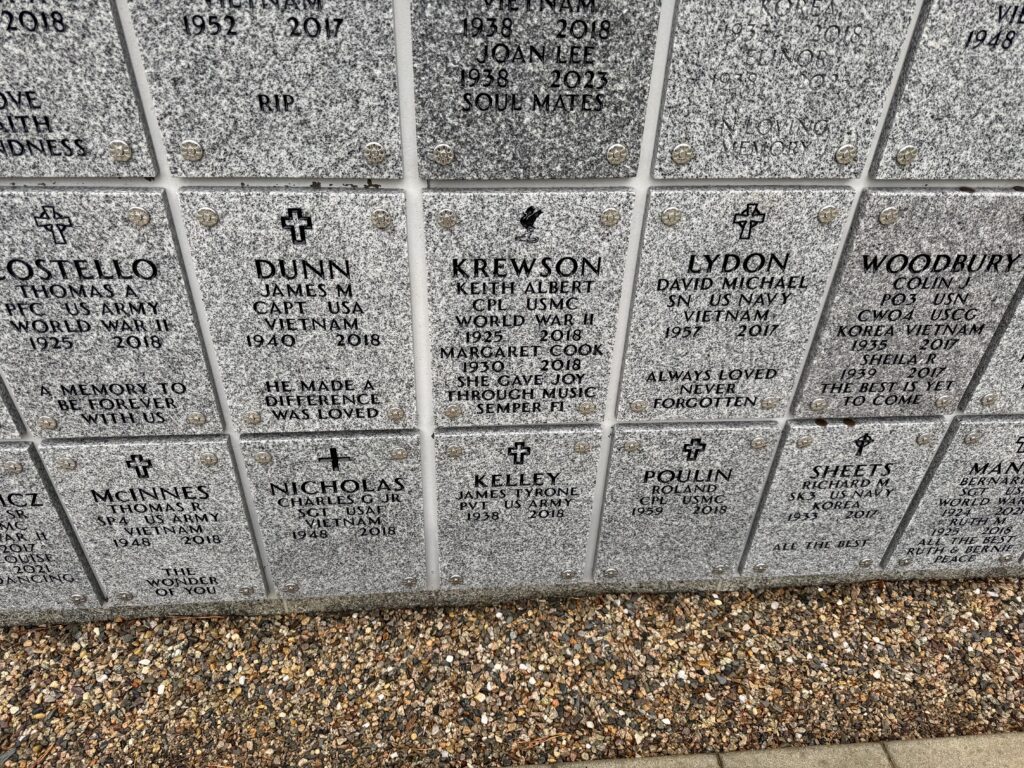
Keith Krewson passed away peacefully at home on April 19, 2018, at the age of 93. He was laid to rest at the Massachusetts National Cemetery in Bourne, Massachusetts.
Bibliography
Primary Sources
Cook, Sylvia. “OX5 News- Volume 52- Number 5.” OX5 News. Volume 52, Number 5, (November 2010). ox5.org/wp-content/uploads/2011/05/OX5-Nov-2010-National-Newsletter.pdf.
Fiske, Beth H. Impact of the War on the Cleveland, Ohio Area. United States Department of Labor Bureau of Labor Statistics, 1944. https://jstor.org/stable/community.32526194.
Graham, Richard. Zoom interview with the author. November 13, 2025.
“Keith Albert Krewson.” Morrill Funeral Home. Accessed October 24, 2025. https://www.morrillfuneralhome.com/obituary/5581854.
Keith Albert Krewson, Official Military Personnel File, Department of the Navy, National Archives and Records Administration – St. Louis.
Keith Albert Krewson. World War II Draft Cards Young Men, 1940-1947. Digital Images. https://ancestry.com.
Krewson, Keith. “Keith Albert Crewson Family Tree.” https://ancestry.com.
Lux. Cleveland, Ohio: Case Western Reserve Yearbook, 1950.
Mushnick, Brian. Email interview with the author. November 6, 2025.
Ohio. Cuyahoga County. 1910 U.S. Census. Digital Images. http://ancestry.com.
Ohio. Cuyahoga County. 1930 U.S. Census. Digital Images. http://ancestry.com.
Ohio. Harrison County. 1940 U.S. Census. Digital Images. http://ancestry.com.
Tracy, Susan S. “Keith Albert Krewson Personal Narrative.” Interview by Susan S. Tracy, Veterans History Project, Library of Congress. December 17, 2017. https://www.loc.gov/item/afc2001001.103447/.
U.S. Presbyterian Church Records, 1701-1970. Massachusetts, U.S., Ancestry.com. Digital Images. https://ancestry.com.
Women At Republic Steel, 1942. Photograph. 1942. Cleveland Historical. https://clevelandhistorical.org/files/show/310.
Secondary Sources
“A Life of Service.” Trowel – Grand Lodge of Masons in Massachusetts. Fall 2016. https://massfreemasonry.org/wp-content/uploads/2016/12/Trowel-2016-03-Fall.pdf.
“Back the Attack! Propaganda and World War II.” Ohio Memory. Published March 4, 2016. Accessed November 1, 2025. https://ohiomemory.ohiohistory.org/archives/2656.
“Civil Rights: Minorities.” PBS. Accessed November 15, 2025. https://www.pbs.org/kenburns/the-war/minorities.
“Keith Albert Krewson.” Find a Grave. Accessed November 15, 2025. https://www.findagrave.com/memorial/189700620/keith-albert-krewson.
“Keith Albert Krewson.” Veterans Legacy Memorial. Accessed October 24, 2025. https://www.vlm.cem.va.gov/KEITHALBERTKREWSON/4579AD5.
Morton, Marion. “Community Gardening: Encyclopedia of Cleveland History: Case Western Reserve University.” In the Encyclopedia of Cleveland History. September 10, 2021. https://case.edu/ech/articles/c/community-gardening.
“NASA John H. Glenn Research Center at Lewis Field.” Encyclopedia of Cleveland History. Accessed April 9, 2026. https://case.edu/ech/articles/n/nasa-john-h-glenn-research-center-lewis-field.
Ohio History. “Reflection on Sacrifice During the WW2 Era.” Ohio Memory. Accessed November 15, 2025. https://ohiomemory.org/digital/collection/p15005coll4/id/13/rec/32.
Sweeten, Leena, Donald Burden, Meghan Hesse, Jennifer Mastri, Brandon McCuin, and Doug Owen. Ohio Modern: Preserving Our Recent Statewide Historic Context. Gray & Pape, Inc., 2010.
Warm, Tracey. “Wartime Production.” OAH Magazine, Spring 2002. http://www.jstor.org/stable/25163526.
“World War II.” Encyclopedia of Cleveland History. Accessed April 9, 2026. https://case.edu/ech/articles/w/world-war-ii.
This profile was funded by a grant from the United States Department of Veterans Affairs. The opinions, findings, and conclusions stated herein are those of the author and do not necessarily reflect those of the United States Department of Veterans Affairs.