

Sergeant Louis Roy Sanchez
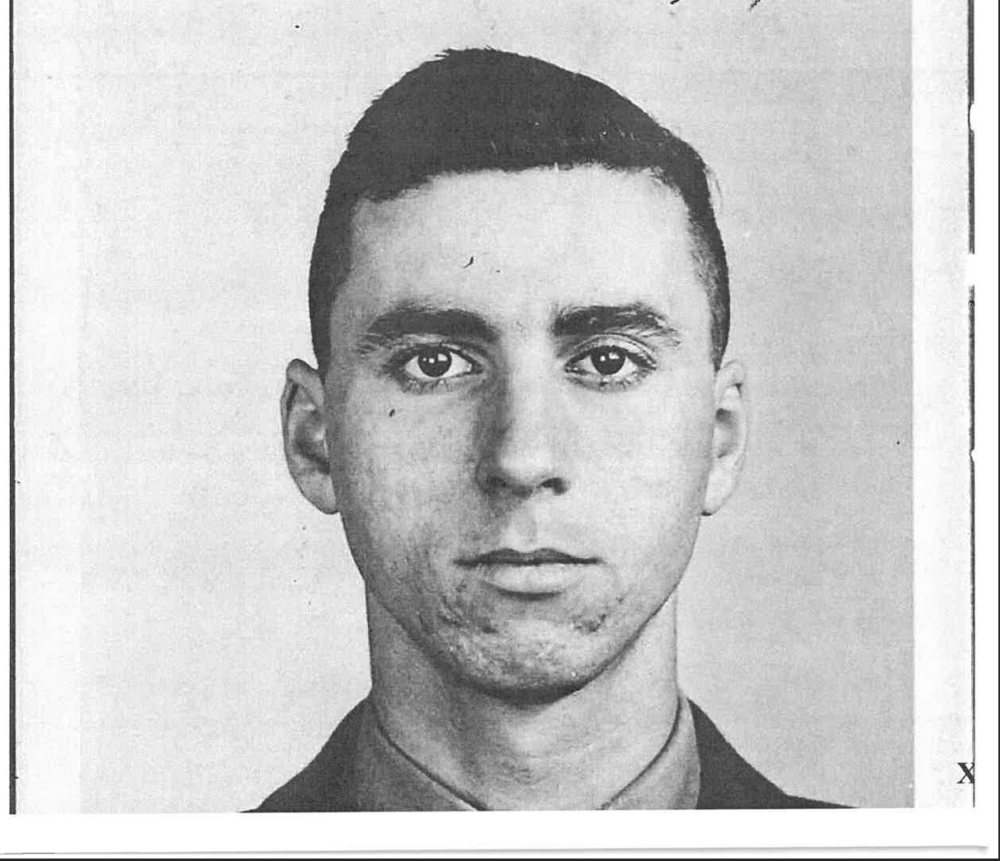
- Unit: Third Marine Division, 6th Regiment
- Date of Birth: January 5, 1922
- Entered the Military: September 21, 1939
- Date of Death: November 6, 2017
- Hometown: Gretna, Louisiana
- Place of Death: Greenville, South Carolina
- Award(s): Purple Heart
- Cemetery: Section H, Row 3, Grave 125. MJ “Dolly” Cooper Veterans Cemetery, Anderson, South Carolina
Mentored by Mrs. Kim Guthrie
Palmetto Christian Academy of Gaffney
2025/2026
Early Life
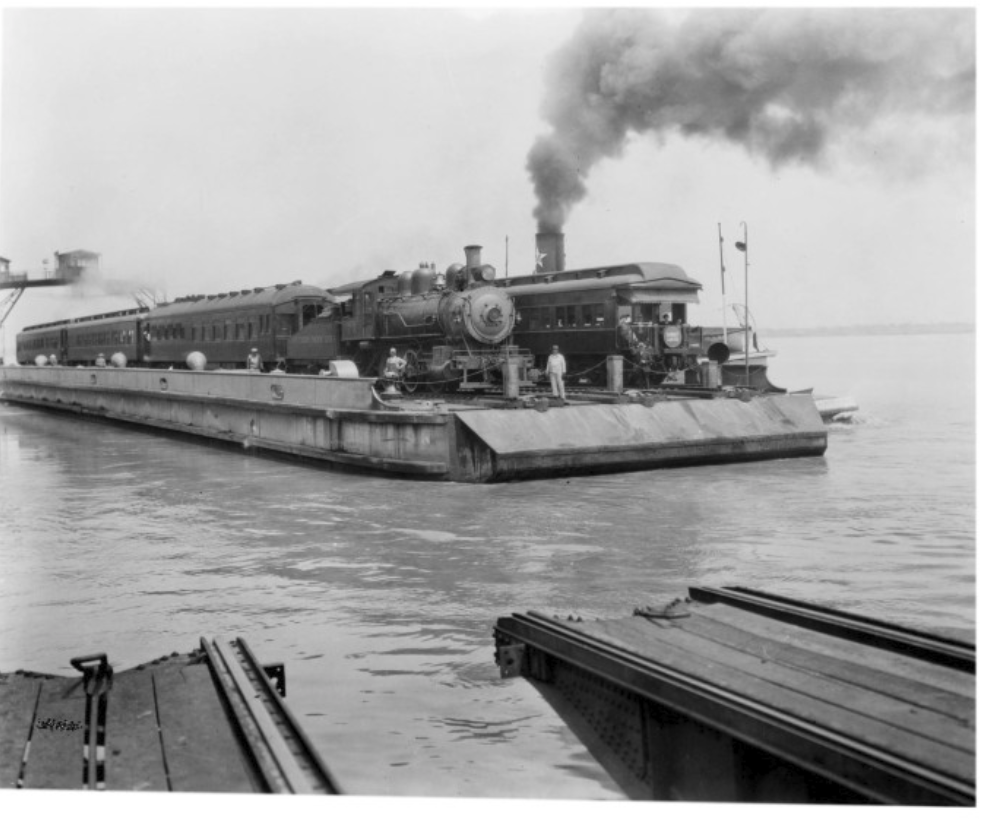
Louis Roy Sanchez was born on January 5, 1922, to Anthony (Tony) and Angelina Sanchez in Plaquemine, Louisiana. Louis was one of eight children who grew up in the railroad town of Gretna, Louisiana, just across the Mississippi River from New Orleans, Louisiana. Gretna was a vital railroad hub. Because of the availability of commercial transport, there were also many industrial businesses in the town, notably Celotex, which used sugarcane fibers to build insulated panels, and industrial alcohol and oil distilleries.
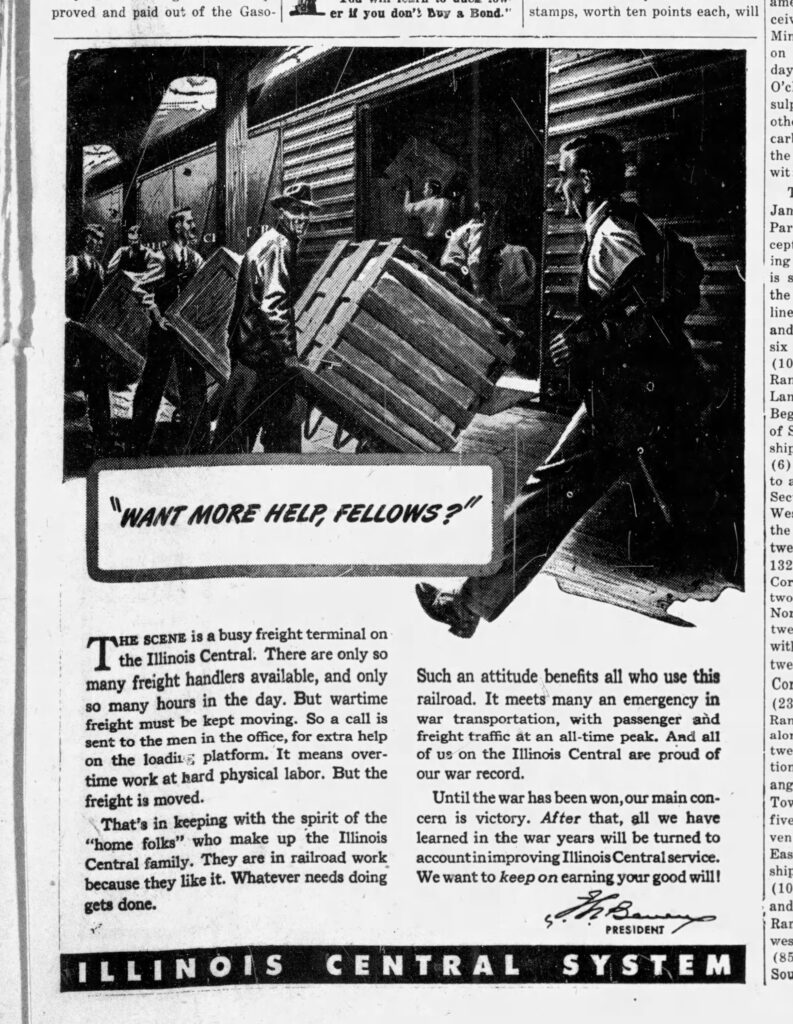
The railroad was a source of income for many families in Gretna, including the Sanchez family, as Louis’s father, Anthony, worked for the railroad. In the 1930s, one impact of the Great Depression was an influx of hobos who rode the freight cars. The railroad owners took a strong stance against people riding their trains for free, and many towns worried that these unemployed men would flood their towns in search of work or handouts. So much so that one railroad worker decided to take matters into his own hands and use lye to poison these unwanted passengers. Regrettably, Anthony Sanchez drank a cup of poisoned coffee that was intended for a hobo and died, leaving Angelina to raise Louis and three other siblings on her own.
As a result of his father’s death in 1938, both Louis and his older brother, Alvin, became wage earners. Alvin was employed at a local distilling plant, while Louis left school after eighth grade to work at a local drugstore as a clerk. According to the 1940 Census, Alvin had worked for 16 weeks, and Louis had worked 51 weeks in 1939. In the week before the census, Alvin, at age 24, had worked 40 hours, yet Louis, at age 18, had worked for 60 hours in the drugstore.


Homefront
Gretna was a growing town due to industry and railroads. Louisiana’s governor and senator, Huey P. Long, helped to use federal funds during the Great Depression to improve the infrastructure in and around New Orleans. One of his projects was a railroad bridge connecting New Orleans with Jefferson Parish, where Gretna is located. The bridge was the first to cross the Mississippi River in Louisiana and was completed in 1935. It was named for Huey P. Long, who had been assassinated that same year. For Louis and others who lived in Gretna continued to use one of several ferries to cross the Mississippi to visit or work in New Orleans, as the Huey P. Long Bridge was only for railroads.
As with many other port cities, industry and the railroads were in full swing as the world went to war. By 1942, the economy was strong with seven railroad lines: Southern Pacific, Texas and Pacific, Missouri Pacific, Louisiana & Arkansas, Illinois Central, New Orleans Public Belt Railroad, and the Southern Railway. According to the Jefferson Parish yearly report for that year, the following industries had full-time working employees: “the Celotex Plant, the largest sugar cane syrup plant in the nation, the molasses center of the US, the largest Cottonseed Products plant in the US, and the largest shrimp cannery in the world.”
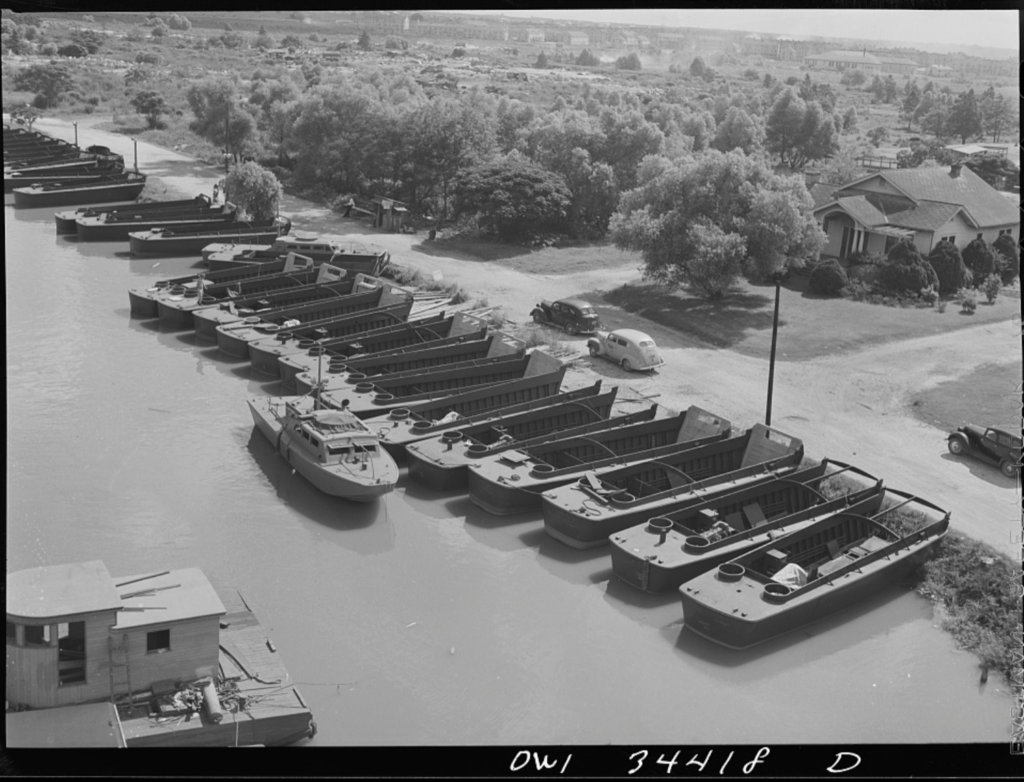
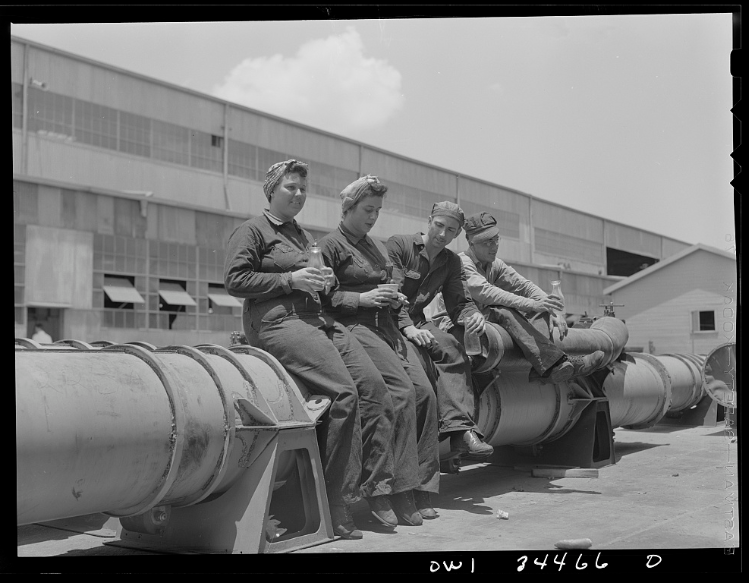
At the same time, Andrew Jackson Higgins of New Orleans had begun modifying his bayou boats for military landings in North Africa, and eventually on the west coast of Normandy, France, and the Pacific islands. The need for these “Higgins Boats” allowed Higgins Industries to go from employing 75 workers in 1938 to over 20,000 by 1943. Higgins Industries was the first employer in New Orleans to hire people of all backgrounds and abilities, including the elderly, people with disabilities, and women, regardless of race. All employees were paid the same wage for their jobs.
Military Experience
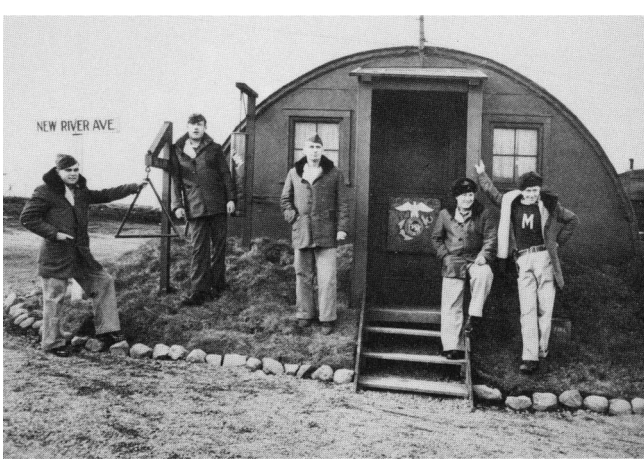
Louis Sanchez enlisted in the U.S. Marine Corps Reserves on September 21, 1939 while living in Gretna, Louisiana. He entered basic training on November 1, 1940 then was attached to Company F, 2nd Battalion in San Diego, California, before he was transferred to HQ Company, 2nd Battalion as a guard. In January 1942, he sailed to Iceland with the First Provisional Marine Brigade to guard Iceland against German ships, enabling British troops currently serving in Iceland to leave and head to the fighting in Europe.
Sanchez traveled through the Panama Canal on his way from the Pacific to the Northern Atlantic Ocean. He was promoted to private first class during this mission. He returned to California in March, three months later, as U.S. Army soldiers were sent to replace the Marines based there.
In July 1942, Sanchez was assigned to Company A, 1st Battalion of the newly activated 21st Marine Regiment at Camp Elliot, San Diego, California. On February 2, 1943, he was promoted to corporal as he prepared to deploy to the South Pacific. Corporal Sanchez would be one of 21,000 U.S. Marines from the 21st Marine Regiment who disembarked at Wellington, New Zealand, and went to Paekākāriki, where they set up camp for training.
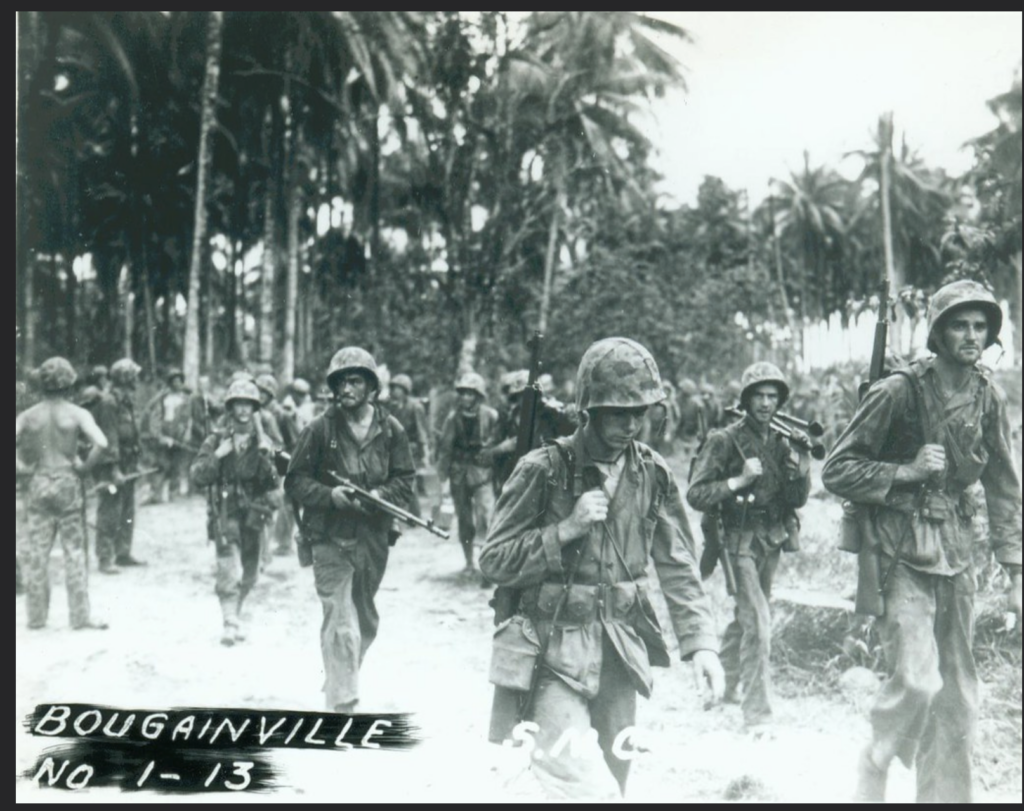
As part of Operation Cartwheel, in late October, he sailed over 1,800 miles to land at Bougainville, which the Japanese had occupied since 1942, for the purpose of securing it for a future Allied airbase. The initial landing on Bougainville was a Marine Corps operation with land troops landing on its beaches on November 1, 1943. During this campaign, Sanchez was promoted to sergeant.
Heavy fighting against the embedded enemy and the harsh tropical jungle slowed the advance, which is why, at the end of November, Company A split into two sections to scout the enemy position. One section circled the hill to see if the other side offered better access. The second section climbed the hill to clear the caves on their side. As the second patrol advanced up the hill, it was fired upon, and the men were trapped. Reinforcements were called in, and when they arrived, they moved to ensure that the Japanese could not escape. A battle of rifles, grenades, snipers, and machine guns ensued. The wounded Marines were evacuated, but progress was on a small scale due to the enemy hiding in caves. At the end of November, heavy fighting continued, but control was transferred to Australian troops, freeing up the Marines for other campaigns. The Japanese would not surrender control of Bougainville until August 21, 1945.
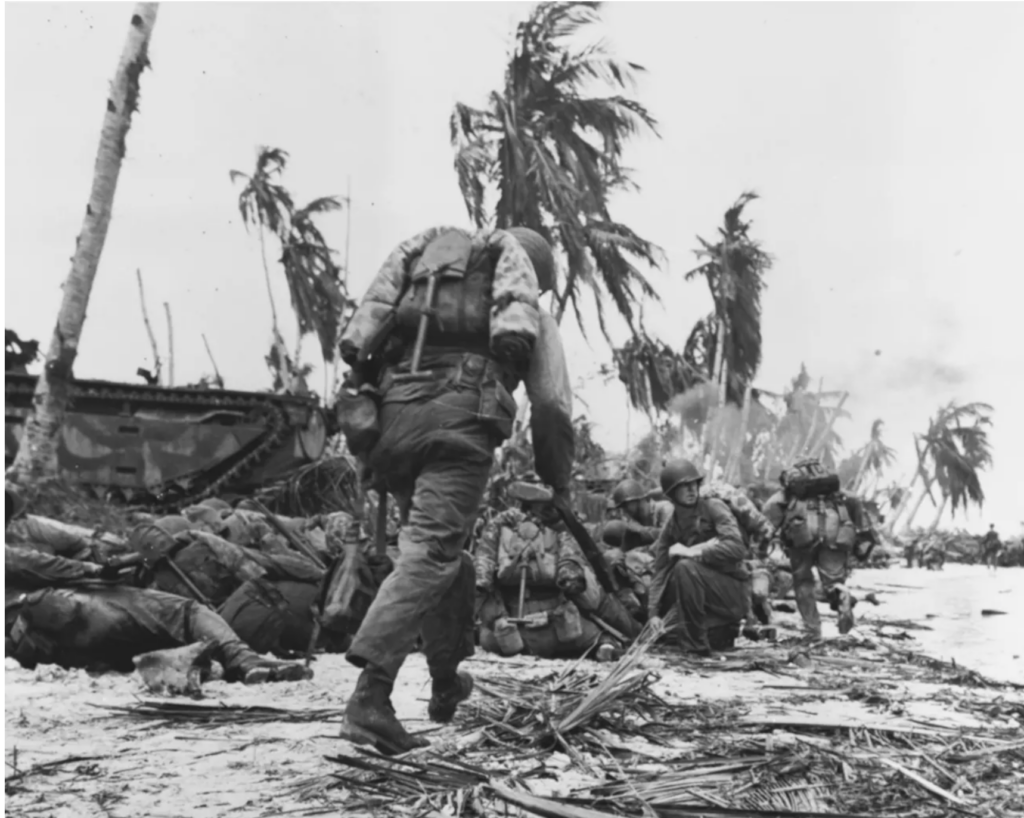
On July 21, 1944, Corporal Sanchez embarked again, this time heading 1,500 miles west to the Marianas Islands to the island of Guam as part of Operation Forager. He took part in the initial landings at 8:32 a.m. on July 21, 1944, at the Orote Peninsula, where the Imperial Japanese Army had a garrison and airfield. Beginning on July 25, Sanchez continued to fight through the swamps and jungle of the island, which resulted in the Japanese troops attempting to evacuate, but they were sunk by U.S. artillery and air strikes. The company faced a banzai attack, but the Third Marine Division repelled the Japanese. Fighting continued for a few days, culminating in the final battle on August 7.
Records show that Sanchez was at U.S. Naval Hospital Base 3 on August 8. He was wounded when an enemy mortar pierced his thigh. While Sanchez was severely wounded by the hot mortar, it did not explode, and he was able to recover. He was hospitalized through September 1944.
Sanchez would eventually return home to the New Orleans Naval Yard, where he had general duties, until he received a medical discharge on June 15, 1945.
Veteran Experience
Sanchez returned home to Gretna, Louisiana, after being discharged on June 15, 1945. Knowing he had not attended high school, he planned to make the Marine Corps his career. While the Marine Corps may not have given him a lifelong career, in a way, it did give him his wife.
While stationed in Reykjavik, Iceland, in 1942, he saw a copy of a New Orleans paper a friend had open on his footlocker. The paper was open to the friend’s sister’s engagement announcement with her picture. Mr. Sanchez hatched a plan to meet her by having his friend invite him to dinner the next time they were home on leave, because he planned on marrying her.
Upon his return to the U.S. on leave, Sanchez was introduced to Georgette Hinyub for the first time. A week later, he borrowed his brother’s car and rode it on the ferry across the Mississippi to New Orleans. He convinced Miss Hinyub to let him drive her home from her job. She agreed and quickly ended her original engagement.
Louis Sanchez and Georgette Hinyub were married in December 1945 when he returned home. They had one daughter, Lola, and two sons, Louis and Tony.
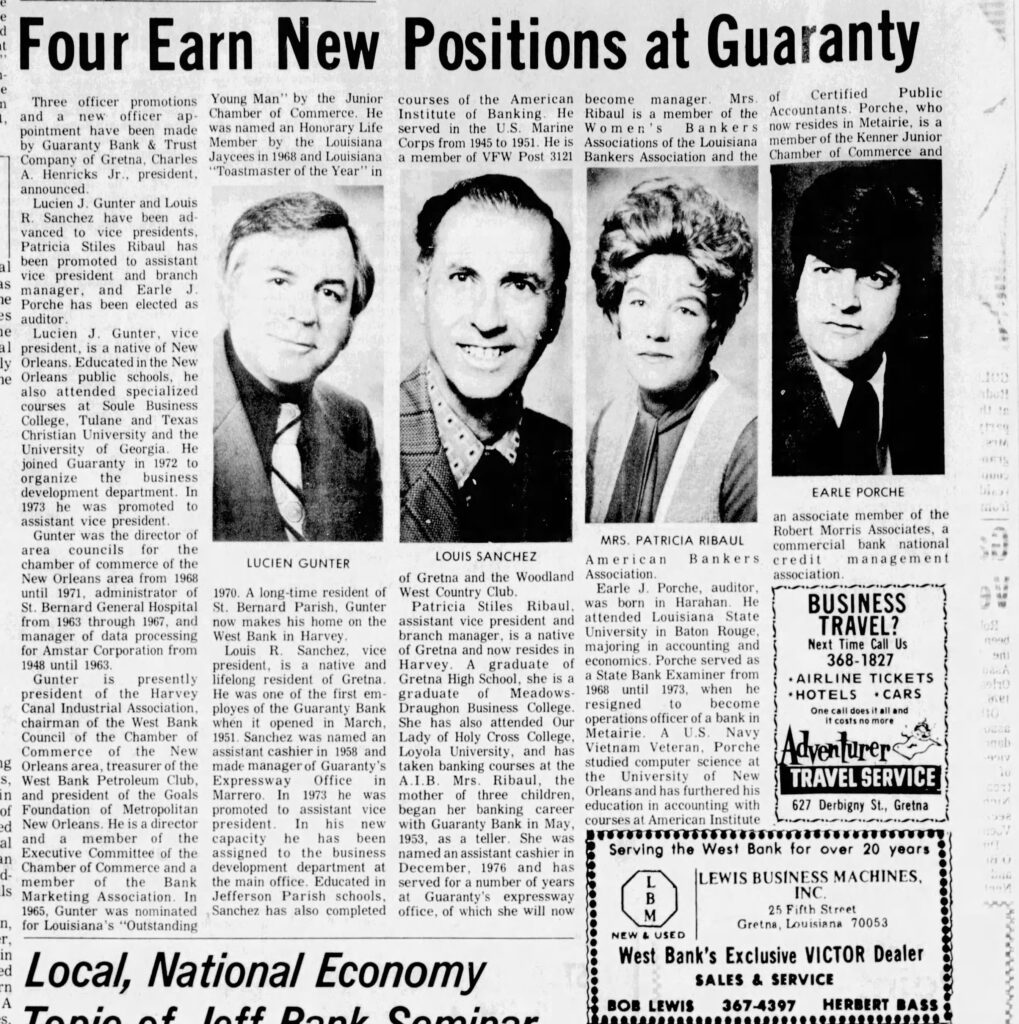
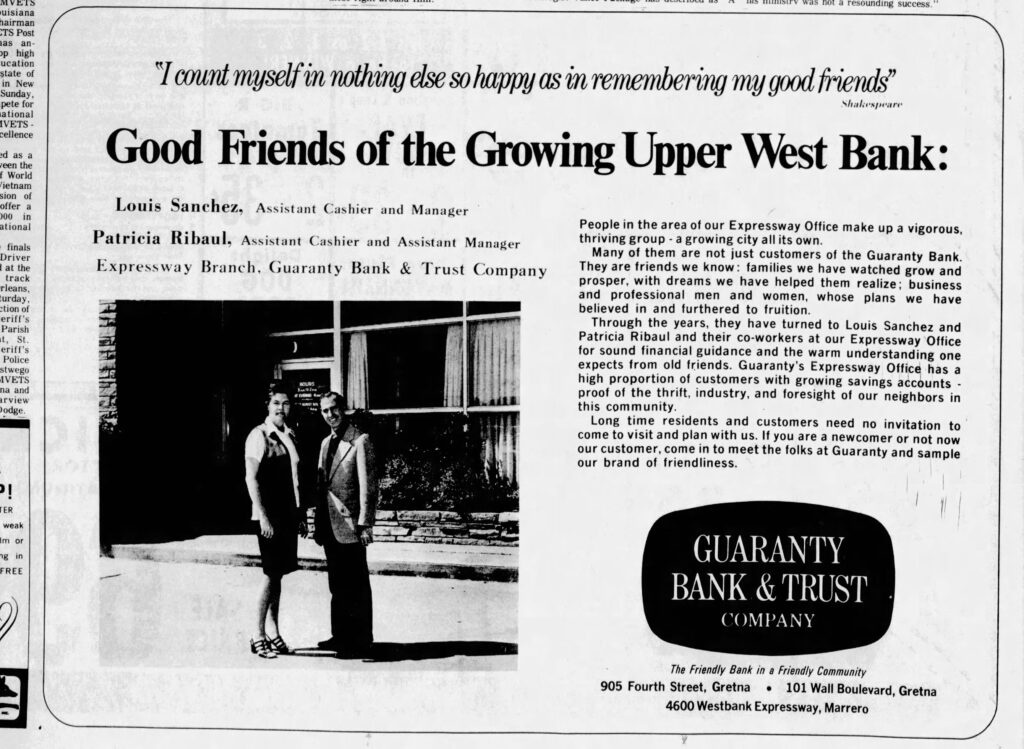
In 1950, Sanchez worked as a billiard mechanic. In 1951, he joined the newly opened Guaranty Bank in Gretna, Louisiana, as a cashier. In April 1973, he was promoted to assistant cashier and manager of the Guaranty Bank and Trust, Expressway Branch. Three years later, he was promoted to vice president.
Sanchez was a board member of the local Civic Club and led many fundraisers for a school for students with disabilities. He was also an active member of the VFW Post 5121 and the Woodland Country Club.
After working for Guaranty Trust Bank for 35 years, he retired. He split his retired years between Louisiana, where his daughter Lola and her husband lived, and Greenville, South Carolina, where his sons Louis and Tony lived. He enjoyed his time spent with his children and grandchildren. He continued his love of the Marine Corps and attended several Marine Corps birthday celebrations with his son, Tony.
His wife, Georgette, died in 2009.
Commemoration
Louis Roy Sanchez was a man who was ready to lend a hand to anyone who needed help. When his father died unexpectedly, he did what was necessary to help his mother and siblings. Throughout his time in the Marine Corps, he had his pay sent to an account to continue supporting his mother and siblings. He served his country until he could no longer do so.
He married Georgette and happily cared for her, their children, and their home for 64 years. If you went to the Sanchez home, you were likely to be served seafood Mr. Sanchez had cooked, unless it was Sunday, when you would have a roast he had made. Mr. Sanchez had a career spanning over 35 years of service to his community.
Mr. Sanchez experienced a lot of loss in his life. He lost both his father and an uncle who both worked for the railroads, his older sister, who left behind two children that his mother raised, his siblings, and his oldest son. Yet, based on conversations with family members, he was always ready to do what was needed and what was right.
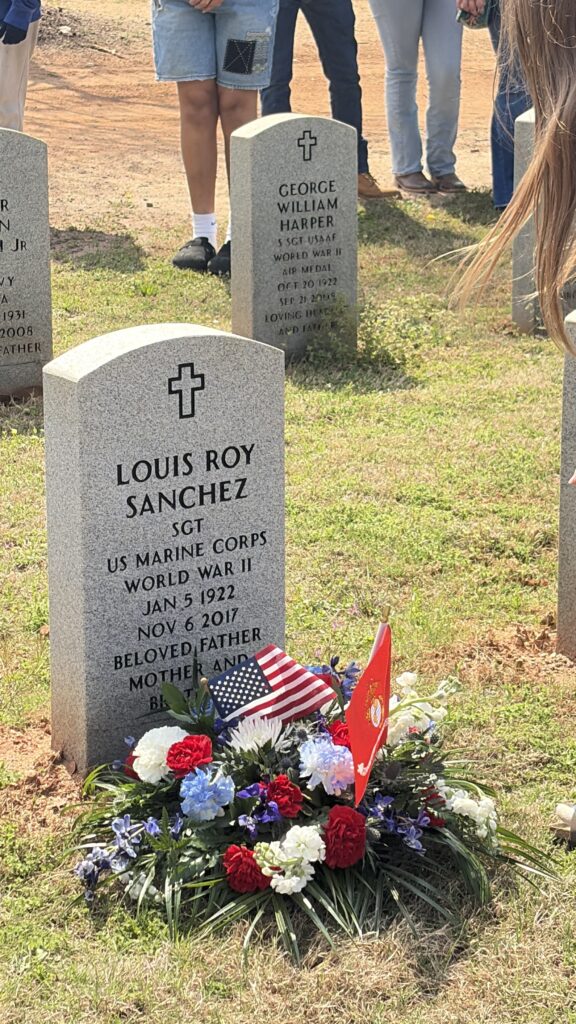
Louis Sanchez died on November 6, 2017, in Louisiana. He was laid to rest at MJ “Dolly” Cooper Veterans Cemetery in Anderson, South Carolina, along with his wife, Georgette, and his son, Louis, who served in the Air Force.
Bibliography
Primary Sources
“4-H Club Work Starts Early.” St. Charles Herald [Hahnville, Louisiana], Nov. 20, 1943. Newspapers.com (854436531).
“Algiers, Greta News and Notes.” The Times Picayune [New Orleans, Louisiana], Dec. 14, 1944. Newspapers.com (1249593349).
Aline Sanchez Adams. New Orleans, Louisiana, U.S., Death Records Index. 1804-1949. Digital Images. https://ancestryclassroom.com.
Charles Allen Sanchez. World War II Draft Cards Young Men, 1940-1947. Digital Images. https://ancestryclassroom.com.
“Civitans Start Fund Drive For W. B. Retarded Children.” Jefferson Democrat [Gretna, Louisiana], August 8, 1960. Newspapers.com (850867823).
“Four Earn New Positions at Guaranty.” West Bank Guide [Gretna, Louisiana], January 7, 1976. Newspapers.com (855611110).
“Fruitcake Sale Opened by Civitans.” Jefferson Democrat [Gretna, Louisiana], October 20, 1962. Newspapers.com (850867823).
Guam Invasion, 1944. Photograph. July 21, 1944. National Archives and Records Administration (80-G-239023). https://www.history.navy.mil/content/history/nhhc/our-collections/photography/numerical-list-of-images/nhhc-series/nh-series/80-G-239000/80-G-239023.html.
“Good Friends of the Growing Upper West Bank.” West Bank Guide [Gretna, Louisiana], April 18, 1973. Newspapers.com (855211062).
“Georgette H Sanchez.” The Wood Mortuary. Accessed December 4, 2025. https://www.thewoodmortuary.com/obituaries/GeorgetteH-Sanchez-1717/#!/Obituary.
“Impending Sugar Shortages Necessitate Government Rationing of U.S. Sugar Supply.” St. Charles Herald [Hahnville, Louisiana], April 25, 1942. Newspapers.com (854459008).
Louisiana. Jefferson Parish. 1930 U.S. Census. Digital Images. https://ancestryclassroom.com.
Louisiana. Jefferson Parish. 1940 U.S. Census. Digital Images. https://ancestryclassroom.com.
Louisiana. Jefferson Parish. 1950 U.S. Census. Digital Images. https://ancestryclassroom.com.
“Louisiana to Plant More Rice Due to Rangoon Fighting.” St. Charles Herald [Hahnville, Louisiana], Feb. 26, 1944.
Louis R. Sanchez, Official Military Personnel File (partial), Department of the Navy, National Archives and Records Administration – St. Louis.
Louis R. Sanchez, Report of Separation, Department of the Navy, National Archives and Records Administration – St. Louis.
Louis R. Sanchez. US, Marine Corps Casualty Indexes, 1940-1958. Digital Images. https://fold3.com.
Louis R. Sanchez. U.S., Marine Corps Muster Rolls, 1798-1958. Digital Images. https://ancestry.com/.
Louis Roy Sanchez. World War II Draft Cards Young Men, 1940-1947. Digital Images. https://ancestry.com.
Meredith Paul Sanchez. World War II Draft Cards Young Men, 1940-1947. Digital Images. https://ancestry.com.
“New Simplified Rationing Starts Feb 27.” St. Charles Herald [Hahnville, Louisiana], Feb. 26, 1944. Newspapers.com (854437133).
[Photograph of Southern Pacific’s “Sunset Limited” crossing the Mississippi River.] Photograph. C.1930. Museum of the American Railroad, University of North Texas Libraries (1-0019). https://texashistory.unt.edu/ark:/67531/metapth28914/.
Sanchez, Tony. Telephone interview with the author. January 10. 2026.
Vachon, John. Higgins Shipyards, New Orleans, Louisiana. Shipyard workers eating on a torpedo during their lunch hour. Photograph. June 1943. Library of Congress (2017859497). https://www.loc.gov/item/2017859497/.
Vachon, John. New Orleans, Louisiana. Ramp boats under construction at the Higgins shipyards. Photograph. June 1943. Library of Congress (2017859449). https://www.loc.gov/item/2017859449/.
“Want More Help Fellows?” Advertisement. St. Charles Herald [Hahnville, Louisiana], Feb. 26, 1944. Newspapers.com (854437141).
Secondary Sources
“Battle of Guam.” National Park Service. Accessed April 20, 2026. https://www.nps.gov/wapa/learn/historyculture/battle-of-guam.htm.
Donovan, James A. “Outpost in the North Atlantic: Marines in the Defense of Iceland.” Accessed December 29, 2025. https://www.marines.mil/Portals/1/Publications/Outpost%20in%20the%20North%20Atlantic-Marines%20in%20the%20Defense%20of%20Iceland%20%20PCN%2019000311800_3.pdf
“Georgette Hinyub Sanchez.” Find a Grave. Updated July 5, 2011. Accessed April 20, 2026. https://www.findagrave.com/memorial/72796963/georgette-sanchez.
“Louis George Sanchez.” Find a Grave. Updated March 2, 2019. Accessed April 20, 2026. https://www.findagrave.com/memorial/197225070/louis-george-sanchez.
“Louis Roy Sanchez.” Find a Grave. Updated March 2, 2019. Accessed April 20, 2026. https://www.findagrave.com/memorial/197225092/louis_roy-sanchez.
“Louis Roy Sanchez.” Veterans Legacy Memorial, National Cemetery Administration. Accessed April 20, 2026. https://www.vlm.cem.va.gov/LOUISROYSANCHEZ/9407b0.
Reonas, Matthew. “Great Depression in Louisiana.” 64 Parishes. Accessed April 20, 2026. https://64parishes.org/entry/great-depression-in-louisiana.
“U.S. Armed Forces Casualties Battle of Guam.” National Park Service. Accessed January 6, 2026. https://www.nps.gov/wapa/learn/historyculture/guam-armed-forces-casualties.htm#Marines.
This profile was funded by a grant from the United States Department of Veterans Affairs. The opinions, findings, and conclusions stated herein are those of the author and do not necessarily reflect those of the United States Department of Veterans Affairs.