
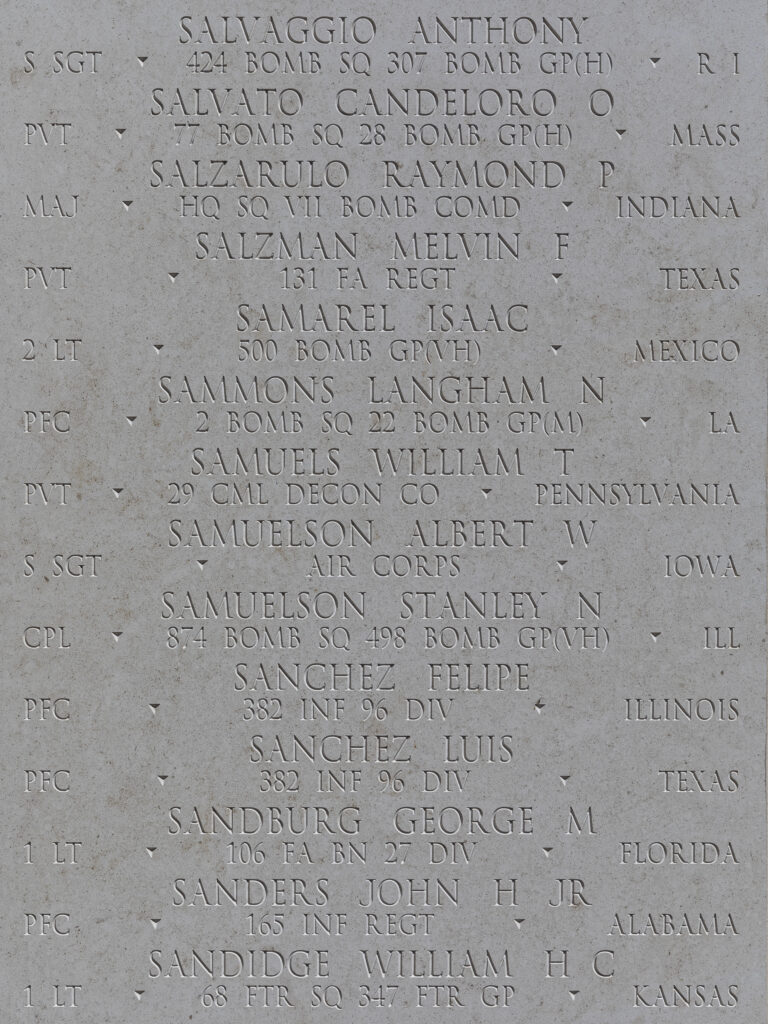
Private First Class Luis Sanchez
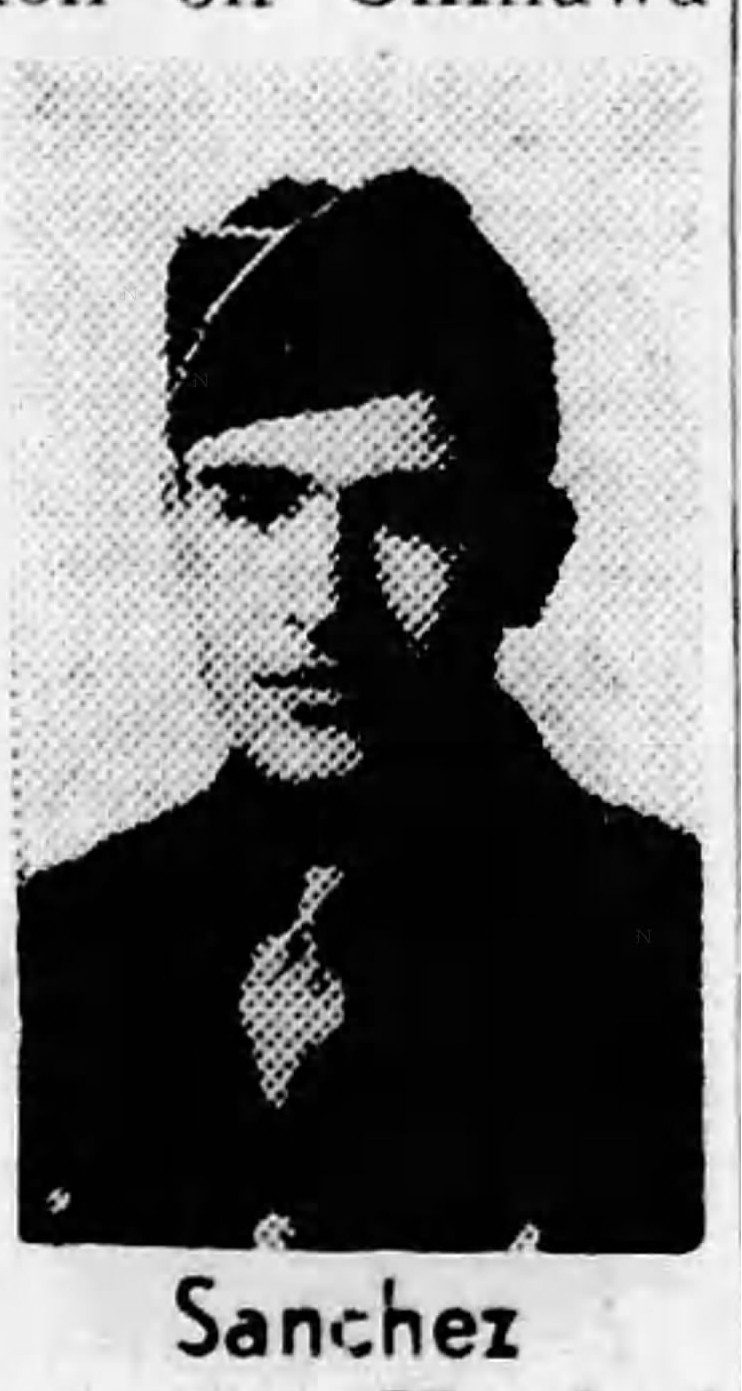
- Unit: 96th Infantry Division, 382nd Infantry Regiment
- Service Number: 38442887
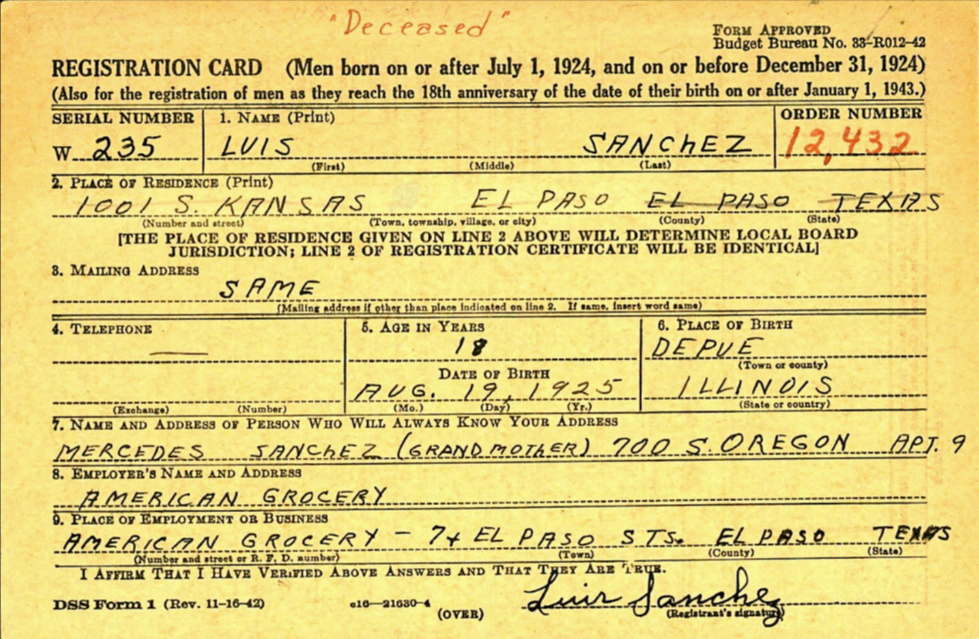
- Date of Birth: August 19, 1925
- Date of Death: April 4, 1945
- Hometown: DePue, Illinois, and El Paso, Texas
- Place of Death: buried at sea off the coast of Okinawa
- Award(s): Bronze Star, Purple Heart
- Cemetery: Court 7, Courts of the Missing, Honolulu Memorial, . National Memorial Cemetery of the Pacific, Honolulu, Hawai‘i
Valle Verde Early College High School, El Paso, Texas.
2025/2026
Early Life
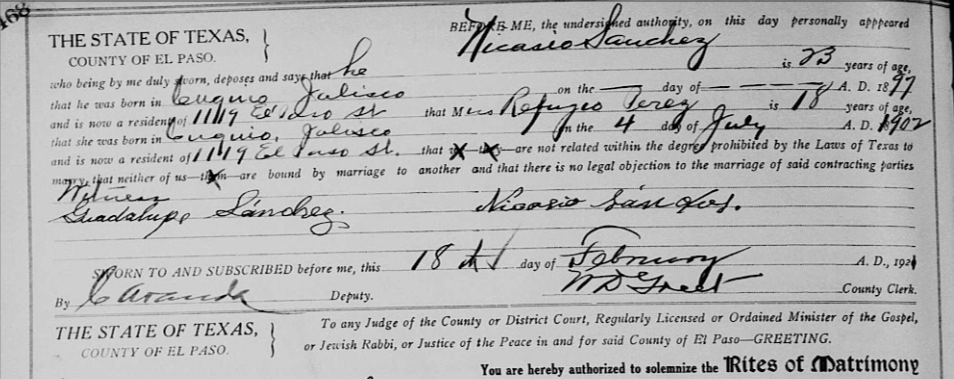
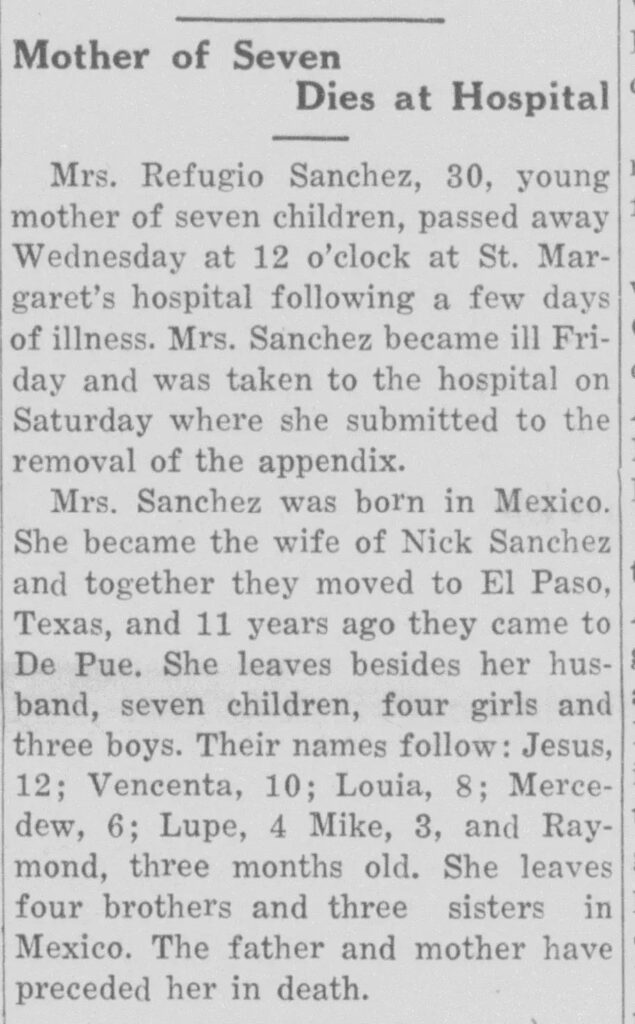
Luis Sanchez was born to immigrant parents, Nicasio Sanchez and Refugio Perez, on August 19, 1925, in DePue, Illinois. He was one of seven children; his two older sisters, Maria Jesus and Vicenta, were born in El Paso, Texas. Luis and his four younger siblings, Mercedes, Miguel, Ramon, and Maria Guadalupe, were born in DePue, Illinois. The Sanchez family resided in De Pue, Illinois, where jobs at the Mineral Point Zinc Company attracted workers of Mexican descent.
The family returned to El Paso, Texas, sometime after his mother, Refugio, died from an illness related to her appendix. By 1940, Luis Sanchez’s father worked as a stone mason in El Paso.
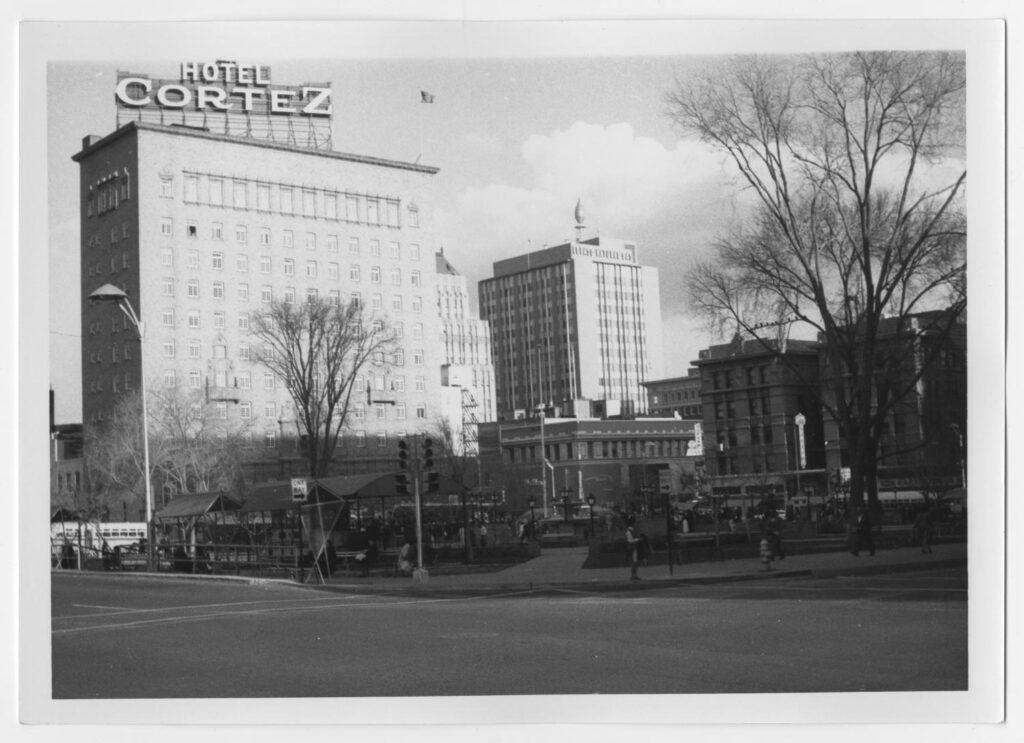
Prior to being drafted, 18-year-old Luis joined the workforce. He worked at the renowned Hotel Cortez in El Paso. The hotel hosted famous celebrities, military personnel, and government officials, including President Franklin D. Roosevelt, General John Pershing, and Amelia Earhart, during its operating years (1926 to 1970).
Homefront
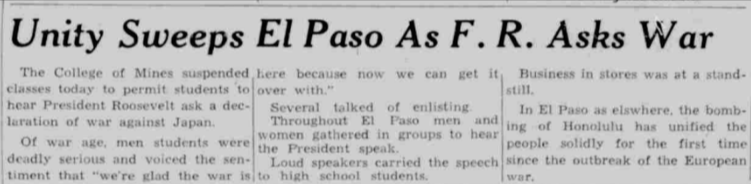
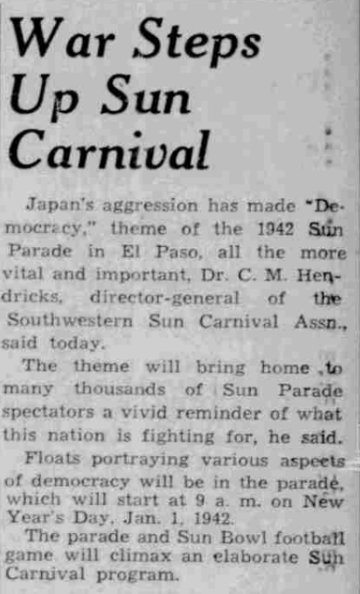
El Paso stepped into action after the Pearl Harbor attack. The College of Mines (The University of Texas at El Paso) suspended classes to hear Franklin D. Roosevelt’s Day of Infamy speech on Dec. 8, 1941. The city’s local Sun Carnival and new year’s day parade, in solidarity, were themed “democracy.”
Fort Bliss became the third-largest military base in the United States. The post grew from 3,000 soldiers in 1939 to 10,000 by the end of 1940. The most important newspaper in the city, The El Paso Herald-Post, advertised that carriers would volunteer to sell and deliver defense-saving stamps. There were calls to action in newspaper articles to donate scrap and buy war bonds as well. Additionally, there were political cartoons and extensive reporting on Japanese activities.
El Paso as a Frontier City
El Paso’s proximity to Mexico also created a unique World War II homefront experience. Access to Mexico’s markets meant that many of the rationed foodstuffs and critical wartime materials in other American cities were readily accessible via the southern border.
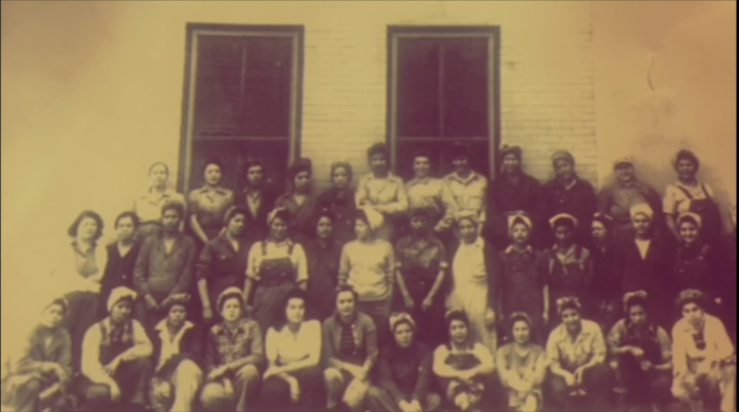
Despite this, local organizations, such as the El Paso Women’s Club, conducted fundraisers. They supported the war effort by housing the Red Cross and the Surgical Dressing Unit and by loaning the clubhouse for all war bond rallies. City newspapers advertised war bonds, and women joined the workforce. Women filled labor shortages at the local smelter, the American Smelting and Refining Company (ASARCO), although access to Mexican workers led to fewer women entering the workforce than in the rest of the nation.
Military Experience
Luis Sanchez was part of the 96th Infantry Division, 382nd Infantry Regiment, nicknamed “Deadeyes” for their marksmanship. The division’s nickname represented their precision combat and ability to hit with “dead eye” accuracy.
Sanchez was involved in the efforts to recapture and push back the Japanese occupation in the Pacific Theater. His unit left the continental United States for training in Hawai‘i in July 1944. The division was assigned to recapture the Philippine Islands, then a U.S. territory, that was attacked in December 1941 and had been occupied by the Japanese military ever since.
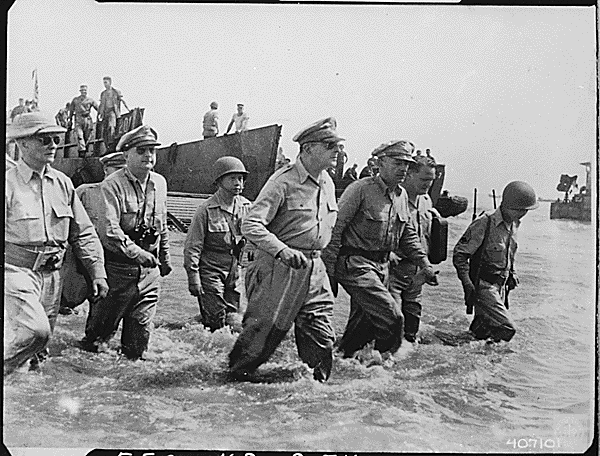
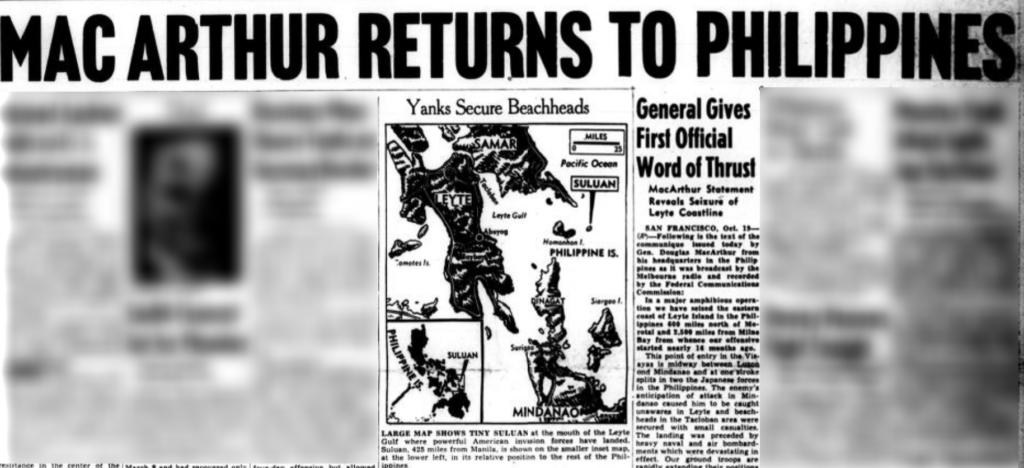
The 382nd Infantry Regiment landed in Leyte, Philippines, on October 20, 1944. This important battle, the Battle of Leyte, took place between October and December 1944.
The Return of Allied Forces
This battle also marked the return of General Douglas MacArthur and Allied forces, who in 1942 had been ordered to evacuate to avoid capture at the hands of the Japanese. As a member of an infantry regiment, Luis Sanchez was primarily involved in ground combat. His duties included engaging enemy forces on foot, using small arms and grenades, with artillery support. The Battle of Leyte captured the island’s capital, Tacloban. This reinforced the Allied Powers’ control of the Pacific and crippled the Japanese Combined Fleet.
Okinawa, Japan’s last battle
Okinawa is an island 350 miles from mainland Japan. After a four-month break and the securing of Leyte and the surrounding Philippine islands, Luis Sanchez’s unit returned to action on April 1, 1945, in Okinawa. The Battle of Okinawa was the bloodiest battle of the Pacific, resulting in over 12,000 American and 100,000 Japanese deaths. In this battle, Sanchez’s unit earned a Presidential Unit Citation. The Presidential Unit Citation is the highest honor a military unit can receive for extraordinary heroism in action against an armed enemy.
Commemoration
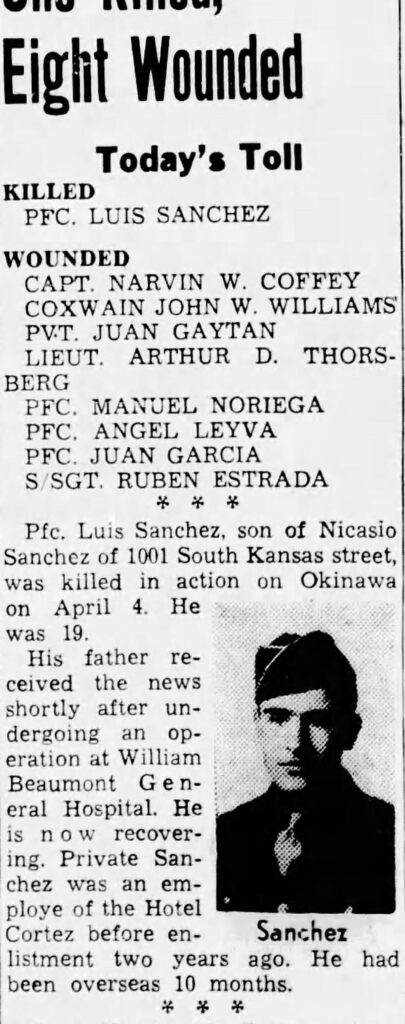
Private First Class Luis Sanchez was killed in action on April 4, 1945, at the age of 19, four days after his unit arrived in Okinawa.
For his heroic and meritorious service in a combat zone, he was posthumously awarded the Bronze Star and a Purple Heart. Private First Class Luis Sanchez was buried at sea and is memorialized on the Honolulu Memorial at the National Memorial Cemetery of the Pacific in Honolulu, Hawai‘i.
Like many young Mexican-Americans during World War II, Luis Sanchez made the ultimate sacrifice to ensure the victory and the promise of “liberty and justice for all.”
Bibliography
Primary Sources
Cannon, M. Hamlin. Leyte: The Return to the Philippines. Department of the Army: 1953. https://www.ibiblio.org/hyperwar/USA/index.html.
Hotel Cortez in El Paso. Photograph. El Paso Public Library, The Portal to Texas History, University of North Texas Libraries. https://texashistory.unt.edu/ark:/67531/metapth875487/.
Luis Sanchez. World War II Draft Cards Young Men, 1940-1947. Digital images. https://ancestryclassroom.com.
General Douglas MacArthur wades ashore during initial landings at Leyte, Philippine Islands. Photograph. October 1944. National Archives and Records Administration (NAID 531424). https://catalog.archives.gov/id/531424.
“MacArthur Returns to Philippines.” The Daily Monitor Leader [Mount Clemens, MI], October 20, 1944. https://www.loc.gov/item/sn96077289/1944-10-20/ed-1/.
“Mother of Seven Dies at Hospital on Monday Evening.” The DePue Leader [De Pue County, IL], September 29, 1933. https://newspaperarchive.com/de-pue-leader-sep-29-1933-p-1/.
Nicasio Sanchez. U.S., World War II Draft Registration Cards, 1942. Digital images. https://familysearch.org/.
Nicasio Sanchez and Refugio Perez. Texas, County Marriage Index, 1837-1977. Digital images. https://familysearch.org/.
“One Killed, Eight Wounded.” El Paso Herald-Post [El Paso, TX], May 22, 1945. Proquest (2732749056).
Texas. El Paso County. 1940 U.S. Census. Digital images. https://ancestryclasroom.com.
“Unity Sweeps El Paso As F.R. Asks War.” El Paso Herald-Post [El Paso, TX], December 8, 1941. Proquest (2732731514).
“War Steps Up Sun Carnival.” El Paso Herald-Post [El Paso, TX], December 8, 1941. Proquest (2732731514).
Secondary Sources
“96th INFANTRY DIVISION – Deadeye.” US Army Divisions. Accessed December 30, 2025. https://www.armydivs.com/96th-infantry-division.
Dowling, Winifred Baumer. “The Border at War: World War II Along the United States-Mexico Border.” PhD diss. University of Texas at El Paso, 2010. https://scholarworks.utep.edu/cgi/viewcontent.cgi?article=3472&context=open_etd.
Dudley, Margaret. “Okinawa: The Final Battle.” National Museum of the Pacific War. Updated April 10, 2025. Accessed February 11, 2026. https://www.pacificwarmuseum.org/learn/articles/okinawa-final-battle.
“El Paso’s Homegrown: World War II.” El Paso Museum of History. Accessed February 11, 2026. https://www.digie.org/en/album/23631/73651.
“Luis Sanchez.” American Battle Monuments Commission. Accessed October 1, 2025. https://weremember.abmc.gov/s?q=Sanchez&criteria=cemetery%3DHonolulu%20Memorial&type=16&v=G.
“Luis Sanchez.” Honor States. Accessed December 30, 2025. https://www.honorstates.org/profiles/361753/.
“Luis Sanchez.” Veterans Legacy Memorial, National Cemetery Administration. Accessed February 11, 2026. https://www.vlm.cem.va.gov/LuisSanchez/439C0.
Nardini, Daniel. “Illinois and Mexico: Mexican Immigration to Illinois.” Lawndale News [Chicago, IL], September 11, 2025. http://www.lawndalenews.com/2025/09/illinois-and-mexico-mexican-immigration-to-illinois/.
“PFC Luis Sanchez.” Find a Grave. Updated August 6, 2010. Accessed February 11, 2026. https://www.findagrave.com/memorial/56121313/luis-sanchez.
Ray, Michael. “Battle of Leyte Gulf.” Encyclopedia Britannica. Last modified January 21, 2026. Accessed February 11, 2026. https://www.britannica.com/event/Battle-of-Leyte-Gulf.
Stewart, Richard W., ed. American Military History: The United States Army in a Global Era, 1917–2008, 169–220. Center of Military History, 2005.
“Women Behind ASARCO.” KFOX14, June 26, 2018. https://kfoxtv.com/news/special-assignments/women-behind-asarco.
This profile was researched and created through the Researching Silent Heroes program, sponsored by the American Battle Monuments Commission.