

Corporal Marjorie Caroline Sparks Cosby
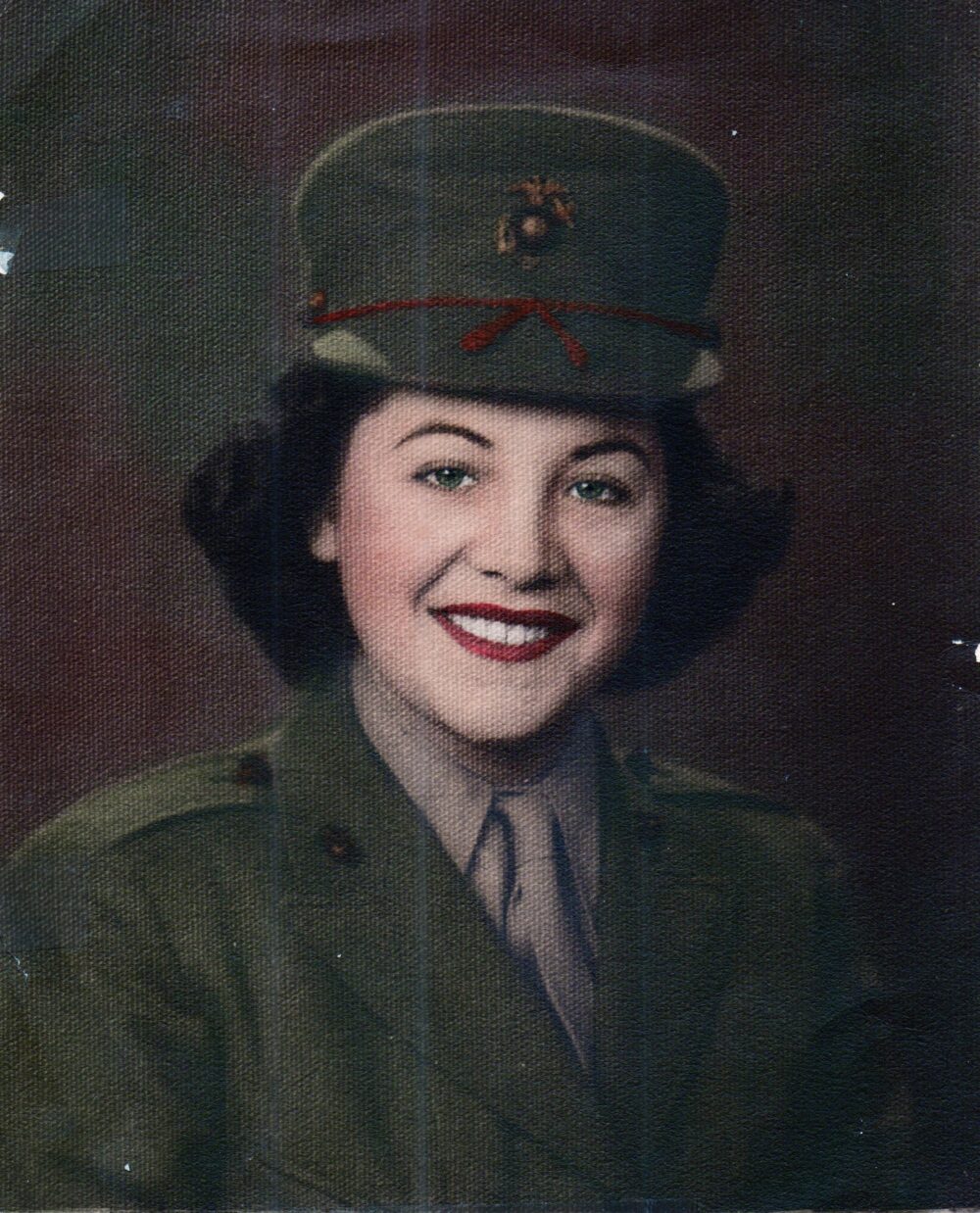
- Unit: Ordnance Division, Depot of Supplies, San Francisco
- Date of Birth: June 14, 1922
- Entered the Military: October 5, 1943
- Date of Death: November 27, 2004
- Hometown: Ensley, Alabama
- Place of Death: Daphne, Alabama
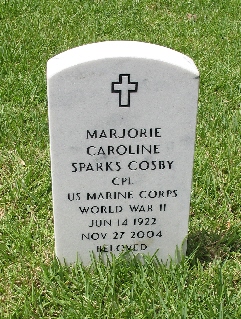
- Cemetery: Section 4, Grave 41-GG. Mobile National Cemetery, Mobile, Alabama
Early Life
Marjorie Caroline Sparks was born on June 14, 1922, in Oakman, Alabama, to John F. and Lena Sparks. The family lived in Mt. Pinson and North Birmingham before settling in Ensley. Originally, the city of Ensley was independent, but Birmingham annexed it in 1910. It was a bustling city of many mills and businesses, known for its “backbone of steel.” Spark’s childhood was marked by the Great Depression, which hit Ensley and Birmingham especially hard. The impact on the steel industry led to massive unemployment in the area as well as widespread poverty.
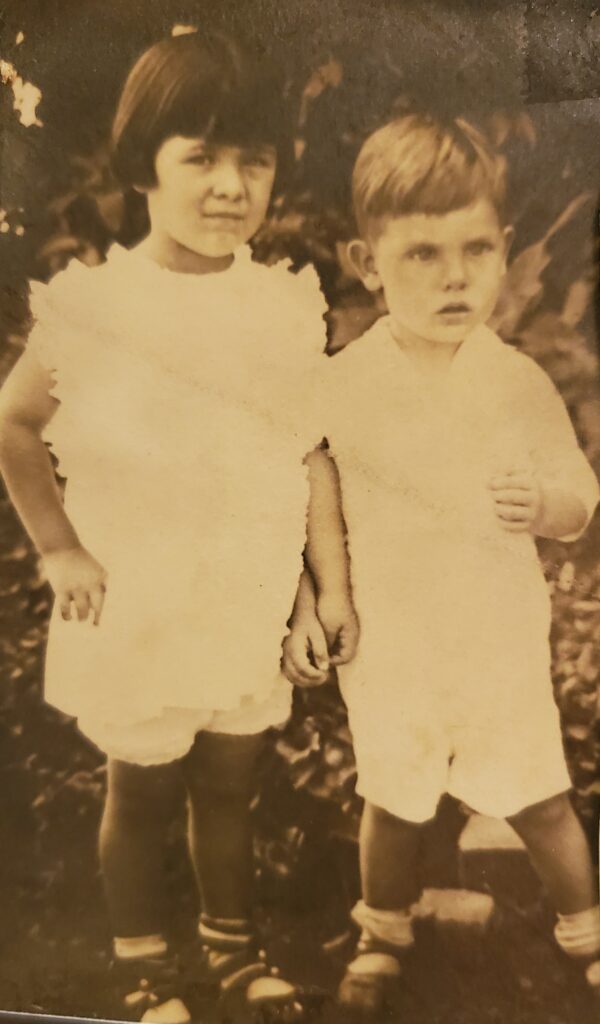
Fortunately, Sparks’s father, John, a Veteran of the First World War, worked as a postman with the United States Post Office, so his job was secure. Lena stayed home to care for their seven children. Sparks was the oldest of four girls and three boys. She was seen by her siblings as a second mother, as much as a sister. Her youngest brother was born when she was sixteen. This made her determined to go to college to set an example for her siblings.
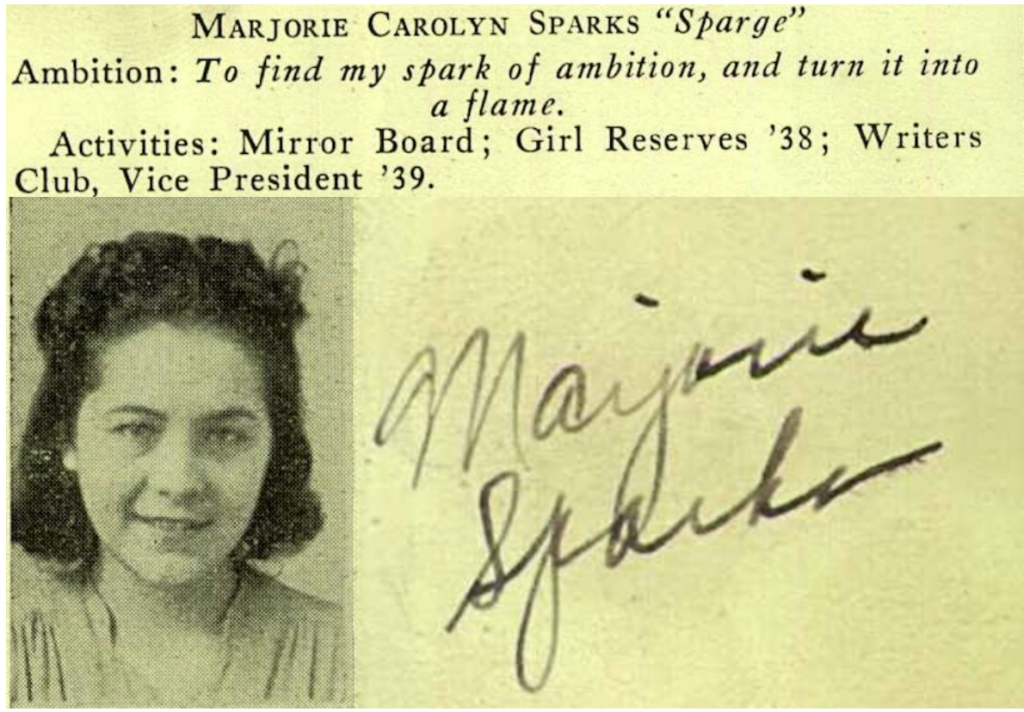
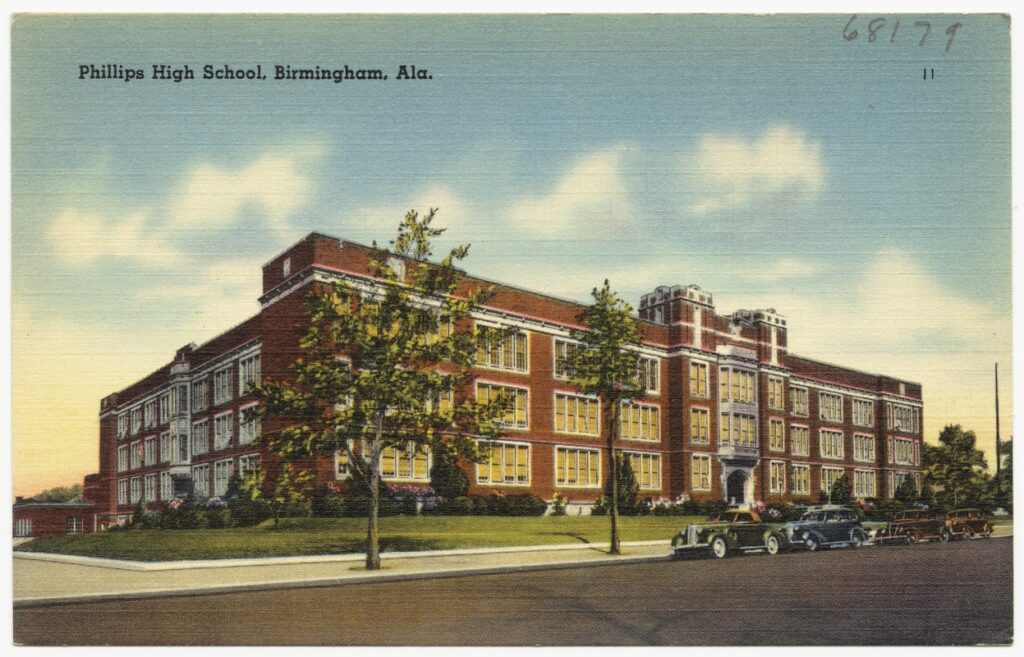
Sparks graduated from Philips High School in 1940, at the age of sixteen. Her yearbook lists her nickname as “Sparge” and says her ambition is to “find my spark of ambition, and turn it into a flame.” She was on the board of the school yearbook, The Mirror. She was also a member of the Girl Reserves, a division of the Young Women’s Christian Association. They focused on character development and community service. Lastly, she was vice president of the Writers’ Club.
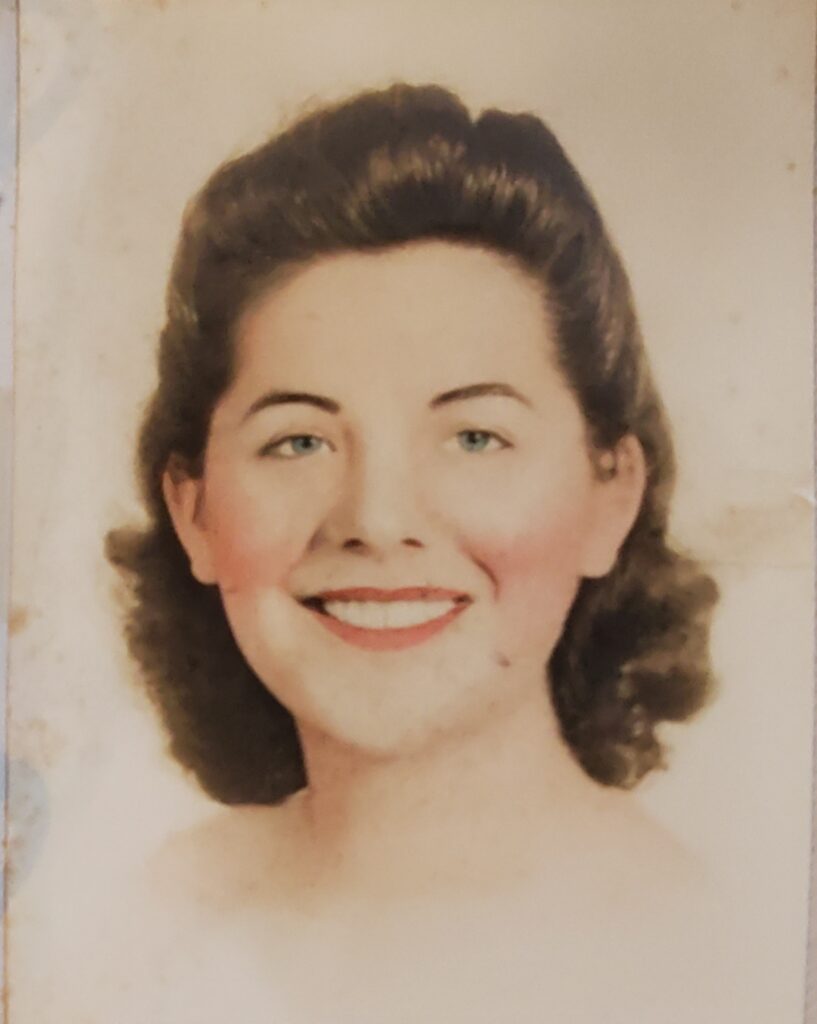
Sparks then enrolled at the University of Alabama, where she majored in English with a minor in French education. She had to work to put herself through college. Her jobs included a clerk position in the Business Library of the Commerce School, a live-in nanny for a professor, and various maid and waitressing jobs.
During her final year of college, she taught English at Tuscaloosa Senior High School. That December, she also worked as a temporary clerk in the Post Office in Birmingham. Sparks graduated from the University of Alabama on May 30, 1943, with her undergraduate degree and a teaching certificate.
Her hobbies included reading, sewing, walking, solving crossword puzzles, and enjoying her social life. She had an adventurous spirit and wanted to pursue higher education and travel before marriage.
Homefront
During World War II, Birmingham, Alabama, was starting to recover from the Great Depression. Franklin Roosevelt referred to Birmingham as the “worst hit town in the depression” because of its 28% unemployment rate. In fact, 40% of Birmingham residents received some kind of aid during this time.
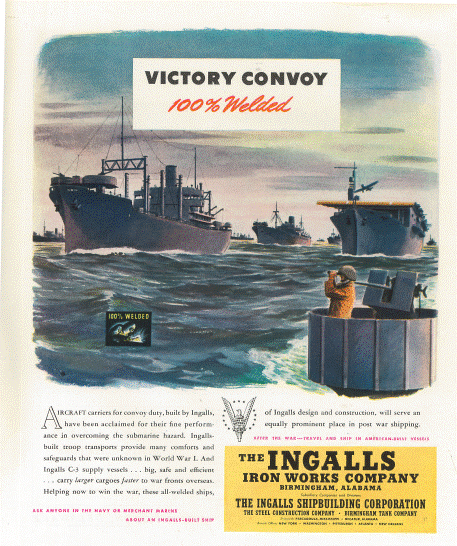
Alabama was crucial to the U.S. success in World War II, which helped lift it out of despair. The state’s steel industry, based in Birmingham, produced steel for military vehicles, ships, and ammunition. For instance, Ingalls Iron Works in Birmingham was awarded a $250 million government contract to construct Liberty Ships. Nearly 85% of Birmingham’s businesses were involved with the war effort in some way.
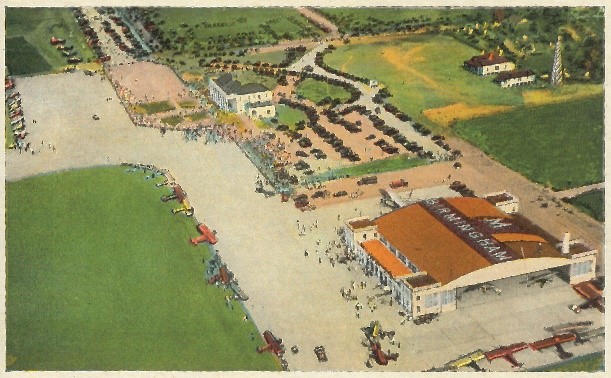
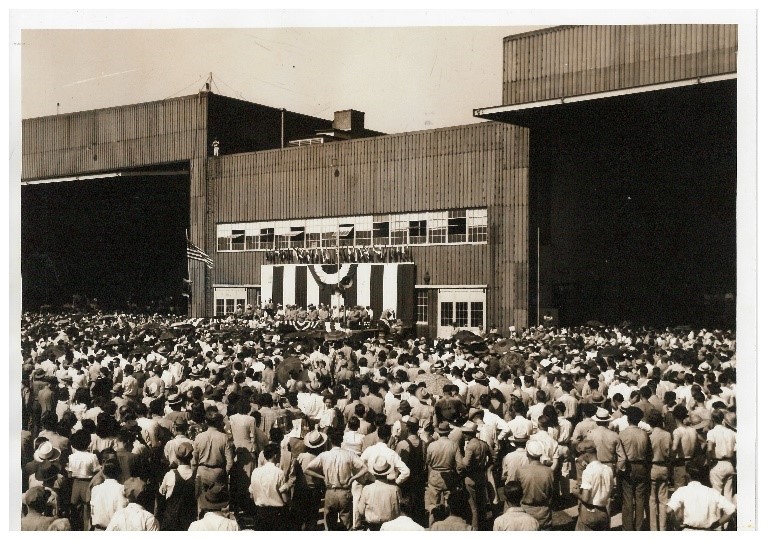
Birmingham’s Municipal Airport, built in 1931, was leased to the U.S. Air Force for $1 a year to test-fly planes before sending them overseas. In 1942, the Bechtel-McCone-Parsons Modification Center won a government contract to modify and complete airplanes made in Henry Ford’s Willow Run factory in Michigan. Birmingham was ideal because of its large female workforce, available land, and proximity to the airport. The “Birmingham-to-Berlin Bomber Plane Project” would go on to manufacture B-24 Liberators, B-29 Superfortresses, P-38 Lightnings, and A-20 Havocs during the war. Half of all B-29s built during the war were produced here.
With many men gone, more workers were needed in the area to fill wartime jobs. New opportunities for women and people of color brought new residents to the area. Because of this, there were clashes for living spaces, employment, and resources that caused tension in the community. Black residents suffered from Jim Crow laws, police brutality, and an unjust justice system that would continue long after the end of the war.
After World War II, unemployment fell below 10%, and Birmingham continued to grow into what it is today.
Military Experience
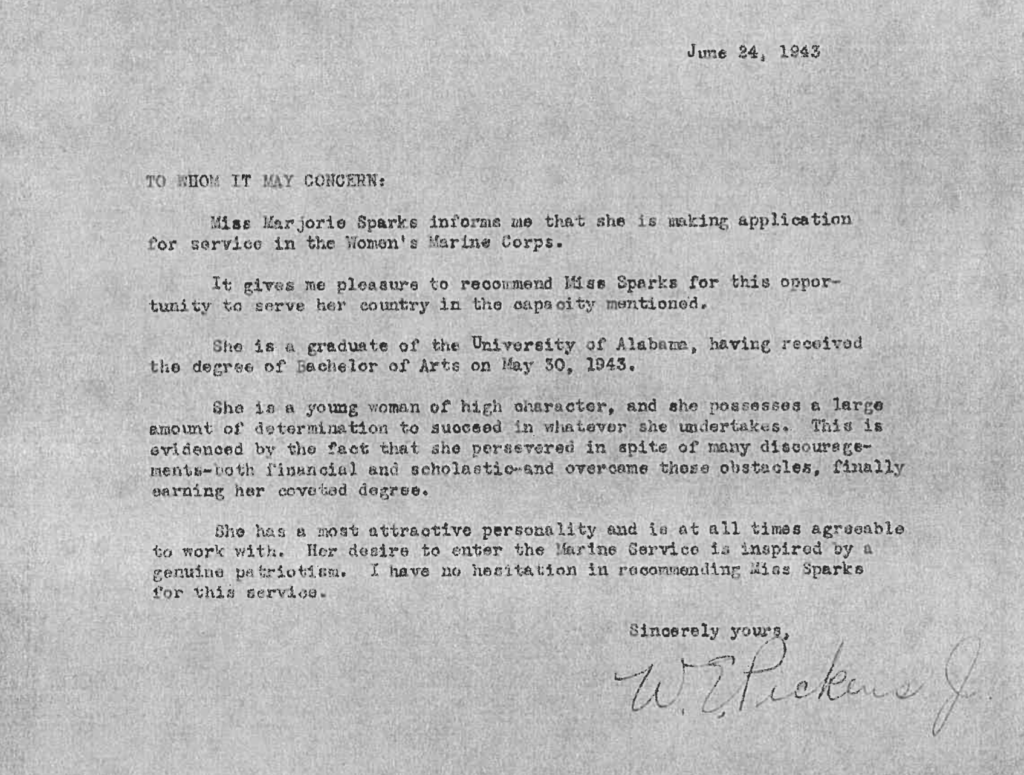
Sparks enlisted in the U.S. Marine Corps (USMC) on July 28, 1943. She wanted to be a Marine because of “the experience, self-assurance, and poise I could acquire there as nowhere else.” She wanted to serve her country and knew that the USMC was the toughest branch to do it in. She relished the challenge.
Sparks originally applied to Officer Candidate School because she felt she was mature for her age and believed her self-confidence would make her a good officer. In her application, she said, “I know that it is possible for me to gain the confidence and respect of most people I come in contact with.” She prided herself on having worked her way through college, and she promised her younger siblings that she would work to put them through college as well. Ultimately, her application was turned down because her previous training and experience did not meet their requirements.
Upon receiving the rejection, she immediately sent a letter requesting that her enlistment be transferred to general service so she could enter training as soon as possible. From there, she entered into the Women’s Reserve Class for the “duration of National Emergency unless sooner discharged.”
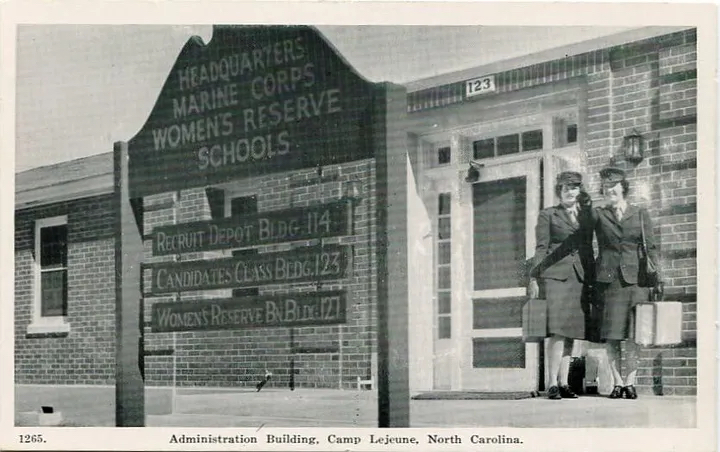
Sparks was trained at the Women’s Reserve School at Camp Lejeune, North Carolina, as part of the 2nd Battalion. Her initial testing made her an excellent candidate for technical, clerical, and administrative responsibilities. She was described as “attractive with a pleasing personality,” “well-poised,” “commands attention,” and having an “excellent vocabulary.”
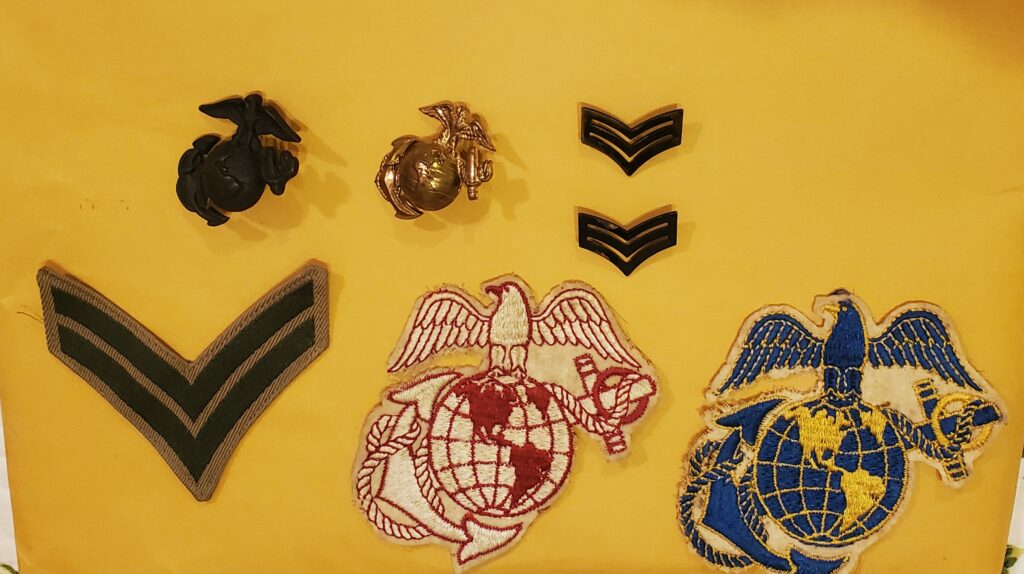
After training, Sparks was assigned to Headquarters Company at the San Francisco Supply Depot, where she served as an Ordnance Supply Clerk. This depot was crucial to procuring, storing, and distributing supplies to the USMC in the Pacific Theater. After eleven months in California, Sparks was promoted to corporal.
Sparks loved her time in California. When she wasn’t working, she enjoyed sightseeing, eating in restaurants with scenic views like The Cliff House, and walking in the misty rain up and down the steep-hilled, winding streets of San Francisco. She also enjoyed the long train ride back and forth to visit her family in Alabama. In a letter to her family after one trip, she wrote, “Arriving in Oakland and crossing the ferry, I was again struck with the green dazzle of the BIG CITY – S.F. … really the Califs amaze me.” Travel was always a passion for her.
Sparks helped the war effort in various ways. In addition to her own service, she allocated part of her pay each month to the American Red Cross and to buying U.S. War Bonds. She later told stories of the many soldiers she met on trains who were on their way to serve overseas or coming home, some after being injured. One in particular asked her to write to him, and she promised she would. Unfortunately, she never got a return letter, which led her to believe he had been killed shortly after arriving. Another spoke about losing his foot in combat. He didn’t want sympathy, but wanted to be regarded as courageous. She also met many Marines on base before they shipped out to the Pacific islands. When recalling her time in San Francisco later to her son Bruce, who also served with the U.S. Marine Corps, she reflected, “I would listen to the news of Marines landing on a new island, with hundreds or even thousands of reported casualties, wondering if it was any of the ones I had met and befriended.”
Sparks separated from the USMC on November 28, 1945, with the goal of taking graduate courses at the University of Alabama. She left California and headed back to her parents’ house in Ensley, Alabama.
Veteran Experience
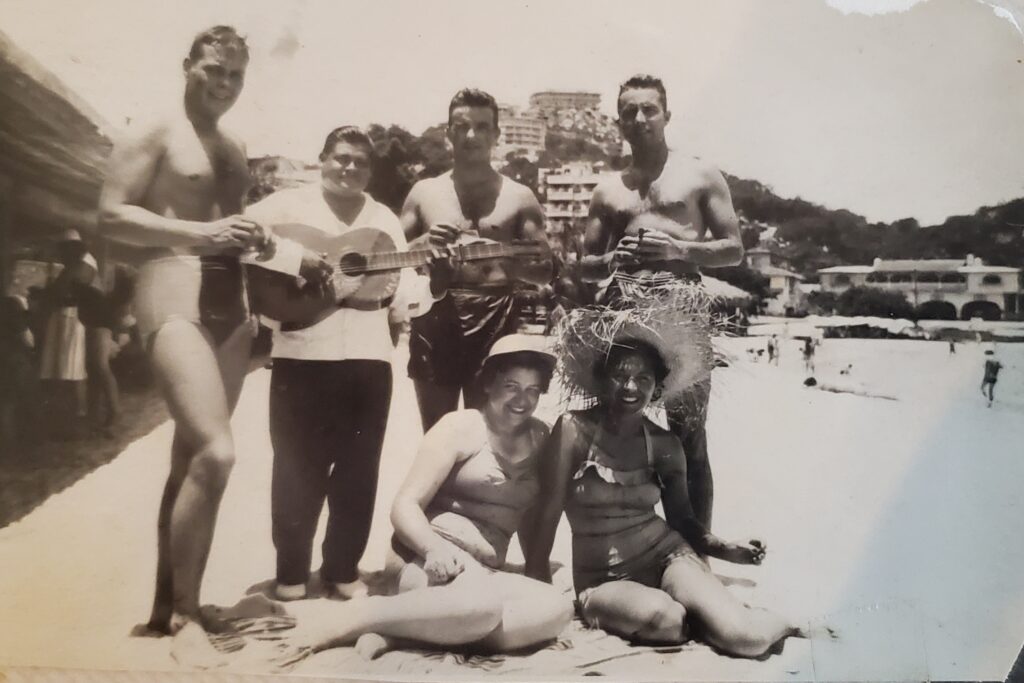
When Sparks returned home after the war, she went back to school at the University of Alabama to earn her Master of Arts degree. Some of her younger siblings attended at the same time, and she enjoyed sharing the social scene with them. While there, she completed a semester abroad in Mexico City. Sparks enjoyed getting to know the people of Mexico, who affectionately referred to her always as “señorita.” After graduating, Sparks taught English at Ensley High School.
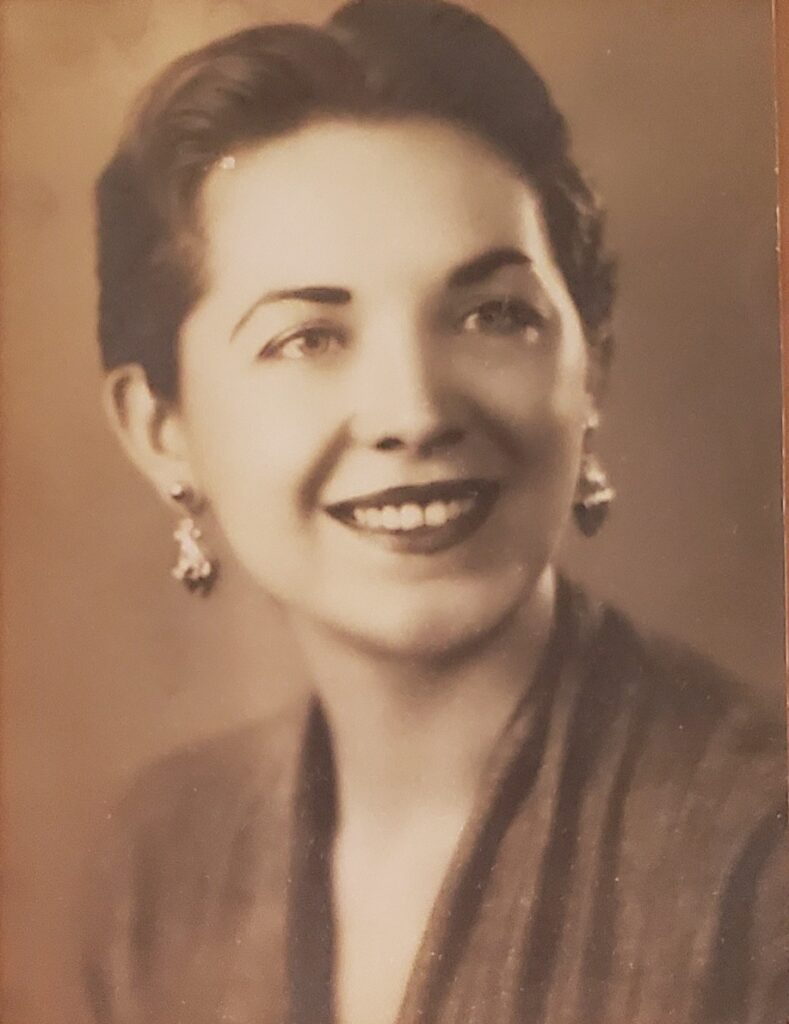
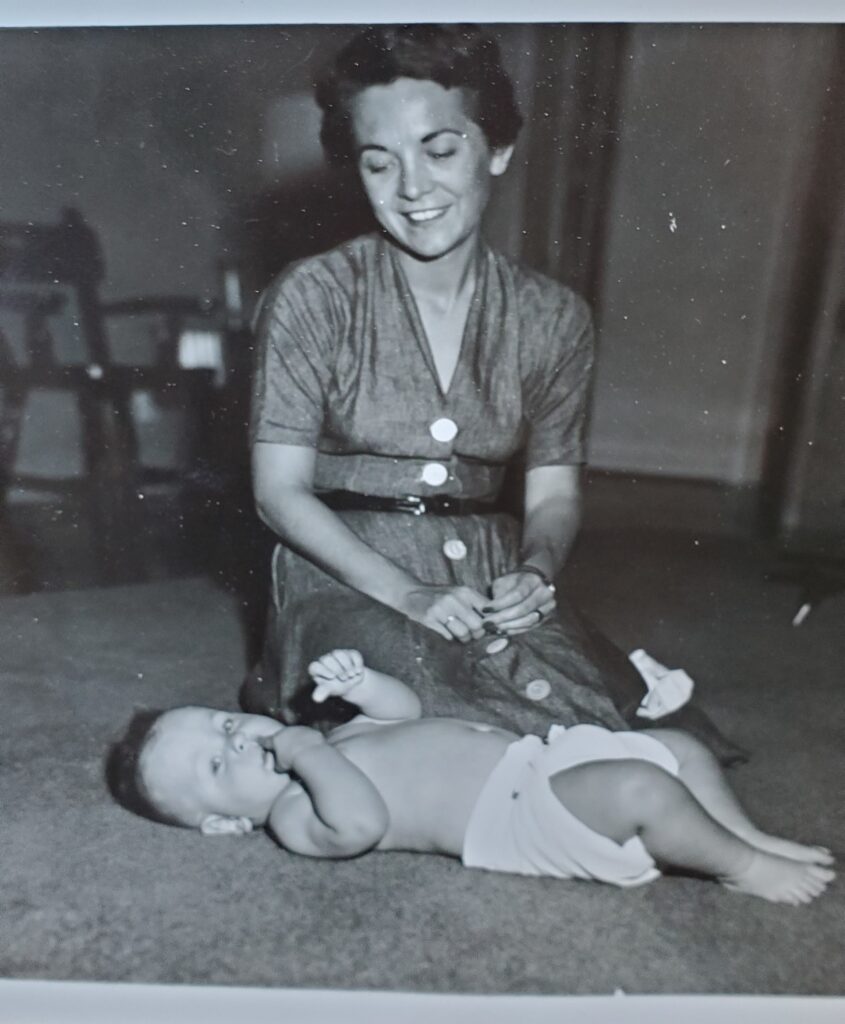
Sparks then moved to Montgomery, Alabama, where she worked as an editor of technical manuals at Maxwell Air Force Base. She also modeled part-time for a boutique dress shop for the clothes they provided. While in Montgomery, Alabama, Sparks met her future husband, Pryor Eugene Cosby, a Captain in the U.S. Air Force. They married in 1954 and had two sons, Brett and Bruce, and one daughter, Carla. The couple resided in Alabama for several years, raising their young family, and eventually moved to Panama City, Florida. Once in Florida, Sparks, now Cosby, resumed her teaching career, working at both Mowat Junior High School and Bay County High.
The Cosbys divorced in 1975, and Marjorie Cosby focused on her family and students. Her divorce meant she was starting over at fifty, but she was not deterred, becoming the always-present provider and glue of her family. As the oldest child, she, along with her sister, Mary Helen, took on the responsibility of caring for their aging parents. Her daughter, Carla, recalled her mother’s encouraging and uplifting nature, “She loved engaging in good and clever conversation, reading and teaching good literature, and finding some way to bring laughter into the room, always.”
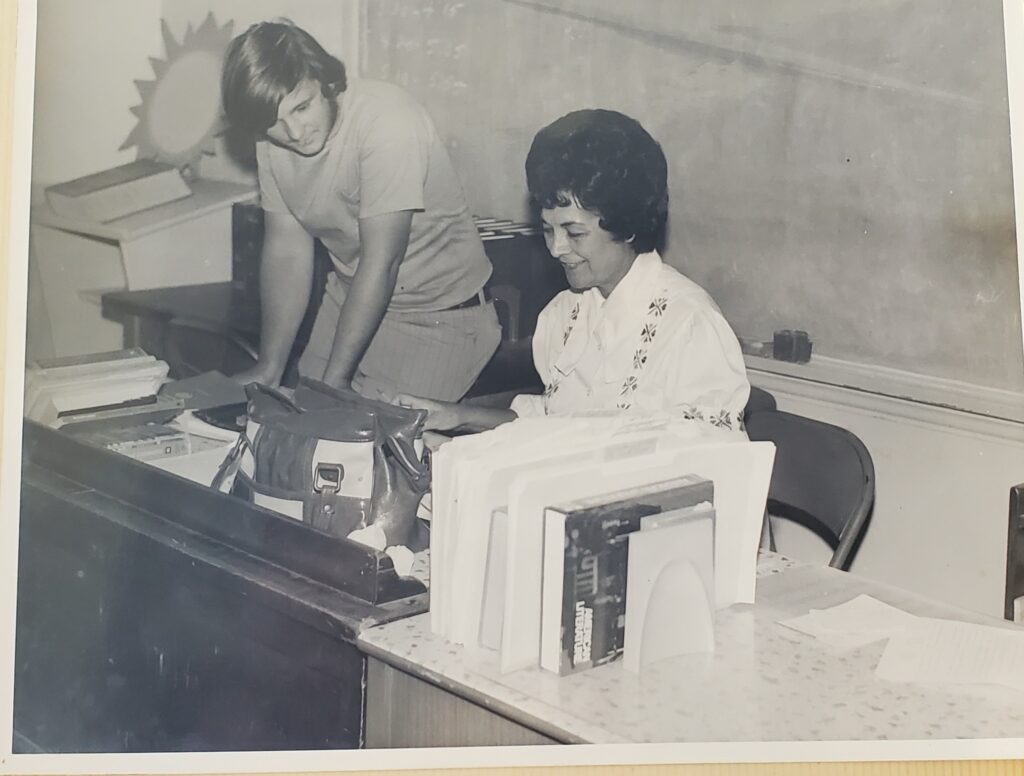
Cosby taught high school English and Literature at Bay County and Mosely High Schools in Florida. She also worked to start the Changing Tide school newspaper in 1977. Her work with her students was a true calling. She loved teaching them about history through literature and always sought hands-on opportunities. She loved her students so much that she worked past her retirement age.
Cosby was known to all as a fighter. Her daughter, Carla, shared some examples. As a young teacher just starting her career, Cosby refused to change the grade of the son of a prominent man in town, even after getting pressure from the principal. She told him that he could change it, but she would not. Another time, during integration, she broke up an interracial fight on recess duty in heels while male teachers looked on. Toward the end of her career, school administrators tried to push her out after she reached retirement age by assigning her all ‘basic’ classes, but those students ended up being some of her favorite classes over her whole career. Long after she retired, she kept personal notes from some of those students in her purse.
Marjorie Cosby never remarried. After retiring, she moved to Daphne, Alabama, to be near her daughter, Carla. In 1996, she suffered two debilitating strokes and subsequently moved into the William F. Green State Veterans Home in Bay Minette, Alabama, a short ride from her daughter. Despite many challenges, her fighting spirit continued. Carla recalled that while in rehab after the first stroke, she would wait in the lobby for her daughter’s afternoon visit. As Carla came through the door, Cosby raised her strong arm in a fist and exclaimed loudly, “The Marines have landed!”
Commemoration
Marjorie Sparks passed away on November 27, 2004. She was laid to rest at the Mobile National Cemetery.
It would be impossible to measure the true impact of an educator like Mrs. Cosby. Her hands-on teaching style and her commitment to her students would cement her legacy in the minds of hundreds of students. She also always put her family first in everything she did. Cosby made an impact on everyone she met, from the Marine recruiter interviewers who referred to her as “well-poised” and “commands admiration,” to the students who took time to write her notes about her impact on their lives, to the nurse who came back after shift to check on her when she was admitted to the hospital in her final years. There was just something about her; she was a force.
Her daughter, Carla, said that her time in the Marine Corps set the course for the rest of her life. It was a predictor of her fighting attitude. She was “never passive about anything. It didn’t occur to her to be any other way. And she was our hero.”
Bibliography
Primary Sources
Birmingham. Jefferson County. 1930 U.S. Census. Digital Images. http://ancestryclassroom.com.
Birmingham. Jefferson County. 1940 U.S. Census. Digital Images. http://ancestryclassroom.com.
Birmingham. Jefferson County. 1950 U.S. Census. Digital Images. https://ancestryclassroom.com.
The Corolla. Tuscaloosa: The University of Alabama, 1947.
Headquarters, U.S. Marine Corps Women’s Reserve Schools. Postcard. C.1943. WWII Papers, Military Collection, State Archives of North Carolina, Raleigh, North Carolina.
“Many Students From Birmingham District to Graduate at U. of Ala.” The Birmingham News [Birmingham, Alabama], May 14, 1948. Newspapers.com (574062301).
Marjorie C Sparks. Alabama, U.S., Marriage Index, 1800-1969. Digital Images. https://ancestryclassroom.com.
Marjorie C Sparks. U.S., City Directories,1822-1995. Digital Images. http://ancestryclassroom.com.
Marjorie Caroline Sparks. Alabama, U.S., Surname Files Expanded, 1702-1981. Digital Images. http://ancestryclassroom.com.
Marjorie Caroline Sparks, Official Military Personnel File, Department of the Navy, National Archives and Records Administration – St. Louis.
Marjorie Caroline Sparks, Report of Separation, Department of the Navy, National Archives and Records Administration – St. Louis.
Marjorie Caroline Sparks. U.S., Department of Veterans Affairs BIRLS Death File, 1850-2020. http://ancestryclassroom.com.
Marjorie Cosby Obituary. AL.com. Accessed December 23, 2025. https://obits.al.com/us/obituaries/mobile/name/marjorie-cosby-obituary?id=14356275.
Marjorie Cosby. U.S., School Yearbooks, 1900-2016. https://ancestryclassroom.com.
Marjorie. Florida, U.S., Divorce Index, 1927-2001. https://ancestryclassroom.com.
The Mirror. Birmingham, Alabama: Phillips High School, 1940.
“Miss Marjorie Sparks Weds Pryor Cosby Friday.” The Montgomery Advertiser [Montgomery, Alabama], October 3, 1954. Newspapers.com (257330416).
Phillips High School, Birmingham, Ala. Postcard. c.1930-1940. The Tichnor Brothers Collection, Boston Public Library. Boston, Massachusetts.
Waters, Carla. Telephone interview with the author. January 13, 2026.
Sparks Family Records. 1922-2004. Courtesy of Carla Waters.
Secondary Sources
“Alabama’s role in World War II: military and industrial contributions.” Fiveable. Last modified September 2025. Accessed November 13, 2025. https://fiveable.me/hs-alabama-history/unit-7/alabamas-role-world-war-ii-military-industrial-contributions/study-guide/FEMBOAjFkQVQxm5K.
“Birmingham’s Impact on the Homefront.” Vulcan Park and Museum. Accessed January 15, 2026. https://visitvulcan.com/articles/birminghams-impact-on-the-homefront/.
“Bob Hope Visited Birmingham, Alabama Airport.” Alabama Pioneers. Accessed January 1, 2026. https://www.alabamapioneers.com/birminghams-airport/.
“Great Depression in Alabama.” Encyclopedia of Alabama. Last modified November 4, 2024. Accessed November 12, 2025. https://encyclopediaofalabama.org/article/great-depression-in-alabama/.
“Marjorie Caroline Sparks Cosby.” Find a Grave. Accessed December 2, 2025. https://www.findagrave.com/memorial/29259002/marjorie-caroline-cosby.
“Marjorie Caroline Sparks Cosby.” Veterans Legacy Memorial, National Cemetery Administration. Accessed June 26, 2026. https://www.vlm.cem.va.gov/MARJORIECAROLINESPARKSCOSBY/EA58448.
“Marjorie M. Cosby.” The Selma Times-Journal [Selma, Alabama], June 25, 2004. Newspapers.com (570466262).
“Pryor Eugene Cosby.” Find a Grave. Accessed December 2, 2025. https://www.findagrave.com/memorial/59807459/pryor_eugene-cosby.
This profile was funded by a grant from the United States Department of Veterans Affairs. The opinions, findings, and conclusions stated herein are those of the author and do not necessarily reflect those of the United States Department of Veterans Affairs.