
Corporal Peter Humberto Fabregas
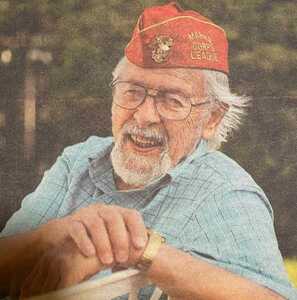
- Unit: 4th Marine Division, 25th Marines, 3rd Battalion, K Company
- Date of Birth: January 24, 1926
- Entered the Military: February 28, 1944
- Date of Death: February 3, 2020
- Hometown: New York City, New York
- Place of Death: Massapequa, New York
- Cemetery: Section 2Y, grave 677. Long Island National Cemetery, Farmingdale, New York
Mentored by Mr. Patrick D. Sprinkle
New York City Lab School for Collaborative Studies
2025/2026
Early Life
Peter Fabregas grew up in a working-class immigrant family whose story began long before his birth in New York City in 1926. The Fabregas family traced its roots to the Iberian Peninsula, where they fled religious persecution during the Spanish Inquisition before eventually settling in Puerto Rico.
His father, Pedro Fabregas, was raised there and experienced pressure to assimilate, even training as a Catholic altar boy. As an adult, Pedro chose a different path, leaving Puerto Rico with his wife Genevieve to build a new life in the United States. This background gave Fabregas a strong sense of identity shaped by migration, resilience, and cultural blending.
Life for the Fabregas family in New York and later New Jersey reflected both opportunity and struggle. Pedro Fabregas worked hard to support the family, taking on multiple roles, including volunteering in the local fire department and running a small soda-making business out of the basement. These efforts were not just about income but survival during a time when steady work was not guaranteed. The family depended heavily on relationships within their community, forming close ties with neighbors who often helped them through difficult moments. This environment taught Fabregas early on the importance of responsibility, cooperation, and persistence.
The Great Depression had a lasting impact on Fabregas’s childhood. Money was scarce, and daily life was shaped by limitation and uncertainty. Meals were simple and repetitive, and small acts of generosity from others made a meaningful difference. Fabregas also became aware of the emotional burden his parents, especially his father, carried as they struggled to provide for the family. At the same time, these hardships were balanced by moments of normal childhood, including playing outside, exploring his neighborhood, and forming friendships. These experiences helped him develop resilience and an ability to find stability even in difficult circumstances.
Fabregas’s education reflected both challenge and growth. He attended a Catholic prep school before transferring to Haaren High School in Manhattan due to financial constraints. Like many children of immigrant families, he entered school primarily speaking Spanish and had to work hard to learn English. With the help of a dedicated teacher, he gradually became more comfortable and successful in the classroom. As he grew older, Fabregas also began taking on more responsibility, including working a summer job at a plastics company. His education was not just academic but practical, shaped by the realities of his family’s situation.
Outside of school, Fabregas gained valuable life experience through activities such as the Boy Scouts, where he developed discipline and leadership skills. He also grew up in a diverse New York community where he witnessed global events unfold locally, including the arrival of refugees fleeing Nazi persecution in Europe. These experiences gave him an early awareness of the larger world and the growing tensions that would lead to World War II.

Homefront
During World War II, Peter Fabregas’s home front experience was shaped by life in New York City, one of the most important urban centers in the United States. The city played a major role in the war effort, contributing hundreds of thousands of servicemen while also becoming a global hub of industry, transportation, and diplomacy. Even as the war progressed, New York maintained a sense of confidence and purpose, with its population deeply connected to both the sacrifices overseas and the changes happening at home.
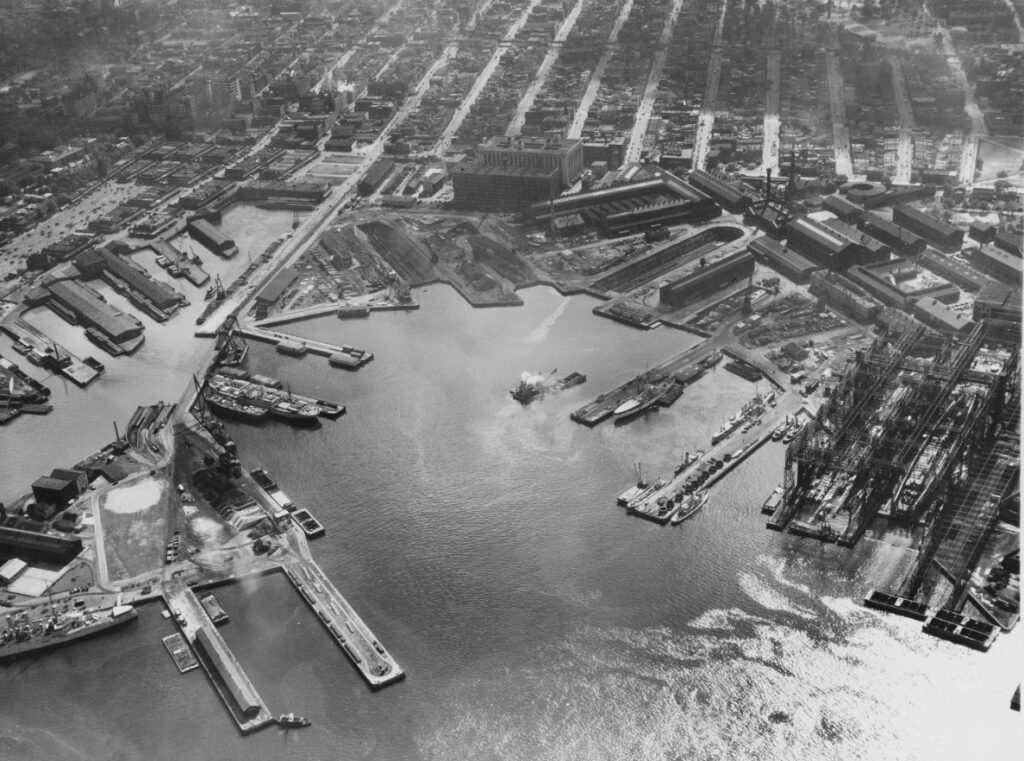
New York’s economy was heavily mobilized for war production, with factories across the city shifting to meet military needs. Clothing manufacturers produced uniforms, while the Brooklyn Navy Yard became one of the busiest shipyards in the country, employing tens of thousands of workers and building or repairing thousands of ships. Other industries adapted as well, including companies that produced weapons, medical supplies such as penicillin, and even specialized wartime equipment. This transformation shows how total war required the full participation of civilian industry, not just soldiers on the battlefield.
Daily life for civilians like Fabregas’s family was shaped by rationing, conservation, and community involvement. New Yorkers participated in Victory Gardens, producing large amounts of food even in urban spaces, while rationing systems changed how people purchased everyday goods. Volunteer efforts were widespread, including organizations such as the Red Cross and Civil Defense groups, where citizens contributed time and resources to support the war effort. These efforts demonstrate how ordinary people were expected to actively participate in the war effort, even if they were not serving in the military.
At the same time, the war brought major social changes and tensions within the city. Women entered the workforce in large numbers, taking on industrial and military-support roles that had previously been unavailable to them. Migration also reshaped the city, with increases in Puerto Rican and Black populations, while many White middle-class residents began leaving. However, these changes were not without conflict. Racial discrimination, segregation, and violence persisted, and debates over isolationism versus intervention divided the population before the war. These tensions highlight the contradictions of fighting for freedom abroad while inequality remained at home.
Overall, the home front experience in New York during World War II was one of unity, sacrifice, and transformation. For Fabregas, growing up in this environment meant being surrounded by both the energy of a city fully committed to the war effort and the challenges of rapid social and economic change. The combination of industrial mobilization, community participation, and social tension helped shape the world he was preparing to enter as a young man. By the time he enlisted, Fabregas was influenced not only by his personal experiences but also by a city deeply involved in one of the most significant conflicts in world history.
Military Experience
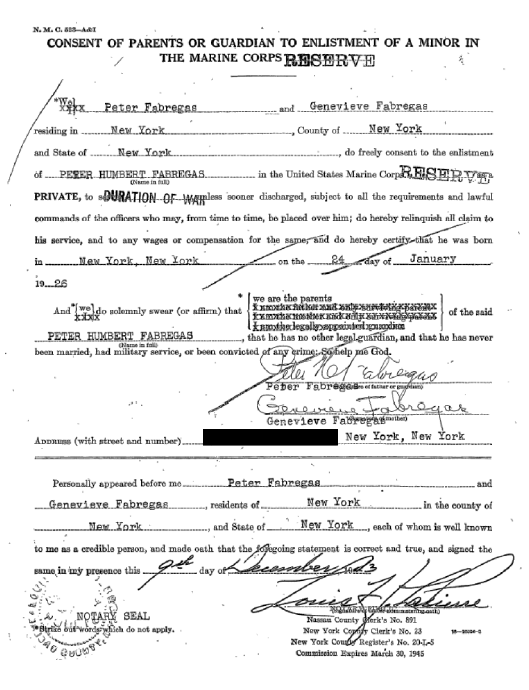
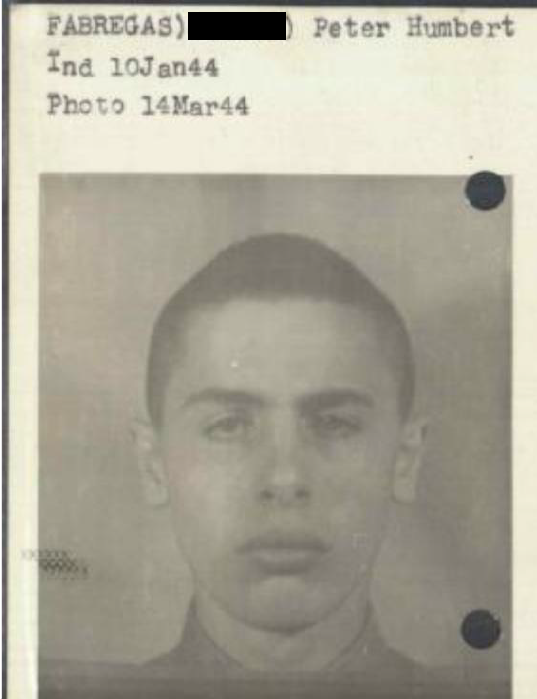
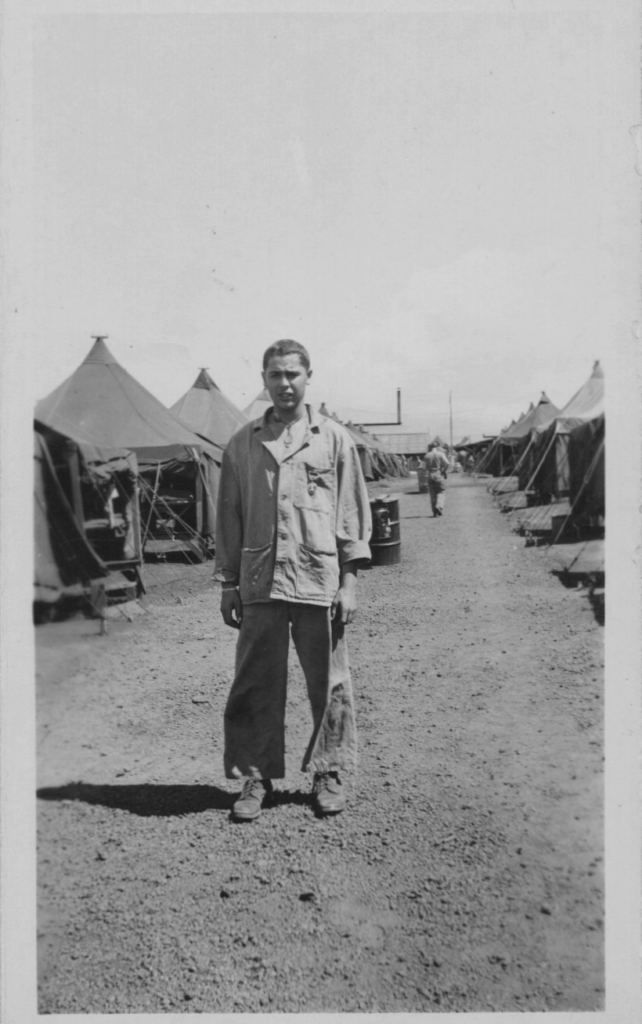
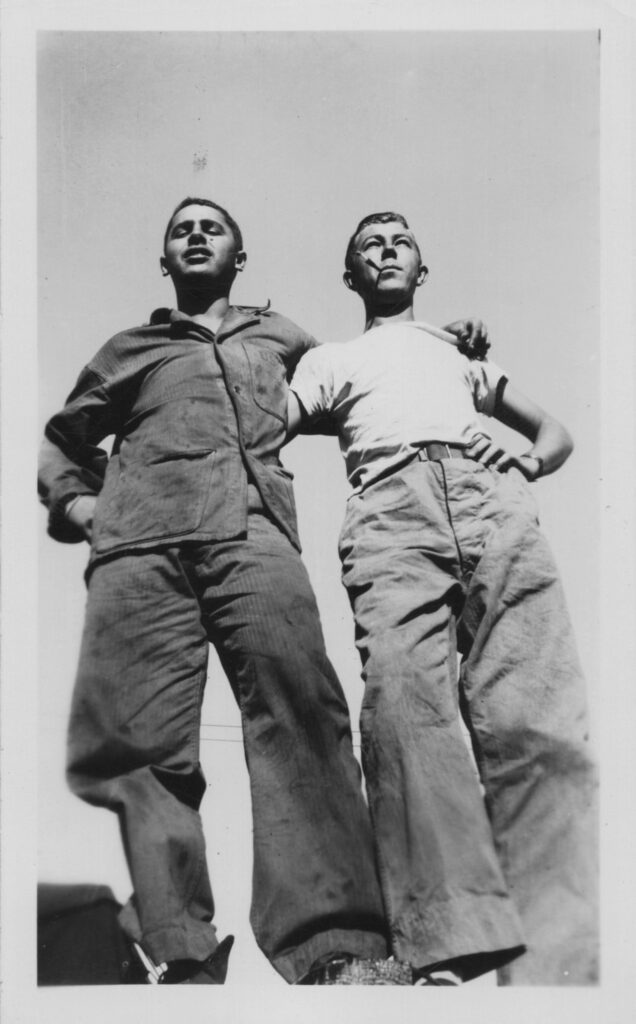
Peter Fabregas’s military experience began when he enlisted in the U.S. Marine Corps in 1944 rather than wait to be drafted. This decision gave him some control over his path. After enlisting in New York, Fabregas was sent to Parris Island for boot camp, where he underwent intense physical and mental training designed to prepare Marines for combat. From there, he continued training at Camp Lejeune, North Carolina, and later Camp Maui, Hawaii, where he was assigned to a machine-gun platoon in the 4th Marine Division, 25th Marines, 3rd Battalion, K Company.
Fabregas’s role as a machine gunner placed him in one of the most dangerous and critical positions on the battlefield. Machine gunners were responsible for providing sustained fire to support advancing troops and defend positions, making them key targets for enemy forces. His training prepared him for these responsibilities, but it also reflected the realities of war, as Marines were often reassigned based on immediate needs. Originally trained in radio operations, Fabregas was redirected into infantry and weapons training.
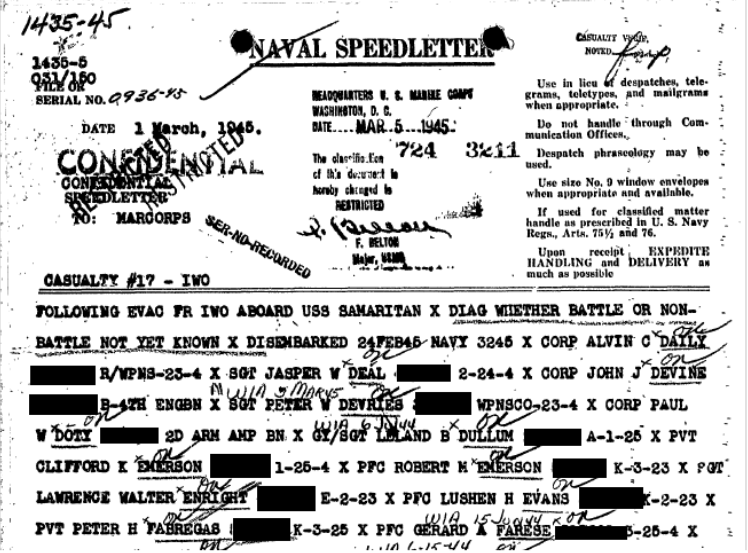
Fabregas saw combat in the Pacific Theater, most notably during the Battle of Iwo Jima in 1945. This battle was one of the most intense and strategically important conflicts of the war, as U.S. forces sought to capture the island to use as a base for air operations against Japan. Fighting as part of the 4th Marine Division, Fabregas and his unit secured beaches and advanced across heavily defended terrain. The battle was marked by brutal conditions, heavy casualties, and fierce Japanese resistance, making it a defining moment in his military service.
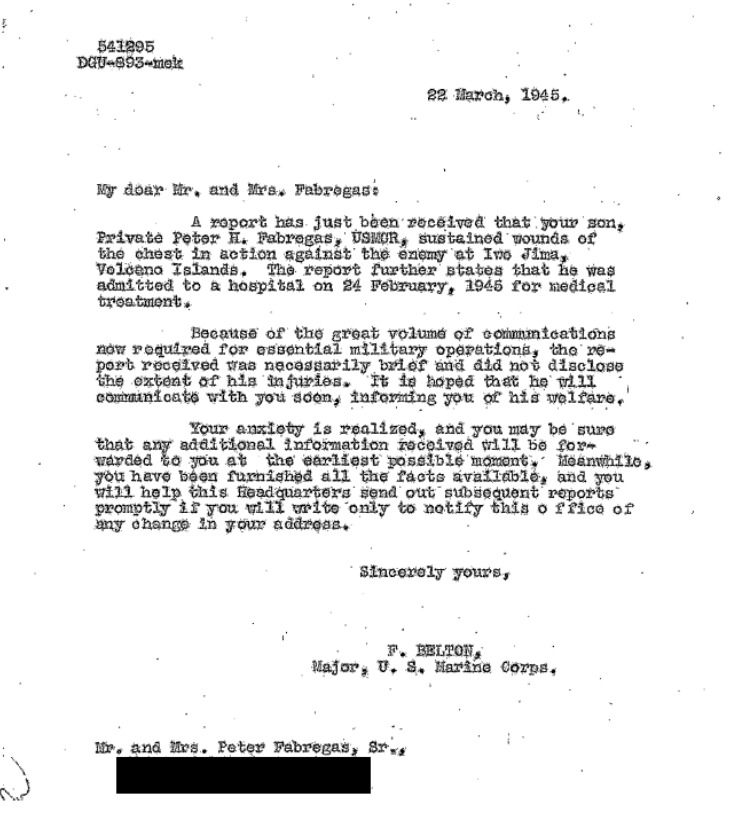
During the fighting at Iwo Jima, Fabregas was wounded by shrapnel, an injury for which he was awarded a Purple Heart. He continued his service through the end of the conflict and into the occupation period. Like many servicemen, he experienced the uncertainty of waiting to return home, as the military used a point system to determine who would be discharged first.
Fabregas was ultimately discharged in 1946 at Camp Pendleton, California. He had risen to the rank of corporal and gained extensive combat and military experience. His service demonstrates the broader experience of many young Americans who entered the war with limited preparation but were quickly shaped by intense training and combat. Overall, Fabregas’s military experience highlights themes of duty, adaptation, sacrifice, and resilience, showing how the war transformed him from a teenager into a seasoned Marine.
Veteran Experience
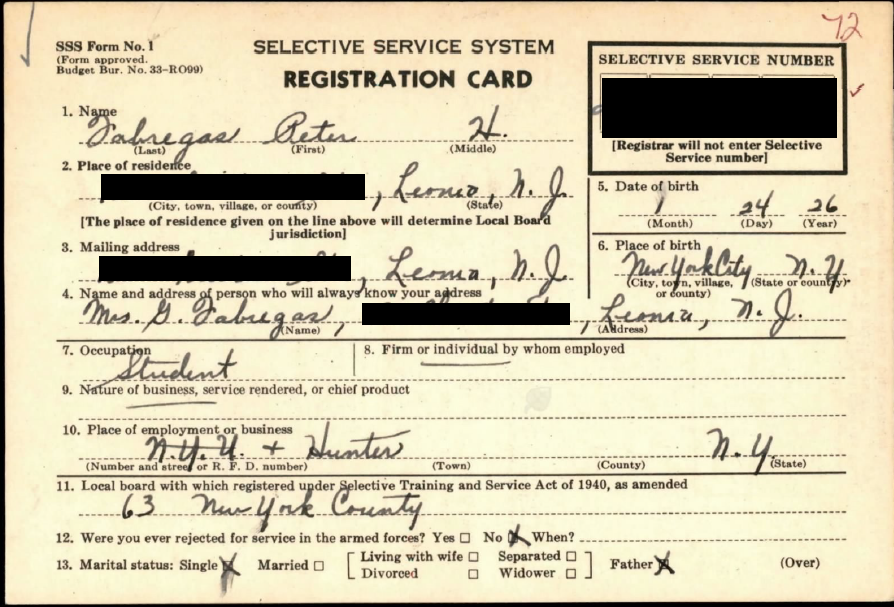
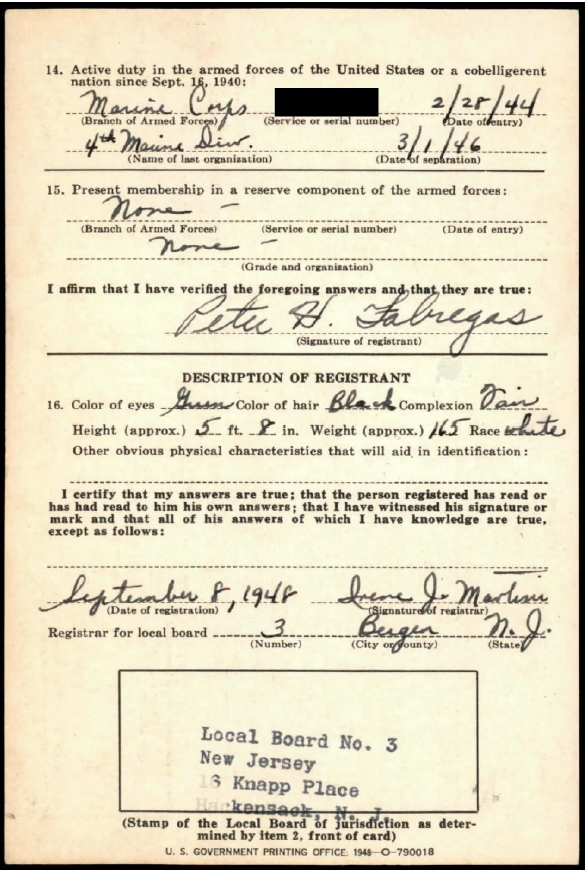
Peter Fabregas returned home in 1946 to a country that was transitioning from wartime to peacetime. He enrolled in school, earning a degree from Hunter College and later completing a Master’s degree at Columbia University. His Korean War draft card, signed on September 8, 1948, notes that he was a student at Hunter College.
Fabregas joined the U.S. Army Reserves and was later recalled to service during the Korean War, where he served as an interrogator and eventually reached the rank of sergeant first class.
After returning from the Korean War, Fabregas built his life in New York. He settled in Massapequa Park and married Elaine Goldmeer in 1954.
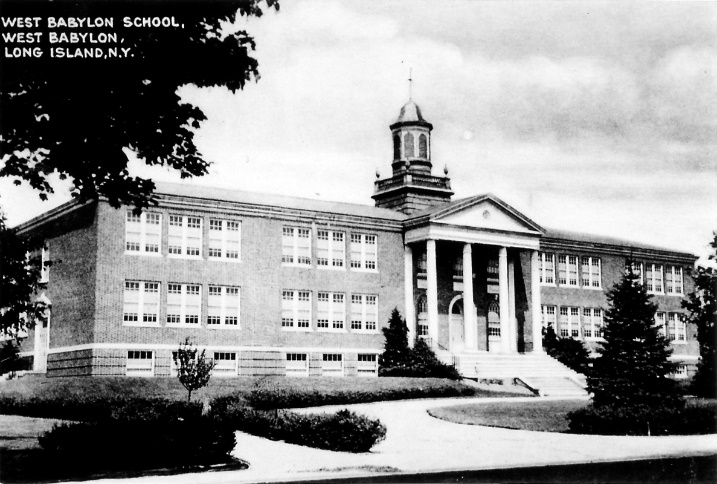
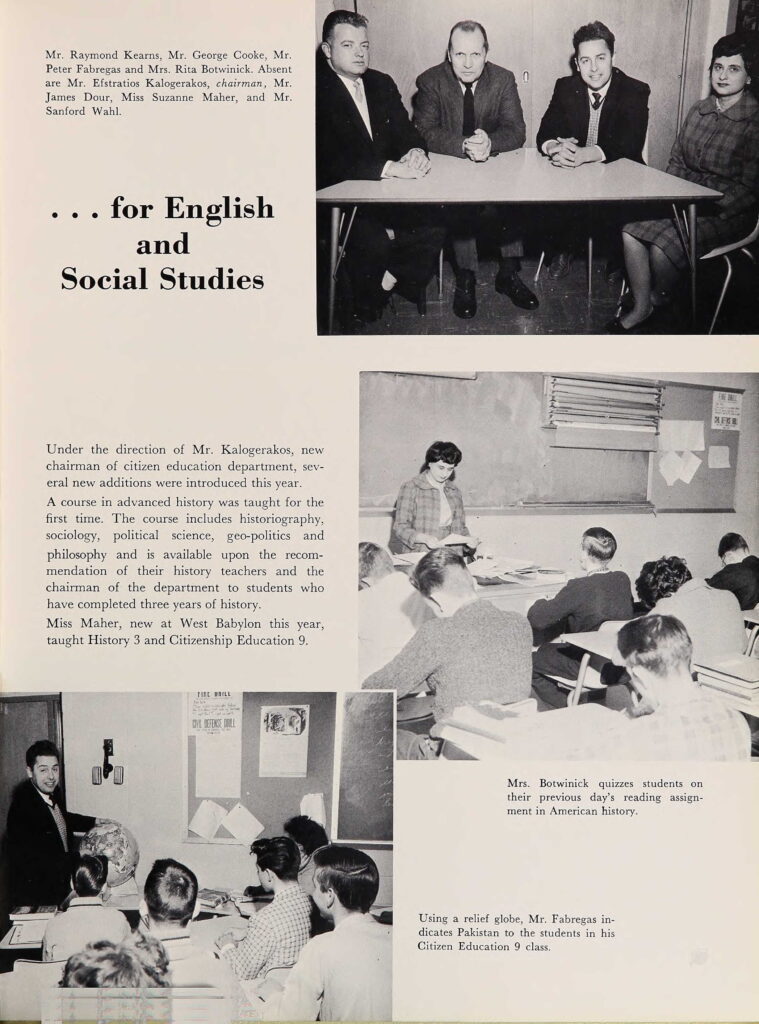
Fabregas spent more than 30 years teaching history, primarily at West Babylon High School, and continued working in education even after retirement as a substitute teacher.
Overall, Fabregas’s life as a Veteran reflects resilience, growth, and continued service. He successfully transitioned from combat to civilian life, built a stable career, and remained engaged with both his community and his country. Fabregas’s experience demonstrates that the impact of war does not end on the battlefield, but continues to influence a person’s life and contributions for decades afterward.
Commemoration
Peter Fabregas passed away on February 3, 2020, at age 94, marking the end of a long life shaped by service, resilience, and commitment to others.
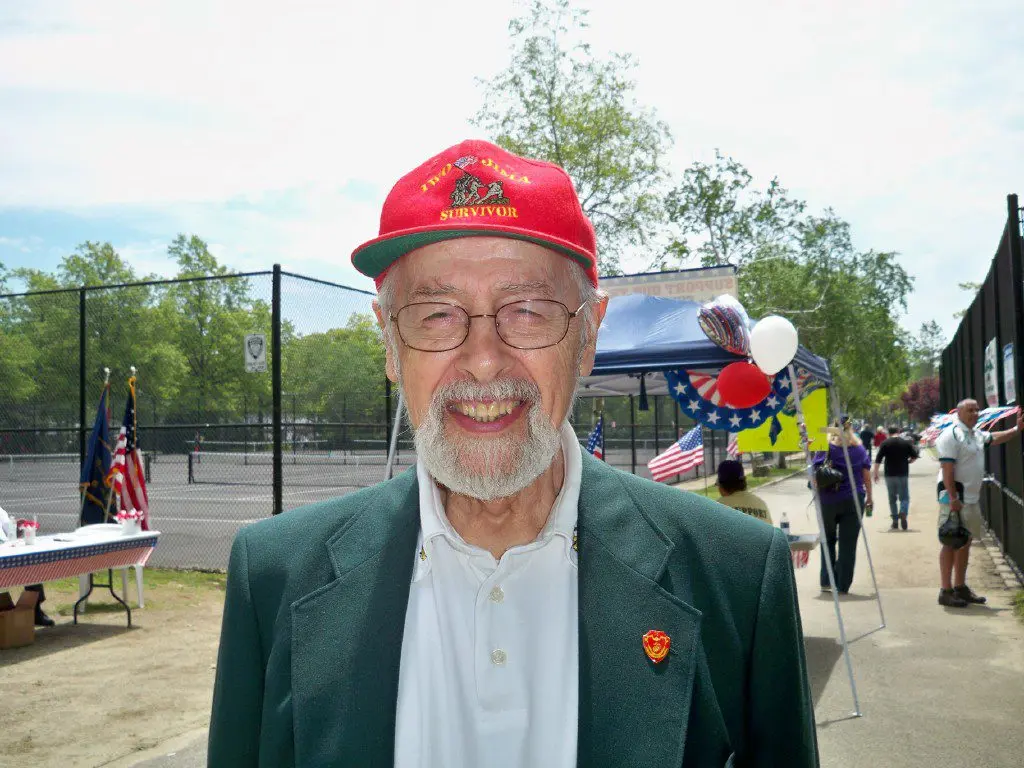
Fabregas’s legacy is most clearly seen through his impact as a teacher and community member. Over a career that spanned more than three decades, he educated and influenced generations of students, leaving a lasting mark that extends far beyond any physical monument or named site. He also remained engaged in his community, speaking at events honoring military service, where he reminded others of the true cost of freedom, stating, “We owe what we have to thousands of guys out there, Army, Navy, Marine Corps . . . We are here today because they are not.” His legacy lives on through the people he taught, the family he raised, and the example he set as both a veteran and an educator.
Bibliography
Primary Sources
Fabregas Family Photographs. 1954-2019. Courtesy of Rich Ingleby.
“Fabregas-Goldmeer Marriage Announced.” Brooklyn Eagle [Brooklyn, New York], August 16, 1954. Newspapers.com (686451145).
Fabregas, Peter. Unpublished Memoir. 2004–2005.
Farmingdale High School Yearbook. Farmingdale Union Free School District, 2010.
Navy Yard, Brooklyn. New York. Photograph. 1918. Naval History and Heritage Command (NH 117794). https://www.history.navy.mil/content/history/nhhc/our-collections/photography/numerical-list-of-images/nhhc-series/nh-series/NH-117000/NH-117794.html.
New Jersey. Bergen County. 1950 U.S. Census. Digital Images. https://ancestry.com/.
New York. New York County. 1930 U.S. Census. Digital Images. https://ancestry.com/.
New York. New York County. 1940 U.S. Census. Digital Images. https://ancestry.com/.
Peter H. Fabregas. U.S., Korean War Era Draft Cards, 1948-1959. Digital Images. https://ancestry.com/.
PPeter Humberto Fabregas, Official Military Personnel File, Department of the Navy, National Archives and Records Administration – St. Louis.
eter Humberto Fabregas. U.S., World War II Draft Cards Young Men, 1940–1947. Digital Images. https://ancestry.com/.
West Babylon High School Yearbook. West Babylon Public Schools, 1961.
West Babylon High School Yearbook. West Babylon Public Schools, 1962.
West Babylon High School Yearbook. West Babylon Public Schools, 1965.
Secondary Sources
“1940–1945 NYC: Wartime Transformation, Cultural Resilience & The Global Impact.” History 101 NYC. Last modified October 4, 2014. Accessed October 30, 2025. https://www.history101.nyc/nyc-history-from-1940-to-1945.
“Building Brooklyn: Women on the Waterfront.” Podcast. October 6, 2021. Brooklyn Public Library. https://www.bklynlibrary.org/podcasts/building-brooklyn-women.
“The Civilian War Effort in New York City During World War I and World War II.” Blog. February 3, 2015. Museum of the City of New York. https://blog.mcny.org/2015/02/03/the-civilian-war-effort-in-new-york-city-during-world-war-i-and-world-war-ii/.
Dean, Clarence. “Navy Yard, Fort Jay and Army Terminal Played Major Roles in Nation’s History.” The New York Times [New York, New York] November 20, 1964. https://www.nytimes.com/1964/11/20/archives/navy-yard-fort-jay-and-army-terminal-played-major-roles-in-nations.html.
Evans, Martin C. Pearl Harbor attack spurred Long Island man to enlist in the Marines.” Newsday, December 6, 2015. https://www.newsday.com/long-island/pete-fabregas-spurred-by-pearl-harbor-attack-to-enlist-in-marines-b12645.
“The Garment Industry’s History of Retooling During National Crises.” The New York Historical. Blog. April 27, 2020. https://www.nyhistory.org/blogs/the-garment-industrys-history-of-retooling-during-national-crises.
Goldstein, Richard. “Answers About World War II in New York, Part I, Part II, and Part III.” October 4, 2010.https://archive.nytimes.com/cityroom.blogs.nytimes.com/2010/10/04/answers-about-world-war-ii-in-new-york-part-iii/.
Goldstein, Richard. Helluva Town: The Story of New York City During World War II. Free Press, 2013.
Ingleby, Rich. “PFC Peter Fabregas: Giants Among Kings: The Epic Odyssey of K Company.” October 9, 2025. https://richingleby.com/fabregas/.
Ingleby, Richard. Compilation of Unused Drafts from Giants Among Kings. Unpublished manuscript.
Paulis, Cynthia. “World Trade Center Beam at Marjorie Post Park.” Patch, May 23, 2011.https://patch.com/new-york/massapequa/world-trade-center-beam-at-marjorie-post-park.
“Peter Humbert Fabregas.” Find a Grave. Updated February 13, 2020. Accessed March 6, 2026. https://www.findagrave.com/memorial/207073815/peter-humbert-fabregas.
“Peter Humbert Fabregas.” Veterans Legacy Memorial, National Cemetery Administration. Accessed March 6, 2026. https://www.vlm.cem.va.gov/PETERHUMBERTFABREGAS/98ff31.
Roberts, Sam. “New York 1945; The War Was Ending. Times Square Exploded. Change Was Coming.” The New York Times [New York, New York], July 30, 1995.https://www.nytimes.com/1995/07/30/nyregion/new-york-1945-the-war-was-ending-times-square-exploded-change-was-coming.html.
Rothstein, Edward. “Over There, and Here as Well.” The New York Times [New York, New York], October 4, 2012.https://www.nytimes.com/2012/10/05/arts/design/wwii-nyc-at-the-new-york-historical-society.html.
“West Bablyon School District.” Town of Babylon. Accessed March 6, 2026. https://www.townofbabylonny.gov/642/West-Babylon-School-District.
“World War II Brought 400,000 Victory Gardens to Manhattan.” Edible Manhattan. Last modified September 2, 2010. Accessed October 31, 2025. https://ediblemanhattan.com/food-for-thought/manhattans-victory-gardens/.
This profile was funded by a grant from the United States Department of Veterans Affairs. The opinions, findings, and conclusions stated herein are those of the author and do not necessarily reflect those of the United States Department of Veterans Affairs.