

Captain Robert John Epperson
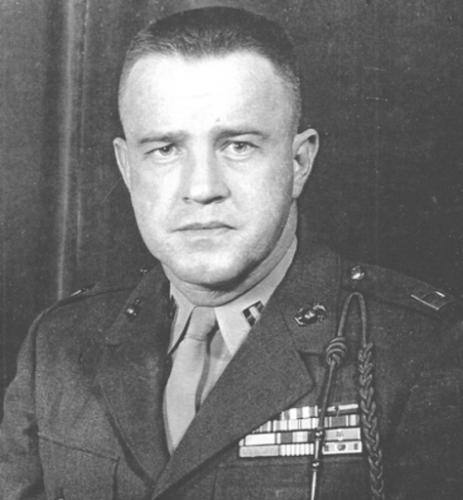
- Unit: First Marine Division
- Date of Birth: March 27, 1925
- Entered the Military: March 4, 1943
- Date of Death: April 24, 2015
- Hometown: Salt Lake City, Utah
- Place of Death: Murray, Utah
- Award(s): Silver Star, American Campaign Medal, World War II Victory Medal, China Service Medal, Korean Service Medal, Marine Corps Reserve Ribbon, United Nations Ribbon, Presidential Unit Citation, Good Conduct Medal, and the National Defense Service Medal
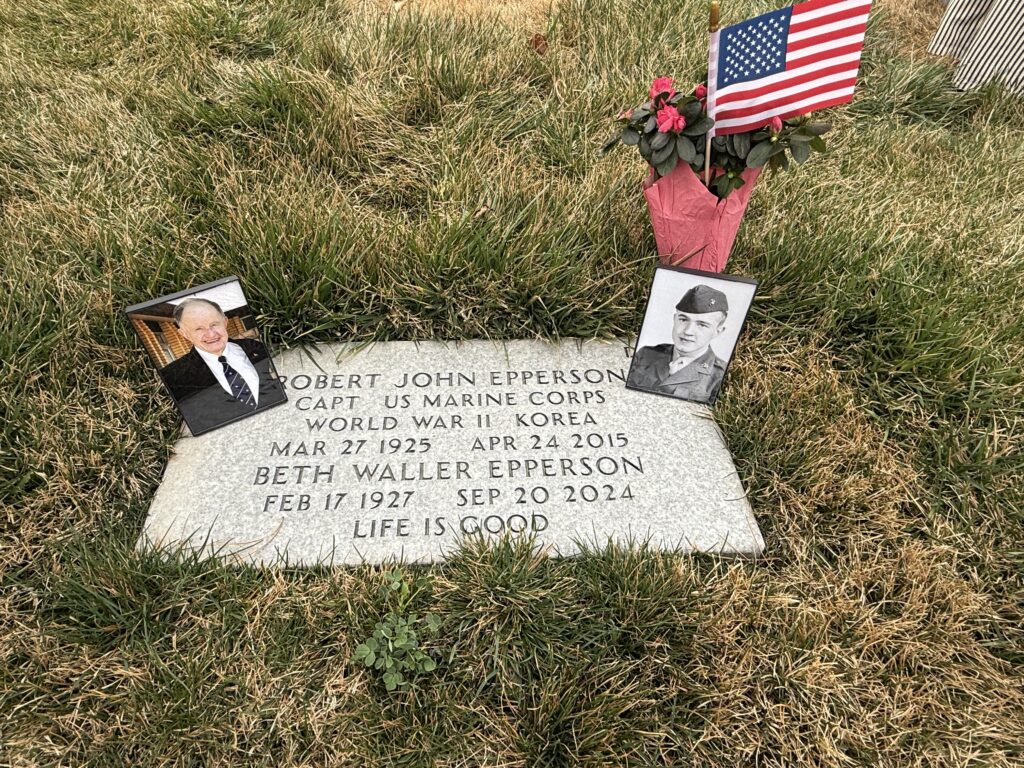
- Cemetery: Section D, Site 113. Utah Veterans Memorial Cemetery, Bluffdale, Utah
Mentored by Mrs. Heidi Stone
Syracuse Arts Academy Junior High School, Syracuse, Utah
2025/2026
Early Life
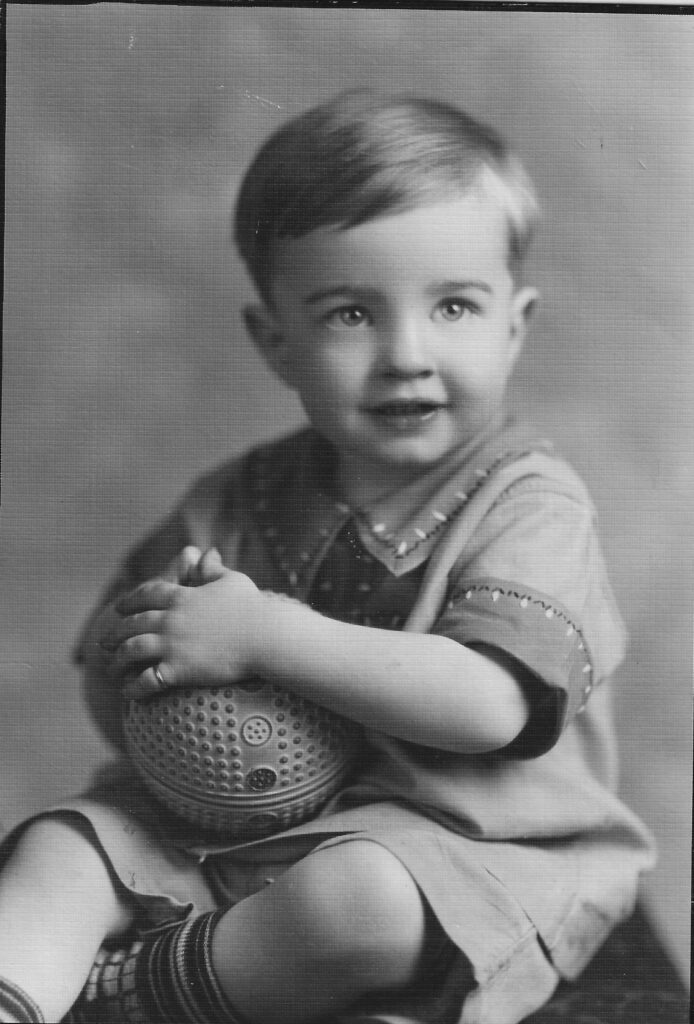
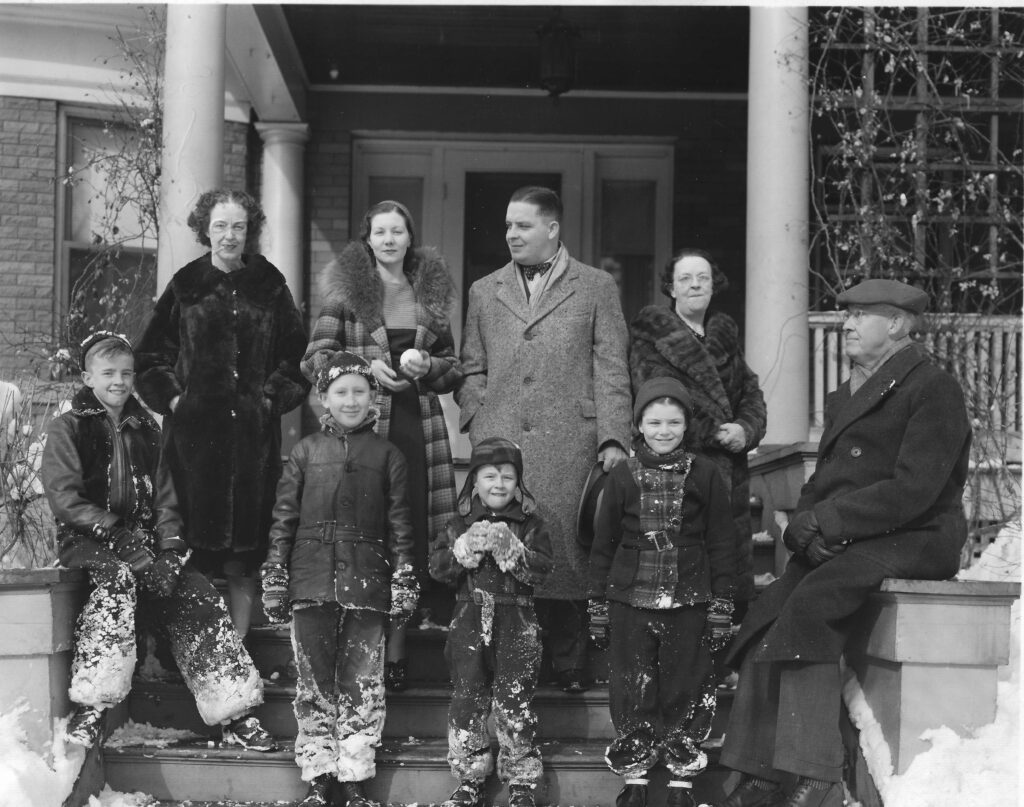
Captain Robert “Bob” Epperson was born on March 27, 1925, in Salt Lake City, Utah, to Allan Haymond and Phyllis Hampton. His parents, Allan and Phyllis Hampton, divorced before his birth, and his mother later remarried James Epperson. His younger brother, James, was born in 1931. After the death of his stepfather, Bob and his brother were raised by their mother and grandparents. In 1937, the family moved to Portland, Oregon.
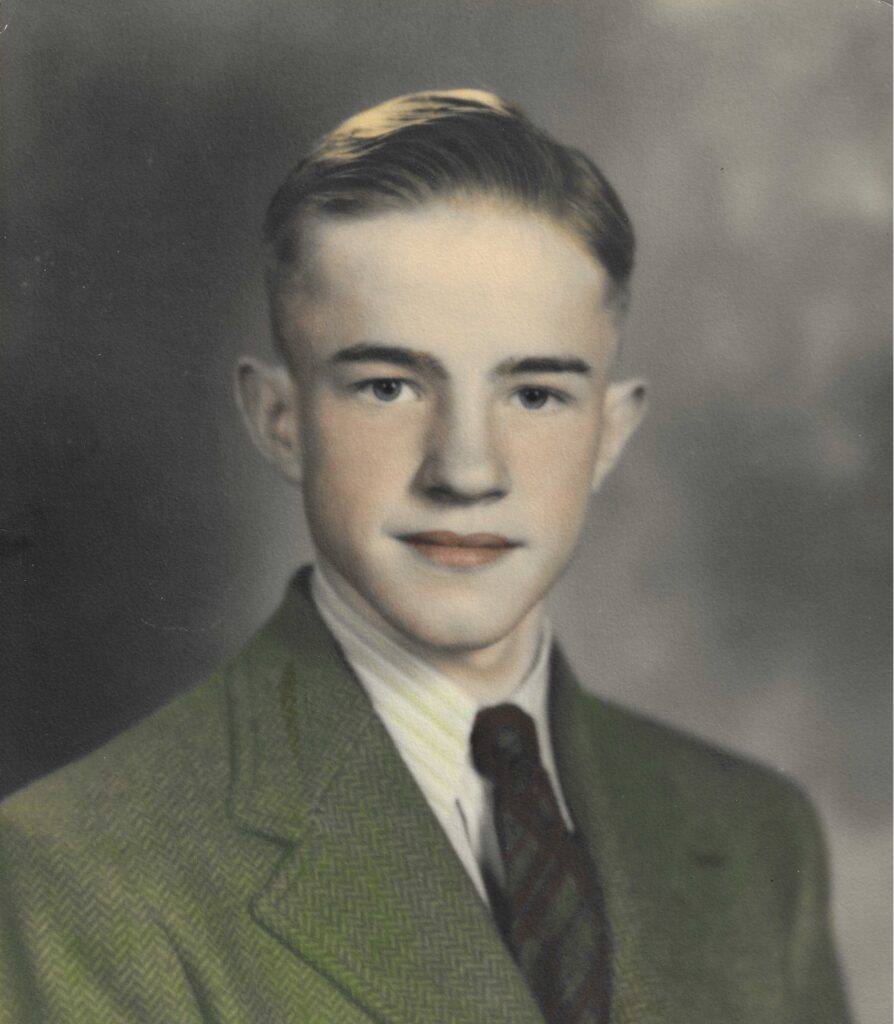
Epperson was a devoted Cardinals fan from the age of nine and proudly listened as the St. Louis Cardinals defeated the Detroit Tigers in the 1934 World Series. At Lincoln High School in Portland, he played basketball, football, and ran track, often bringing humor to the locker room and forming friendships that lasted a lifetime. Inspired by Marine Corps dress blues—and the attention he imagined they would bring—Epperson enlisted in the U.S. Marine Corps at the age of 17 on March 4, 1943. His principal agreed to allow him and several classmates to graduate early if they joined the Marines, and Epperson graduated in 1943.
Homefront
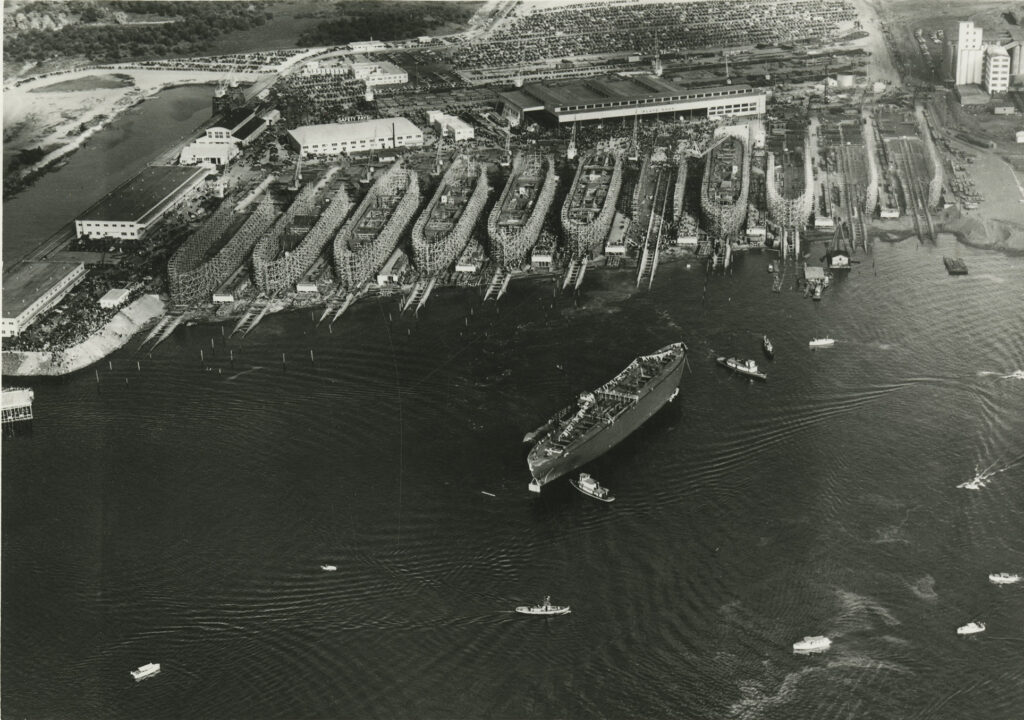
Robert John Epperson grew up in Portland, Oregon, a large metropolitan city with a strong industrial base, including many docks, ports, and factories. Before World War II, Portland had already established a shipbuilding industry, with companies such as the Kaiser Shipyards playing a major role in the city’s economy. However, the city was severely affected by the Great Depression, leaving many residents unemployed.
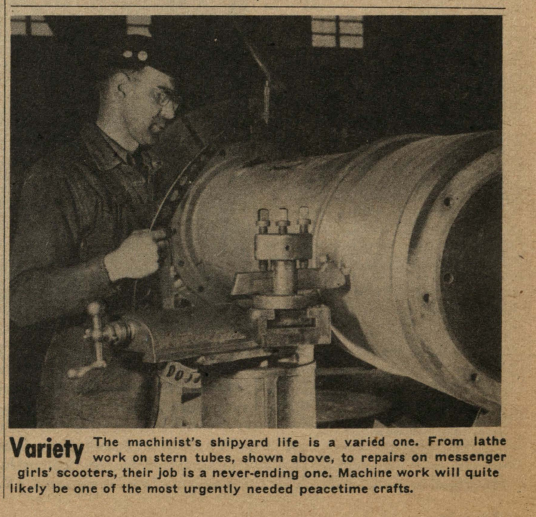
During World War II, Portland’s economy changed dramatically as wartime production increased. The city became a major manufacturing center, with the Oregon Shipbuilding Corporation and Kaiser Swan Island Shipyard producing hundreds of ships for the war effort. Companies such as Albina Engine & Machine Works and Commercial Iron Works contributed by building naval vessels and essential machinery, while Northwest Marine Iron Works focused on ship repair and maintenance. Shipbuilding remained the main form of commerce, and the industry expanded rapidly to meet the demands of the war.
The war also brought major changes to the community. New job opportunities attracted thousands of people to Portland, including African Americans from the South and workers from across the United States who came to work in shipyards like the Oregon Shipbuilding Corporation and Kaiser Swan Island Shipyard.
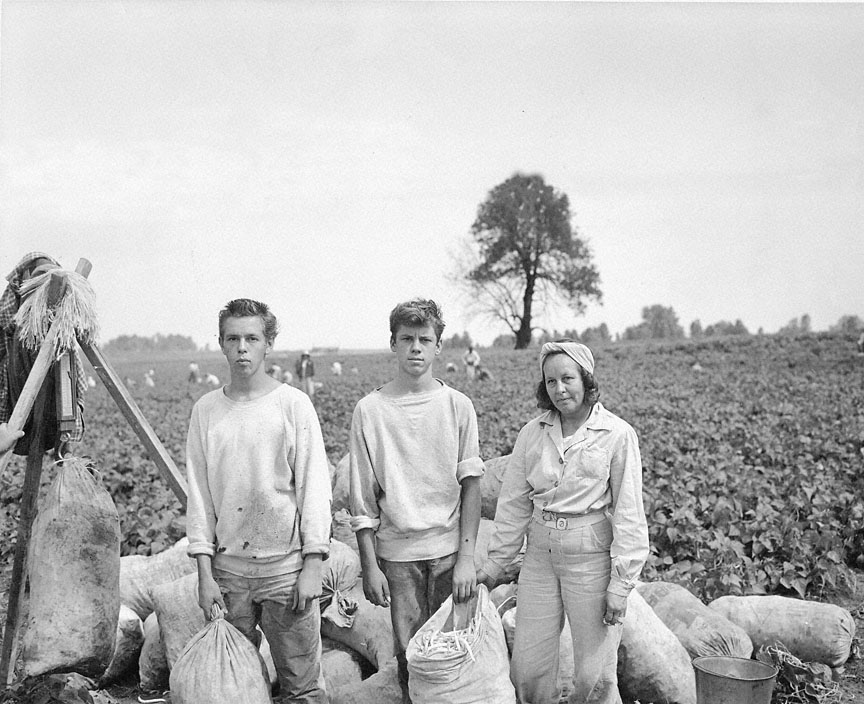
Women joined the workforce in large numbers, taking on industrial jobs as welders, electricians, and riveters—often referred to as “Rosie the Riveter.” Many also participated in programs such as the Emergency Farm Labor Service and the Women’s Land Army, where they were transported to farms across Oregon’s Willamette Valley to help harvest crops and support the war effort. These changes led to rapid population growth and made Portland more diverse than ever before.
Military Experience
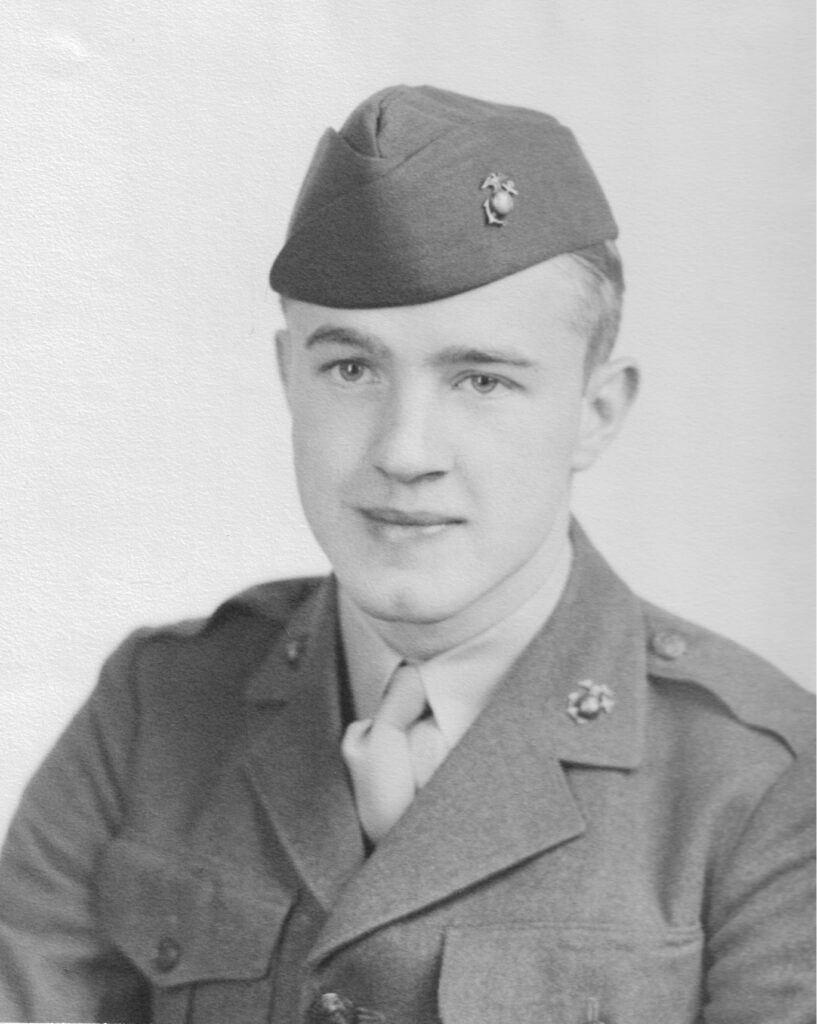
After high school, Epperson was specially selected by the ROTC officer at his high school to join the Navy V-12 officer training program in Michigan for the Marine Corps. This program was created to prepare future officers during World War II, with Marine and Navy officer candidates training together. After attending the V-12 program, Epperson went to basic training at Parris Island, South Carolina, and officer training in Quantico, Virginia. He graduated in 1945 as a second lieutenant and soon joined the First Marine Division as part of the 79th Replacement Draft.
He arrived in Okinawa during the final phase of the Battle of Okinawa in April 1945, serving as a rifle platoon leader. As a rifle platoon leader during the Battle of Okinawa, his job would have been to lead a group of about 30–40 Marines in combat. This role involved giving orders, planning movements, and making quick decisions under pressure. He was responsible for directing attacks, organizing defenses, and ensuring his Marines stayed supplied and coordinated during fighting. Just as important, he was in charge of their safety, morale, and discipline—essentially serving as both a tactical leader and a mentor in extremely dangerous conditions.
Even in wartime, Captain Epperson’s steady leadership and dry humor helped lift the spirits of those around him. In September 1945, he deployed to Tientsin, China, to assist in returning Japanese prisoners of war to their homeland. During long days of guard duty and endless logistical delays, he kept morale steady with calm reassurance and deadpan jokes, often reminding the men that at least they were doing important work—and in his own words: “nobody’s shooting at us today.” After one year of service overseas, he entered the Marine Reserves.
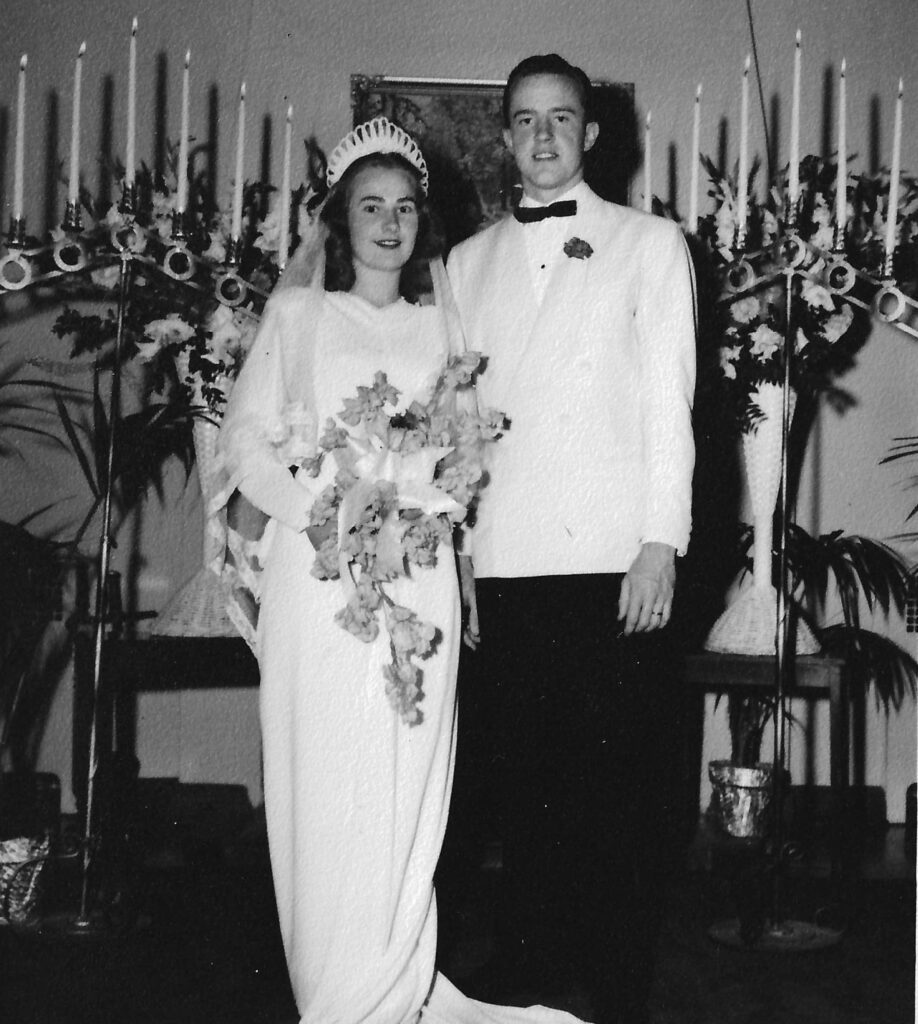
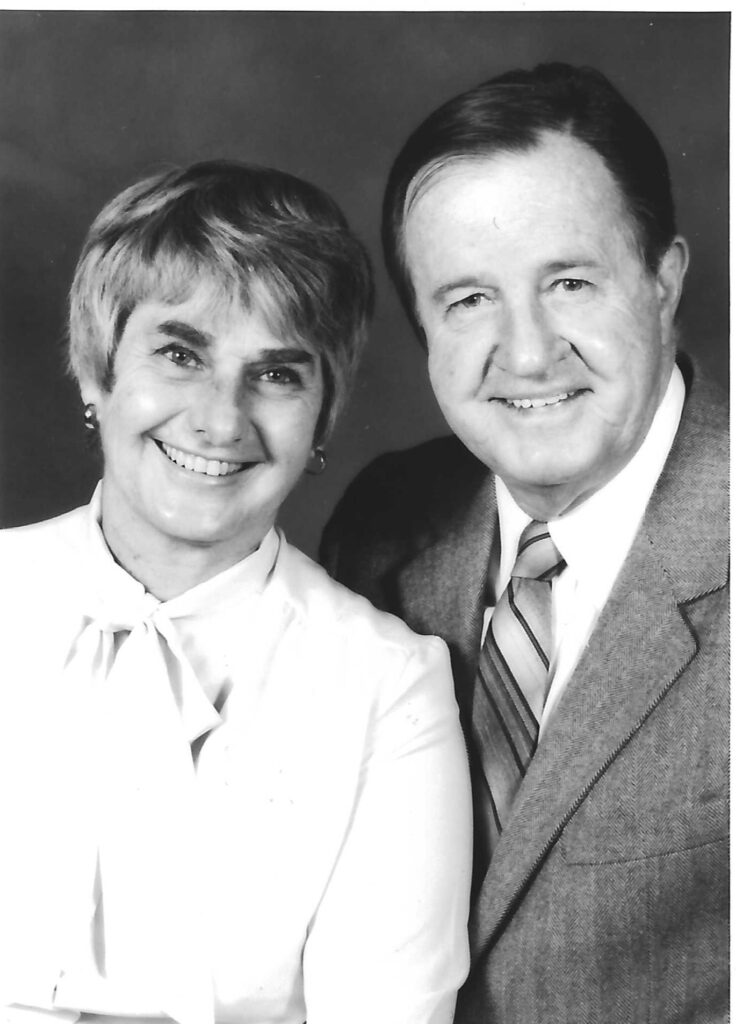
In 1947, Epperson married the love of his life, Beth Waller. Ten months later, they welcomed their first son, Robert. Family was always at the center of Epperson’s life, and he took great pride in being a devoted husband and father.
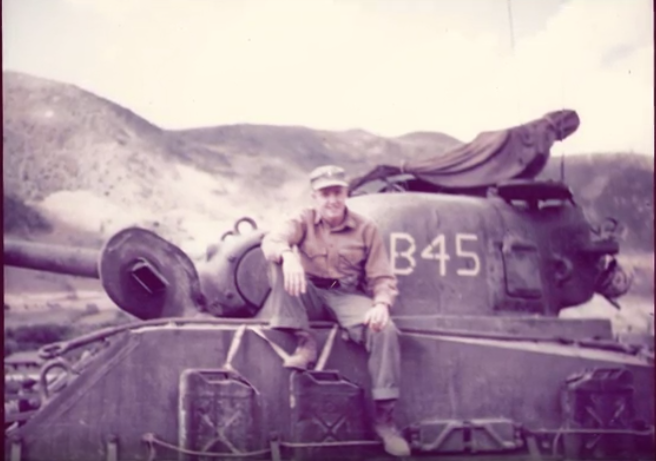
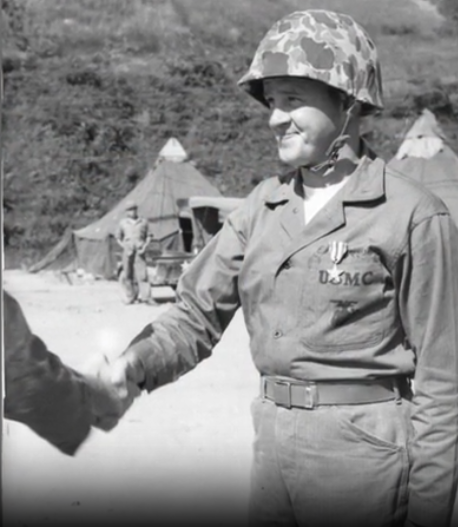
Recalled to active duty in 1950, Epperson served in Korea with the First Battalion, Seventh Marines, where he fought alongside Marine forces resisting the Communist North Korean and Chinese advance. He later endured the brutal winter combat of the Battle of the Chosin Reservoir, one of the most difficult battles of the Korean War. His bravery in driving off enemy tanks earned him the Silver Star for conspicuous gallantry in action. The story, and his humility in serving his country, is best told in his own words:
One night we were just kind of down on the ditch bank there and these jeeps came by. It was Colonel Litzemberg, the regimental commander. He gets out of his jeep and he wants to know if there’re any infantry around and I stood up and said, ‘Yes, Sir.’ I gave him my name. He said, ‘We’ve got reports of a machine gun firing down here.’ I said, ‘We haven’t heard it.’ Just at that time: Tut-Tut-Tut! Tut-Tut-Tut! It was machine gun fire similar to the other incident I told you about. It was firing down on the road and you could see the tracers bouncing. The tracers were a different color from ours so we knew it was the Chinese. So he said, ‘Lieutenant, take these first six jeeps through and see what happens.’ However, true to his nature, he remained characteristically humble about the honor. He finishes the story by saying, “In the spring of 1951, during a counterattack, for just doing my job, I was awarded the Silver Star for conspicuous gallantry in action, if you will. We were just doing what we had to do. Maybe John Kerry was in the same boat. I don’t know. But anyway, I could care less, so I said, ‘Let’s start up these jeeps up. Let’s go.’
This act of leadership in one of the most difficult battles saved lives.
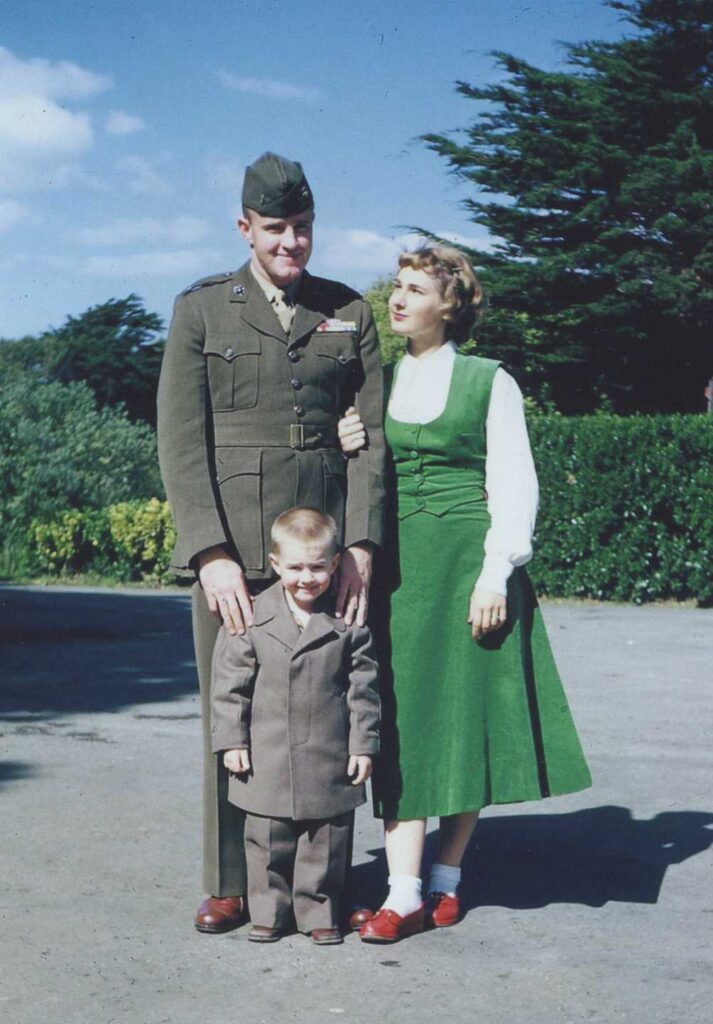
Promoted to captain in 1952, Epperson served as a recruiter in Joplin, Missouri, where he and Beth welcomed their second child, Elizabeth. In 1953, he was sent overseas to Okinawa and Japan with the Third Marine Division, where he led the Atomic, Biological, and Chemical Defense School, teaching Marines how to survive, defend against, and respond to weapons of mass destruction. He was honorably discharged from the Marine Corps in 1958.
Veteran Experience
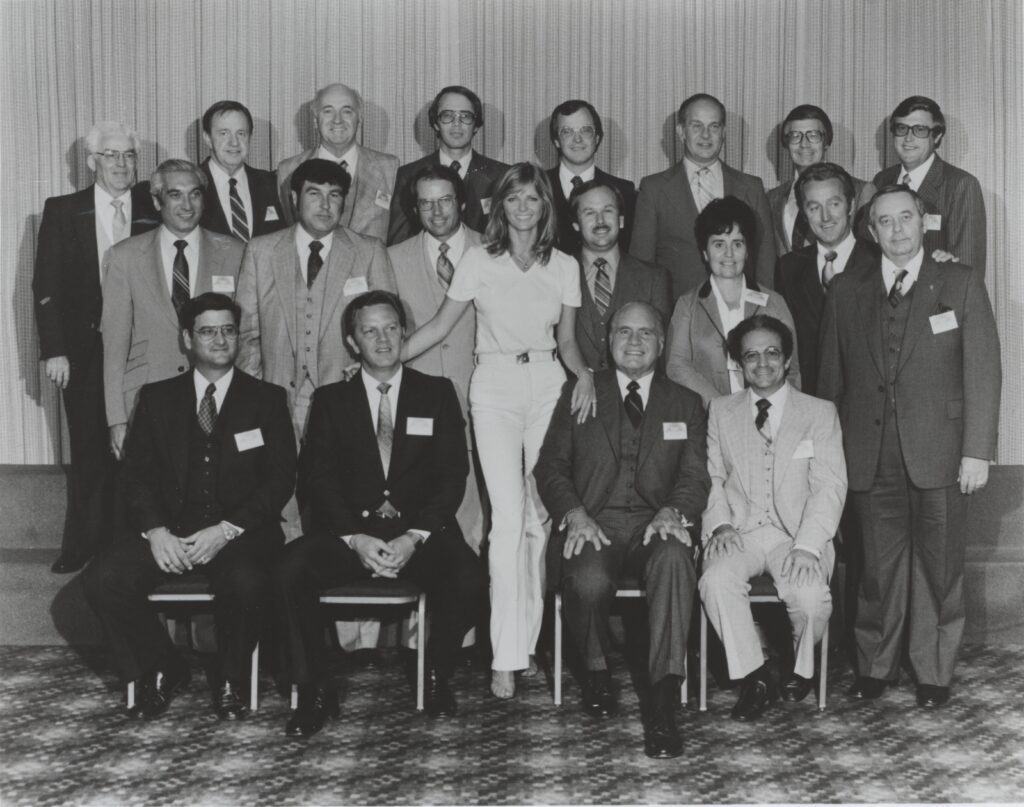
After leaving the Marine Corps, Epperson moved with his family to Idaho, where he began building a long and successful career in retail. In 1959, he started working for Sears Roebuck as a Farm Store Salesman in Idaho Falls, Idaho. Over the years, he was promoted to Appliance Department Manager, then to Store Buying Control Manager, and eventually to Merchandise Manager. Later, he and his wife moved to Utah, where he served as the Utah–Idaho Merchandise Manager. After his time with Sears, he also worked for JCPenney, selling denim goods before retiring in 1980 at the age of 55.
A health scare threatened Epperson’s life, and this experience influenced the direction of his life to re-dedicate himself to serving God, and later led him and his wife, Beth, to be sealed in the Jordan Temple of The Church of Jesus Christ of Latter-day Saints on January 18, 1979. Together they raised two children, a son and a daughter, and built a large posterity that included ten grandchildren and 37 great-grandchildren.
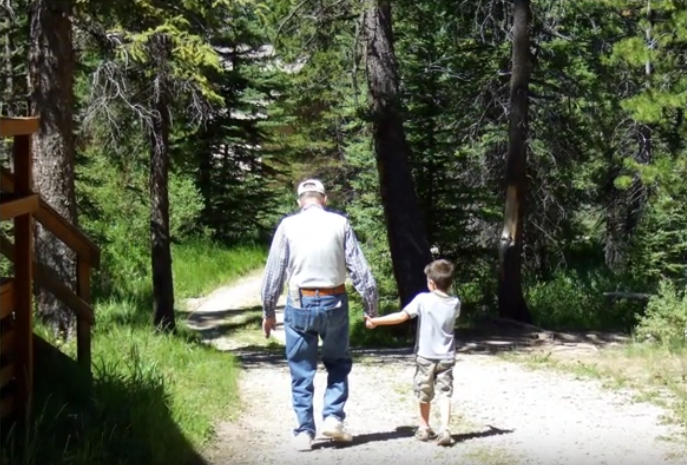
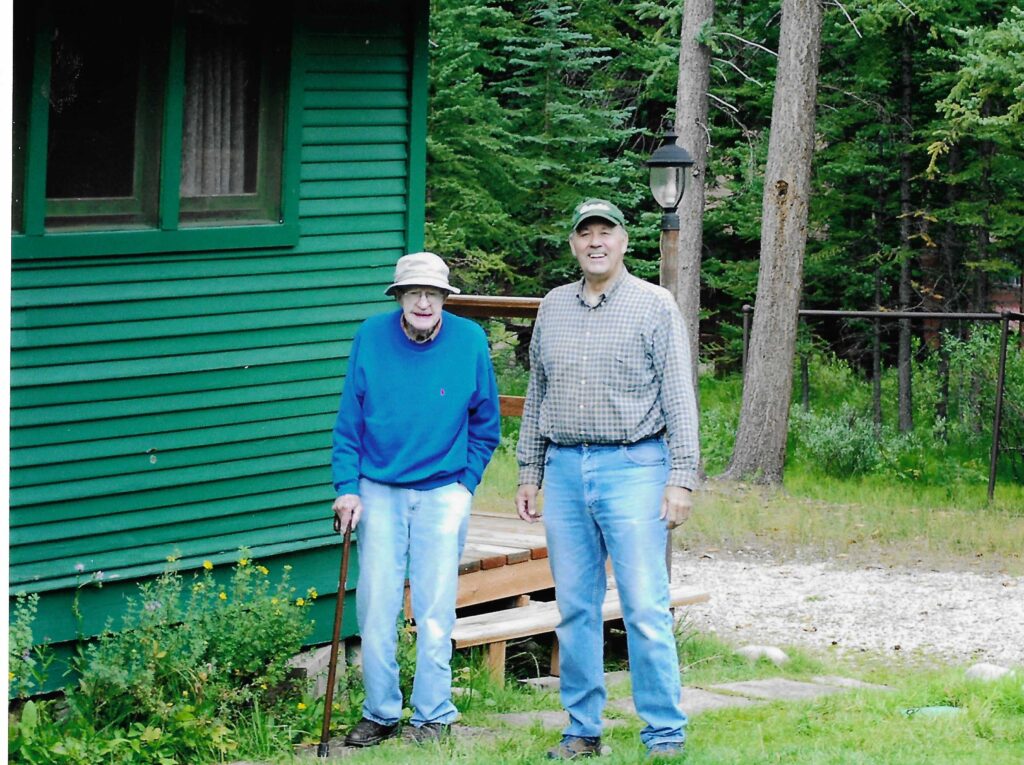
A devoted member of The Church of Jesus Christ of Latter-day Saints, Bob served faithfully alongside his wife. From 1981 to 1983, they served a mission in Philadelphia, and later, from 1991 to 1998, they served in the St. George Utah Temple. In retirement, Bob spent countless happy days at Holiday Park in the Uinta Mountains of Utah, a scenic outdoor recreation area known for its hiking and fishing.
Commemoration
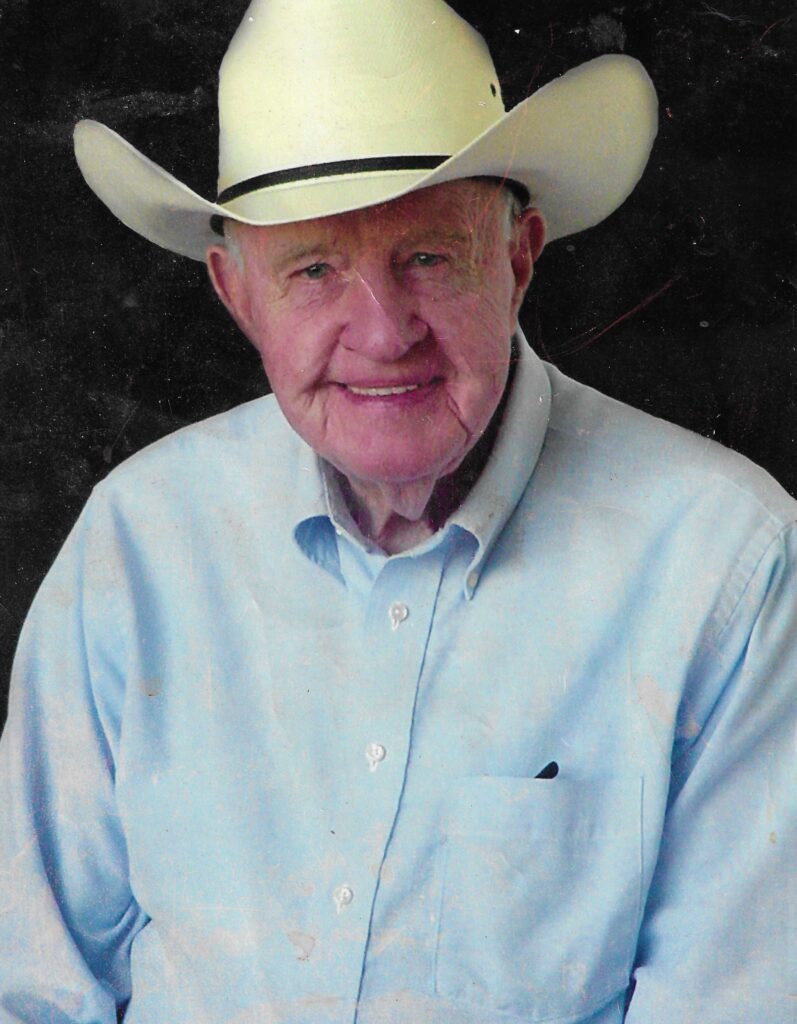
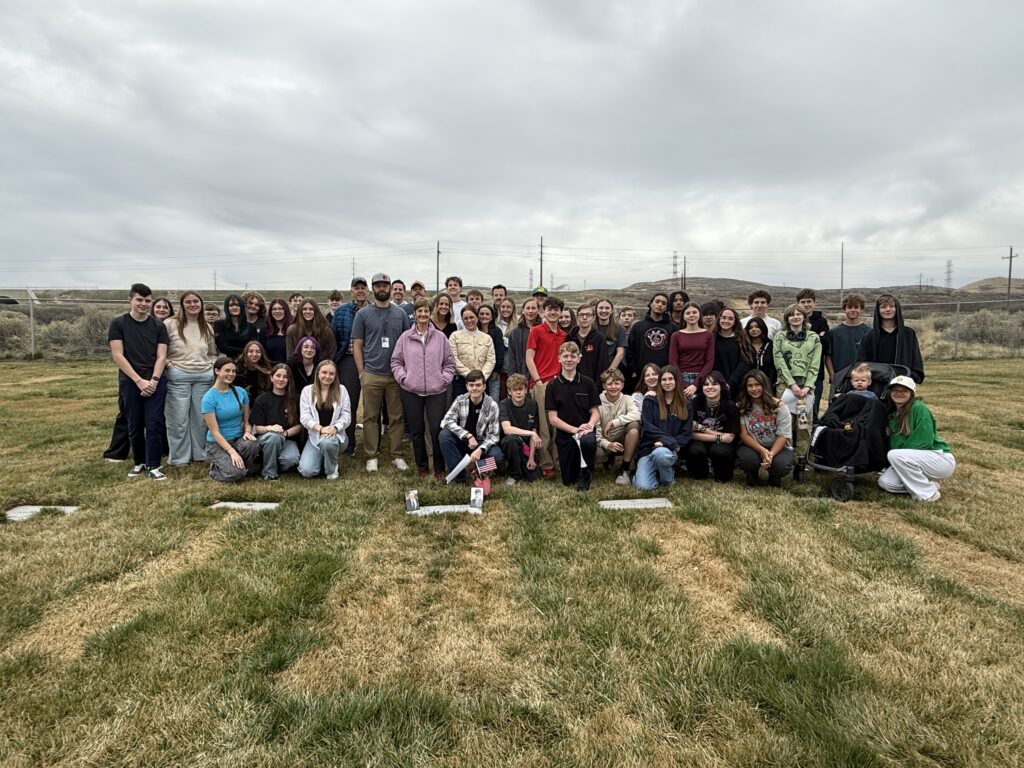
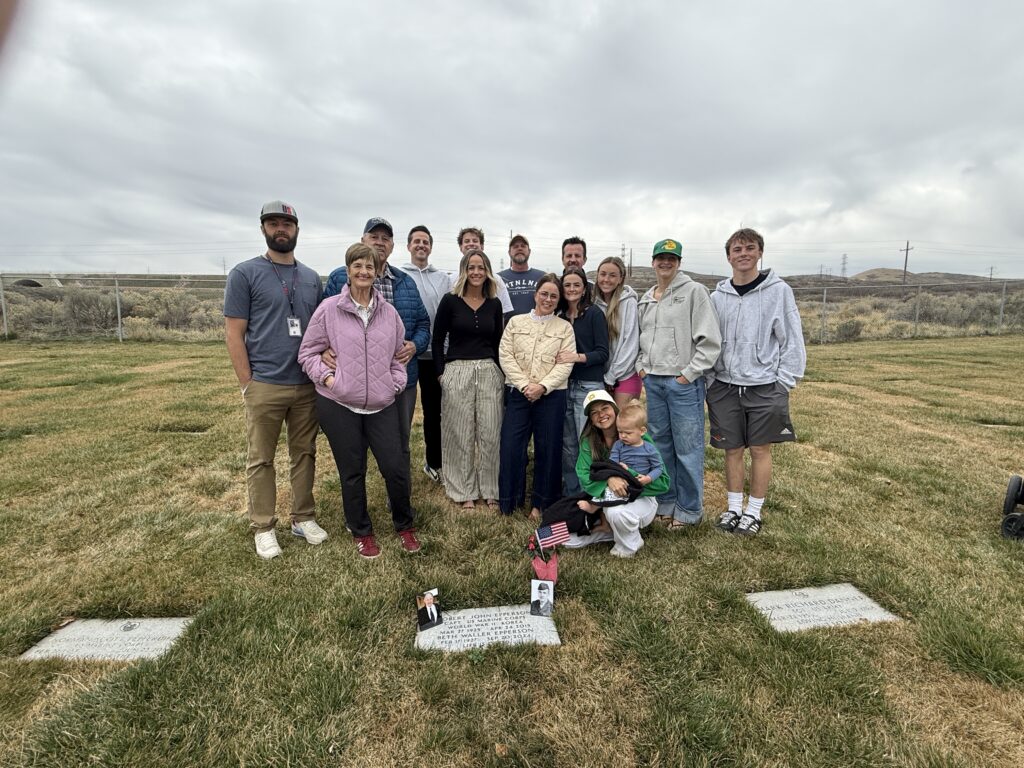
Robert John Epperson passed away on Friday, April 24, 2015. He was laid to rest on Tuesday, April 28, at the Utah Veterans Cemetery in Bluffton, Utah. A proud veteran of the Battle of the Chosin Reservoir, he is remembered through a memorial at the VA Hospital in Salt Lake City.
Epperson was deeply involved in the Holiday Park community, where he served as secretary-treasurer of the Holiday Park Corporation and affectionately referred to himself as the “Mayor” of Holiday Park. Known for his dedication, patriotism, and strong character, Robert John Epperson served his country faithfully and lived a life of commitment to family, community, and faith. He will be greatly missed and lovingly remembered by all who knew him. His grandson holds his silver star close to his heart, a lasting memory of his grandfather’s dedication and love for his family.
Bibliography
Primary Sources
Aerial of Oregon Shipbuilding Corp. Photograph. Oregon Historical Society Research Library (Orhi68780). https://www.oregonencyclopedia.org/media-collections/kaiser-shipyards/.
Epperson Family Records. Courtesy of Thomas Mitchell.
The machinist’s shipyard life . . .Photograph. The Bo’s’n’s Whistle [Vancouver, Washington], September 29, 1944. Oregon Historical Society Research Library (Orhi68780). https://digitalcollections.ohs.org/the-bosns-whistle-vancouver-edition-volume-04-number-34.
Mitchell, Thomas. Telephone interview with the authors. March 5, 2026.
Oregon. Multnomah County. 1940 U.S. Census. Digital Images. http://ancestry.com.
“Robert Epperson.” The Joplin Globe [Joplin, Missouri], November 14, 1954, p. 4. https://storied.com/.
Robert Epperson. Korean War Era Draft Cards, 1948–1959. Digital Images. https://ancestry.com.
Robert Epperson. Utah State Archives and Records Service. Military Service Cards, ca. 1898–1975. Digital Images. https://ancestry.com.
Robert J. Epperson. Oral History. March 15, 2004. J. Williard Marriott Library, University of Utah (1020018). https://collections.lib.utah.edu/ark:/87278/s68071wq.
Robert John Epperson. Official Military Personnel File, Department of the Navy, National Archives and Records Administration – St. Louis.
Robert John Epperson. Report of Separation, Department of the Navy, National Archives and Records Administration – St. Louis.
“Robert John Epperson.” The Salt Lake Tribune [Salt Lake City, Utah], August 1, 1947. https://storied.com/.
“Robert John Epperson.” Starks Funeral Parlor. Updated April 26, 2015. Accessed April 21, 2026. https://starksfuneral.com/obituary/robert-john-epperson/
Robert John Epperson. Utah, U.S., Marriage Index, 1800s–Current. Digital Images. https://ancestry.com.
St. George Utah Temple. Photograph. The Church of Jesus Christ of Latter-day Saints. Accessed December 12, 2025. https://www.churchofjesuschrist.org/temples/details/st.-george-utah-temple?lang=eng.
[Two teenage boys working with a woman to harvest wax bush beans on Sauvie Island.] Photograph. 1943. Oregon Historical Society Research Library (48789). https://www.oregonhistoryproject.org/articles/historical-records/youth-harvest-beans-sauvie-island-1943/.
Utah. Salt Lake County. 1930 U.S. Census. Digital Images. http://ancestry.com.
Utah. Salt Lake County. 1950 U.S. Census. Digital Images. http://ancestry.com.
“Victory Gardens.” The Tuscola Review [Tuscola, Illinois], April 8, 1954. Newspapers.com (1084355183).
Secondary Sources
Boal, Jed. “Former Marine committed to getting a medal to every Utah Korean War vet.” KSL. June 30, 2021. https://www.ksl.com/article/50195866/former-marine-committed-to-getting-a-medal-to-every-utah-korean-war-vet.
“Confidence Amidst the Crises of Depression and World War II.” Oregon Blue Book, Oregon Secretary of State. Accessed November 14, 2025. https://sos.oregon.gov/blue-book/Pages/facts/history1/confidence.aspx.
Engeman, Richard H. “Wooden Beams and Railroad Ties: The History of Oregon’s Built Environment.” Oregon History Project. Last modified 2014. Accessed November 14, 2025. https://www.oregonhistoryproject.org/narratives/wooden-beams-and-railroad-ties-the-history-of-oregons-built-environment/international-northwest-and-cryptic-styles/world-war-ii-opens-new-doors/.
Garcia, Jerry. “Latinos in Oregon.” Oregon Encyclopedia. Accessed November 15, 2025. https://www.oregonencyclopedia.org/articles/hispanics_in_oregon/.
Gregory, James. “Oregon Migration History 1850–2022.” America’s Great Migrations Project, University of Washington. Accessed November 13, 2025. https://depts.washington.edu/moving1/Oregon.shtml.
“Kaiser Shipyards.” Vintage Portland. Last modified April 15, 2024. Accessed November 13, 2025. https://vintageportland.wordpress.com/tag/kaiser-shipyards/.
Killen, John. “Past Tense Oregon: War Posters Go on Display Saturday at Oregon Historical Society.” The Oregonian. February 27, 2015. https://www.oregonlive.com/history/2015/02/past_tense_oregon_war_posters.html.
LaLande, Jeff. “World War II and the Post-War Boom.” Oregon History Project. Last modified 2014. Accessed November 14, 2025. https://www.oregonhistoryproject.org/narratives/high-desert-history-southeastern-oregon/part-of-the-wider-world/world-war-ii-and-the-post-war-boom/.
Stephenson, Gary. “Fighters on the Farm Front: Oregon’s Emergency Farm Labor Service.” Oregon State University. Accessed November 13, 2025. https://smallfarms.oregonstate.edu/smallfarms/fighters-farm-front-oregons-emergency-farm-labor-service-1943-1947.
Wells, Gail. “The Oregon Coast – ‘Forists and Green Verdent Launs [sic].’” Oregon History Project. Last modified 2014. Accessed November 13, 2025. https://www.oregonhistoryproject.org/narratives/the-oregon-coastforists-and-green-verdent-launs/unions-and-hard-times/world-war-ii/.
“Women in the Shipyards.” Oregon History Project. Accessed November 14, 2025. https://www.oregonhistoryproject.org/history-project-exhibits/women-shipyards/.
“World War I and Reactionary Oregon.” Oregon Blue Book, Oregon Secretary of State. Accessed November 14, 2025. https://sos.oregon.gov/blue-book/Pages/facts/history1/ww1.aspx.
This profile was funded by a grant from the United States Department of Veterans Affairs. The opinions, findings, and conclusions stated herein are those of the author and do not necessarily reflect those of the United States Department of Veterans Affairs.