

Corporal Roman Dolata
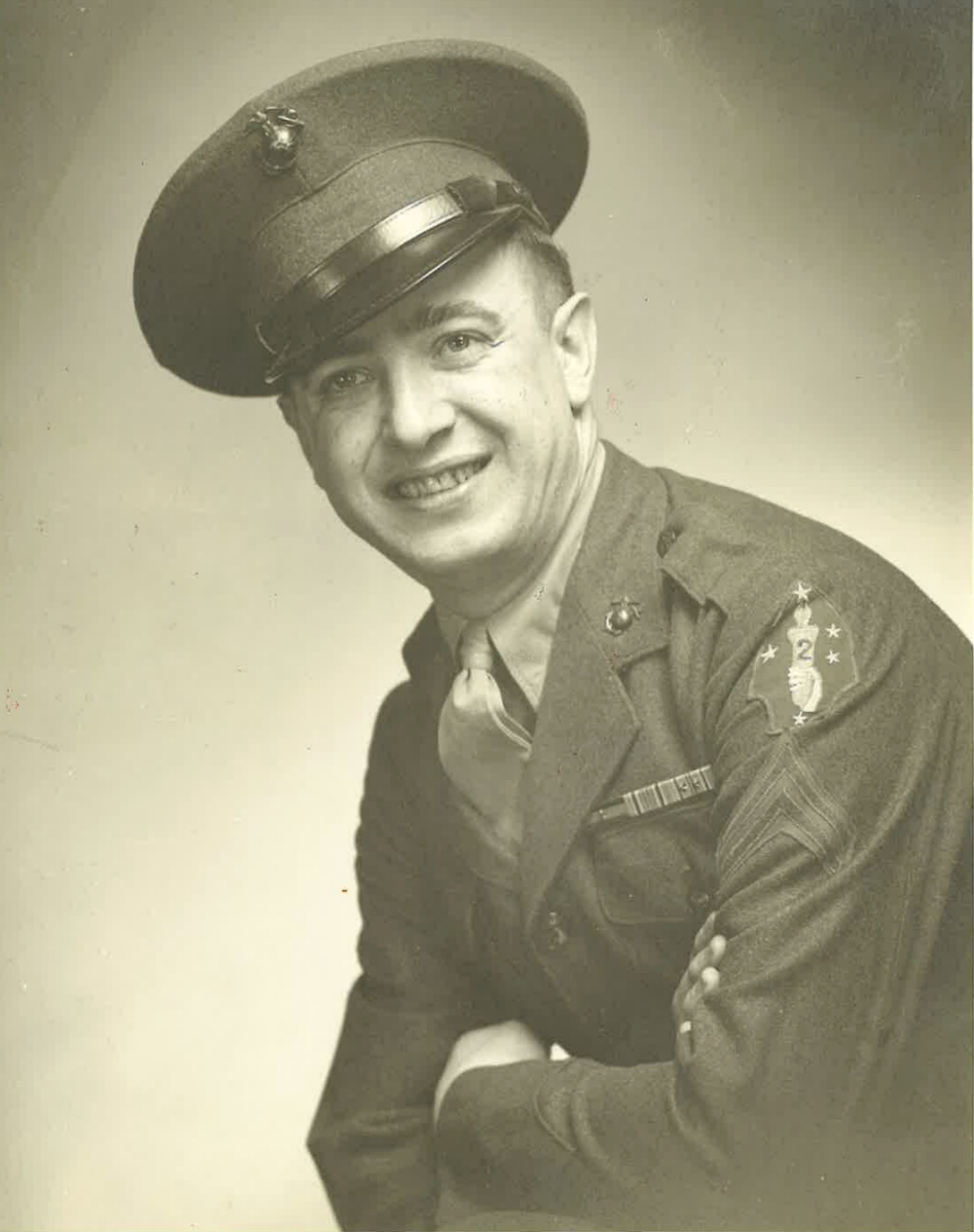
- Unit: Fleet Marine Force, 2nd Armored Amphibious Battalion, Company A
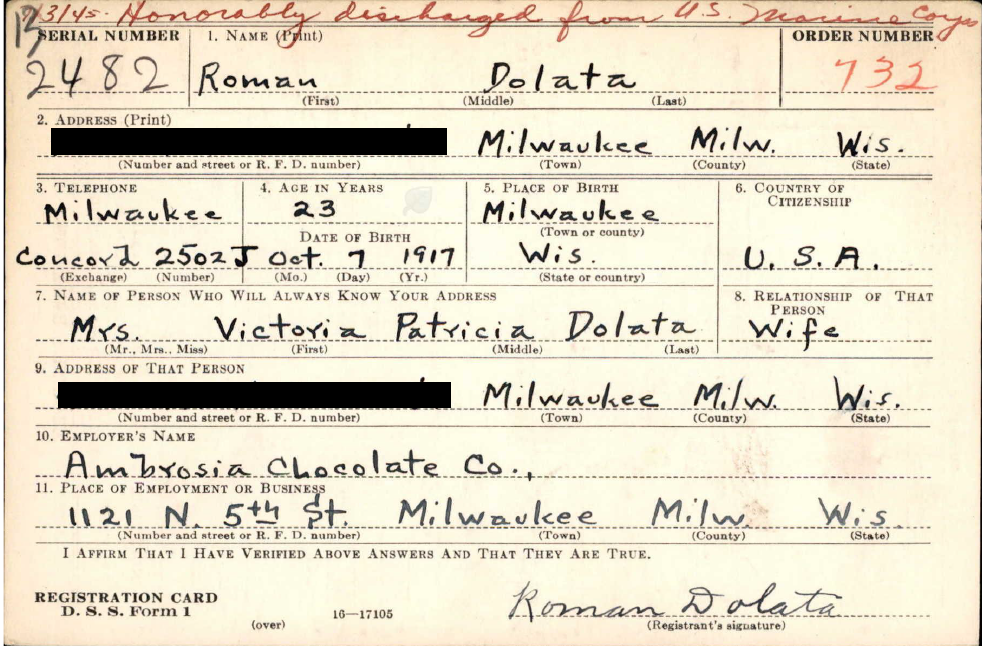
- Date of Birth: October 7, 1917
- Entered the Military: September 22, 1943
- Date of Death: August 11, 1980
- Hometown: Milwaukee, Wisconsin
- Place of Death: Milwaukee, Wisconsin
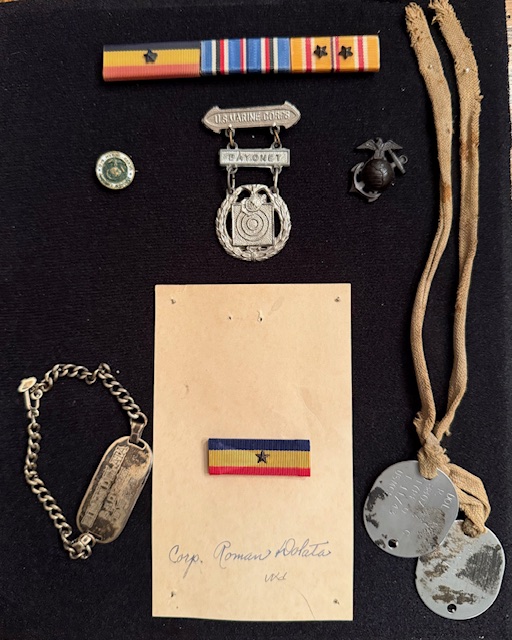
- Award(s): Asiatic-Pacific Campaign Bar, Presidential Unit Citation
- Cemetery: Section 11, site 307. Wood National Cemetery, Milwaukee, Wisconsin
Mentored by Mr. Chuck Taft
University School of Milwaukee
2025/2026
Early Life
“Because, in the Marines, I know I can do the most for my Country, it being the fightingest outfit.”
This response, which Roman Dolata gave on his enlistment application, encapsulates not only his bravery but also his calling to serve and protect his country during the momentous conflict of World War II.
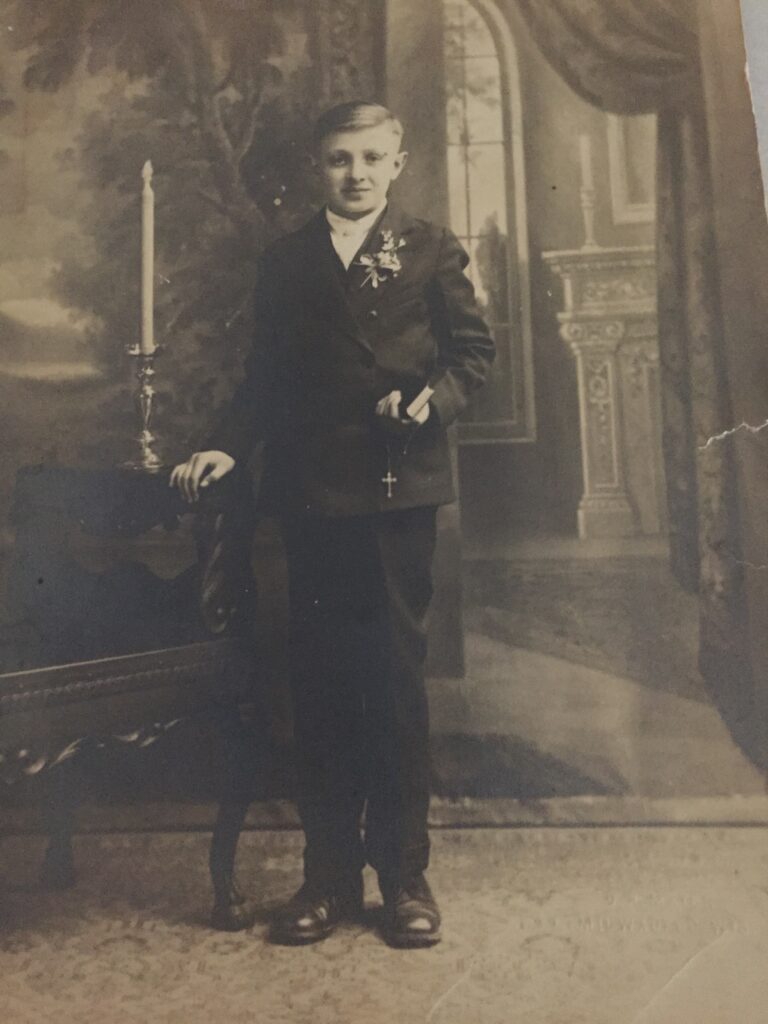
Roman Dolata was born on October 7, 1917, in Milwaukee, Wisconsin, the youngest of five children born to Polish immigrants, Frank and Martha Dolata. He grew up in a hardworking Catholic family in a city known for heavy industry and immigrant ambition. Milwaukee, often called the “Machine Shop of the World,” shaped Dolata’s early life and work ethic.
He attended Riverside High School for two years before leaving to pursue vocational training, learning trades such as shoe repair and sheet metal work. Like many young men in industrial Milwaukee, Dolata moved quickly into the workforce. He worked at the Ambrosia Chocolate Company, one of the nation’s leading chocolate manufacturers, where he operated drum ovens that roasted cocoa beans over oil flames. His job required carefully adjusting temperatures, testing beans, and managing up to six ovens at once. Roman also worked at Allis-Chalmers, one of Milwaukee’s largest and most important industrial manufacturers. There, he assembled and bladed steam turbines for ships, fitting and riveting shrouds with precision.
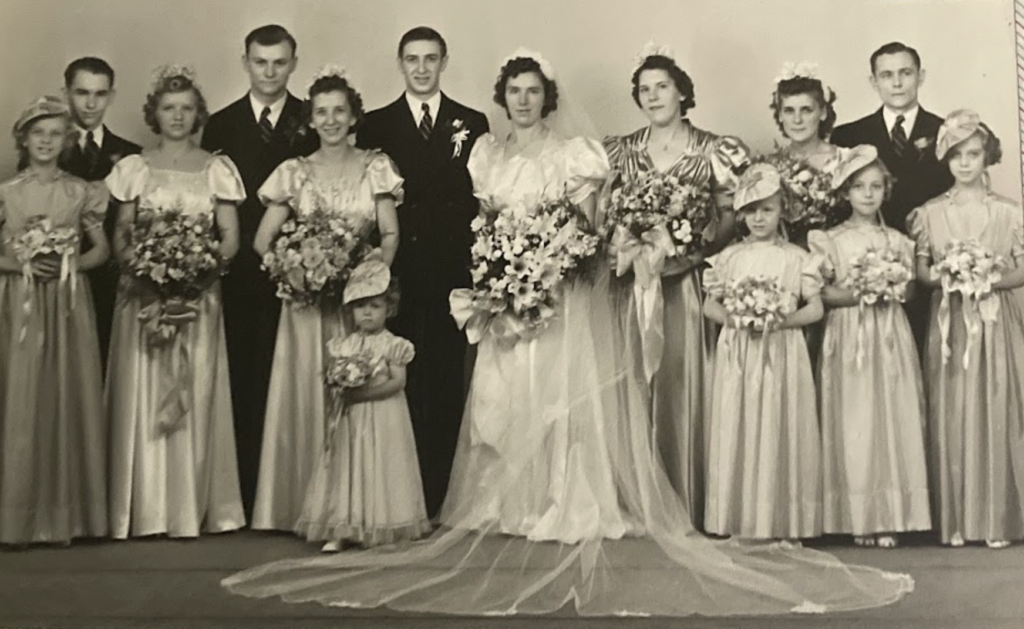
On September 16, 1939, as war began in Europe, Dolata married Victoria Patricia Kasprzak in Milwaukee. Victoria had attended Messmer High School, a Catholic school in the city. The couple had two young sons, David and Michael.
Prior to joining the military, Dolata was appointed as an Auxiliary Policeman for the Milwaukee County Council of Defense in June 1942. These councils were originally created during the Great War and reinstated during World War II, managing air raid wardens, blackout drills, and civilian protection.
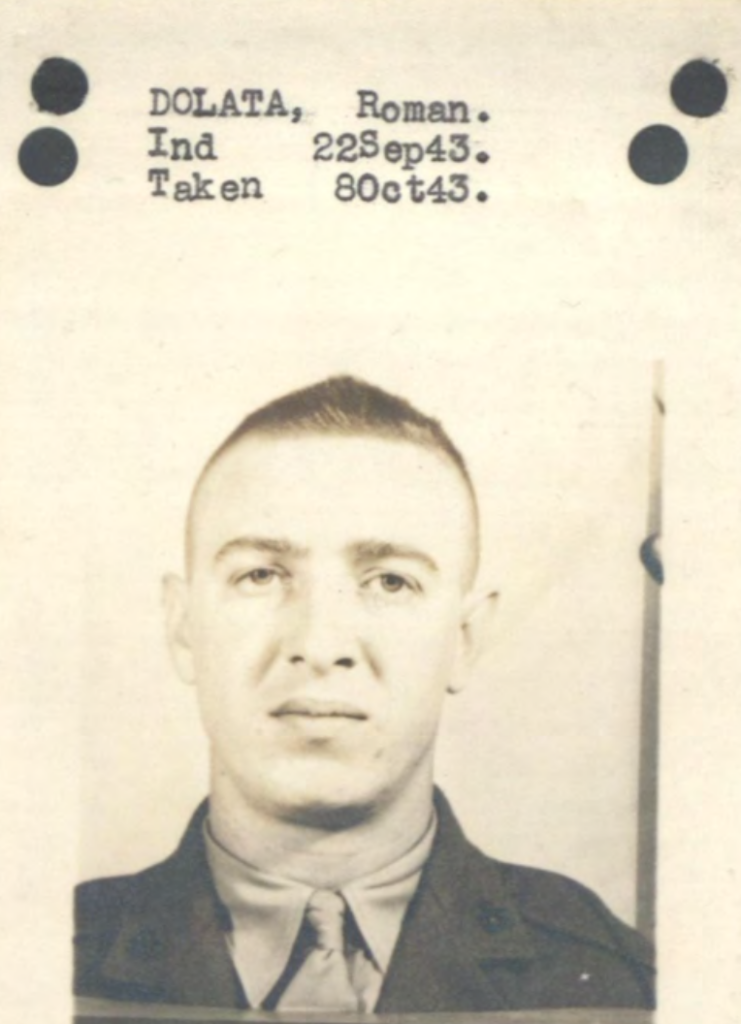
Dolata enlisted in the United States Marine Corps in Milwaukee on September 22, 1943, and reported for duty the following week. By the time he enlisted, he was not just a young recruit, but a working man, husband, and father shaped by family, trade, and responsibility.

Homefront
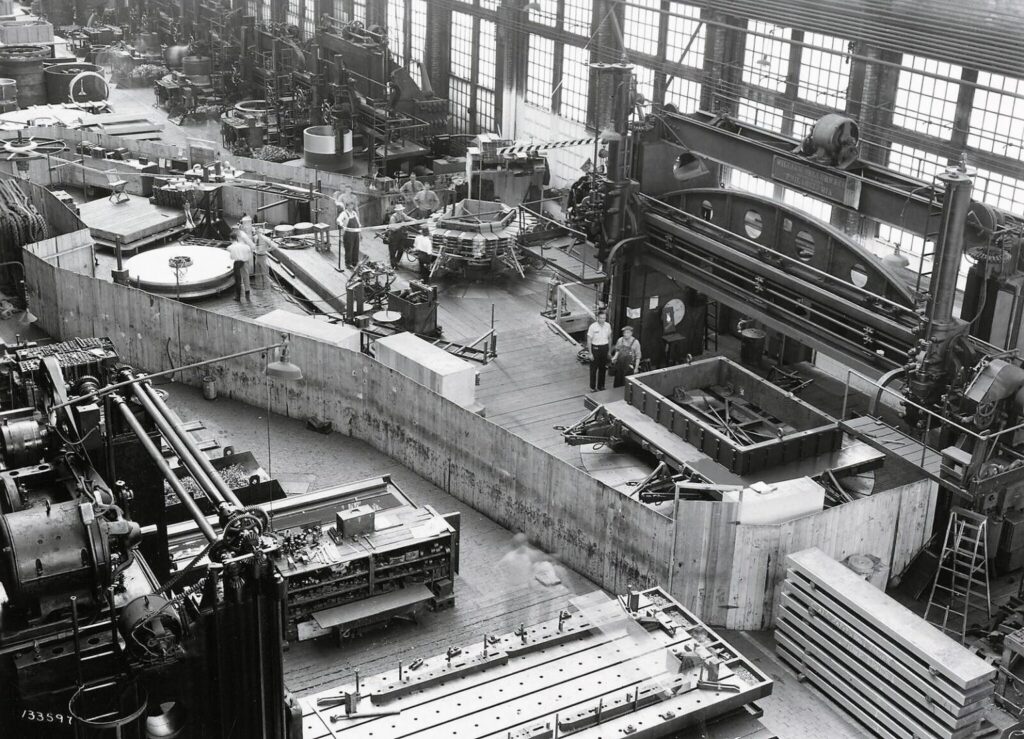
When the United States entered World War II, Milwaukee rapidly became a critical center of wartime production. Milwaukee-area companies rapidly shifted from consumer production to wartime manufacturing, often expanding plants or building new facilities with federal support.
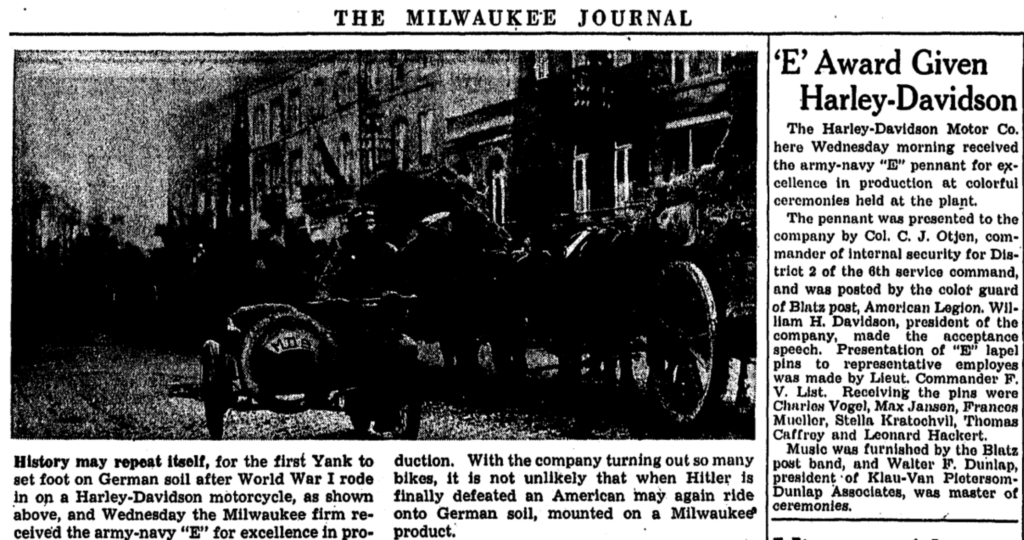
Local industry produced an enormous range of military supplies: A.O. Smith made landing gear, propeller blades, and bomb casings (becoming the nation’s largest bomb maker by war’s end). Allis-Chalmers produced steam turbines, generators, artillery tractors, and aircraft electrical controls. Other firms turned out bomb fuses, electrical switches, motor controls, navigation instruments, diving/salvage equipment, gear drives, and munitions. Milwaukee’s famous Harley Davidson built nearly 90,000 military motorcycles, including the WLA “Liberator,” and earned the Army–Navy “E” Award for excellence in wartime production.
Dolata’s employer, Ambrosia Chocolate, supported the war effort by providing a tremendous amount of cocoa to the military. This led to a chocolate shortage in the Milwaukee area.
Many businesses adapted existing manufacturing. Hosiery companies produced parachute silk, and tanneries supplied leather for boots and rifle straps. Others pivoted to entirely new products, such as Nordberg manufacturing torpedo tubes and Heil producing water tanks, gun turrets, and smoke generators.
Milwaukee firms also contributed to the Manhattan Project and the development of the atomic bomb. A.O. Smith and Allis-Chalmers supplied key equipment, with Allis-Chalmers receiving 60 orders for uranium-separation and plutonium-extraction machinery and producing more nuclear equipment by weight than any other U.S. company.
As the city’s factories expanded, employment nearly doubled, and women entered industrial jobs in large numbers. African Americans migrated north seeking opportunity in the growing defense industries, even as discrimination remained a reality. Milwaukeeans volunteered in civil defense roles, sold war bonds, rolled bandages for the Red Cross, and planted victory gardens. They also faced product shortages and participated in air-raid drills. The entire community was mobilized.
Surrounded by a city fully mobilized for war, Dolata chose to serve on the front lines rather than remain in industry. Despite steady employment and the responsibility of a wife and two young sons, he selected the branch known for direct combat.

Military Experience
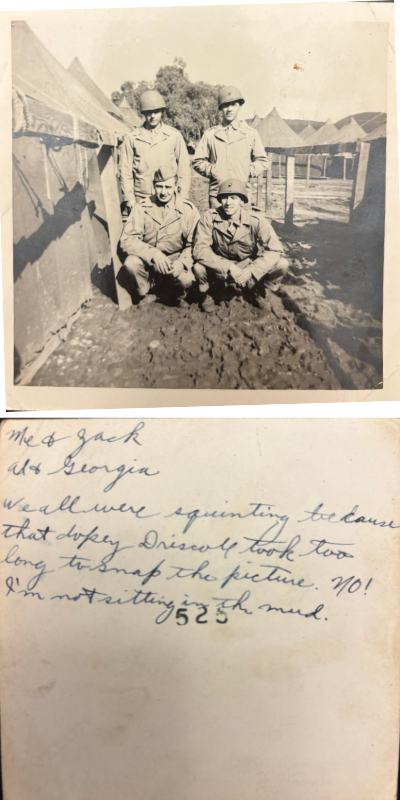
Dolata was assigned to Company A, 2nd Armored Amphibious Battalion, Fleet Marine Force. His role would place him in one of the most dangerous positions in the Pacific Theater: the front line of amphibious landings in the Japanese-controlled islands of the Pacific.
His service began in California, where he underwent basic training at Camp Elliott in San Diego. He attended tank school from November 1943 to February 1944, qualifying as a Light Tank Operator. Tank crewmen were responsible for driving, firing weapons, maintaining equipment, operating radios, and anticipating tactical commands under combat conditions. His training record showed a strong aptitude for map and aerial photo reading.
In April 1944, Dolata departed San Diego aboard USS Comet and arrived in Kahului, Maui, on May 2, 1944. Within weeks, he would participate in some of the fiercest fighting of the Pacific War. USS Comet set sail for the Marshall Islands, arriving at the previously controlled Eniwetok Atoll in June. The goal of the U.S. military fleet was to capture important island locations in the South Pacific to set the stage for an attack on the Japanese mainland
Battle of Saipan
On June 15, 1944, the 2nd Armored Amphibious Battalion led the Marine assault on Saipan in the Marianas Islands. A strong coastal current carried Company A onto Red Beach 1, a heavily defended sector near Garapan, rather than their intended landing area. Marines from neighboring companies later recalled that Company A absorbed intense artillery, tank, and infantry fire. Nineteen members of Company A were killed at Saipan, including a corporal from Dolata’s platoon listed on the same muster roll.
The battle for Saipan was decisive. Its capture allowed the United States to construct airfields from which B-29 bombers could strike Tokyo and the Japanese home islands. The high casualty rate also shaped future American invasion planning. The next stop for the American military would be Tinian, a short three miles from Saipan. The U.S. attacked the island on July 24, 1944.
Battle of Tinian
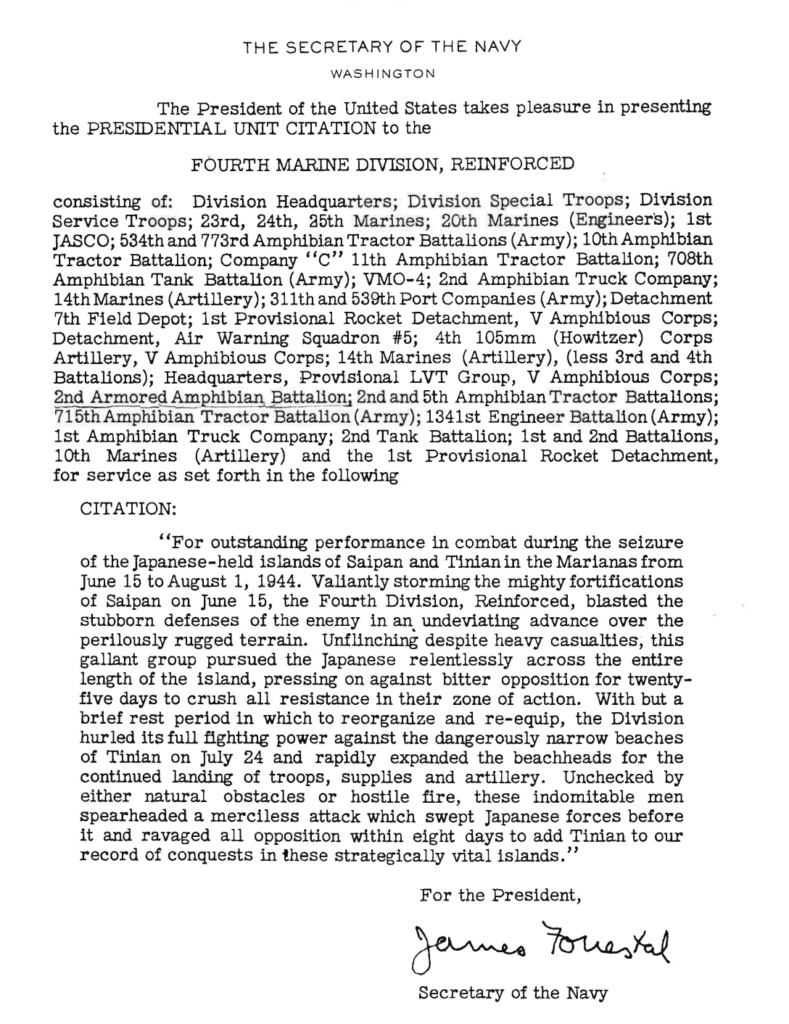
Dolata participated in the amphibious landing at Tinian on July 28, 1944. Company A landed on the northwest beaches and immediately encountered fierce resistance from Japanese forces positioned in coral outcroppings, caves, and concealed positions. During heavy counterattacks, Company A was severely weakened as Marines dug in under intense pressure. Through dogged determination and heroic valor over the span of a week, American forces eventually seized the island. Tinian served as the base from which the United States would end the war a year later. Dolata and his company received a Presidential Citation for their successful seizure of Saipan and Tinian as part of the Fourth Division.
During the fighting on Tinian, Dolata suffered a serious injury. While inside his tank, a 75mm gun fired extremely close, leading to severe hearing damage. A later medical report from the U.S. Naval Hospital determined he had suffered “deafness due to heavy firing,” incurred in the line of duty. The report concluded that the hearing loss would interfere with understanding commands under normal service conditions.
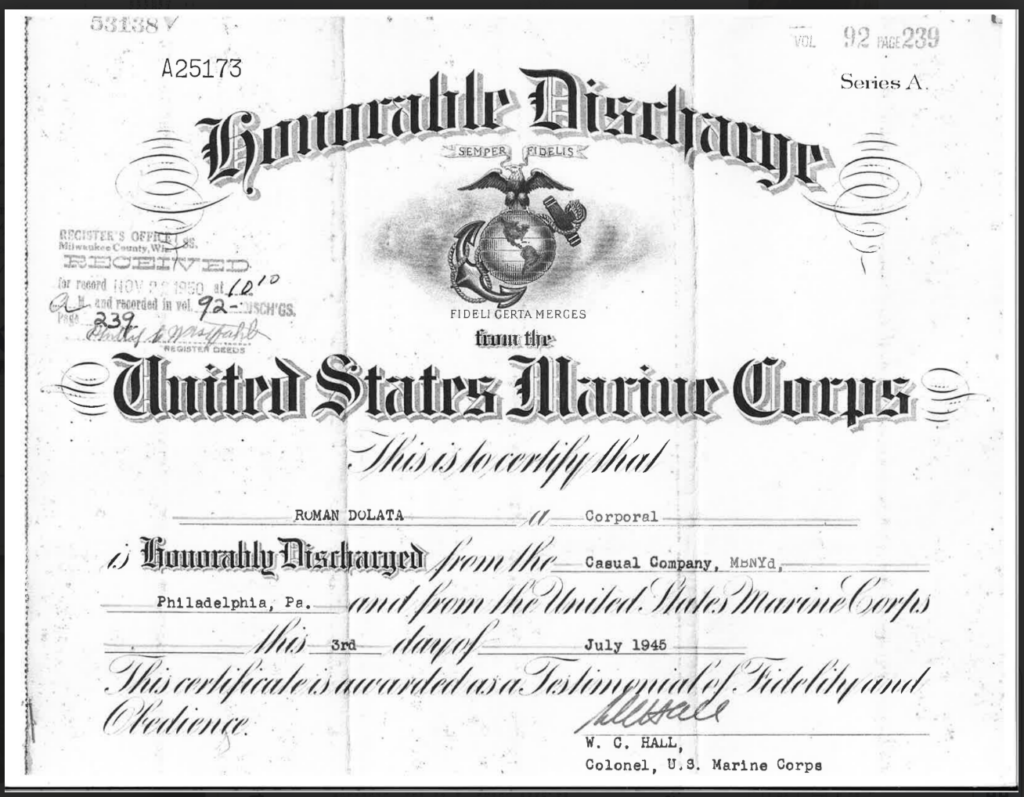
Dolata was treated at the San Diego Naval Hospital in February 1945 and later at the Philadelphia Naval Hospital in May 1945. He was awarded the Asiatic-Pacific Campaign Bar and received a Presidential Unit Citation for his battalion’s actions. However, due to his hearing loss, he was declared unfit for continued service and honorably discharged on June 22, 1945.
Veteran Experience
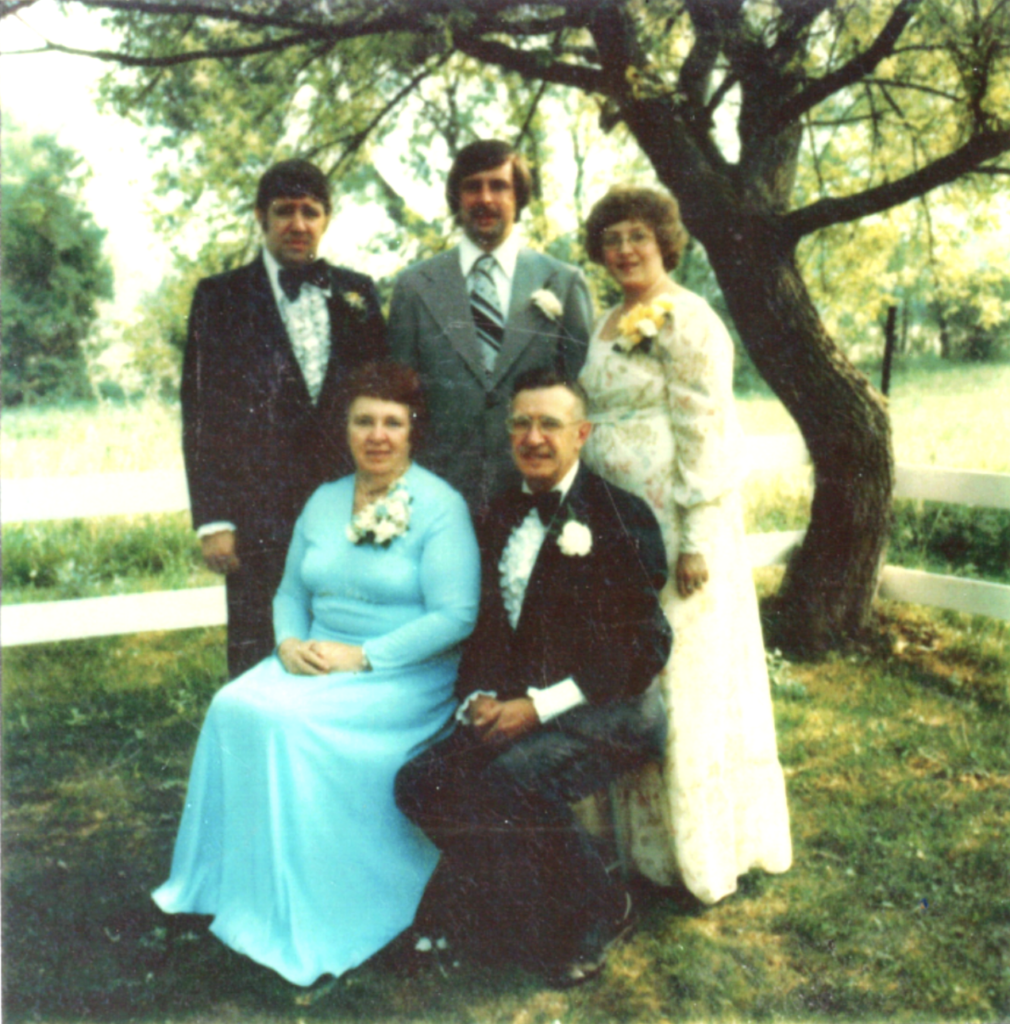
Roman Dolata returned home to Milwaukee to reunite with Victoria and his sons. After the war, the couple welcomed a daughter, Christine.
Despite significant hearing loss, he rebuilt a successful civilian life. By 1950, he was working as an optician at the Optical House, earning a substantial income. According to his sons, he specialized in fitting artificial eyes, including for children, a job that required patience, technical skill, and compassion.
Roman’s sons remembered that their father rarely spoke about his wartime experiences. Like many Veterans of his generation, he carried those memories quietly. Both of his sons later served in the United States Air Force, continuing the family’s tradition of service. They recalled his early hearing aids, which included a body-worn pack resembling a transistor radio. At one point during their childhood, he came home and announced that his ears had “popped,” and he believed some hearing had returned.
Beyond his career, Roman remained active in his community. He was a charter member and former Grand Knight of the Knights of Columbus in Thiensville, Wisconsin, serving in leadership roles and supporting Catholic activities. He and Victoria also co-owned Whispering Pines Resort in the Rhinelander area for a time before selling it.
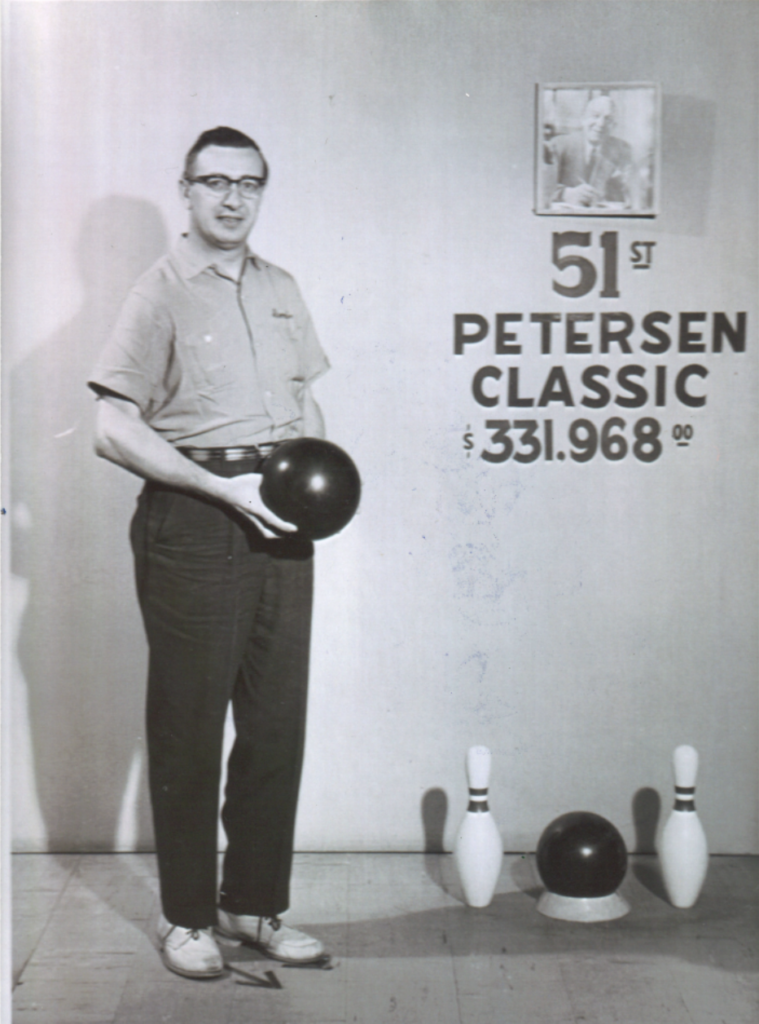
He loved fishing, woodworking, and especially bowling. He competed in tournaments across Wisconsin and won several honors. One of his sons still keeps a watch his father won as a bowling prize. More than awards or achievements, however, his sons remember him for his character. They described him as loving, particularly with his grandchildren, getting down on the floor to play with them.

Commemoration
Roman Dolata passed away on August 11, 1980, at the age of 62. His funeral mass was held at St. Casimir Catholic Church in Milwaukee, and he was buried at Wood National Cemetery on August 14, 1980. His wife, Victoria, passed away in 2005, and she rests with him in Milwaukee.
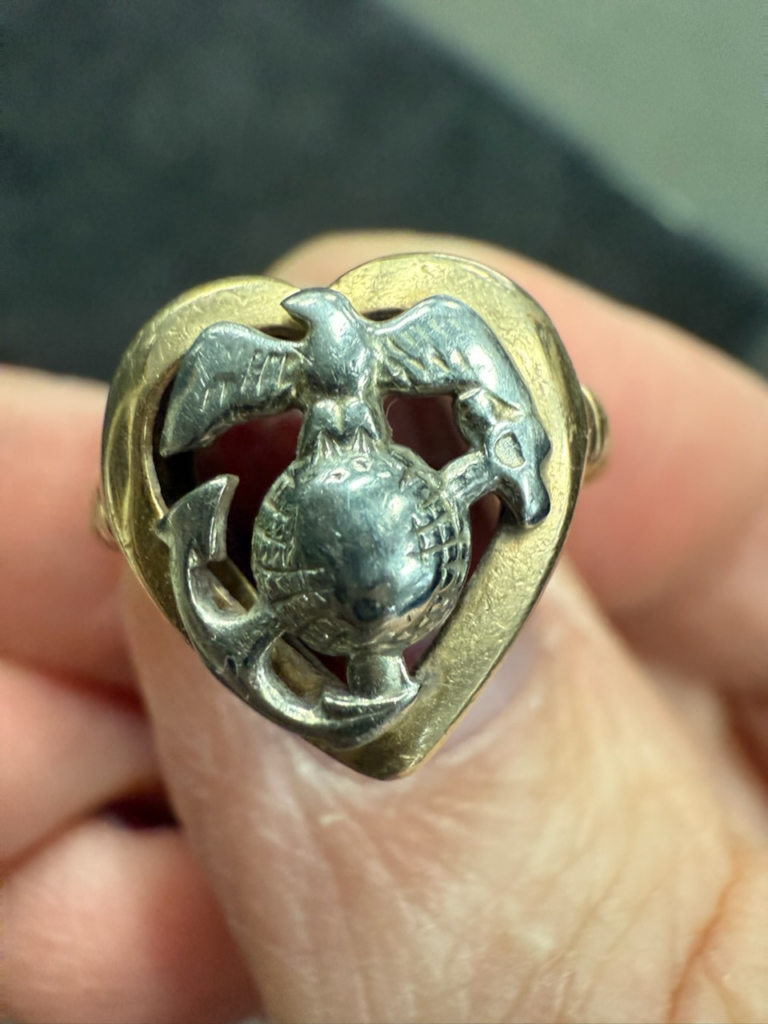
Roman Dolata’s life reflects the story of many in his generation: the son of immigrants, a skilled industrial worker in a city that powered the Arsenal of Democracy, a Marine who fought in decisive Pacific battles, and a wounded Veteran who returned home to build a career and family. His memory lives on through his family, including his granddaughter. She proudly wears his Marine Corps ring, a physical testament and a loving reminder of his service, leadership, quiet strength, and steady love of country, community, and family.
Bibliography
Primary Sources
“Are Your War Bonds Piling Up?” The Milwaukee Journal [Milwaukee, Wisconsin], December 26, 1943.https://infoweb.newsbank.com.
Burns, Eugene. “Japanese Attack on Honolulu by Air and Sea Is Beaten Off.” The Milwaukee Journal [Milwaukee, Wisconsin], November 8, 1941. https://infoweb.newsbank.com.
Davis, Richard. “Welding Development of A.O. Smith Helps Industry to Speed War Goods.” The Milwaukee Journal [Milwaukee, Wisconsin], December 14, 1943. https://infoweb.newsbank.com.
“Decide Women Can Fill Many Jobs at Foundry.” The Milwaukee Journal [Milwaukee, Wisconsin], January 17, 1943. https://infoweb.newsbank.com.
Dolata, David, and Michael Dolata. Telephone interview. January 13, 2026.
Dolata Family Records. 1917–2026. Courtesy of Cori Wind.
Dolata Family Records. 1917–2026. Courtesy of Jackie Pond.
Dolata Family Records. 1917–2026. Courtesy of Michael Dolata.
Dolata, Roman. Official Military Personnel File. Department of the Navy, National Archives and Records Administration – St. Louis.
Dolata, Roman. Record of Separation. Department of the Navy, National Archives and Records Administration – St. Louis.
Dolata, Roman. U.S. Marine Corps Casualty Indexes, 1940–1958. https://www.fold3.com/.
Dolata, Roman. World War II Draft Cards Young Men, 1940–1947. Digital Images. https://ancestryclassroom.com.
“E-Award Given: Harley Davidson.” The Milwaukee Journal [Milwaukee, Wisconsin], May 12, 1943. https://infoweb.newsbank.com.
“The Early Years – 1963–1978.” The Knights of Columbus Pope John XXIII Council 5438.
“Fighting Food.” The Wisconsin Jewish Chronicle [Milwaukee, Wisconsin], October 1, 1943. Newspapers.com (49942381).
“Food Fights for Freedom.” The Milwaukee Journal [Milwaukee, Wisconsin], November 22, 1943. https://infoweb.newsbank.com.
Galbraith. “Side Glances.” The Milwaukee Journal [Milwaukee, Wisconsin], December 27, 1943. https://infoweb.newsbank.com.
“Gardner Hits Hodag Highs.” The Rhinelander Daily News [Rhinelander, Wisconsin], October 24, 1972. https://newspaperarchive.com/.
MacQuarrie, Gordon. “Gertie, Brood Rescued; Egg Is Hatched for Her.” The Milwaukee Journal [Milwaukee, Wisconsin], June 1, 1945. https://infoweb.newsbank.com.
“Maker of Bottle Washers Finds Place Aiding War.” The Milwaukee Journal [Milwaukee, Wisconsin], May 26, 1943. https://infoweb.newsbank.com.
“Resort Burns.” The Rhinelander Daily News [Rhinelander, Wisconsin], January 14, 1977. https://newspaperarchive.com/rhinelander-daily-news-jan-14-1977-p-1/.
“Sheboygan Bowler 2nd in K.C. Meet.” Madison Wisconsin State Journal [Madison, Wisconsin], March 21, 1966. https://newspaperarchive.com/.
“Trial Blackout Rules and Regulations.” The Milwaukee Journal [Milwaukee, Wisconsin], May 26, 1943. https://infoweb.newsbank.com.
Roman Dolata. U.S. City Directories, 1822–1995. Digital Images.https://ancestryclassroom.com.
Roman Dolata. U.S., Marine Corps Muster Rolls. Digital Images. https://fold3.com.
Roman Dolta. U.S., World War II Draft Cards Young Men, 1940-1947. Digital Images. https://fold3.com.
Roman Dolata. Wisconsin, U.S., Birth Records, 1918-1924. Digital Images. https://ancestryclassroom.com.
Victoria Kasprzak. Wisconsin, U.S., Marriage Records, 1820–2004. Digital Images. https://ancestryclassroom.com.
Victoria Petronela Kasprzak. New York, U.S., Arriving Passenger and Crew Lists (Including Castle Garden and Ellis Island), 1820–1957. Digital Images. https://ancestryclassroom.com.
Victory Gardens . . .More for Them . . .More for You. 1944. Poster. Gugler Lithographic Company Records, 1878–1984, Wisconsin Historical Society (66715). https://www.wisconsinhistory.org/Records/Image/IM66715.
“Wanted – Men and Women.” The Milwaukee Journal [Milwaukee, Wisconsin], November 16, 1943. https://infoweb.newsbank.com.
“Welk, Fixmer Bowl Hodag Kegler Highs.” The Rhinelander Daily News [Rhinelander, Wisconsin], January 16, 1973. https://newspaperarchive.com/.
Wisconsin. Milwaukee County. 1920 U.S. Census. Digital Images.http://ancestryclassroom.com.
Wisconsin. Milwaukee County. 1930 U.S. Census. Digital Images.http://ancestryclassroom.com.
Wisconsin. Milwaukee County. 1940 U.S. Census. Digital Images.http://ancestryclassroom.com.
Wisconsin. Milwaukee County. 1950 U.S. Census. Digital Images.http://ancestryclassroom.com.
We of Allis-Chalmers: Our Women Work for Victory. Pamphlet. Allis-Chalmers Manufacturing Company, 1942. Wisconsin Historical Society. http://www.wisconsinhistory.org/turningpoints/search.asp?id=1299.
Secondary Sources
“2nd Armored Amphibious Battalion.” 2nd Armored Amphibious Battalion Association. Accessed January 3, 2026. http://2ndarmoredamphibianbattalion.com/.
“736 – Tank Crewman.” The Military Yearbook Project. Accessed January 3, 2026. https://militaryyearbookproject.org/references/old-mos-codes/wwii-era/usmc-wwii-codes/tank-and-amphibian-tractor/736-tank-crewman.
“Agnes C. ‘Aggie Busha’ Dolata Karolczak.” Find a Grave. Updated February 1, 2010. Accessed October 12, 2025. https://www.findagrave.com/memorial/47439480/agnes_c-karolczak.
Ambrosia Chocolate Company Collection. Milwaukee County Historical Society. https://milwaukeehistory.net/ambrosia-chocolate-company-collection/.
“Edward S. Dolata.” Find a Grave. Updated February 2, 2010. Accessed October 12, 2025. https://www.findagrave.com/memorial/47448021/edward_s-dolata.
Fehring, Thomas. “When Milwaukee Went to War.” War Memorial Center. Accessed November 4, 2025. https://warmemorialcenter.org/events/75th-commemoration/when-milwaukee-went-to-war-part-1/.
“Frank Dolata.” Find a Grave. Updated August 4, 2018. Accessed October 12, 2025. https://www.findagrave.com/memorial/191955944/frank-dolata.
“Gertrude Martha Dolata Karpowicz.” Find a Grave. Updated June 27, 2011. Accessed October 12, 2025. https://www.findagrave.com/memorial/72098809/gertrude_martha-karpowicz.
“Gugler Lithographic World War II Mobilization Posters – Image Gallery Essay.” Wisconsin Historical Society. Accessed March 3, 2026. https://www.wisconsinhistory.org/Records/Article/CS357.
Gurda, John. The Making of Milwaukee. University of Wisconsin Press, 1999.
Janik, Erika. A Short History of Wisconsin. Wisconsin Historical Society Press, 2010.
“John F. ‘ZAB’ Dolata.” Find a Grave. Updated February 5, 2012. Accessed October 12, 2025. https://www.findagrave.com/memorial/85709102/john_f-dolata.
Jones, Meg. World War II Milwaukee. The History Press, 2015.
“Martha Kessler Dolata.” Find a Grave. Updated February 2, 2010. Accessed October 12, 2025. https://www.findagrave.com/memorial/191955923/martha-dolata.
Pawlicki, Sarah. Milwaukee Ordnance Plant. REPAIR. Accessed November 5, 2025. https://storymaps.arcgis.com/stories/6d3b9c69252b4e07b2a6b37dda3b3288.
Pifer, Richard L. Milwaukee Labor During World War II. Wisconsin Historical Society Press, 2003.
“Roman Dolata.” Find a Grave. Updated February 25, 2012. Accessed November 14, 2025. https://www.findagrave.com/memorial/85709211/roman-dolata.
“Roman Dolata.” Veterans Legacy Memorial, National Cemetery Administration. Accessed March 4, 2026. https://www.vlm.cem.va.gov/ROMANDOLATA/F79E563.
Thompson, William F. The History of Wisconsin. Volume VI: Continuity and Change, 1940–1965. State Historical Society of Wisconsin, 1988.
Toll, Ian. The Conquering Tide: War in the Pacific Islands, 1942–1944. W.W. Norton & Company, 2015.
“Victoria P. Dolata.” Find a Grave. Updated February 25, 2012. Accessed January 2, 2026. https://www.findagrave.com/memorial/85709211/roman-dolata.
“Wartime Milwaukee.” Encyclopedia of Milwaukee, University of Wisconsin–Milwaukee. Accessed January 8, 2025. https://emke.uwm.edu/entry/wartime-milwaukee/.
This profile was funded by a grant from the United States Department of Veterans Affairs. The opinions, findings, and conclusions stated herein are those of the author and do not necessarily reflect those of the United States Department of Veterans Affairs.