

Corporal William Pennington Hornsby
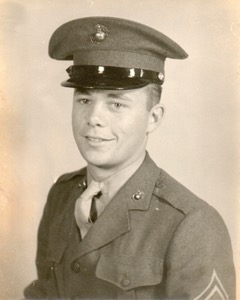
- Unit: 20th Amphibious Truck Battalion, Company A
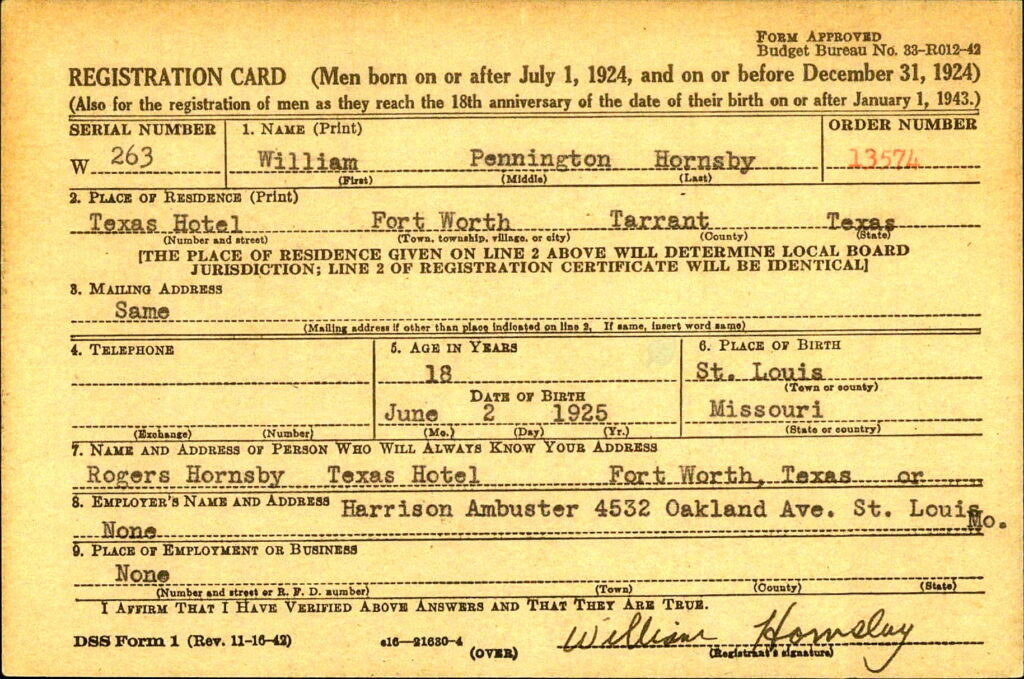
- Date of Birth: June 2, 1925
- Entered the Military: October 23, 1943
- Date of Death: June 29, 1984
- Hometown: St. Louis, Missouri
- Place of Death: Nashville, Tennessee
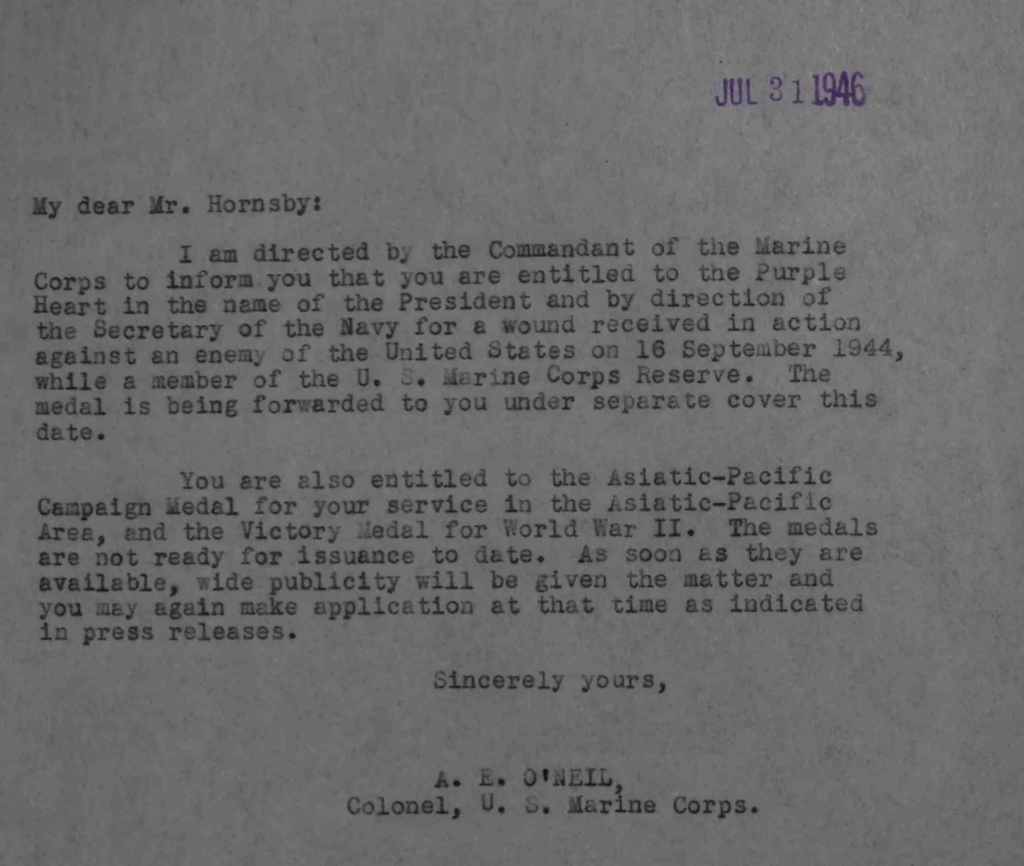
- Award(s): Purple Heart, Asiatic-Pacific Campaign Medal with two stars, World War II Victory Medal
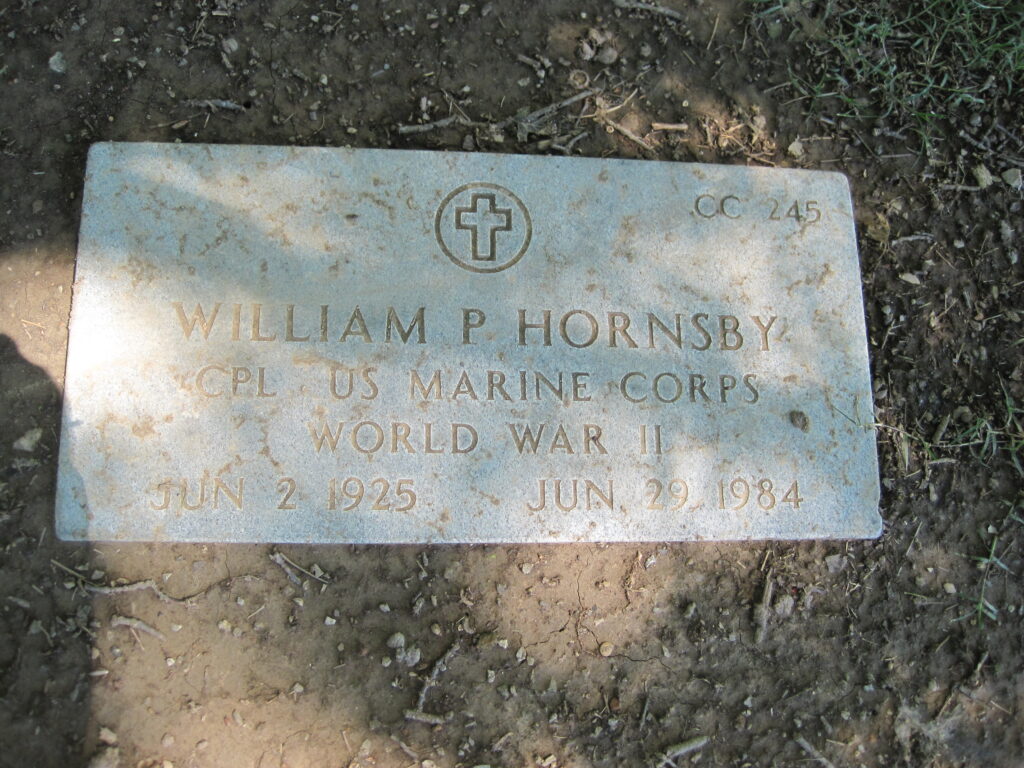
- Cemetery: Section CC, Grave 245. Nashville National Cemetery, Madison, Tennessee
Mentored by Mrs. Whitney Joyner
Kirkwood Middle School
2025/2026
Early Life
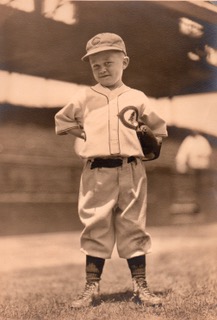
William Pennington Hornsby was born in St. Louis, Missouri, on June 2, 1925, to Rogers Hornsby Sr. and Mary Jeanette Pennington Hornsby. He had an older half-brother, Rogers Hornsby Jr. His father was a Major League Baseball player, manager, and coach. He played for the St. Louis Cardinals, the New York Giants, the Boston Braves, the Chicago Cubs, and the St. Louis Browns. William spent much of his childhood living with his aunt and uncle because of his father’s career demands.
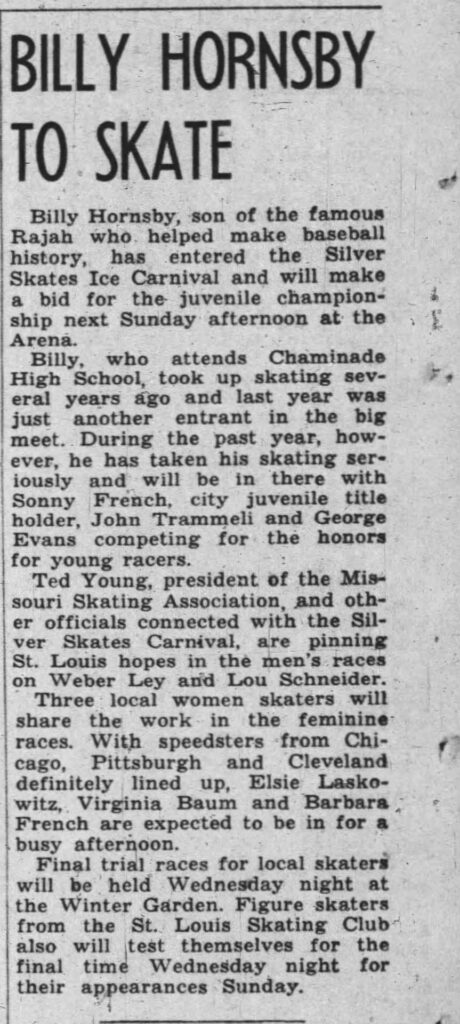
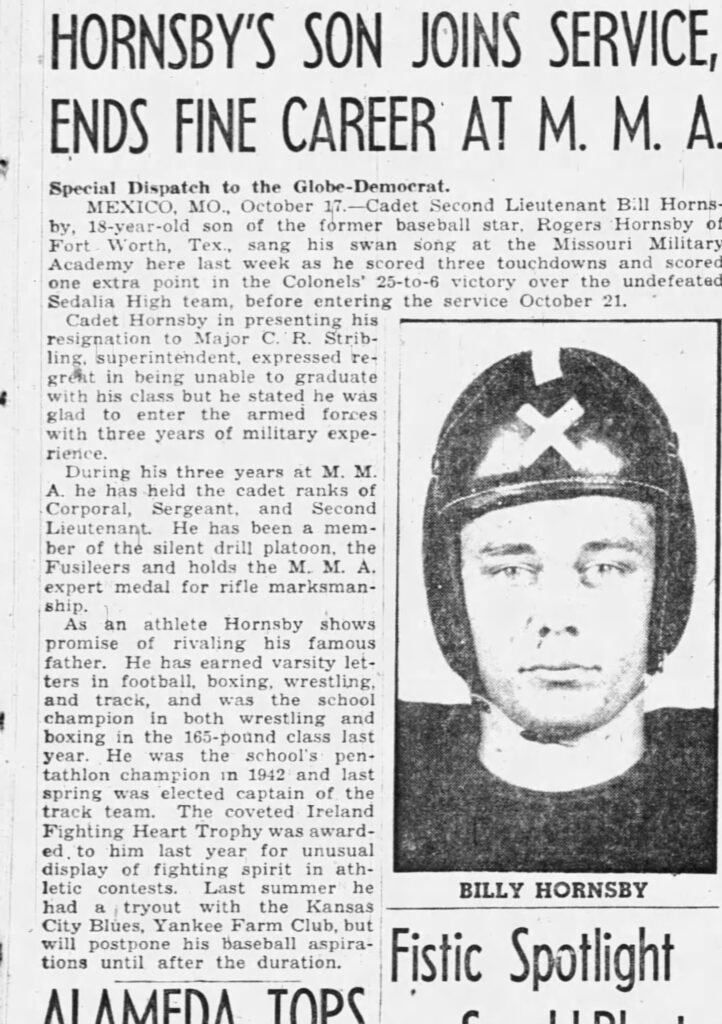
Hornsby, also known as “Billy,” attended Chaminade High School briefly and competed in an amateur speed skating competition while a student. After his time at Chaminade, Hornsby attended the Missouri Military Academy (M.M.A.) for three years. During that time, he earned the Academy’s expert medal for rifle marksmanship and served in the Silent Drill Platoon, as well as the Fusiliers. The Fusiliers were a premier exhibition unit that performed precision drill maneuvers without voice commands and participated in color guard competitions. Hornsby also earned varsity letters in football, boxing, and wrestling. He was the school champion in boxing, wrestling, and pentathlon, as well as captain of the track team. In 1942, he earned the Ireland Fighting Heart Trophy for “unusual display of fighting spirit in athletic contests.”
While attending high school, Hornsby worked as a messenger for a stockbroker and as a laborer in a shoe factory. During his third year, Hornsby submitted his resignation to the Academy. In his letter, he expressed regret that he would not graduate with his class and stated his intention to join the armed forces, citing his three years of military training as preparation. He enlisted in the United States Marine Corps on October 23, 1943, in Dallas, Texas.
Homefront
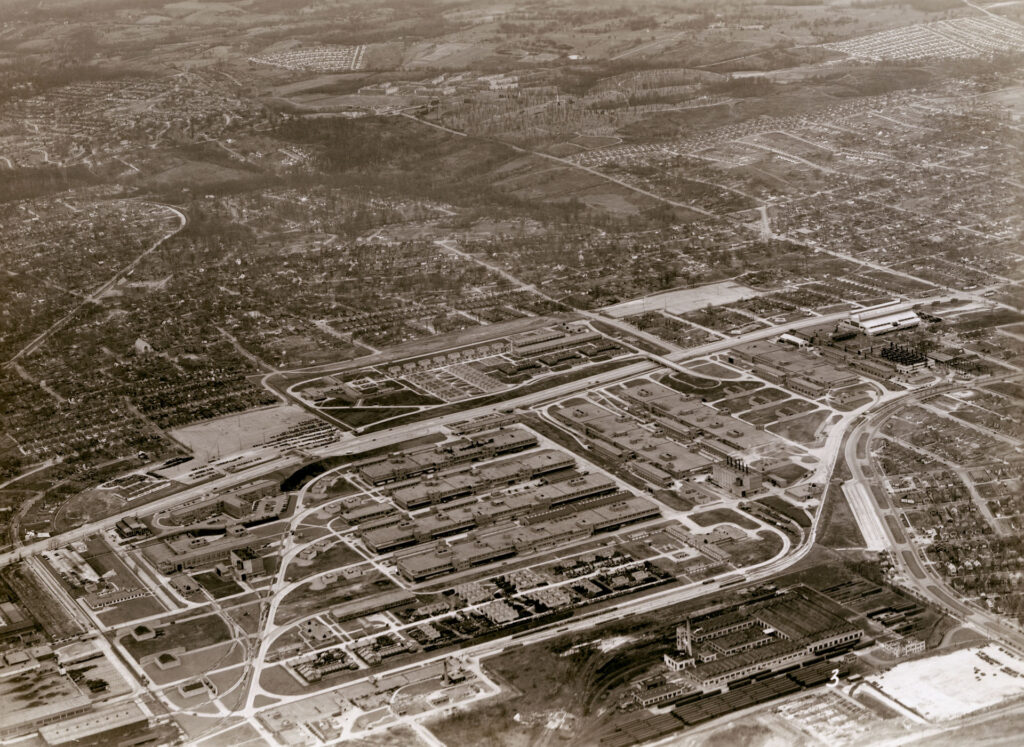
During the mid-twentieth century, St. Louis, Missouri, served as a major manufacturing center. The city played a significant role in the war effort, as men and women volunteered to serve in all branches of the military. Wartime industry and migration contributed to a population increase, with the city reaching a peak of 856,000 residents by 1950, an increase of over 40,000 from 1940.
As a large manufacturing hub, the city produced substantial quantities of war materials. Those who did not serve in the military often worked extended hours in factories. Western Cartridge Company operated the St. Louis Ordnance Plant, which manufactured .30-caliber and .50-caliber cartridges. Over the course of the war, they produced 6.7 billion cartridges, accounting for 40 percent of all the cartridges America used. The Food Machinery Corporation made 18,000 Landing Vehicle Tracked (LVTs). The Curtiss-Wright, Robertson, and McDonnell Aircraft Company produced over 3,000 aircraft for the military.
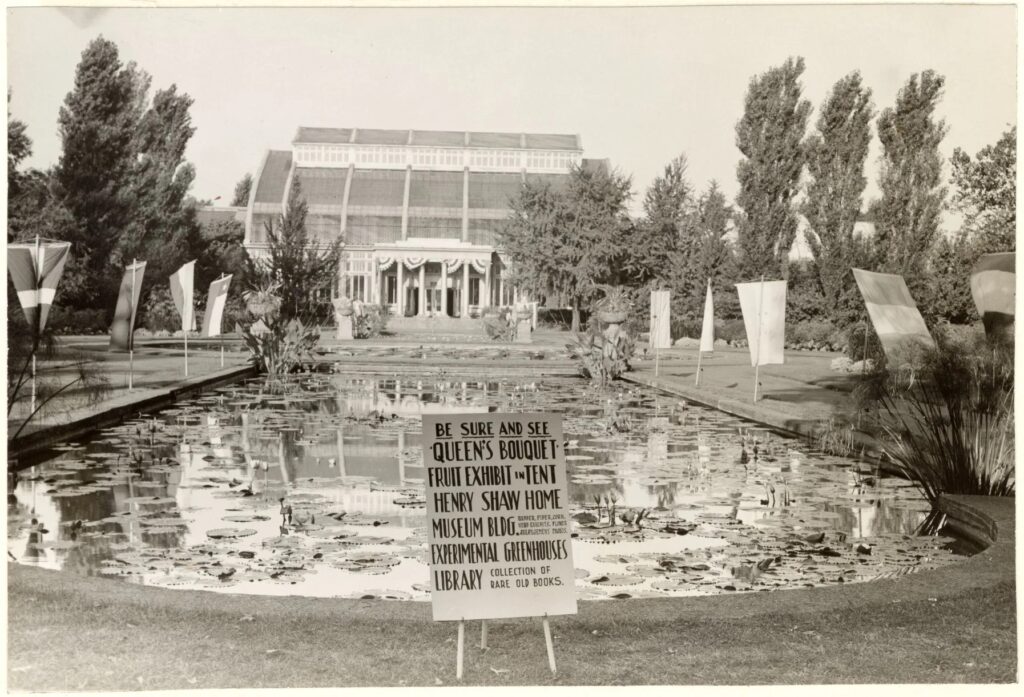
During the war, many St. Louis residents maintained vegetable gardens to supplement rationed food supplies. The Missouri Botanical Garden created a demonstration victory garden in 1942 to show average city residents how to successfully garden in the city. They hosted Victory Garden Harvest Shows from 1942 to 1945.
Military Experience
Training
Hornsby enlisted in the United States Marine Corps on October 23, 1943, in Dallas, Texas. He completed part of his training at Camp Elliott in San Diego, California. He served in the 20th Amphibious Truck Battalion, Company A, and participated in the island-hopping campaign in the Pacific Theater.
Promotions
Hornsby qualified for two military specialties: Anti-Tank Gunner Crewman and Armored Amphibious Tractor Crewman. His duties included driving armored vehicles, operating weapons, performing maintenance on weapons, and conducting vehicle inspections. Muster Rolls from 1943 and 1944 indicate that he enlisted as a private and later earned promotion to private first class. On February 18, 1946, he advanced to corporal.
Engagements
Corporal Hornsby participated in two major engagements: the Battle of Peleliu and the Battle of Okinawa.
On August 25, 1944, his unit sailed from Pavuvu, the Russell Islands, and then participated in the Battle of Peleliu from September 15 to October 22, 1944. According to his military records, Corporal Hornsby received the Purple Heart for wounds sustained on September 16, 1944, when a shell fragment struck his head after enemy fire destroyed the vehicle he was operating. U.S. Marines engaged Japanese forces at the Battle of Peleliu as part of operations supporting the Philippines campaign. After this battle, the unit returned to Pavuvu, a standard staging area the Marines used during this period.
On March 12, 1945, the unit sailed again from Pavuvu before participating in the Battle of Okinawa on April 1, 1945. This battle was to secure bases in preparation for Operation Olympic, the planned invasion of Japan. The battle lasted until July 6, 1945.
On September 26, 1945, Hornsby participated in the military occupation of Japan at Sasebo, Kyushu, Japan. He was stationed there until January 2, 1946. At this point, the Marines transferred him to the 12th Motor Transport Battalion (Provisional), Headquarters. There, he worked to move personnel, supplies, and equipment throughout the occupied territory.
Discharge
The Marine Corps honorably discharged him on February 18, 1946, in Great Lakes, Illinois. In addition to his Purple Heart, he earned the Asiatic-Pacific Campaign Medal with two stars and the World War II Victory Medal.
Veteran Experience
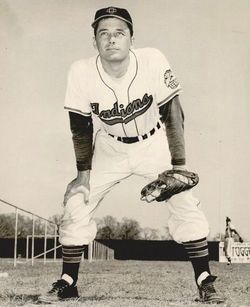
After the war, Hornsby returned to his hometown of St. Louis, Missouri, and started a baseball career. He played in various minor league teams from 1946 to 1951, reaching the AA level. He played on several teams and compiled a career batting average of .267 over 412 games, a modest performance that led him to explore other career options.
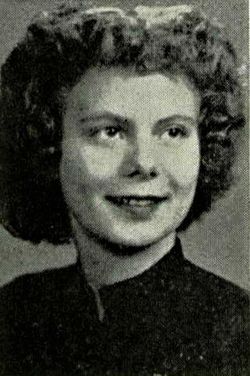
After his baseball career, he returned to St. Louis, where he met his wife, Vida Doris Kampe. He and Vida had two children, Brad and Terry Ann.
Around 1971, Hornsby founded the Arrow Distributing Company, which distributed Stroh’s Beer and other products. He also served as head of the Tennessee Malt Brewery Company and worked as a territory manager for Falstaff Brewery. In addition, he worked for a beer distributor in Jackson, Tennessee.
Commemoration
Corporal William Pennington Hornsby died on June 29, 1984, in Nashville, Tennessee. His wife, Vida Doris Kampe Hornsby, died on April 4, 1986. They are buried together at Nashville National Cemetery in Nashville, Tennessee.
Bibliography
Primary Sources
“1750 Tons of Waste Paper Goal of Today’s Pickup.” St. Louis Globe-Democrat [St. Louis, Missouri], March 5, 1944. Newspapers.com (573455610).
“3 Local Cadets Win M.M.A. Titles.” St. Louis Globe- Democrat [St. Louis, Missouri], March 27, 1943. Newspapers.com, (573479018).
“The ‘44 Victory Garden.” St. Louis Globe-Democrat [St. Louis, Missouri], March 29, 1944. Newspapers.com (573463997).
“Bill Hornsby Sold to Carthage Club.” St. Louis Globe-Democrat [St Louis, Missouri], August 3, 1949. Newspapers.com (573854602).
“Climax Near in the Battle to Take Peleliu.” Waterloo Daily Courier [Waterloo, Iowa], September 19, 1944. Newspapers.com (30216315).
Gould, James M. “Hornsby Fired By Breadon in 11 Word Notice.” The St. Louis Star and Times [St. Louis, Missouri], December 21, 1926. Newspapers.com (204396221).
Hornsby Family Records, 1925-1984. Courtesy of Brad Hornsby.
“Hornsby at Funeral of Mother in Texas.” St. Louis Post- Dispatch [St. Louis, Missouri], October 13, 1926. Newspapers.com (140292773).
“Hornsby’s Son Joins Service, Ends Fine Career at M.M.A.” St. Louis Globe- Democrat [St. Louis, Missouri], October 17, 1943. Newspapers.com (573455586).
Illinois. Saint Clair County. 1920 U.S. Census. Digital Images. http://ancestry.com.
“Knox Minor Leaguers Get Tips from Hornsby.” The Knoxville News-Sentinel [Knoxville, Tennessee], July 13, 1962. Newspapers.com (773410867).
Missouri. St Louis County. 1930 U.S. Census. Digital Images. http://ancestry.com.
Missouri. St Louis County. 1940 U.S. Census. Digital Images. http://ancestry.com.
“Omar Lane’s Big Bat Paces Owls to 6-4 Win Over Carthage Cubs.” Miami News-Record [Miami, Oklahoma], August 18, 1949. Newspapers.com (902975290).
Papin, P.R. St. Louis Ordnance Plant. Photograph. c.1955. Missouri Historical Society Collections, Missouri Institute of Museum and Library Services. https://mohistory.org/blog/ordnance-plant/.
“Rajah and the Banjo Hitters.” Mt. Vernon Register-News [Mount Vernon, Illinois], January 07, 1963. Newspapers.com (5031087).
Records of the Selective Service System, 1926–1975. National Archives at St. Louis; St. Louis, Missouri. Record Group Number: 147; Series Number: 147-76-0298.
“Rogers Hornsby’s Son Billy Sued for Divorce.” The St. Louis Globe-Democrat [St. Louis, Missouri], June 03, 1950. Newspapers.com (573882267).
Rogers Hornsby Sr. U.S., World War I Draft Registration Cards, Tarrant County Texas. Digital Images. https://ancestry.com.
Seventeenth Census of the United States, 1950. National Archives at Washington, DC; Washington, D.C. Roll: 1016; Page: 15; Enumeration District: 96-709.
Telle, Martin J. “Billy Hornsby to Skate.” St. Louis Globe [St. Louis, Missouri], January 9, 1939. Newspapers.com, (573394732).
Texas. Travis County. 1900 U.S. Census. Digital Images. https://ancestry.com.
Texas. Tarrant County. 1920 U.S. Census. Digital Images. http://ancestry.com.
William Pennington Hornsby, Official Military Personnel File, Department of the Navy, National Archives and Records Administration – St. Louis.
William Pennington Hornsby. U.S. Marine Corps Muster Rolls, 1893-1958. Digital Images. https://ancestry.com.
William Pennington Hornsby. World War II Draft Cards Young Men, 1940-1947. Digital Images. http://ancestry.com.
William Penninton Hornsby. World War II Draft Cards Young Men, 1926-1975. Digital Images. http://ancestry.com.
W.M.C. Wilson & Bro. Real Estate and Financial Agents. Map of the City of St. Louis. W.M.C. Wilson & Bro. Real Estate and Financial Agents, 1875. State Historical Society of Missouri Map Collection. Map. https://cdm17228.contentdm.oclc.org/digital/collection/Maps/id/193.
Secondary Sources
“736 – Tank Crewman.” The Military Yearbook Project. Accessed January 06, 2026. https://militaryyearbookproject.org/references/old-mos-codes/wwii-era/usmc-wwii-codes/tank-and-amphibian-tractor/736-tank-crewman.
“A Brief History of St. Louis.” STLOUIS-MO GOV. Accessed November 19, 2025. https://www.stlouis-mo.gov/visit-play/stlouis-history.cfm.
“Battle of Okinawa.” Naval History and Heritage Command. Accessed January 09, 2026. https://www.history.navy.mil/browse-by-topic/wars-conflicts-and-operations/world-war-ii/1945/battle-of-okinawa.html.
“The Battle of Peleliu: Was it necessary?” Warfare History Network. Accessed January 09, 2026. https://warfarehistorynetwork.com/the-battle-of-peleliu-was-it-necessary/.
Early, Gerald. “Black Migration-An Overview” Accessed December 10, 2025. https://center.uoregon.edu/NCTE/uploads/2014NCTEANNUAL/HANDOUTS/KEY_1991992/EarlyTheGreatMigrationAnOverview.pdf.
“Honoring World War II Service to the Nation.” U.S. Army. Accessed November 21, 2025. https://www.army.mil/article/233117/honoring_world_war_ii_service_to_the_nation.
“A Look Back at How 35,000 St. Louis Workers Kept the Ammo Flowing During World War II.” St. Louis Post-Dispatch [St. Louis, Missouri], June 27, 2002. https://www.stltoday.com/news/local/history/a-look-back-how-35-000-st-louis-workers-kept-the-ammo-flowing-during-world/article_3485624f-ef86-51ee-b100-858060b47c9f.html.
“LVT4 Landing Vehicle.” The National WWII Museum. Accessed March 5, 2026. https://www.nationalww2museum.org/visit/museum-campus-guide/us-freedom-pavilion/vehicles-war/lvt4-landing-vehicle.
“Missouri Life.” St. Louis Mercantile Library at the University of Missouri. Accessed November 21, 2025. https://www.umsl.edu/mercantile/exhibitions/online-exhibits/missouri-splendor/Missouri_Life.pdf.
Muder, Craig. “President Roosevelt Gives ‘Green Light’ to Baseball.” National Baseball Hall of Fame. Accessed November 21, 2025. https://baseballhall.org/discover/inside-pitch/roosevelt-sends-green-light-letter.
“Population of St. Louis City and County, and Missouri 1820-2020.” Genealogy.com. Accessed December 05, 2025. https://www.genealogybranches.com/stlouispopulation.html.
“A Preservation Plan for St. Louis Part 1: Historic Contexts.” STLOUIS-MO.GOV. Accessed November 21, 2025. https://www.stlouis-mo.gov/government/departments/planning/cultural-resources/preservation-plan/part-i-african-american-experience.cfm.
“St. Louis 1940s.” Old School America. Last Modified December 2024. Accessed November 19, 2025. https://oldschoolamerica.com/st-louis-1940s/.
“The Victory Garden Movement.” Discover and Share. Accessed November 21, 2025. https://discoverandshare.org/2017/05/26/the-victory-garden-movement/.
“William P. Hornsby.” Veterans Legacy Memorial, National Cemetery Administration. Accessed November 19, 2025. https://www.vlm.cem.va.gov/WILLIAMPHORNSBY/8EBF97C.
“William Pennington ‘Bill’ Hornsby.” Find A Grave. Accessed November 19, 2025. https://www.findagrave.com/memorial/154942785/william_pennington-hornsby#.
Wolf, Gregory H. “The St. Louis Cardinals in Wartime.” Society for American Baseball Research. Accessed November 21, 2025. https://sabr.org/journal/article/the-st-louis-cardinals-in-wartime/.
“World War II and St Louis.” About St. Louis. Accessed November 19, 2025. https://aboutstlouis.com/local/history/world-war-2-st-louis.
Wortmann, Jared. Missouri’s Manufacturing Difference During World War II. Paper presented for Historical Research Methods, Missouri University of Science and Technology, 2023. https://scholarsmine.mst.edu/cgi/viewcontent.cgi?article=1008&context=src.
This profile was funded by a grant from the United States Department of Veterans Affairs. The opinions, findings, and conclusions stated herein are those of the author and do not necessarily reflect those of the United States Department of Veterans Affairs.